


Whether your energy bills are out of control or you can’t keep your home comfortable, it’s good to know what costs to expect before you pay to insulate your ductwork.
Heating and air conditioning service costs depend on your project and location. Check with a local pro for your specific job.

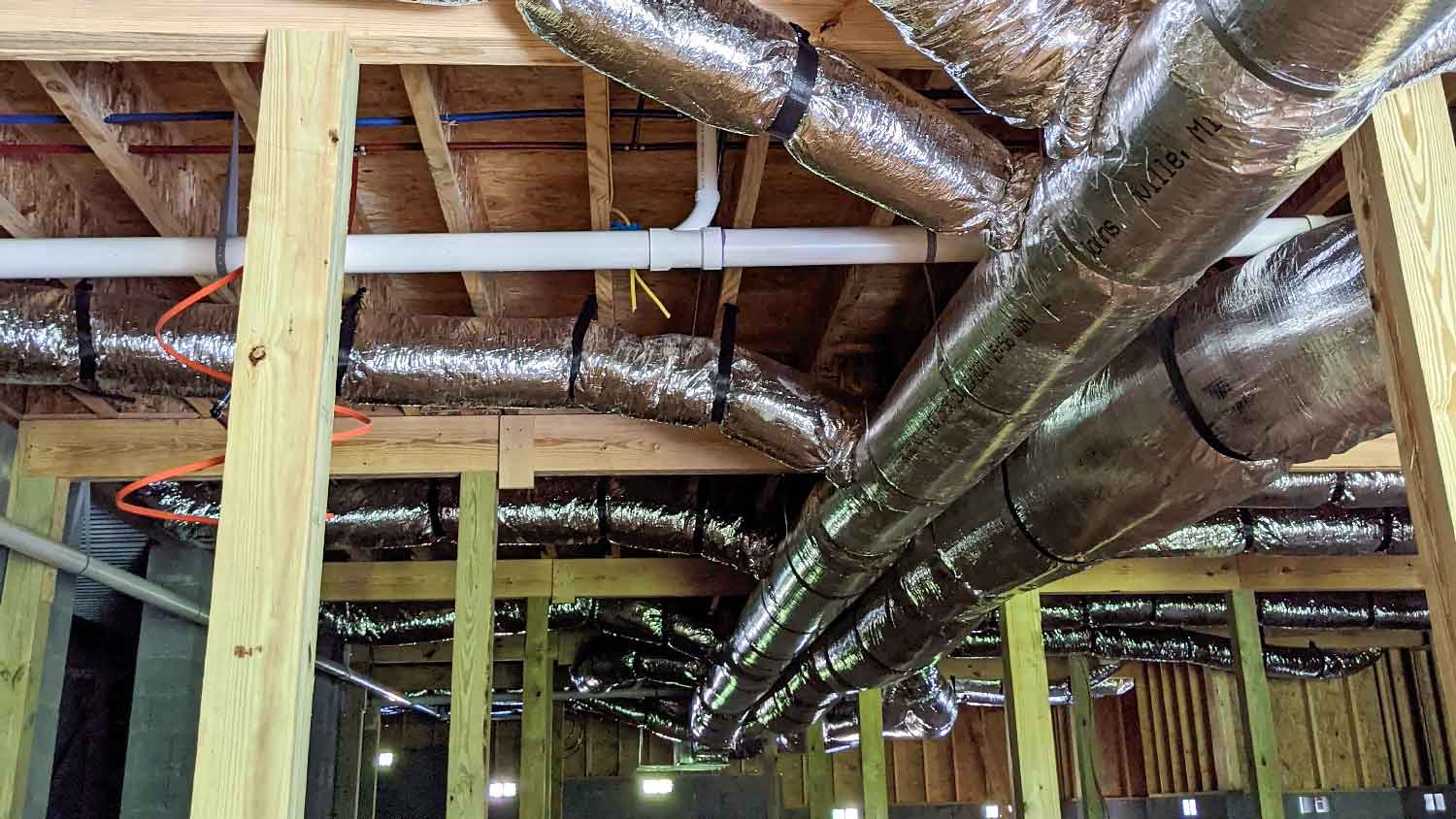
Exposed ductwork installation costs $1,600 to $4,800 for your home, with material choices like galvanized steel or aluminum driving your total.
Your duct layout and hard-to-reach areas like crawl spaces or high ceilings increase labor time and raise your installation effort.
Budget $300 to $900 for duct sealing and account for repairs like fixing noisy ducts or asbestos removal in older homes.
Hiring a local duct installing professional ensures proper sizing and secure mounting, preventing airflow issues and protecting your indoor air quality.
Exposed ductwork costs less to install than ductwork behind walls or in crawl spaces. Here’s a look at the average cost to install exposed ductwork based on a home’s size.
| Home Size in Square Feet | Average Cost |
|---|---|
| 800 | $1,000–$1,800 |
| 1,000 | $1,400–$2,200 |
| 1,800 | $2,000–$3,200 |
| 2,500 | $3,000–$6,000 |
| 3,000 | $5,000–$8,000 |

The most common type of ductwork material used for exposed ductwork is pressed metal, also called sheet metal, which is aluminum. However, you can increase thermal efficiency and life span by choosing galvanized stainless steel, or save significant money by choosing fiberglass ducts.
Which material you choose will depend largely on your aesthetic preferences and budget.
| Duct Material | Cost per Linear Foot (Material Only) |
|---|---|
| Galvanized Stainless Steel | $7–$14 |
| Non-galvanized Stainless Steel | $5–$11 |
| Aluminum | $3–$9 |
| Fiberglass | $3–$6 |
| Flexible Non-insulated | $1–$3 |
| Flexible Insulated | $2–$5 |
Several other factors may also play a role in the cost of ductwork for your home.

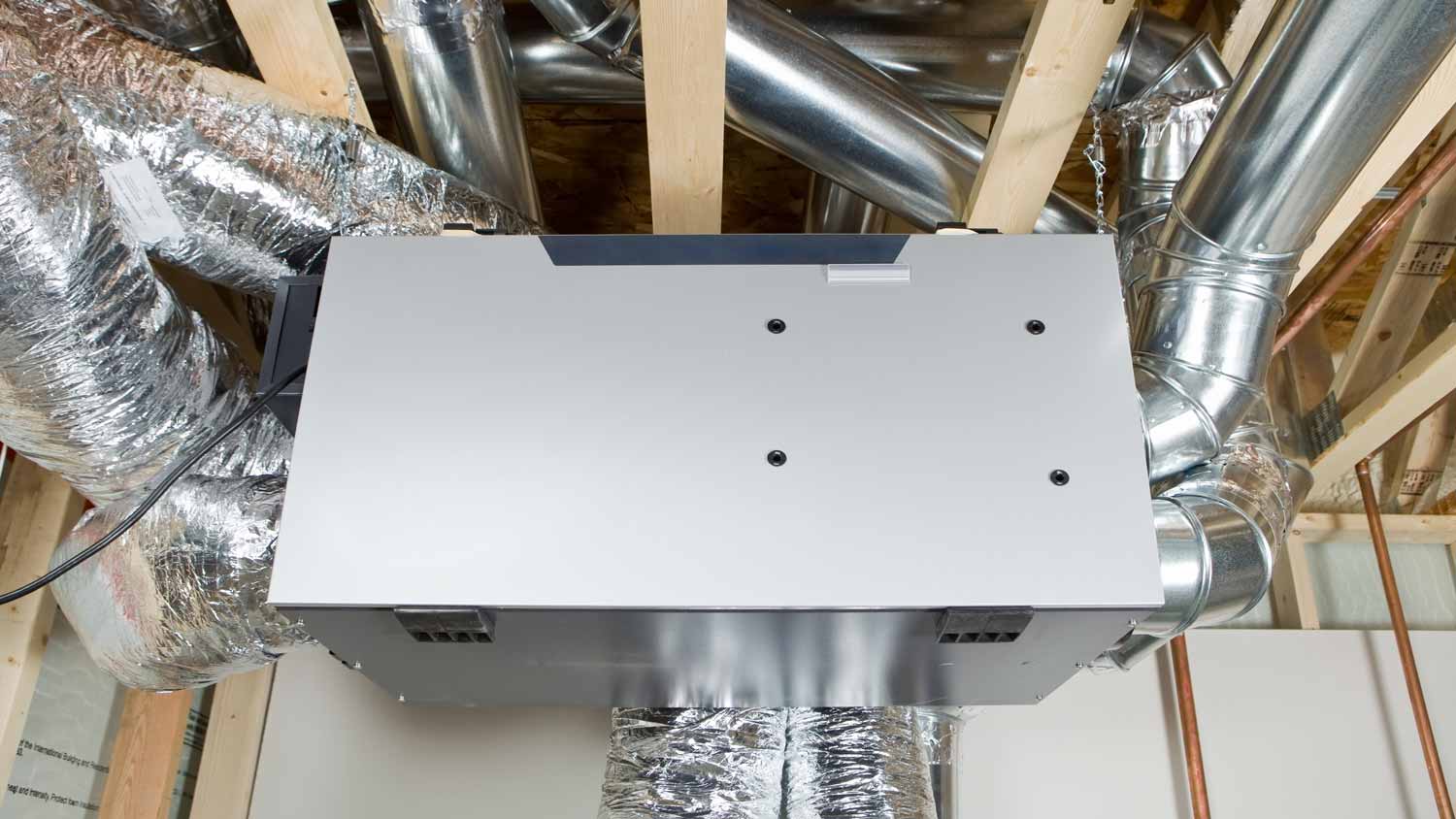
There are three main types of residential ducting: Rigid, semi-rigid, and flexible.
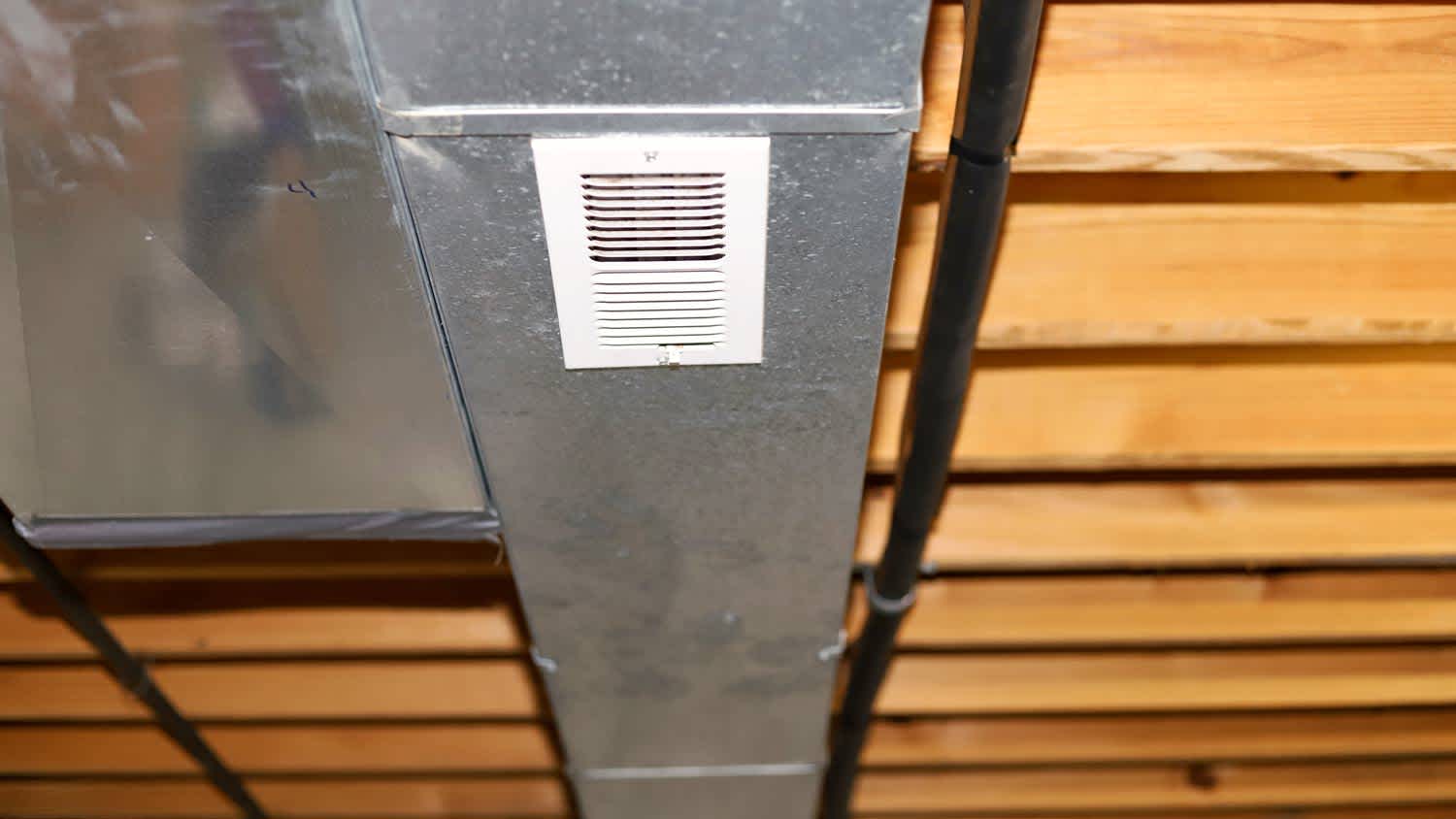
Rigid ducting is made from sheet metal and helps minimize bends in the system. It is the ideal ducting material whenever possible, but it’s also the most expensive.
Semi-rigid ducting is a zero-leakage system made from aluminum or sheet metal that aids in a system’s optimal performance while still bending around corners as needed.
Flexible ducting is made from PVC and steel wire. It’s less durable but common in tight spaces where more rigid materials cannot reach. It’s also the most affordable material.
A system may include lengths of all three ducting materials.
Accessibility impacts ductwork installation costs. Installing or replacing ductwork in a crawl space costs more than in an open attic or basement. If drywall needs to be removed or replaced to access ductwork, this will also increase costs.
Exposed ductwork is, well, exposed, but that doesn’t mean you won’t be required to do some light demo work. If some of your ductwork disappears behind drywall, you will need to remove it. Any non-loading beams or other features suspended from the ceiling may need to be removed. To adequately prep the space for work, it needs to be clean and free from obstruction.
Your pro may need to do some additional repairs while installing your exposed ductwork. Some complications that may contribute to your project’s overall cost include:
Sealing ductwork: $300–$900
Fixing noisy ductwork: $80–$400
Asbestos removal: $450–$2,200
You’ll most likely need a permit to do any HVAC work. To avoid any permit penalties, check with your municipality or have your contractor verify what’s necessary.
Just because ductwork is exposed doesn’t mean it’s easy to access. Take a loft with high ceilings, for example. The ductwork is right there, but it may require persistent work 15 feet or more off the deck. Anyone doing the work will need a sturdy ladder and a head for heights.
Crawl spaces often have exposed ductwork but the spaces are small and difficult to work in. Expect to pay a premium of 30% or more for complicated access.
Hiring a local ductwork pro for exposed ductwork installation costs more upfront, but you benefit from proper design, secure installation, and a clean, finished look. Pros bring the right tools, materials, and expertise to ensure that your exposed ductwork is both functional and aesthetically pleasing, while also preventing potential future issues.
Installing exposed ductwork requires knowledge of proper sizing, material choice, and ensuring that the ducts are securely fastened while maintaining a sleek, industrial look. Here are some of the top reasons to work with a pro:
Professionals ensure that ducts are properly sized and routed to optimize airflow and system efficiency, avoiding air pressure problems or reduced heating/cooling performance.
They know how to securely hang and mount ducts using the correct brackets, straps, and supports, reducing the risk of sagging or noise over time.
Hiring a pro ensures that all safety codes and regulations are followed, preventing fire hazards or issues with ventilation that could affect indoor air quality.
Many professionals can also provide custom finishes, such as painting or coating the ducts to match your home’s décor, while ensuring the system is sealed and insulated properly for energy efficiency.
If you want to take on some tasks yourself, here are a few DIY steps that can help save time and labor costs:
Plan and mark the layout of your ducts before installation, considering the best routes that minimize bends and optimize airflow.
Clear the area around where the ducts will be installed to allow the technician easy access to the installation site.
Measure and cut ducting pieces in advance, if appropriate, but always leave the final installation and connection to the professional to ensure it’s done safely and securely.
Know when air duct repair is possible and when replacement is necessary to help decide the best solution for your home.
Replacing ductwork is the more expensive option, but it can make sense in certain scenarios. It’s a long-term solution that directly tackles any mold or biological growth, ensuring clean air in the house. Another reason to simply replace is if the exposed ductwork is old or damaged, and fixing it will take longer and be more expensive than just ripping it out and reinstalling it. You may also get bulk deals when replacing your entire ductwork.
Repairing exposed ductwork makes sense if only a section of the ductwork is damaged, or if the reaper is superficial, like sealing ducts. Repairs are less expensive, faster, and usually don’t require any demo or prep work. This results in a much less disrupted living space. However, you don’t want to stick a bandaid on any real problems, so talk with a pro to make sure a repair is good enough for the problem.
Repairs can often be expensive and sometimes fixing the problem is more of a hassle than replacing. Remember that if a repair exceeds 50% of what it would cost to replace, you’re better off just replacing it.
There are two major factors to focus on when trying to save money: labor and materials. Labor can be negotiated down if you follow some of the tips below:
Hire a contractor when they aren’t busy with other work (usually fall and spring).
Shop around and gather quotes.
Take referrals from friends and family.
See if you can work alongside and do some of the manual labor yourself.
However, these only address the human hours required. What about saving money on materials? Some creative ways to save a few bucks are:
Use recycled material.
Shop around for the best deals.
Don’t settle for 10% off. Try to get 20% or more via discount codes.
Check with contractors and see if they have leftover materials.
Share the layout of the space where the ducts will be installed so the pro can plan the most efficient route and ensure proper airflow.
Discuss the type of ductwork (e.g., metal, flexible, insulated) and what material best fits your needs and budget.
Ask about any potential prep work, such as moving furniture or clearing access to walls or ceilings for installation.
Confirm whether there may be additional costs for things like custom ductwork or required modifications to existing systems.
If you’re considering upgrades like air purifiers, dampers, or better insulation, ask if it’s cost-effective to install those while putting in the ducts.
Home is the most important place on earth, which is why Angi has helped more than 150 million homeowners transform their houses into homes they adore. To help homeowners with their next project, Angi provides readers with the most accurate cost data and upholds strict editorial standards. We extensively research project costs to develop the pricing data you see, so you can make the best decisions for you and your home. We rely on reputable sources, including the U.S. Bureau of Labor Statistics, academic journals, market studies, and interviews with industry experts—all to ensure our prices reflect real-world projects.
Want to help us improve our cost data? Send us a recent project quote to [email protected]. Quotes and personal information will not be shared publicly.
If you’re good people wanting to do business with good people, hire Matt. He is a consummate professional and utterly competent. He installed a water heater in my home at a price that beat competitors by hundreds of dollars with a promise to support the unit for its life (even after its 6 yr...
 Greene's Plumbing Services
Corey Carr was great. I had damage from a recent storm and needed to have my mast and other components replaced. The project entailed coordinating with AEP, and Corey helped make a stressful situation a lot less stressful. I really appreciated his dedication to service and the job very well done.
 Mr. Electric of Columbus
This service was great. My air conditioner went out during the heat spell that we had. My husband has health issues and they came out that night and at 9:30pm the air conditioner was fixed and running. We are sooo very thankful, this is the company I will be using from now on and would...
 Mr. Mechanical Ohio
I normally do not leave reviews, but my experience with Worthington Air was extremely frustrating and disappointing. About 30 days ago, I had a consultation done for an HVAC replacement and was quoted approximately $15,079. Based on that quote, I applied for financing through their company...
 ARS Columbus Worthington Air
Great company! Price was competitive, technician showed up on time and completed the job (exterior electric Radon fan replacement) quickly. Would hire them again.
 MaGen Property Inspections and Radon Mitigation
Raven and crew does absolutely fantastic job. They are very professional if any concerns were to occur with any of her work she always took responsibility and finished out with a great job. I have worked with her business for a year and have always been satisfied. Very trusted business and...
 Creations of Transformation LLC
I would recommend this company to anyone! He showed up on time, was friendly, completed a very difficult repair on our dryer vent cover, was responsive, and pricing was extremely fair and competitive. I would have him back to do any of our repairs or cleanings without hesitation!
 U.S.A. Dryer Vent, LLC
Ace Fireplace Services' chimney sweep service is truly exceptional. They used advanced technology to ensure a thorough cleaning process, and my chimney has never looked better. I highly recommend their services.
 Ace Fireplace Services
The technician was very professional and friendly. He answered all my questions and was very thorough. He left the fireplace area very clean . He inspected from the roof and advised me as to other work that might need to be done. There was no pressure there. I was very satisfied with the...
 Supreme brick & chimney
On time, clean and finished fast. Windows seem sturdy and the finish is good. Caulking was done with no smudges. Would recommend.
 Window Depot USA of Central Ohio
From average costs to expert advice, get all the answers you need to get your job done.
Whether your energy bills are out of control or you can’t keep your home comfortable, it’s good to know what costs to expect before you pay to insulate your ductwork.
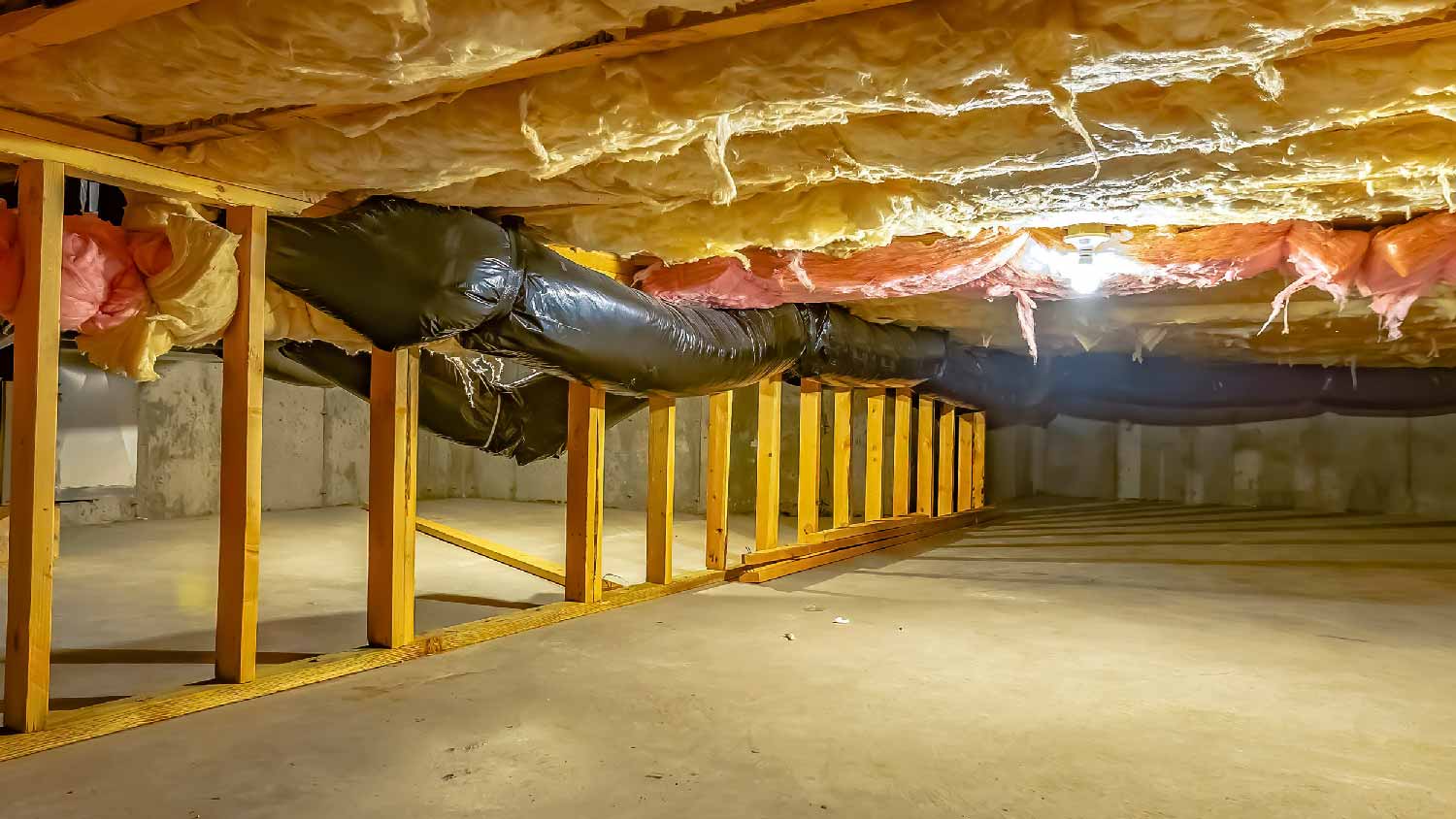
Repairing ductwork in a crawl space is frustrating and difficult, which is reflected in the cost. Learn why limited access results in a premium cost beyond just a simple increase in labor hours.
Discover the cost to install ductwork. Learn about average prices, cost factors, and tips to save money on your ductwork installation project.
Is it time to upgrade your ductwork? If so, knowing the differences between flex ducts and rigid ducts can help you choose the right option.
What causes condensation on ductwork in crawl spaces? A few things may be to blame. Learn more about the causes and what you can do.

Finding signs of bad ductwork could mean higher utility bills, a noisy system, and potential health risks down the line. Learn how to spot the signs.