
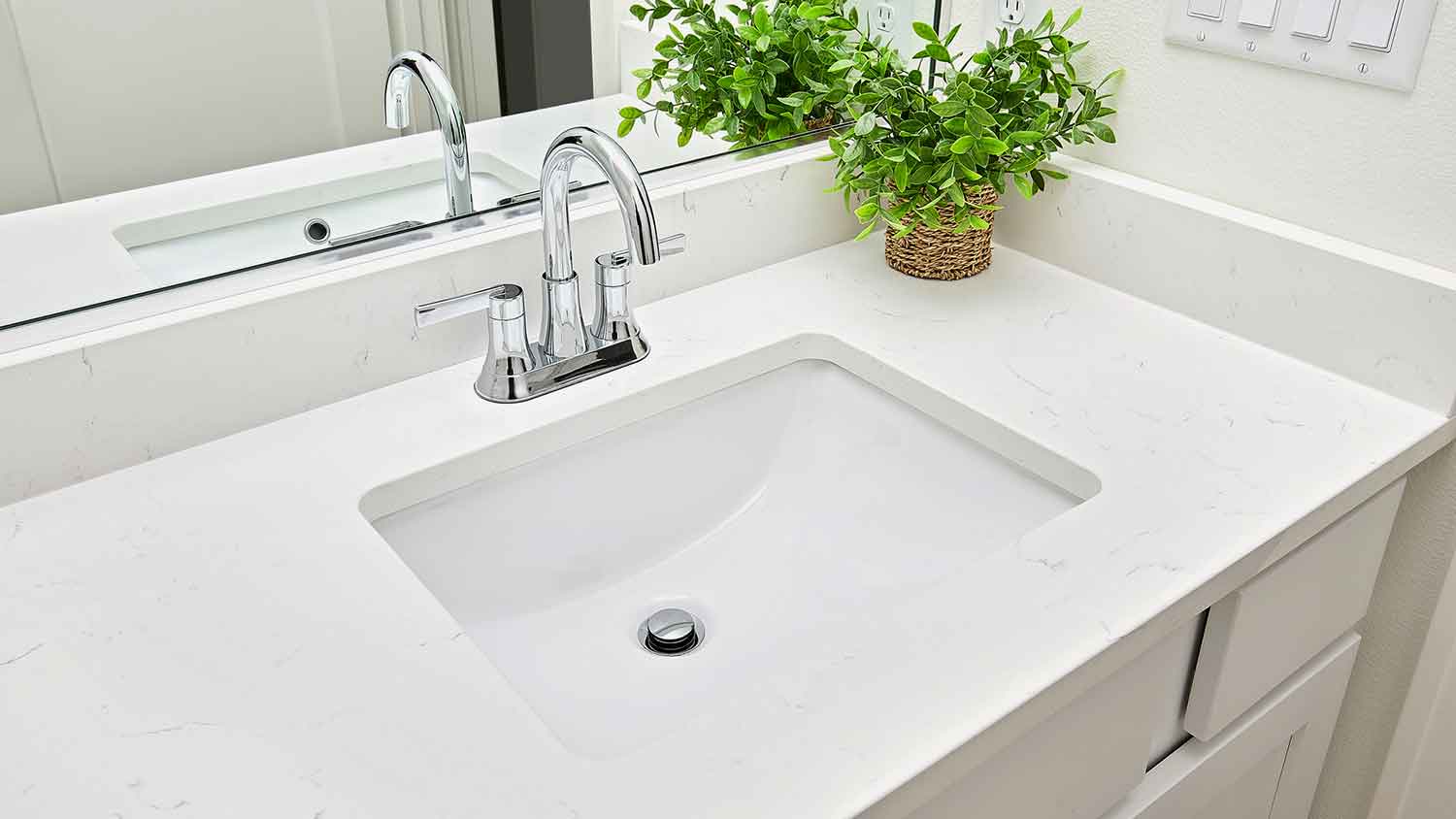
When your shower or sink starts draining slowly or not at all, it’s time to act. Get tips for how to unclog a drain, and learn about drain cleaning service pricing.
Get the lowdown on how to unclog

A drain bladder uses pressurized water to dislodge your partial clogs, while a snake cable grabs and pulls out stubborn debris like hair masses.
Expect to pay $110 to $350 for professional drain unclogging, with snaking costs around $110 to $275 and main line clogs reaching $200 to $600.
Choose a drain bladder for your kitchen sink clogs caused by food and grease, and use a snake for bathtub clogs from hair buildup.
Hiring a local drain cleaning professional provides reliable help when your plunger or snake can't clear the clog, including camera inspections for severe blockages.
A clogged drain can quickly derail your day, and if a plunger isn’t doing the trick, you might need to use a drain bladder or snake to get your water flowing. But what are the differences between a drain bladder and a snake? We’re here to break it down so you’re ready to tackle clogs that come your way and know when to call a pro.


A drain bladder uses pressurized water to dislodge a clog. To use a drain bladder, attach the bladder piece to the end of a garden hose. Then, attach the other end of the hose to a faucet or outdoor spigot within reach of the clogged drain.
Insert the garden hose and drain bladder into the clogged drain while someone at the water source slowly turns the cold water on. The bladder in the drain will fill, and pressure will build between it and the clog. This pressure will eventually dislodge the clog and allow water to flow freely through the pipes.

A drain snake is also a tool for unclogging a drain, but it does so differently than a drain bladder. A drain bladder uses water pressure, but a drain snake snags debris to remove or dislodge a clog.
The drain snake cable is coiled in a drum and is extended into the clogged drain by hand. When the snake reaches the clog, the corkscrew piece on the end grabs the debris. Using the handle on the drum, you can reel the snake back into the drum and pull the clog out of the drain. Once the snake is out of the drain, you can remove the debris from the corkscrew.
Drain snakes are used for more stubborn clogs and can help you get out of a jam, whether you’re clearing a bathtub drain or unclogging your basement floor drain.
The type of unclogging tool you should use depends on the type of clog you have. This may take a little guesswork because you likely won’t be able to see the clog.
Drain bladders work best for partial clogs that can be broken up with higher water pressure. For instance, a clogged kitchen sink drain is likely backed up with food and grease, so a drain bladder should be able to break it up.
More severe clogs, like those in a bathtub, are likely caused by a mass of hair and are too stubborn to unclog with water pressure alone. In this case, a drain snake can pull the clog out to clear the drain. If the clog proves too stubborn, you can always call a local drain cleaner or plumber to get your drain working again.
Clogs are pretty common, but if you can't get rid of one with a plunger or snake, you need a plumber. Camera inspections are used in more extreme cases, like when water keeps coming back up from multiple drains or if multiple drains are slow.
I had FabClean 614 clean my apartment, and she did an outstanding job. She was so professional and efficient. My apartment looks absolutely spotless every surface, every corner, all cleaned to perfection. Definitely highly recommend FabClean 614 if you're looking for top-notch cleaning...
 Fab Clean 614
Best cleaning I've had at my property
Fantastic group, very communicative, and they really did a great job cleaning my condo. Will be hiring them for recurring cleaning!
 eMaids of Northern Columbus
Excellent the crew was great did what I ask cleaned up and the price was awesome
 All Star Paving and Sealing
When we had the winter freeze, I called Quantum Waterworks Waterline & Drain Cleaning Services and within 1 hour I received an e-mail and he sent someone out the next day and he was on time, he was nice and did the job quickly and cleaned up after himself. We had a leak in our kitchen from...
 Quantum Waterworks Waterline & Drain Cleaning Services, LLC
On time, clean and finished fast. Windows seem sturdy and the finish is good. Caulking was done with no smudges. Would recommend.
 Window Depot USA of Central Ohio
I definitely recommend Ramonaâ s cleaning service! I have booked services with her many times and she arrives on time, ready to work and provides a great service.
 Your Cleaning Solutions LLC
They are very reliable and available. They the drains all the time
 The Waterworks
Mary Cleaning Service is fantastic! The entire team is professional and pay a great deal of attention to detail. They do such a thorough job of cleaning my house. I would definitely recommend!
It was just fine. They did a good job. They cleaned what needed to be cleaned.
 Dezired Cleaners LLC
From average costs to expert advice, get all the answers you need to get your job done.
When your shower or sink starts draining slowly or not at all, it’s time to act. Get tips for how to unclog a drain, and learn about drain cleaning service pricing.
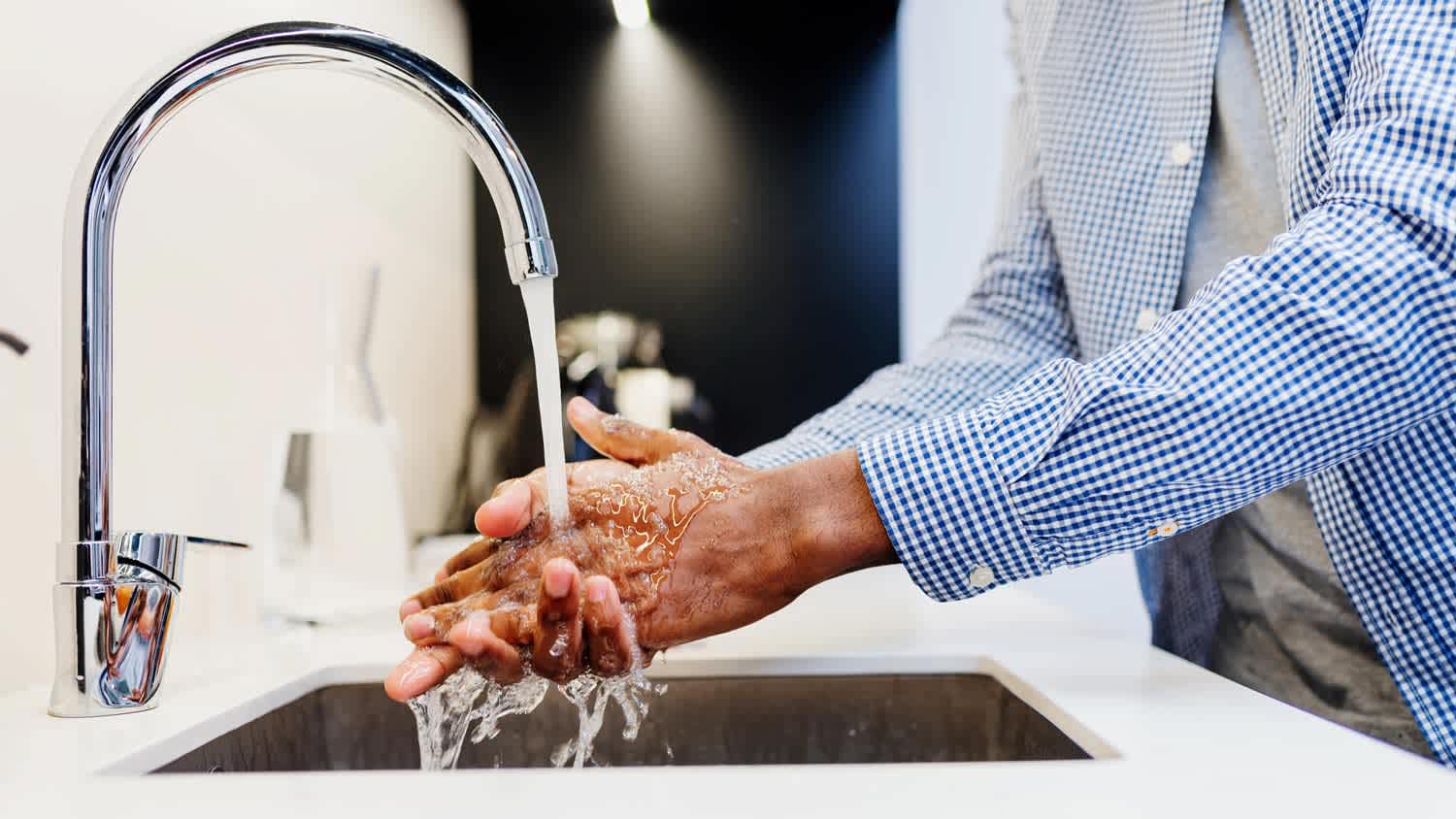
Clogged drains are a pain and can be persistent if you don’t deal with the blockage. Use this guide on how to snake a drain to save money and DIY a solution.
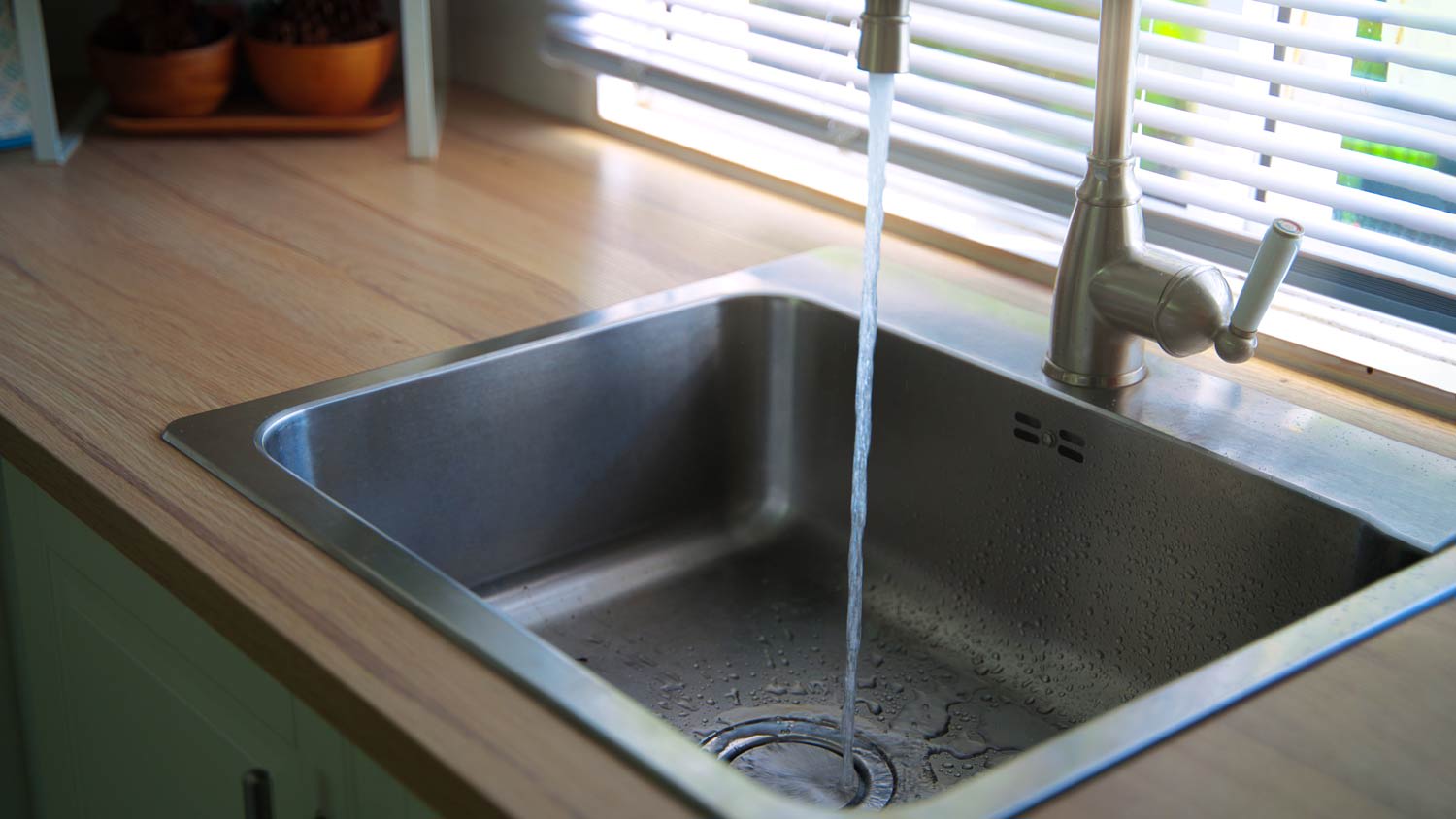
Clogs can keep drains backed up and build up odors in kitchens and bathrooms. Learn how to use a plumbing snake, a simple solution to clearing clogs.

If you've been dealing with standing water in your shower, don't fret. Read this guide to find out how to unclog a shower drain with standing water.
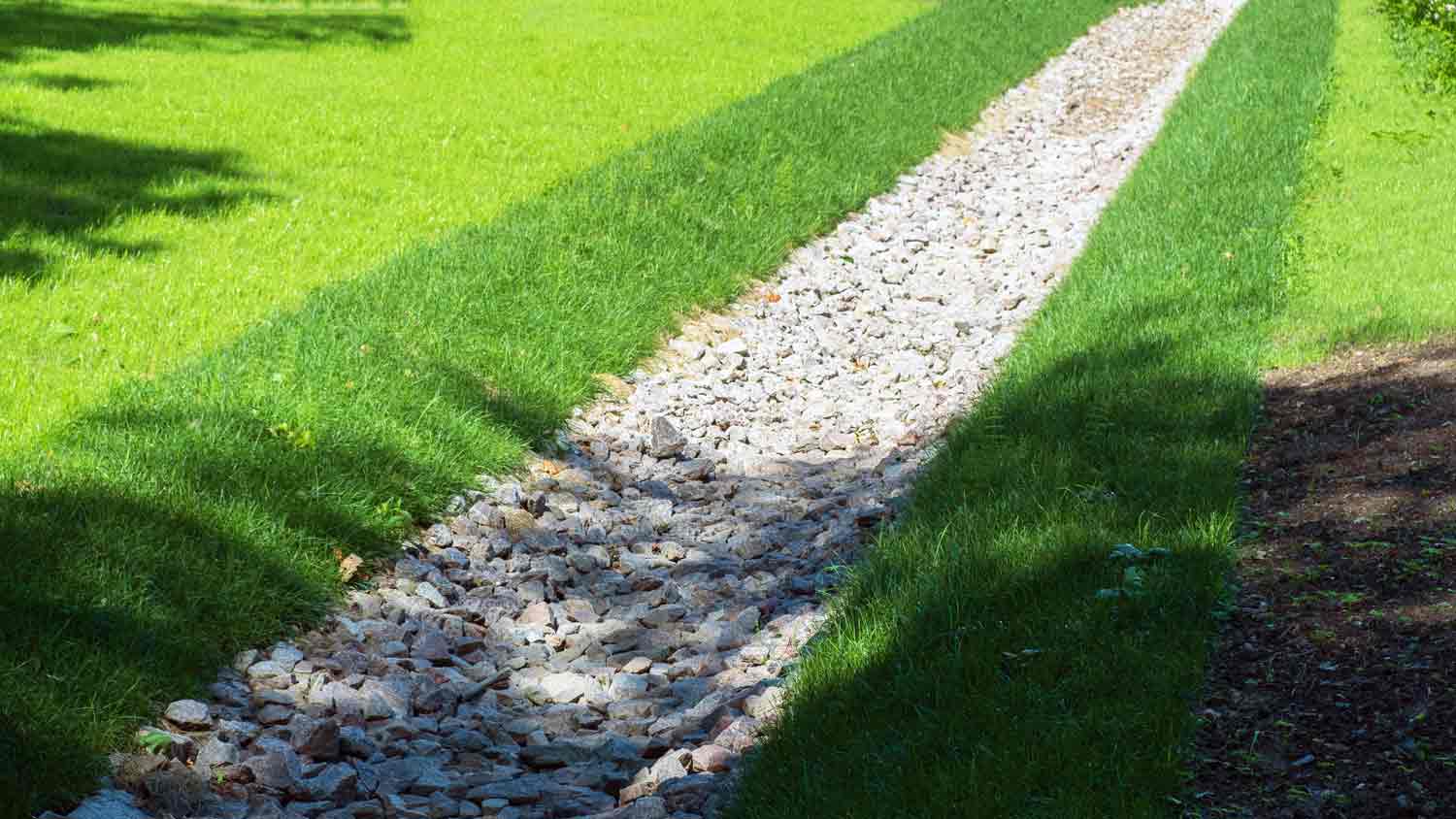
Inspecting and cleaning your French drain regularly is important for its function and longevity. Learn all about French drain maintenance.

Knowing how to snake a basement floor drain is an important DIY skill for homeowners. Our guide gives a step-by-step process to clean your basement drain.