
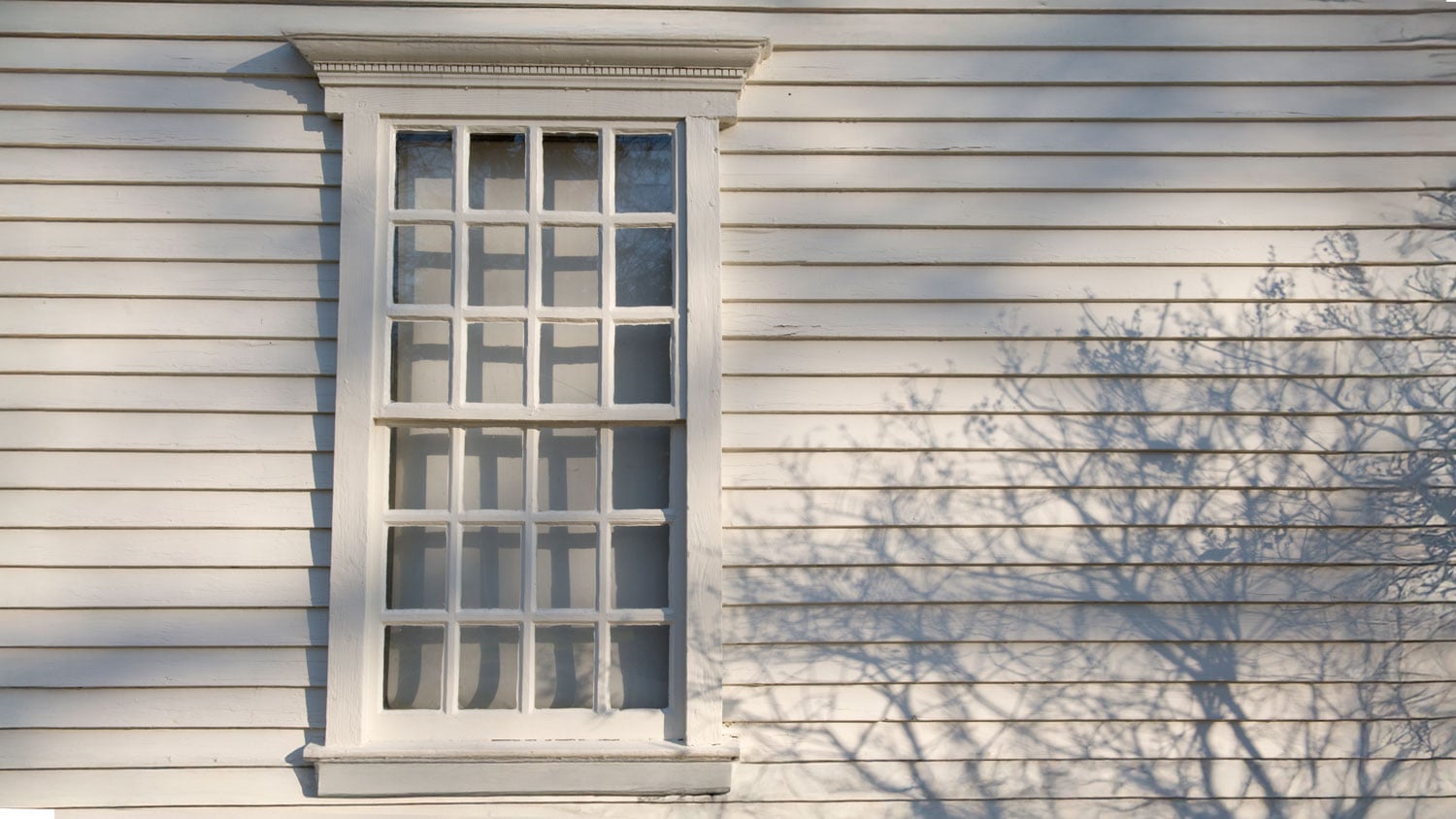
The average double-hung window costs $800, but prices vary by size, material, type, and more. Read this guide to help you budget for your double-hung windows.
Don’t get hung up on sizing your double-hung window

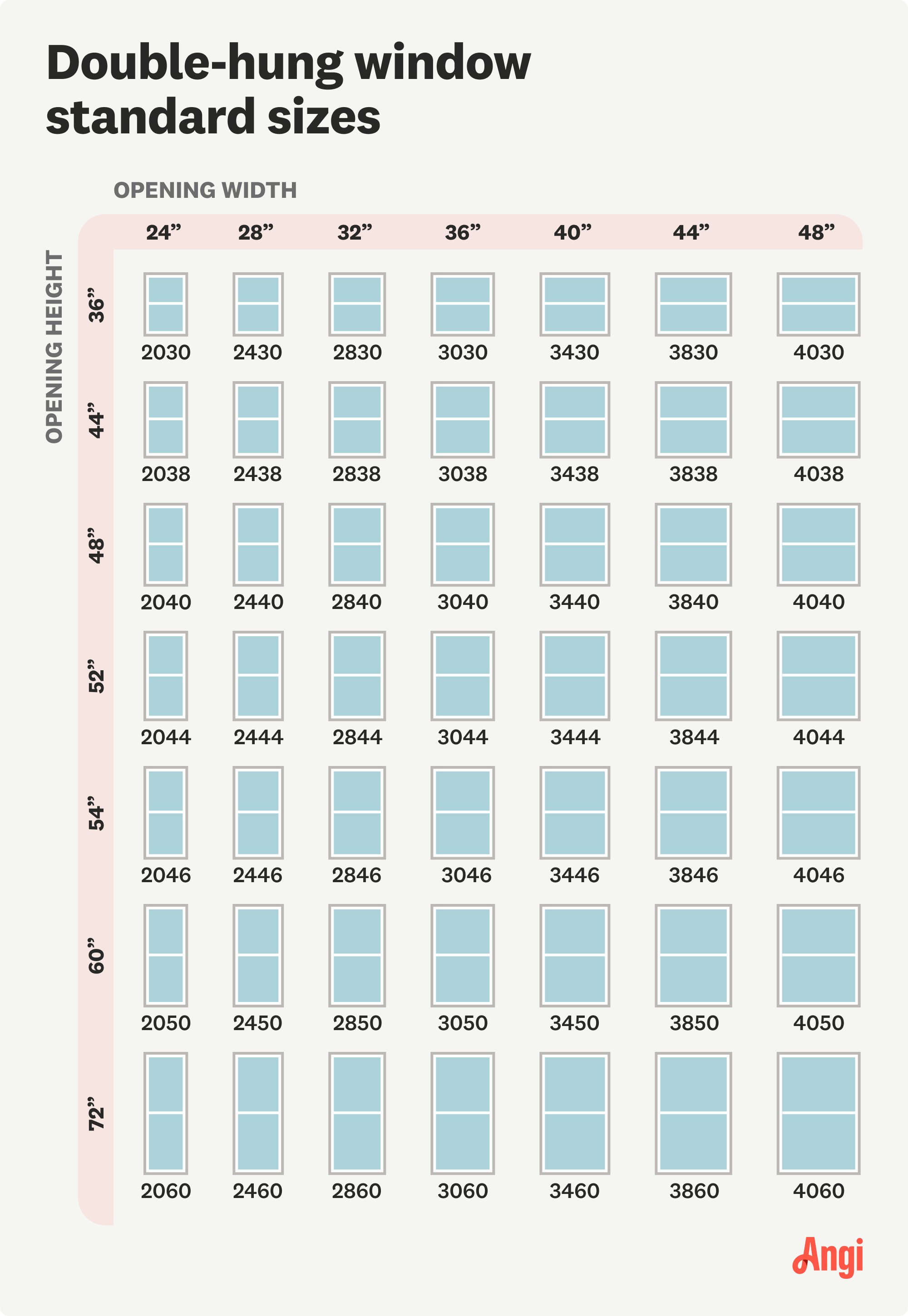
Standard double-hung window sizes range from 24 to 48 inches wide and 36 to 72 inches tall, with 36 by 48 inches being the most common size for your home.
Your existing wall opening determines the window size you need, as matching the current dimensions helps you avoid extra costs for reframing or structural changes.
Double-hung window sizing depends on the room type, privacy needs, ceiling height, wall space, and local building code requirements for egress windows in your home.
Hiring a local window company provides reliable support with accurate measurements and proper fit, especially when you need to widen openings or complete build-back work.
Double-hung window sizes range from 24 to 48 inches wide and 36 to 72 inches tall. In most cases, homeowners choose to replace double-hung windows with a matching size to avoid having to pay for structural changes to the framing around the window. Still, you’ll need to measure your window and order the correct size to ensure a good fit.
One of the most common double-hung window sizes is 36 inches wide by 48 inches tall. Window sizes are expressed as four-digit numbers with the first two numbers referring to the width in feet and inches, respectively, and the last two numbers referring to the window’s height in feet and inches, respectively. For example, a 3040 double-hung window size would mean that the window is 3 feet and 0 inches wide by 4 feet and 0 inches tall.
While a 3040 window is one of the most common for this type of window, sizes can vary widely.
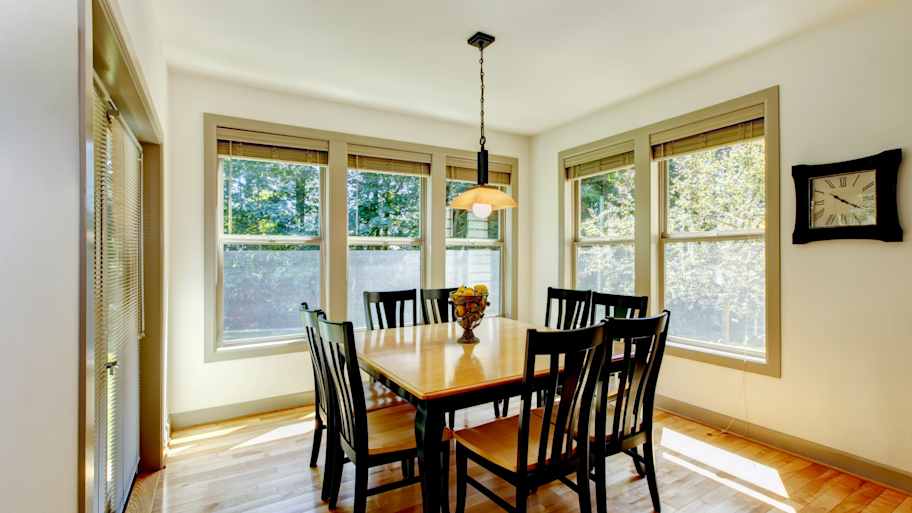
Double-hung window sizes vary by room, although sizing windows by area in your home includes general rules of thumb, and you can always adjust sizing based on your personal preferences. Generally speaking, you’ll want larger double-hung windows in living areas and smaller ones in bedrooms or bathrooms for added privacy, and your window wells can restrict double-hung window sizes in basements.
It’s worth noting that living areas also more commonly have multiple double-hung windows installed side-by-side with mullions joining them in the middle. This allows for smaller double-hung windows to fill larger wall openings for more sunlight and ventilation, as well as better views of the outdoors.
| Room | Common Sizes (Inches) |
|---|---|
| Basement | 24x36 |
| 28x36 | |
| 32x36 | |
| Bedroom/bathroom | 24x36 |
| 36x48 | |
| Living Area | 24x36 |
| 36x48 | |
| 36x60 | |
| 42x60 | |
| 48x72 |
Double-hung window sizes will fall toward the lower end of the standard sizing range for basement windows because you’re often restricted by the size of the window well. Unless you’re installing a double-hung window in a walk-out basement with a fully-exposed foundation wall, you’ll need to limit your window size to fit within a standard window well. That means smaller windows are more common in basements.
You should also note that egress windows must be at least 20 inches wide and 24 inches high. Most double-hung windows are larger than this anyway, but your local building code may have additional restrictions on egress window sizing.
Double-hung windows in bedrooms and bathrooms are normally bigger than those in basements because you don’t have the same size restrictions, but it’s common to keep them no larger than 36 inches by 48 inches for privacy and to reduce sunlight entering in the mornings. You can install window treatments for larger windows to add privacy, of course.
One exception to this general rule would be for bedrooms in areas with a view outside and no nearby neighbors. In that case, it’s more common to install larger double-hung windows up to 48 inches wide and 72 inches tall to maximize outdoor views.
You’ll normally see a minimum double-hung window size of 36 inches wide by 48 inches tall in living spaces, as there’s less of a need for privacy and virtually no space restrictions like you’d run into in bedrooms and basements, respectively. Depending on the location of your home and the views outside, it’s not uncommon to see double-hung windows up to 48 inches wide and 72 inches tall in living rooms, dining rooms, and other common areas.
It’s also more common to see multiple double-hung windows next to each other connected with mullions. This can allow for a much wider wall opening, sometimes up to or larger than 72 inches. In these cases, the total wall opening width could be larger than the height, which is less common with individual windows in bedrooms.
If you’re replacing an existing double-hung window, it’s a good idea to get accurate measurements of the old window and just replace it with a new window that has the same dimensions. This will avoid having to pay extra to reframe your wall opening, and it will also cut down on build-back costs. Here’s a quick guide on how to measure your existing window to get dimensions for the new window.
Measure from the inside of the left jamb to the inside of the right jamb at the top of the window.
Repeat the measurement in the middle of the window and at the bottom.
Record the shortest of the three measurements for the window width.
Measure from the windowsill to the head jamb on the left side of the window.
Repeat the measurement in the middle and on the right side of the window.
Record the shortest of the three measurements between these window parts for the window height.
You can then take those measurements and convert them to the standard window size. The first two numbers are the feet and inches of the width, and the second two are the feet and inches of the height. A 2630 window has a width of 2 feet and 6 inches (30 inches total) and a height of 3 feet and 0 inches (36 inches total).
When you’re determining what double-hung window size is right for your space, there are three key factors to consider that can help you decide.
The most important factor to consider—and the one that will normally determine your window size for you—is the size of the existing wall opening. Replacing a window with a similarly sized window is the easiest and most affordable option. You can have a window company near you adjust the framing in your wall to make the wall opening larger or smaller, but this will drastically increase your double-hung window costs.
You should consider privacy when sizing your windows, too, especially if you’re installing double-hung windows in a bedroom or bathroom. Generally, smaller windows no larger than 36 inches wide and 48 inches tall are ideal for bedrooms for balancing ventilation, natural lighting, and privacy. In a bathroom, you could see double-hung windows as small as 24 inches wide by 36 inches tall. In living areas, your only restrictions will be ceiling height and wall size, which can affect structural limitations.
Finally, consider building code restrictions in your area. Most municipalities will have minimum wall opening sizes for windows, especially if they need to serve as a point of egress. You may be limited to how small you can go with your double-hung window as a result.
If you feel like your windows are too small for your space and don’t let in enough natural light or provide enough ventilation, your best option is to have a professional widen the wall opening and install a bigger window for you. This can get expensive, but larger windows can add to your home value and make your living space more enjoyable, so it could be a worthwhile project.
If the windows in a bedroom or bathroom are too large and don’t provide enough privacy, the simplest solution would be to install window treatments that obscure the view of your living space. Something like Roman blinds or plantation shutters would be a good option. You can also opt to hire a window contractor to make the wall opening smaller, although build-back will add significantly to your window replacement cost, especially on the exterior of your home.
We have used Window Warriors many times with no issues. They arrived on time and were very professional . We have pets and Window Warrior team treated them very well, well trusted team.
 Window Warrior of Columbus, Inc.
I am highly satisfied with the window replacement service I received; the professionals from Savvy Exteriors were punctual and did an amazing job that exceeded my expectations.
 Savvy Exteriors
I hired windows depot USA of central to install new windows in house in Oshawa. Ilya was very professional from the start, not only did he offered a great price, he also made sure the installation was on time. I am very satisfied with final outcome. The windows look great and the overall...
 Window Depot USA of Central Ohio
The team is awesome!! I can generally pick up and clean throughout the week, but they CLEAN! Windows, stair rails, microwave. All the things I can’t ever seem to get to regularly. The house looks and smells great after they leave.
Description says they handle window repair including rotten hardwood - they called me back right away but didnâ t leave a voicemail. I followed up 3 days later and they said they donâ t do that kind of work.
 Window-Gurus
We had a gutter blockage that was causing water to sheet down the side of the house and ultimately it started to come in at a window (need mortar people next). Called around 7:30am, and he responded by 8am. He was able to come out the same morning and do a look over and clean out. He also...
From average costs to expert advice, get all the answers you need to get your job done.
The average double-hung window costs $800, but prices vary by size, material, type, and more. Read this guide to help you budget for your double-hung windows.
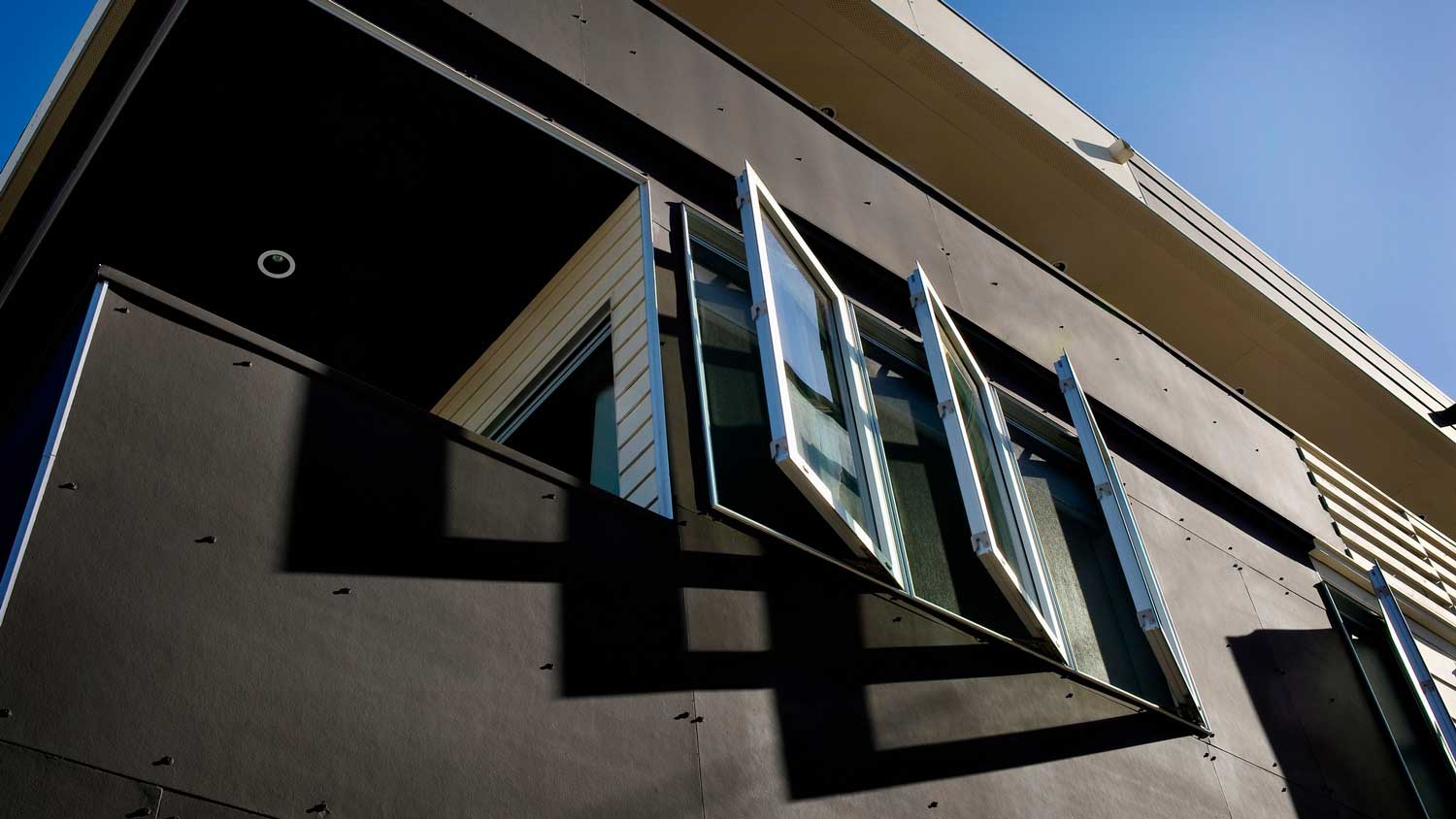
Single, double, or cottage-style, the cost of casement windows is worth it for their versatility alone. Let's look at casement window costs plus installation.
The cost of new windows heavily depends on their size, but other factors come into play as well. This guide breaks down window costs based on various factors so you can make an informed budget for this project.
Understanding standard window sizes is easy once you get the hang of it. Here's how to order windows just like the pros.

If it's time to replace or install a new window, you have plenty of stylish options. Here are 15 types of windows and the best place for each one in your home.
Know the different parts of double-hung windows, their purpose, and maintenance requirements to keep your windows functional and protected.