

If you have a serious rodent problem, you may need to know the cost of hiring a rat exterminator. We can help you estimate prices and control costs.
Mice and rats are related, but some key differences will help you identify your invader

Rat and mouse differences include size and behavior, but both rodents carry diseases and reproduce rapidly in your home.
Mice nest near food sources like your kitchen cabinets, while rats burrow in basements or enter through attics depending on the species.
Your choice between trapping or professional removal depends on the rodent type: mice take bait easily versus rats, which avoid traps.
Hiring a local mice exterminating professional provides safe removal and prevents disease exposure, especially when dealing with cautious rats.
If you notice crumbs strewn about your pantry or hear scratching in your walls, rodents are likely afoot. Mice and rats are common pests with enough similarities that it can be tough to tell them apart. In either case, you'll want to eliminate the infestation to prevent the spread of diseases carried by rats and mice. We break down their distinct looks and habits to help you strategize.
The clearest difference between mice and rats is their size, but there are many other ways to identify and differentiate between the two.
| Type of Difference | Mice | Rats |
|---|---|---|
| Size | 5–7 in (incl tail) | 16–18 in (incl tail) |
| Weight | Up to 1 ounce | Up to 1 pound |
| Color | Light gray or brown | Gray, brown, or black |
| Feeding | Plants and grains | Eats anything |
| Damage | Gnaw marks on cords | Musky odor near food |
| Disease | Can carry disease | Can carry disease |
| Eradication | DIY trapping | Professional pest control |
| Prevention | Seal small gaps | Keep home clean |

Mice and rats are similar in appearance, being small rodents with round ears and long tails. They're so similar, in fact, that juvenile rats can be tough to distinguish from full-grown mice. As adults, however, the two are easy to tell apart.
The most obvious difference between mice and rats is their full-grown size. Mice only grow to be two to four inches long with a three-inch tail, weighing up to an ounce. Rats are significantly larger at seven to nine inches long with a tail of equal length and a weight of up to one pound.
Although both critters come in neutral shades of white, brown, or gray, rats tend to have much darker fur, while mice have lighter hues. Rats can even be dark brown or black. As an added indicator, rats are often dirty enough to leave grease marks on surfaces they touch.
While more subtle, you may be able to spot a difference in body shape if you get a good look at your home invader.
| Mouse | Rat |
|---|---|
| Thin, fur-covered tail | Thick, coarse, and hairless tail |
| Large, round ears | Small ears relative to its size |
| Pointed nose with long whiskers | Round, blunt snout |
Even if you don't see the pest itself, you may see its droppings. Mice poop often, leaving small, dark, pointy droppings about the size of a grain of rice everywhere they go. Rat droppings are larger, with a rounder shape, about the size of a raisin.

Aside from their looks, you can tell mice and rats apart by how they behave. Mice tend to be bolder than rats, exploring new things (including baited traps). Rats are far more cautious and usually won't go for bait, which makes them tougher to trap.
Mice and rats are scavengers, but mice tend to be pickier eaters. They prefer to eat plants, grains, and certain processed foods. Cereals are a favorite of mice, including cereal-based dry pet food. Mice also make more of a mess when eating, leaving crumbs scattered around their feeding areas.
Rats, on the other hand, will eat just about anything. They'll also clean up after themselves, so you may not see evidence.
Mice and rats are both found all over the world in nearly every climate. They are both nocturnal, active mostly at night.
You'll find mice nesting near their food sources, often in kitchen cabinets. Because they can climb, they may also make their home inside wall cavities or attics.
Where rats live depends on the type of rat. Brown Norway rats live in low places like crawl spaces and basements because they don’t climb well. They may also burrow under buildings and gardens. These strong swimmers can even enter a home through sewers and plumbing pipes. Black roof rats are strong climbers, however, and may enter through attics and eaves.
Mice and rats produce similar damage in a home while nesting and feeding. Look for the following subtle differences to tell them apart.
Both critters like to gnaw on things around your home, chewing through walls and wires to reach food and create nesting material. Rat teeth marks are about an eighth of an inch long. Mice marks are smaller.
Mice and rats urinate often to mark their territory. However, mice will sit and eat their food where they find it. If you notice a strong, musky scent around food sources, that’s one of the common signs of mice.
Lifecycle is one area where mice and rats are largely the same. Both reproduce rapidly, producing 25 to 60 pups per year throughout several litters. Once born, wild mice and rats with adequate shelter live for one or two years. As such, a small family of either animal can quickly become an infestation in your home.

Both mice and rats are known carriers of dangerous diseases, bacteria, and viruses. These include leptospirosis, Hantavirus Pulmonary Syndrome, LCMV, rat-bite fever, and salmonellosis.
For this reason, it's often best to let a local mice and rodent exterminator handle your infestation. Coming into contact with contaminated food, droppings, or animals (dead or alive) may pose a risk to you and others in your home. Pros will have the sanitary knowledge to remove an infestation safely.
Prevention techniques are similar for mice and rats, ranging from basic property maintenance to reinforcement of your perimeter. Some homeowners also use essential oils as a rodent deterrent.
The best strategy to rodent-proof your home is exclusion. Mice can squeeze into holes the size of a pencil, while rats can enter any opening larger than a half-inch. To seal a house from mice, plug weak spots in its perimeter with screens, flashing, door sweeps, and heavy-duty sealants so pests can't get through.
Even more important are indoor and outdoor sanitation. Mice and rats are attracted to potential food and water sources. Clean up garbage, food debris, and clutter so they have nothing to eat and nowhere to hide.
When you're strategizing on how to get rid of mice, start with the prevention techniques above. Then, set up mice traps with the right bait—try peanut butter or seeds. Mice won’t eat most other protein-based food sources.
If your home already has a rat infestation, large traps baited with protein are one potential strategy. However, rats are very cautious creatures that don't always go for bait, so DIY pest control can be difficult. Calling a professional pest exterminator near you is the most efficient and effective option.
A reliable team for moves across state. My switch to a new place needed careful lifting through tight hallways. The movers checked the doorway first, then carried heavier pieces with slow, controlled movements. Their patience helped prevent damage, and I?d choose them again.
This company does it right. Firstly, I want to say that Landan was a joy to work with. He was so kind, transparent, and had everything under control. His entire team showed up ready to work and they were all very respectful of the fact that we were in an office space. A little backstory – we...
 Krumlauf Floors
I had FabClean 614 clean my apartment, and she did an outstanding job. She was so professional and efficient. My apartment looks absolutely spotless every surface, every corner, all cleaned to perfection. Definitely highly recommend FabClean 614 if you're looking for top-notch cleaning...
 Fab Clean 614
Raven and crew does absolutely fantastic job. They are very professional if any concerns were to occur with any of her work she always took responsibility and finished out with a great job. I have worked with her business for a year and have always been satisfied. Very trusted business and...
 Creations of Transformation LLC
I would recommend this company to anyone! He showed up on time, was friendly, completed a very difficult repair on our dryer vent cover, was responsive, and pricing was extremely fair and competitive. I would have him back to do any of our repairs or cleanings without hesitation!
 U.S.A. Dryer Vent, LLC
Best cleaning I've had at my property
Ace Fireplace Services' chimney sweep service is truly exceptional. They used advanced technology to ensure a thorough cleaning process, and my chimney has never looked better. I highly recommend their services.
 Ace Fireplace Services
This company went above and beyond with their work, chimney sweeps are usually pretty messy, but the clean up was spot on.!! Josh explained every thing that he was doing, and the things that he was checking to make sure the chimney was safe for me and my family. He was very professional,...
 Supreme brick & chimney
Good workers and they do a good job.
 Mira Construction
Mary Cleaning Service is fantastic! The entire team is professional and pay a great deal of attention to detail. They do such a thorough job of cleaning my house. I would definitely recommend!
From average costs to expert advice, get all the answers you need to get your job done.
If you have a serious rodent problem, you may need to know the cost of hiring a rat exterminator. We can help you estimate prices and control costs.

Droppings are a telltale sign of a rodent infestation. Find out the key differences between rat poop vs. mice poop.
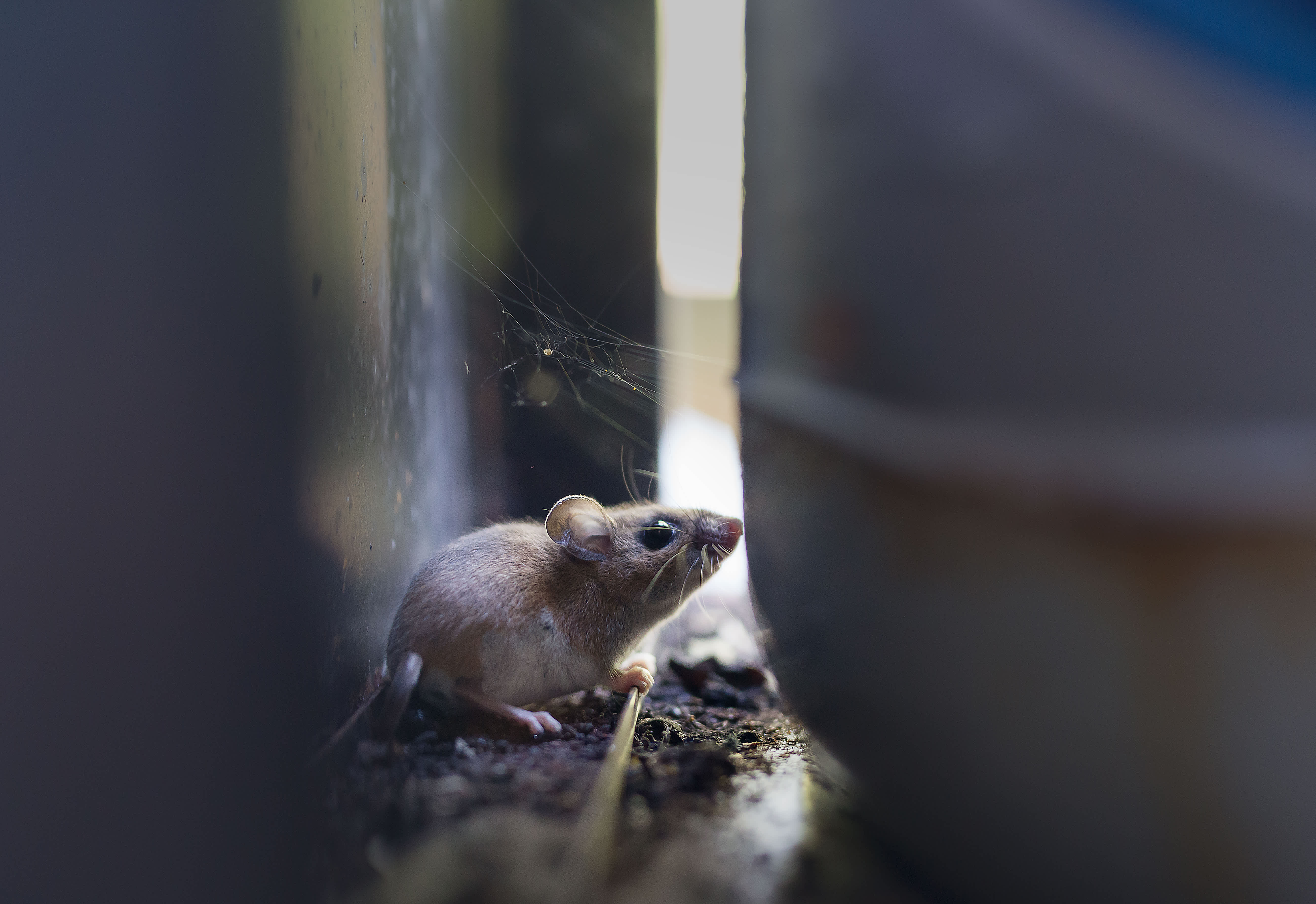
What’s the difference between a deer mouse versus a house mouse? Get expert tips to identify and manage each kind of rodent.
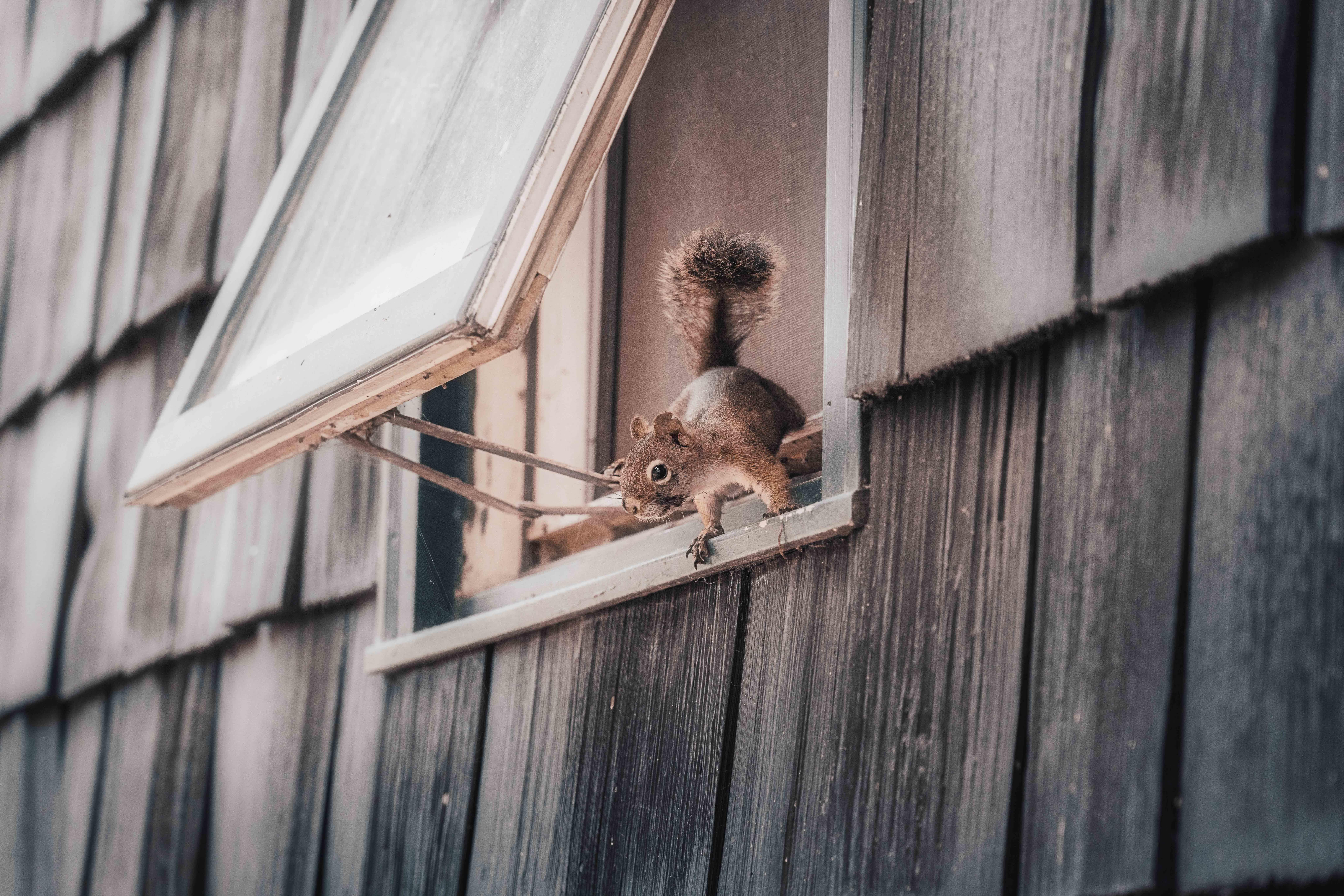
Find out how to tell the difference between squirrel poop and rat poop, why it matters, and what each means for your home and health.
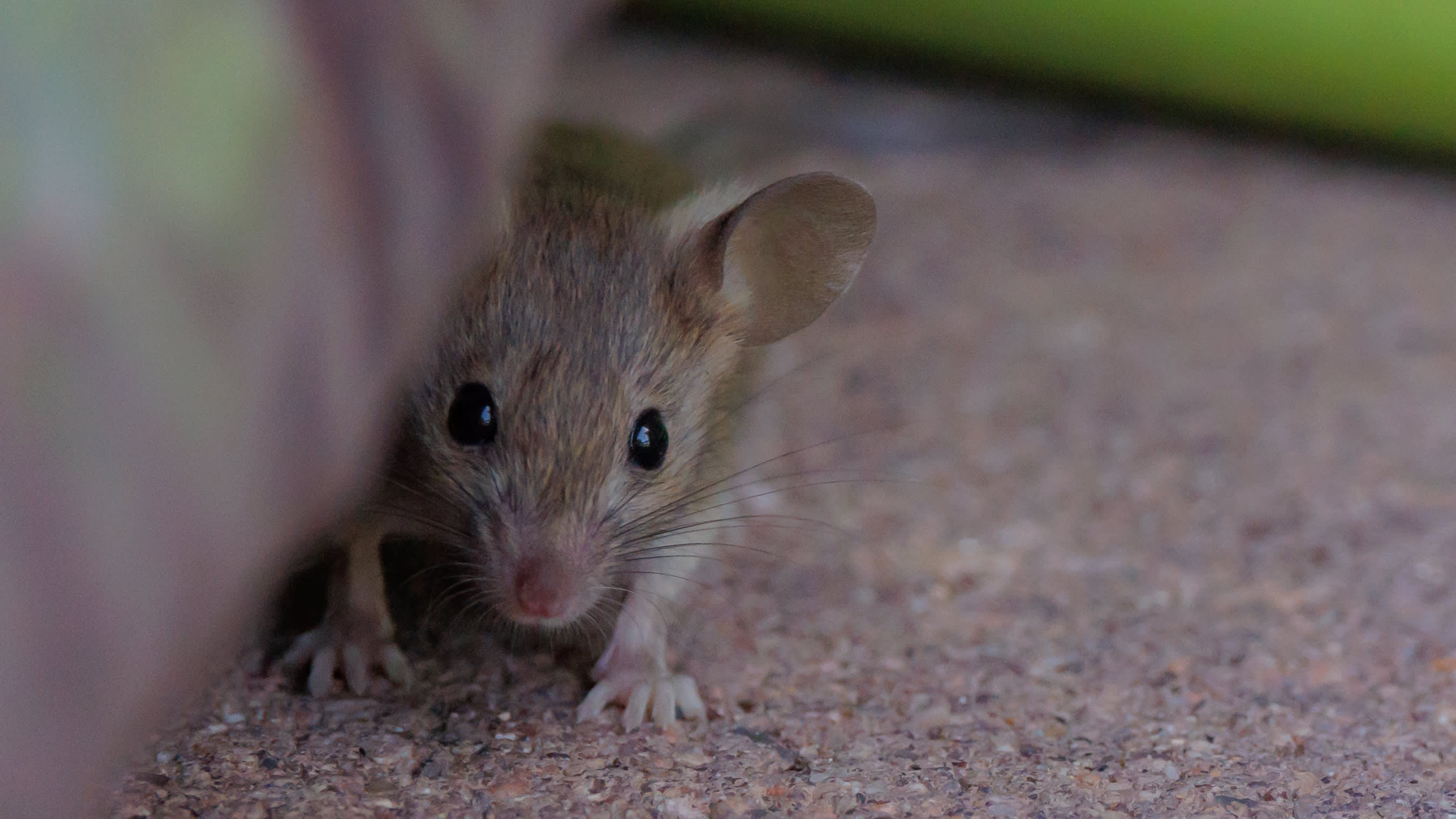
Find out how to spot the differences between house and field mice by their appearance, droppings, behavior, and health risks.

Noticing a growing number of rats calling your yard or garden home? Here are your best options to deal with them.