
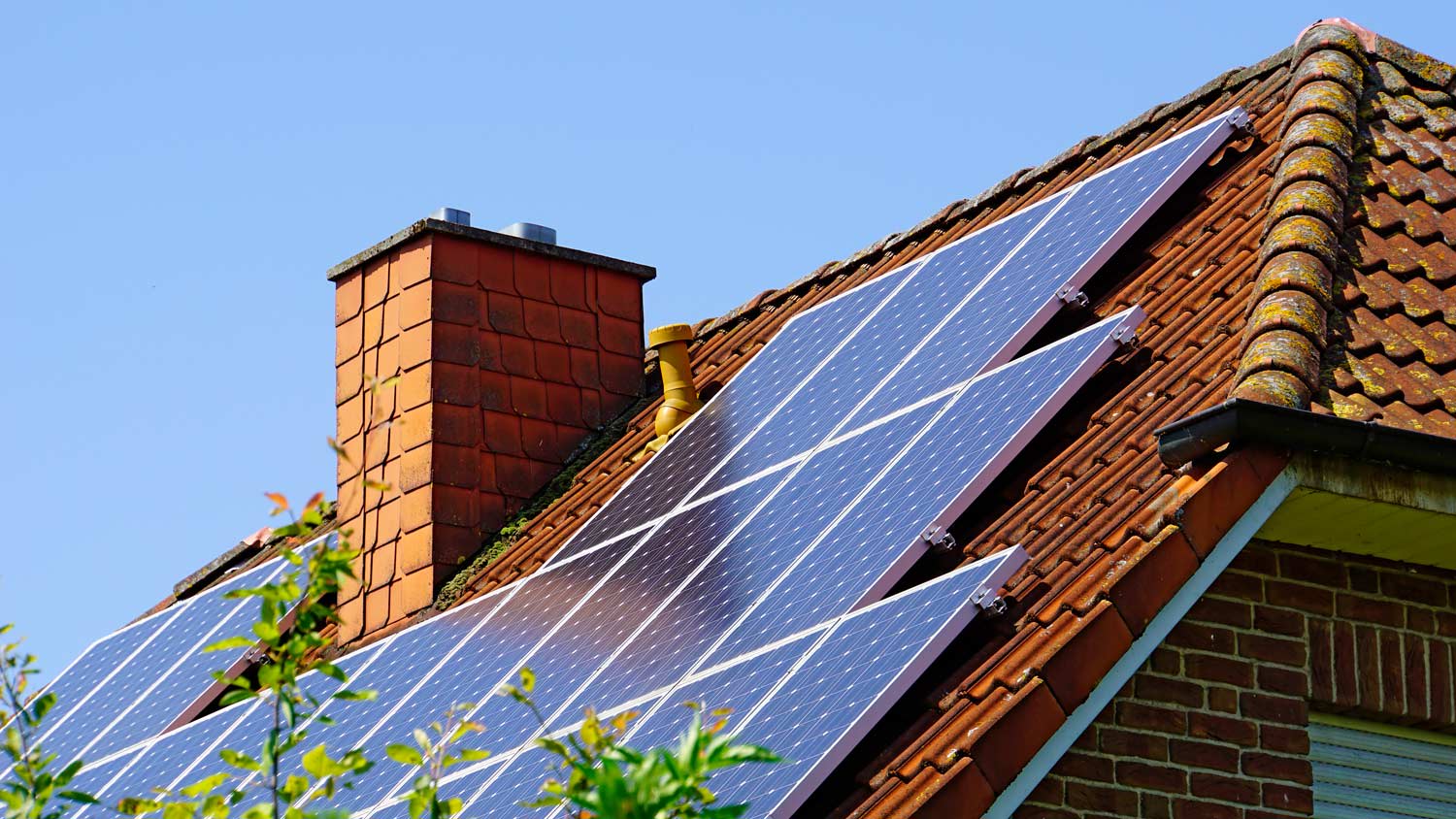
•
Discover the average solar panel installation cost, key price factors, and expert tips to help you budget for your solar project.
Make hay while the sun shines with the right number of solar panels

Calculating how many solar panels you need depends on your annual energy use, the wattage each panel produces, and your home's production ratio.
Expect to pay $2.50 to $3.50 per watt for solar panel installation, with total system costs ranging from $18,400 to $36,400 for your home.
Your roof's pitch, orientation, and available space determine how many panels fit and how much energy your system produces for your household.
Hiring a local solar panel installation professional keeps you off the roof and ensures your system matches your energy needs with proper electrical work.
The time has come: You've decided to take the next step and commit to a solar-powered home. When estimating your solar power calculations, assume you’ll need between 15 and 34 solar panels to meet your needs. The wide range accounts for the type of solar panel you choose, how much energy you use in your home, and your solar system's production ratio—AKA how much sun reaches the panels. If you’ve ever wondered how many solar panels you need, here’s what you need to know.

Let's jump into the mathematics of solar power calculations. While you may think that the size of your home determines how many solar panels you need, this isn't always a dependable indicator. Think about it—both a small one-bedroom apartment and a large two-bedroom home likely have the same kitchen appliances and entertainment center that use up a good deal of power.
While home size will have some effect on solar panel count, it's inconsistent. Here are the top three numbers you need to do that math.
The 2021 average for home electricity usage in the U.S. was 10,632 kilowatt-hours (kWh), according to a report by the U.S. Energy Information Administration. To estimate your personal usage, take a look at the U.S. Department of Energy’s energy calculator.
Your solar panel system must be able to create the amount of power your home uses to be fully independent. If it produces more solar energy than necessary, you can send the extra power back to the grid and receive compensation from your utility company.
Your local solar panel installer may also recommend scheduling a home energy audit to study the efficiency of everything from major appliances to your HVAC system.
Depending on the type of solar panel you choose, each panel will produce between 250 and 400 watts. These numbers indicate how much the panel can produce on a sunny day with between five and six hours of light.
The production ratio takes all the most common solar panel questions into account. What if you have trees over your roof? What if I live in a cloudy area? The production ratio is the estimated output divided by your solar panel's size in watts. The most common ratio in the U.S. falls between 1.3 and 1.6.
Once you have these three numbers, divide the system size in kWh by the production ratio and then again by the panel wattage. The resulting number will provide an estimate of how many panels you need on your home. Let's use a standard estimate for each as an example.
10,632 kilowatt-hours / 1.4 / 300 W = Between 25 and 26 panels

If you land on installing 25 panels, each of which produces 300 watts, you'll need a 7,500-watt system, typically defined as a 7.5 kW system.
Home measurements are a significant part of solar power calculations. A professional installer will work with you to measure your home for solar panels. The process comes down to far more than just the area size of your roof. Here are some solar panel dimensions and stats to keep in mind:
A 250-watt solar panel measures about 17.5 square feet
A 400-watt solar panel measures about 21.5 square feet
A standard solar panel measures 40–50 pounds
If you need 25 solar panels, you'll need just under 500 square feet of space on your roof and the capacity to hold between 1,000 and 1,250 pounds. Both factors fall well within the capacity of a standard roof.
| Number of 400-Watt Panels | System Size (kW) | Required Roof Space (Square Feet) |
|---|---|---|
| 10 | 4 | 177 |
| 15 | 6 | 265 |
| 20 | 8 | 353 |
| 25 | 10 | 442 |
| 30 | 12 | 530 |
| 35 | 14 | 618 |
| 40 | 16 | 706 |
Beyond the obvious, like how much energy your home uses, additional factors can help you decide how many solar panels to install on your home.
The angle and orientation of the roof significantly impact panel production. Direct sunlight is essential for maximizing output, so solar panels should face south.
The best roof pitch for solar panels is between 15 and 45 degrees. This angle catches the most sunlight throughout the day. A steeper or shallower pitch reduces the sun exposure your roof and panels get, and roofs facing directions other than south might require more panels to offset the lack of direct sun.
For the highest efficiency in the northern hemisphere, solar panels should face south with a pitch close to your area’s latitude. For example, if you live at 40 degrees latitude, like in Denver, a roof pitch of 40 degrees is ideal. This angle puts your panels in the right position for the average sun angle throughout the year, helping balance summer and winter sunlight. If your roof pitch isn’t optimal, consider adding more panels to compensate for reduced output or installing mounting brackets that adjust the panel angle.
The size of your roof impacts panel placement and the number of panels that can fit. If your roof is smaller, consider investing in higher-efficiency panels that produce more energy per square foot to help meet your energy needs. You can also talk with your solar panel installer about how to increase solar power efficiency.
When considering solar panels, you’ll need to assess your roof's age, size, pitch, and shape. The trees shading your home will also impact whether rooftop solar panels are the best option. A solar panel installation pro can assess your roof and recommend the next steps.

Shade from trees, buildings, and other obstructions decreases energy production. If your solar panels are in shaded areas, you might need to add more panels or choose higher-efficiency panels to increase production.
You can also place solar panels in a series versus in parallel or add microinverters, which let each solar panel operate independently. This can reduce the impact of shade and keep your panels operating at the highest efficiency.
Some utilities limit how much solar energy home systems can generate or restrict the size of the system you can install based on your average energy usage. Net metering, which credits homeowners for the extra electricity their solar panels send back to the utility grid, can also have an impact. If you live in an area where net metering is capped, you’ll need to change the number of solar panels you install or operate to avoid producing too much energy.
The cost of solar panel installation ranges between $2.50 and $3.50 per watt when you include the cost of materials and labor. Higher prices include panels with higher efficiency or special structural features, like thin-film panels. On average, you'll pay between $18,400 and $36,400 for your system.
Your solar panel mount type, access to your roof, and the cost of an inverter—about $1,500—will add to your final price tag. Also, factor in the cost of power storage unless you plan to use your solar panels directly without a battery.
Keep in mind that federal tax rebates, local incentives, and long-term cost savings on solar panels can balance the investment. Considering solar panels last an average of 25 to 30 years, you have a recipe for a power-filled future.
1 tree was cut down and 5 others including a large willow tree were trimmed. The Grant Tree Service men were professional and cleaned up afterwards. The cost of the 6 trees were affordable. I am very happy with the results. I would hire them again.
 Grants Tree Service
As usual with ECO, tech Jordan was outstanding, very professional, very knowledgeable, and very thorough with repairs made to tankless water heaters. Very highly recommend ECO!!!
 Eco Plumbers, Electricians, and HVAC Technicians
I conferred with 2 other contractors before Armstrong Electric. Nick and his crew showed me that the project was not as convoluted as the other contractors made it appear to be. They completed the entire project on time. They were professional, friendly and cleaned up after at completion. I...
 Armstrong Electric LLC
Window Depot did an amazing job on my deck. I wasnt sure what I wanted to do, but their composite decking was affordable and will last a long time. I am excited to have family over, and I am no longer embarrassed by my backyard. Jeff and the ground crew were polite, respectful, and caring for...
 Window Depot USA of Central Ohio
The techs on my project, Shawn and Cliff, were great. They were prompt, courteous, and efficient. I am very happy with the results and would definitely contact Mr. Electric for any future electrical projects.
 Mr. Electric of Columbus
Wonderful. I am going to have them remove and replace my driveway in the spring.
 All Star Paving and Sealing
Look forward to them getting started in our basement here soon. Extremely professional, very detailed and was a pleasure to have around. Anything we needed to work on or change in the middle of the project, they were open and willing to work with me.
 Jones & Sons Construction LLC
Did an amazing job transforming my yard. Also installed sod in places, would recommend to everyone.
 Cardinal Landscaping & Construction LLC
Manuel Calvillo is the best option in the area for roofing and you won't be disappointed.
There were some unsatisfactory issues with the product quality, no fault of Panel Town. They were handled quickly and professionally and in the end, exceeded my expectations. I believe that is a measure of a quality merchant. <br />
From average costs to expert advice, get all the answers you need to get your job done.
Discover the average solar panel installation cost, key price factors, and expert tips to help you budget for your solar project.

Find out how much it costs to remove solar panels, including average prices, key cost factors, and tips to save money on your solar panel removal project.
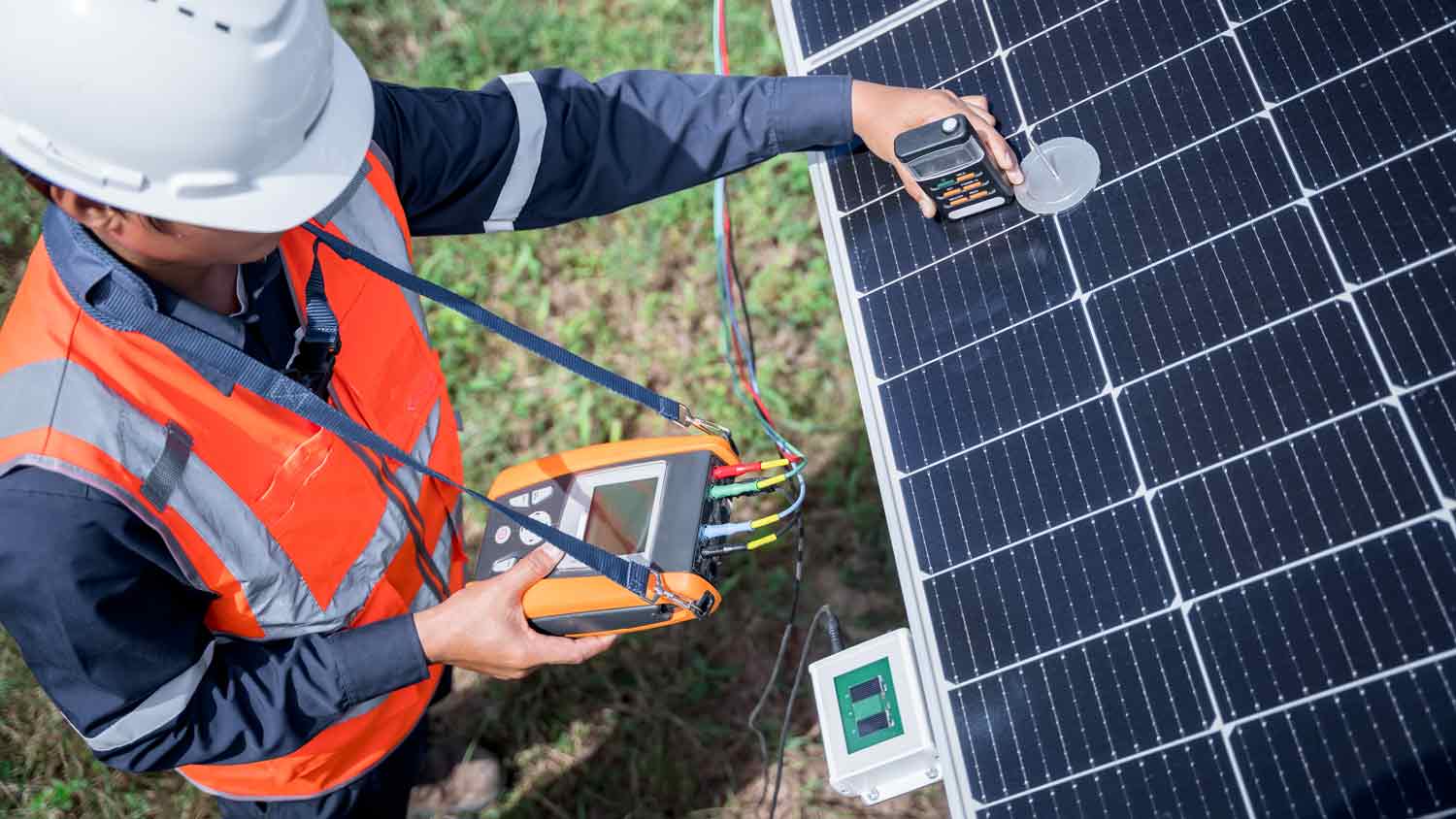
Discover the average solar panel inspection cost, what impacts pricing, and how to save. Get expert tips to keep your solar system efficient and safe.
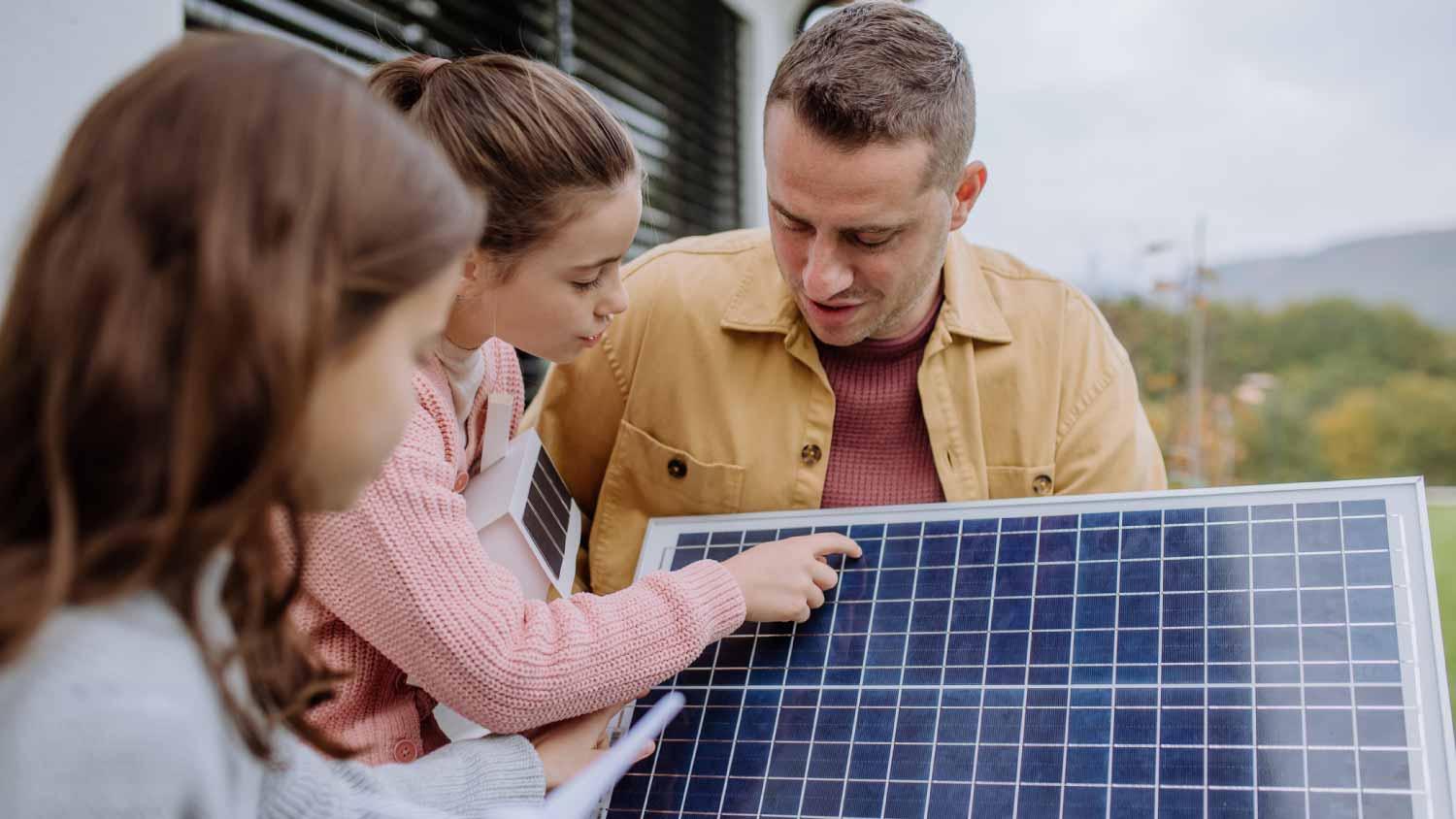
Residential solar panel dimensions can vary slightly from brand to brand, but this guide can help you understand the basics and choose the best option.
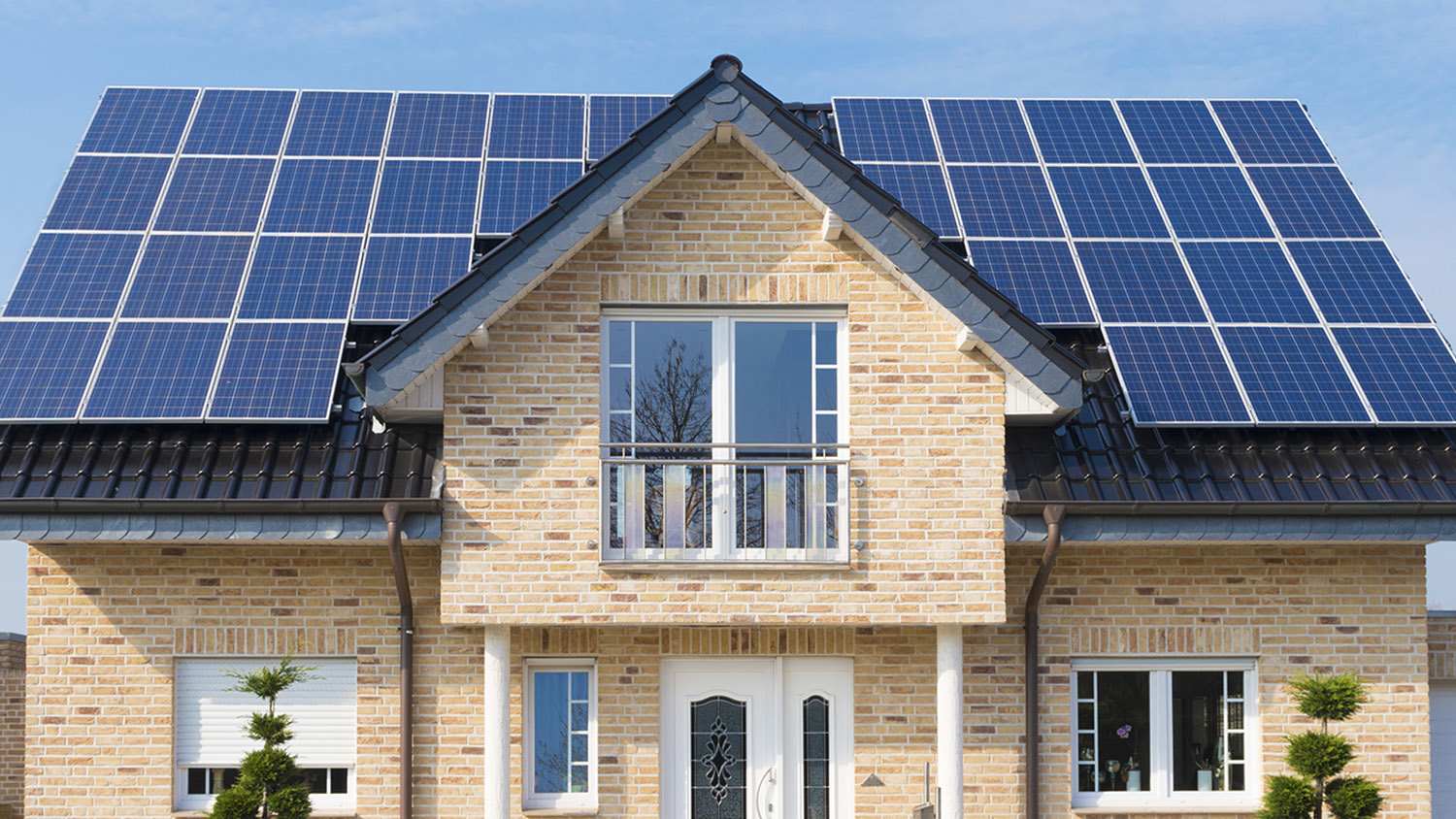
There are three types of solar panels: monocrystalline, polycrystalline, and thin-film. Before choosing one for your home, here are the pros and cons of each.
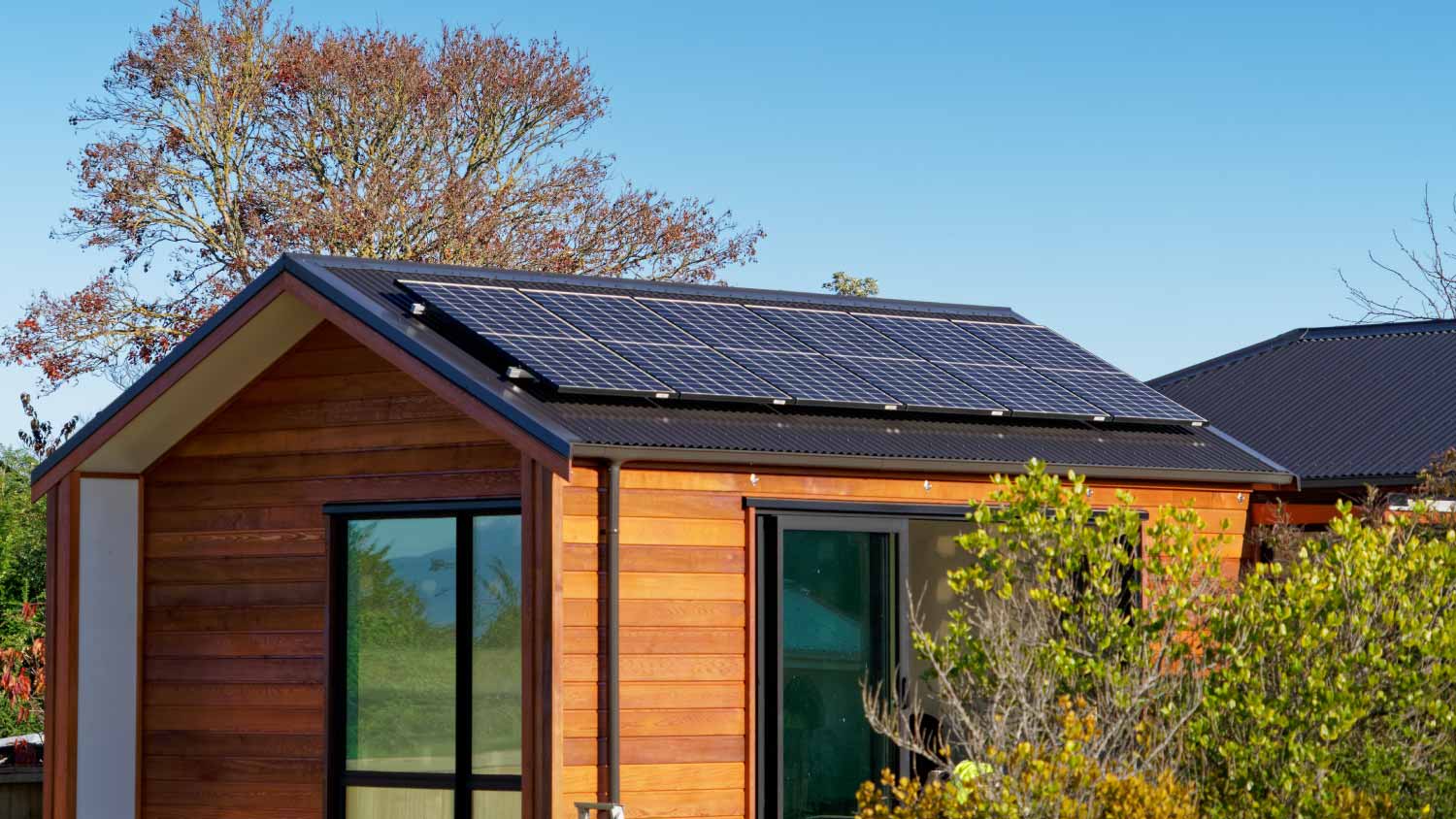
Planning to install solar panels? You’ll need a solar inverter. Follow this guide to calculate the best solar panel inverter size for your system.