
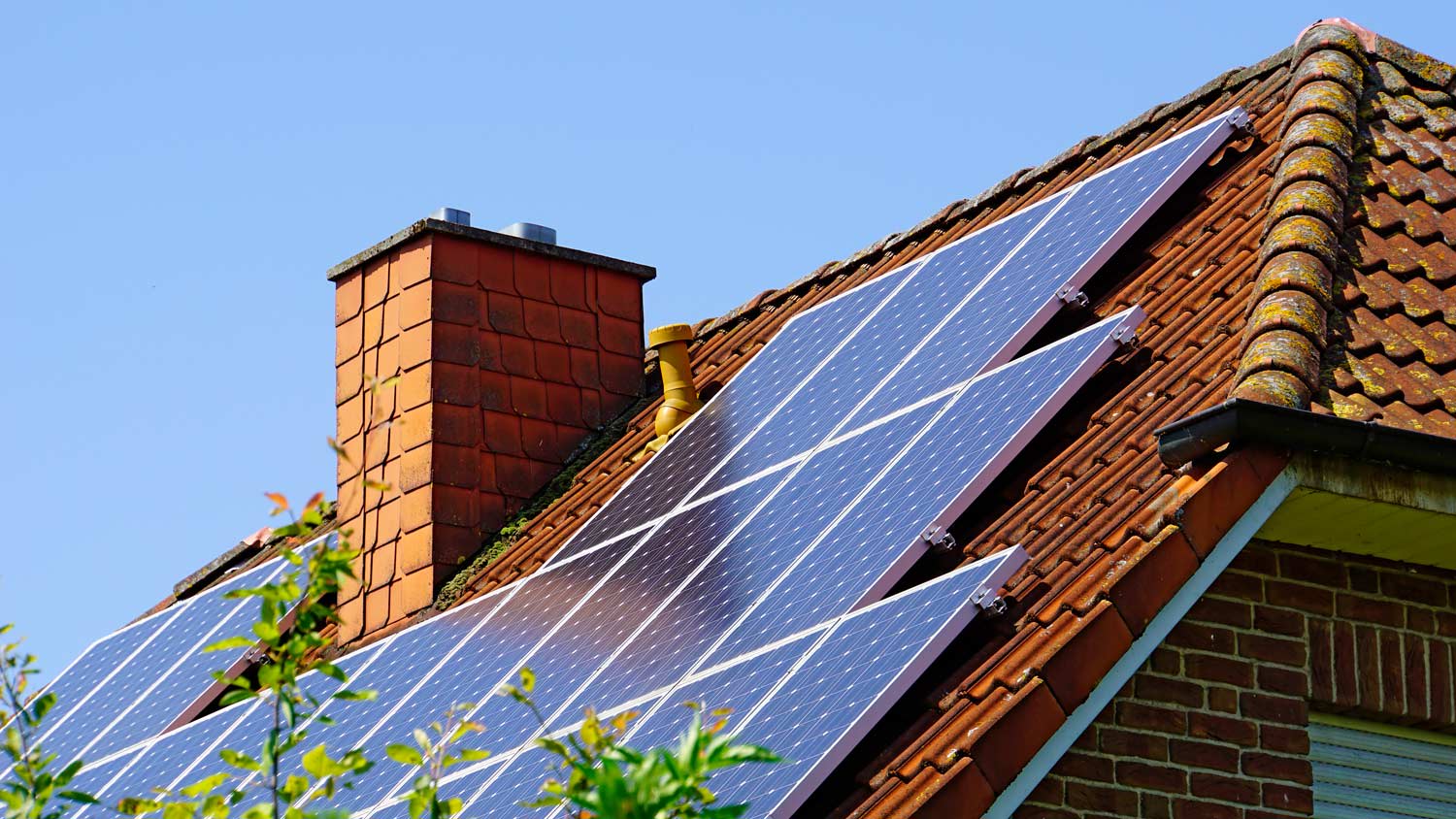
•
Discover the average solar panel installation cost, key price factors, and expert tips to help you budget for your solar project.
Maximize the potential of your solar energy array

Series or parallel solar panel wiring changes your system output, so your series wiring multiplies voltage while your parallel wiring increases amperage.
Your series-wired panels pair best with maximum power point tracking (MPPT) controllers, while your parallel-wired panels match pulse width modulation (PWM) controllers.
Your wiring choice depends on shade and consistency, since series wiring drops output from one shaded panel while parallel keeps the others producing.
Hiring a local solar panel installation professional keeps complex wiring decisions straightforward, helping you match your system design to your home's unique conditions.
Wiring your solar panels in series is best for systems receiving direct sunlight while wiring in parallel is best for consistent output. Fortunately, you can have the best of both by combining these principles. Determining whether to wire solar panels in series versus parallel comes down to a few factors, including appearance, flexibility, ease of installation, and reliability.
Wiring solar panels in series multiplies the voltage in the system without increasing amps. Wiring in parallel multiplies the amperage without affecting the voltage. Both options have pros and cons, and there are no wrong answers when deciding which is the right fit.
The best answer depends on your system's equipment and the sun exposure it gets. Factors like installing your solar panels on the roof versus the ground can affect how you wire the panels. If you’re unsure how to proceed, a local solar panel installer can assess your roof and make a recommendation.

A solar panel's energy output comes through a positively and negatively charged terminal. Wiring in series means connecting the positive outputs to the negative ones when more than one panel is involved. This wiring system increases the voltage output for the entire string by adding each panel's voltage to the sum without increasing the amps in the system.
For example, wiring two 10A-40V panels in series will produce a single 10A-80V output. The output works best with maximum power point tracking (MPPT) charge controllers that require a minimum voltage to operate effectively.
| Pros | Cons |
|---|---|
| Simple wiring is easier for DIY installations | Requires a more expensive MPPT charge controller |
| Uses fewer and smaller gauge wires to transmit power | Shade on any part of the panel system reduces the output |
| Excellent for rooftop installations |
Best for:
Rooftop installations
Solar arrays with no shade issues
Charge controllers with high voltage capacity
Wiring solar panels in series is a simple matter of connecting the positive wires to the negative ones all the way down the line and into the charge controller. This makes DIY installation and adding panels to the system more straightforward, at least from a wiring perspective. Because smaller gauge wires are sufficient for low-amp electricity transmission, series wiring is suitable for rooftop solar panel installations where the current has a long way to travel before entering the home.
Your solar panels need direct sunlight and consistency to maximize output when wired in series. Series wiring means that any deficiency in a single panel will reduce the voltage output of the entire system, much the same way that old Christmas light strings go out when a single bulb fails. Additionally, the MPPT controller necessary to maximize series-wired panels is more costly than a pulse width modulation (PWM) controller for use with parallel-wired systems.

Parallel wiring of solar panels involves connecting positive terminals to positive and negative to negative. The system increases amperage with each added panel while the voltage remains unchanged. For example, wiring two 10A-40V panels in parallel will produce a single 20A-40V output, which works best with low-cost PWM charge controllers.
| Pros | Cons |
|---|---|
| Works well in partially shady locations | Complex wiring and additional equipment are necessary |
| Allows faster charging times under optimal conditions | Large wire demands can limit installation options. |
| Works well with lower-cost PWM charge controller | Low-light conditions can limit system output |
Best for:
Solar arrays where partial shade is an issue
Where shorter daylight hours exist and speedy charging is necessary
Solar arrays located close to where the energy is consumed
Parallel-wired arrays can have shade on one panel without affecting the output of the rest. This makes parallel-wired systems excellent for use on properties with trees or other obstructions that change the sunlight's dynamics throughout the day. Because of the higher amperage in the system, panels wired in parallel are capable of charging batteries rapidly and doing so with low-cost, simple PWM charge controllers.
Parallel-wired solar panel array output can be severely limited during low-light conditions or if the direction the solar panels face doesn't line up with the direction of the sun. Additionally, because of the high amperage, thick wires are necessary to transmit power, and wiring is more complex when done in parallel. Additional equipment and adapters will be necessary.
Deciding whether to wire your solar panel array in series or parallel will hinge on one or more of the following factors.
Regardless of how you wire them, you can always increase your solar energy system's power by adding more panels. While the wiring is less complex and costly with a series-wired system, the effectiveness remains the same in both scenarios. This category is a tie because parallel-wired systems are more effective in partial shade, while series-wired ones are better in full-sun conditions. The difference is more related to your situation.
Series-wired panels have a slight advantage when it comes to appearance. Because the wires can be smaller and longer, hiding a solar energy system on a roof is easier, and the wires are less noticeable.
Despite the need for larger-gauge wires and reduced effectiveness in low-light conditions, parallel-wired systems are better for flexibility where placement is concerned. Shady spots on your solar panel array only impact the output of the affected panel, making it the preferred choice for properties with trees or obstructions.
Both parallel-wired and series-wired systems come with cost advantages, depending on the sunlight conditions in your location. While wiring is more costly for parallel systems, the PWM charge controllers needed are less expensive than the MPPT controllers necessary for series-wired systems.
Series-wired systems are easier to install and work on because of the simplicity of the wiring. However, because many series-wired systems are on rooftops, the best roof pitch for solar panels may not be the best for DIY work due to safety issues. On the other hand, many parallel-wired systems are on or at ground level. Still, the complex and thick-gauge wiring makes them more challenging for DIYers to deal with.
The energy output reliability for any solar energy system relies on sunlight availability. While parallel-wired systems are more reliable when shade is an issue, the best solution for large arrays combines series and parallel. In this scenario, groups of panels are wired in series and connected, in parallel, to another group to combine the best reliability features of both systems.
1 tree was cut down and 5 others including a large willow tree were trimmed. The Grant Tree Service men were professional and cleaned up afterwards. The cost of the 6 trees were affordable. I am very happy with the results. I would hire them again.
 Grants Tree Service
As usual with ECO, tech Jordan was outstanding, very professional, very knowledgeable, and very thorough with repairs made to tankless water heaters. Very highly recommend ECO!!!
 Eco Plumbers, Electricians, and HVAC Technicians
I conferred with 2 other contractors before Armstrong Electric. Nick and his crew showed me that the project was not as convoluted as the other contractors made it appear to be. They completed the entire project on time. They were professional, friendly and cleaned up after at completion. I...
 Armstrong Electric LLC
Window Depot did an amazing job on my deck. I wasnt sure what I wanted to do, but their composite decking was affordable and will last a long time. I am excited to have family over, and I am no longer embarrassed by my backyard. Jeff and the ground crew were polite, respectful, and caring for...
 Window Depot USA of Central Ohio
The techs on my project, Shawn and Cliff, were great. They were prompt, courteous, and efficient. I am very happy with the results and would definitely contact Mr. Electric for any future electrical projects.
 Mr. Electric of Columbus
Wonderful. I am going to have them remove and replace my driveway in the spring.
 All Star Paving and Sealing
Look forward to them getting started in our basement here soon. Extremely professional, very detailed and was a pleasure to have around. Anything we needed to work on or change in the middle of the project, they were open and willing to work with me.
 Jones & Sons Construction LLC
Did an amazing job transforming my yard. Also installed sod in places, would recommend to everyone.
 Cardinal Landscaping & Construction LLC
Manuel Calvillo is the best option in the area for roofing and you won't be disappointed.
There were some unsatisfactory issues with the product quality, no fault of Panel Town. They were handled quickly and professionally and in the end, exceeded my expectations. I believe that is a measure of a quality merchant. <br />
From average costs to expert advice, get all the answers you need to get your job done.
Discover the average solar panel installation cost, key price factors, and expert tips to help you budget for your solar project.
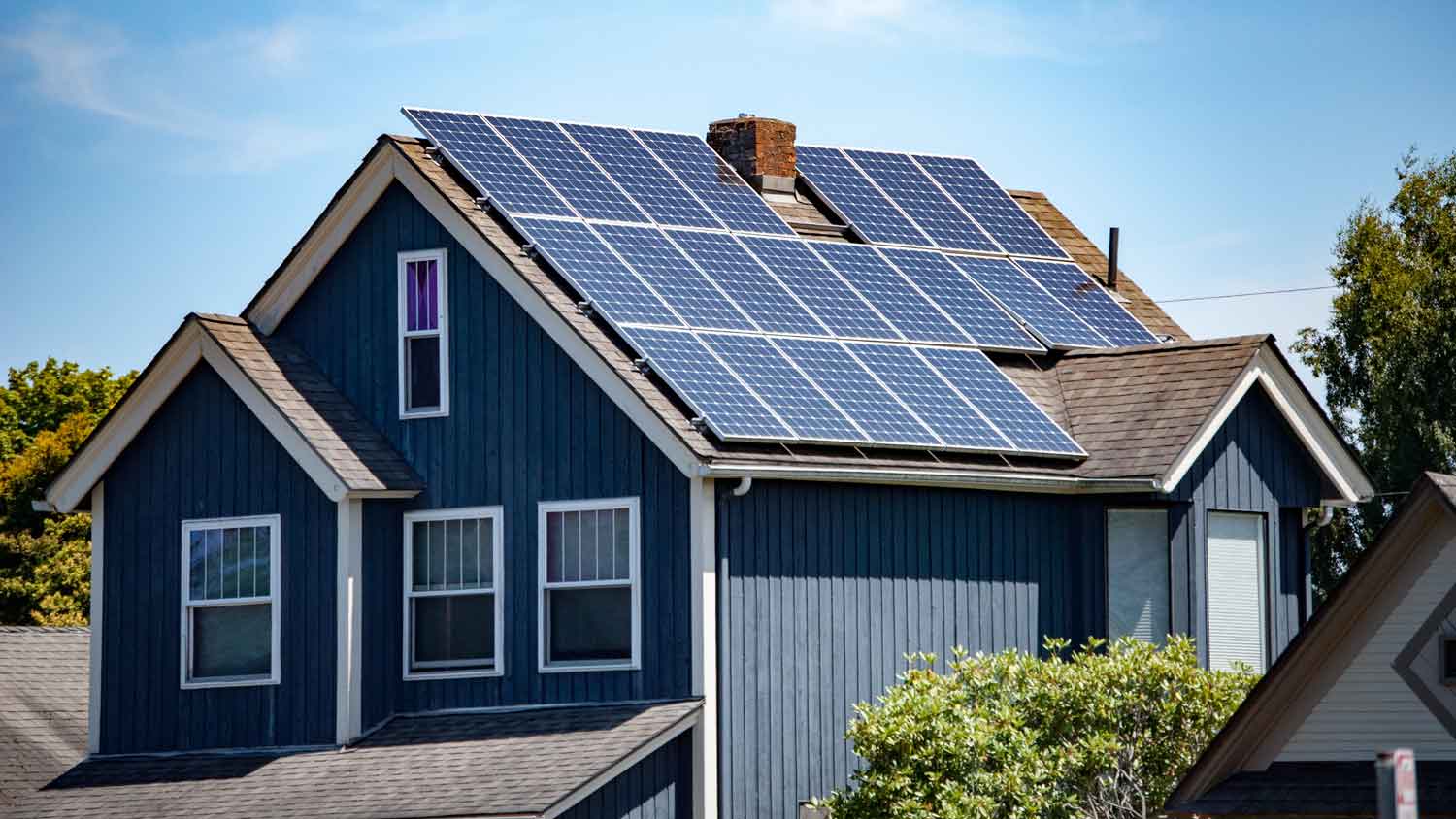
Discover solar panel maintenance costs, including average prices, cost factors, and tips to save, empowering you to keep your solar system running efficiently.
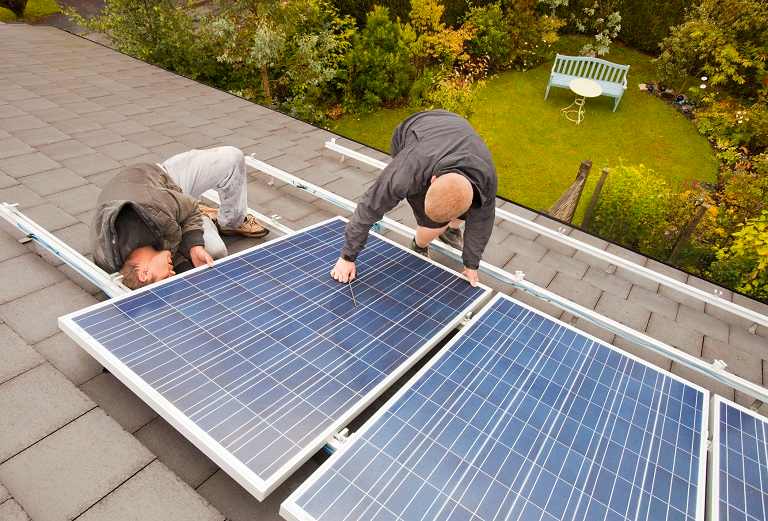
There are a few factors to consider when it comes to solar panel repair costs. This guide breaks down the prices of solar panel removal, repair, and replacement.
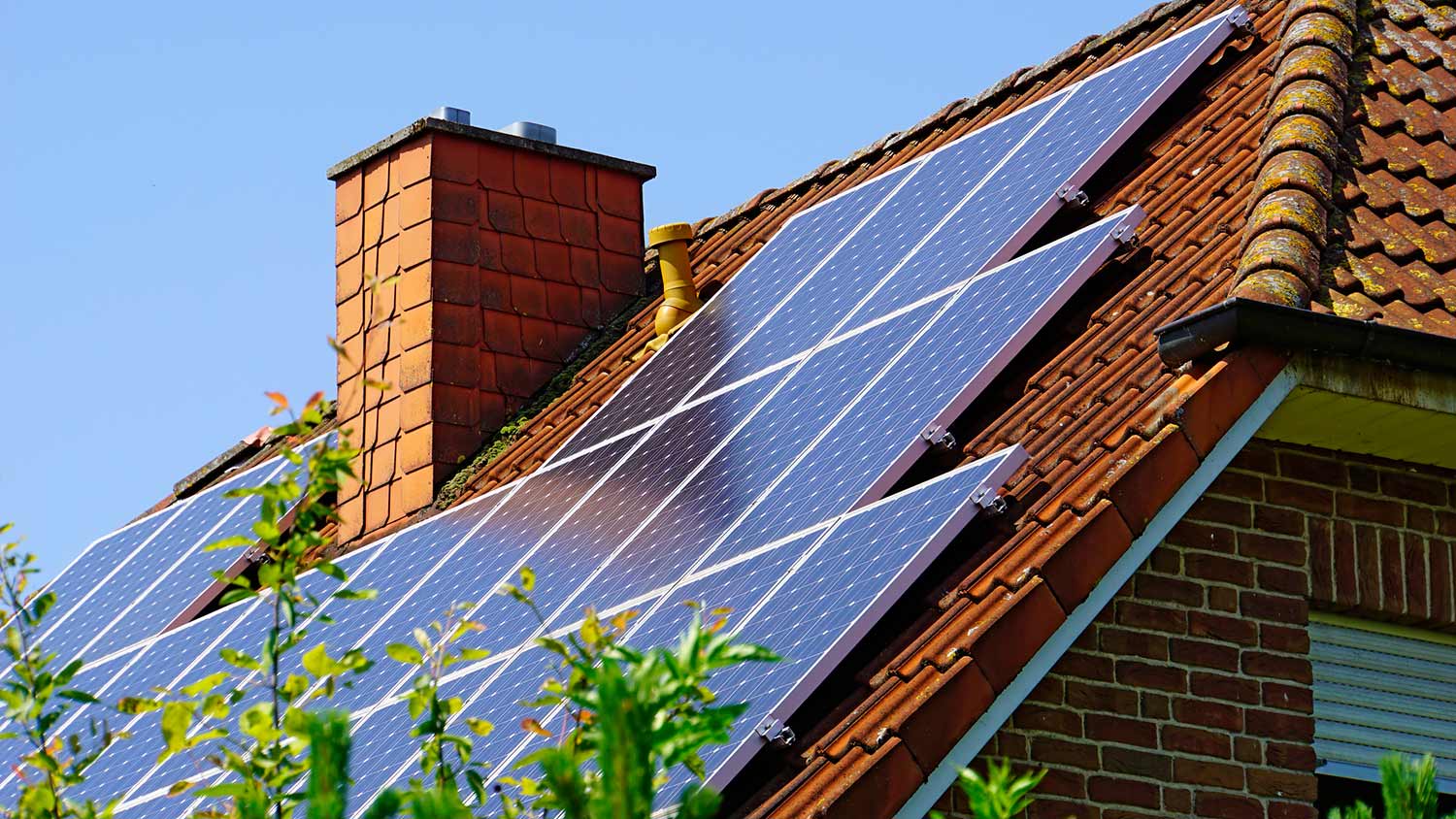
If you’re making the switch to solar energy, you’ll want to know the difference between solar panels versus solar shingles. Here are the pros and cons of each.
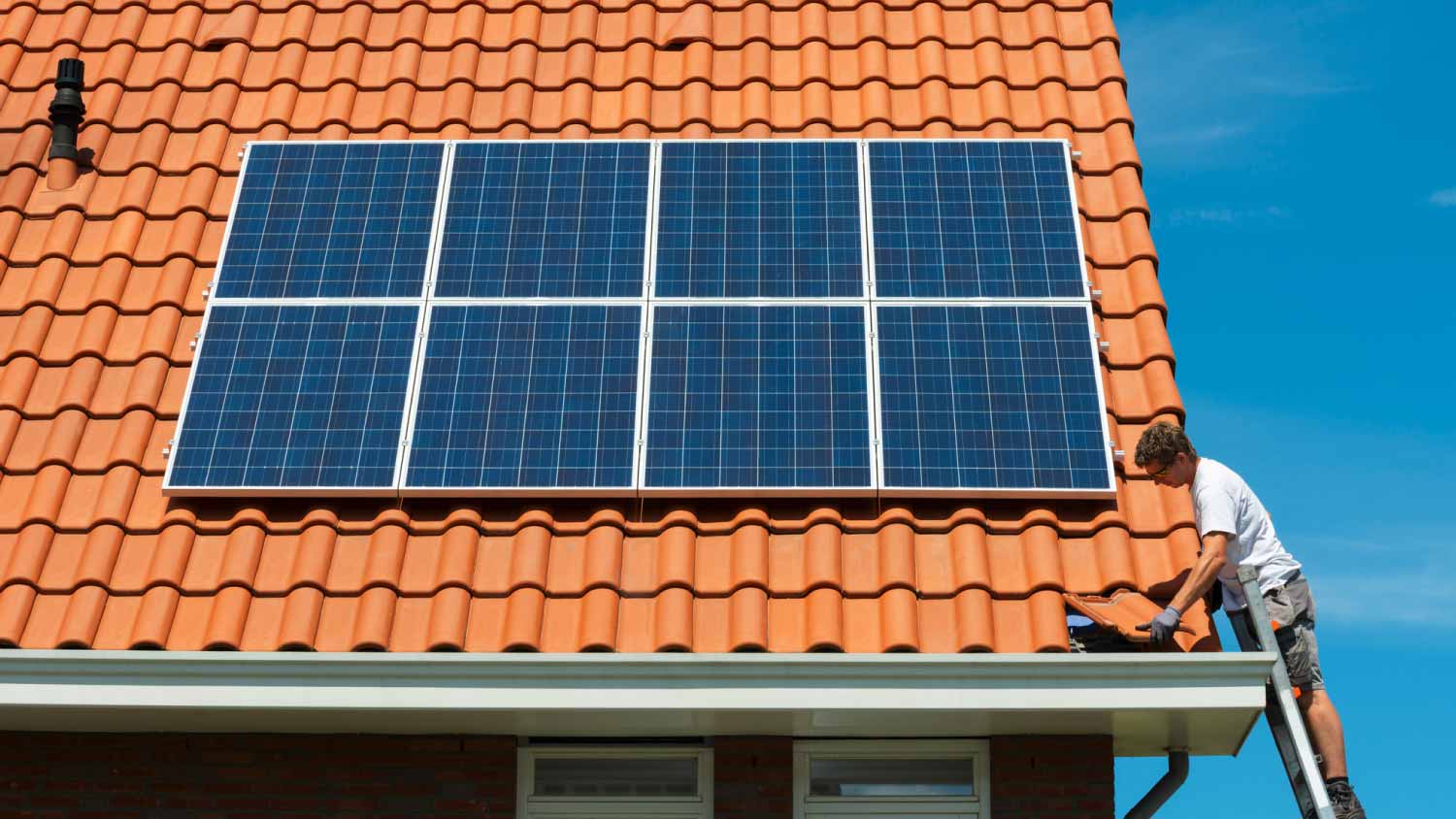
Installing solar panels helps you save on energy bills while adding value to your home. Here’s a look at solar panel ROI and what makes them attractive to buyers.
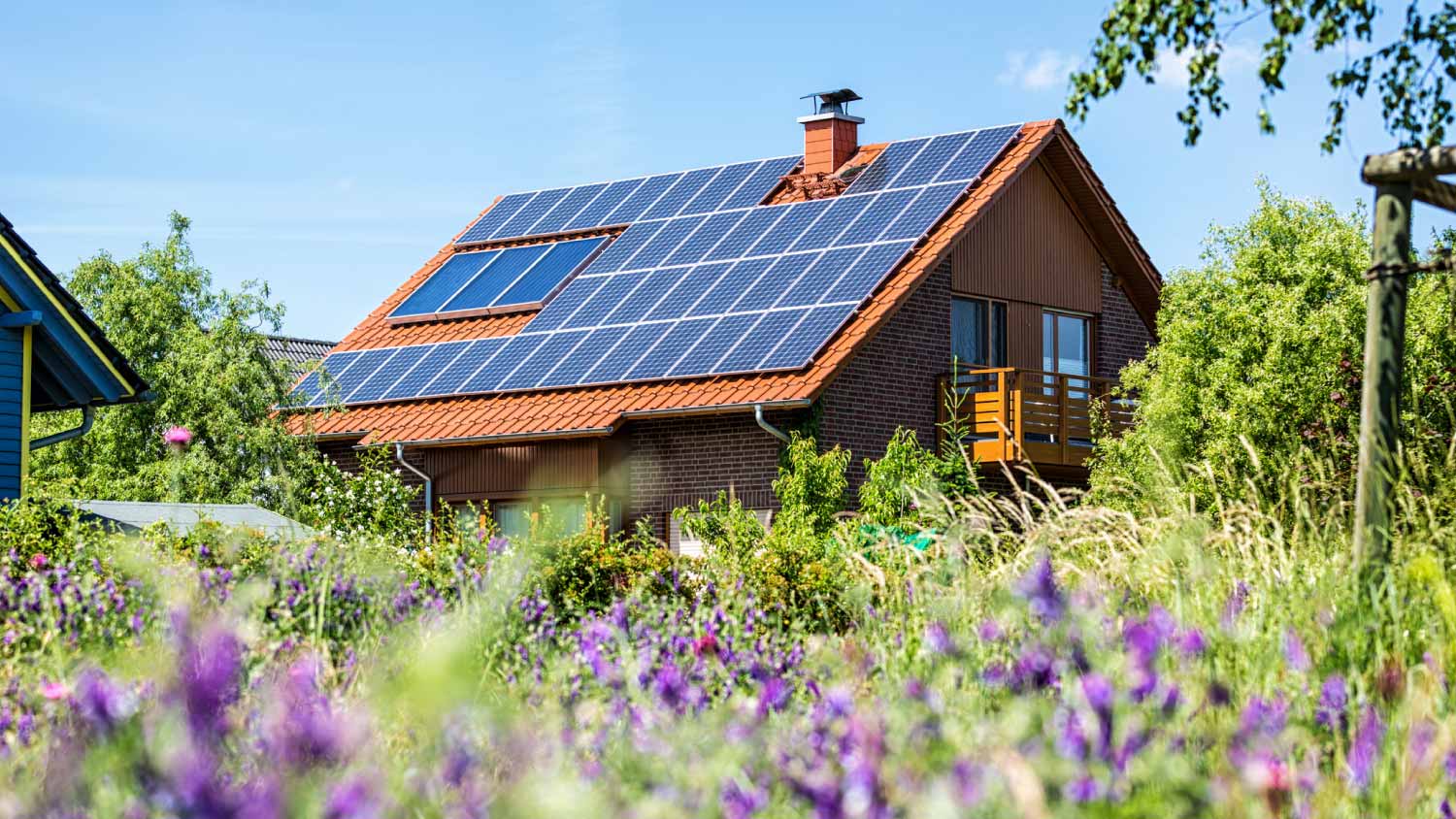
What direction should solar panels face? South-facing panels work the best in the U.S., but that’s not the only option. This guide will help you decide.