
Looking to spruce up your outdoor area? Learn how much paver sealing and cleaning costs in Indianapolis, IN, and what factors to consider when budgeting.
Seal the deal on the question between oil and water driveway sealers with this rundown

Oil-based driveway sealers penetrate deeper into asphalt and last up to six years, while water-based sealers sit on the surface and need reapplication every two years.
Removing old oil-based sealer costs $1 to $3 per square foot before recoating, while water-based sealers let you recoat directly over the existing layer without removal.
Your choice depends on priorities: oil-based sealers suit longevity and cold climates, while water-based options work best for quick drying, low odor, and eco-friendly needs.
Hiring a local asphalt company keeps your driveway sealed correctly and helps you choose between oil-based and water-based products based on your climate and maintenance preferences.
If it's time to seal your driveway, you're facing the question of water-based vs. oil-based sealer for a driveway. While both can offer strong protection against wear and tear and the elements, everything from drying time to longevity can be different. Is an oil-based driveway sealer better if you don't want to get stuck frequently redoing this project? Check out the big difference between water and oil asphalt sealers to lock in your decision.
Sealing your driveway is the best way to get your money's worth after paying the average asphalt driveway cost of $3,124 to $7,377. Which option does it best? Water-based and oil-based sealers both serve as protective coatings that shield your asphalt against rainwater, chemicals, and ultraviolet (UV) rays. However, they have different compositions that could impact their performance in specific conditions and environments.
Considered the more natural choice, water-based asphalt sealers are made using a mixture of water, limestone, and other organic fillers that are bound together with polymers to create a thick, smooth consistency that sticks easily to asphalt surfaces. By contrast, oil-based driveway sealers are made of a mix of petroleum solvents, asphalt binders, polymers, and other additives.
| Oil- vs. Water-Based Sealers | Oil-based | Water-based |
|---|---|---|
| VOC Content | High | Low |
| Odor | Strong | Low |
| Ease of Application | Easier | Moderately hard |
| Drying Time | Up to 10 hours | Less than three hours |
| Curing Time | 24–48 hours | 12 hours |
| Cleanup and Disposal | Challenging | Easy |
| Recoating | More difficult | Easy |
| Longevity | Up to six years | One to two years |
| Appearance | Shiny and smooth | Rougher |
| Traction | Slick | Gritty |
Like most homeowners, you may be worried about sealers leaching into the ground on your property. You might also have concerns about coming into contact with sealer fumes during application. Here's a look at how water and oil sealers compare.
In general, oil-based driveway sealers have higher levels of volatile organic compounds (VOCs) compared to water-based products. In addition to harming the environment, higher VOC levels come with risks of poor air quality at your home. This is where being an educated shopper counts! You can shop for oil-based driveway sealers that are marketed as being eco-friendly or low-VOC products. However, water-based driveway sealers win if you're looking for the more environmentally friendly option.
Oil-based driveway sealers can emit stronger odors during application. If you're sensitive to fumes, this could make application difficult. Always wear appropriate protective gear when applying any kind of sealer. If you determine that oil is the right way to go for your driveway because you're prioritizing longevity, hiring a company that handles professional asphalt sealing can help you avoid exposure to fumes.

Is it easier to apply water or oil driveway sealer? While one offers a quick application process, another is easier to clean up. Here's how they stack up.
The smoothness of oil-based sealers makes them easier to apply than their water-based counterparts. Oil-based sealers generally spread easily to allow you to fully cover the surface of your driveway without a lot of skill. Overall, this makes application both faster and cleaner. The thicker consistency of water-based sealers can make application "goopy" compared to oil products. In addition, the quick-drying nature of water-based products leaves less room for going back to correct mistakes.
Overall, waiting times are significantly shorter with water-based sealers. Water-based sealers tend to dry much faster following application than oil sealers. Freshly applied water-based sealer will usually dry anywhere from 10 minutes to three hours after application. However, curing times can last several hours. You can generally drive on a driveway that's been sealed with a water-based product in just 12 hours. By comparison, an oil-based sealer can take up to 10 hours to dry. It will be another 24 to 48 hours before the sealer is cured to the point that you can bring a car on the driveway.
Designed to be water-soluble, water-based sealers only require water for cleanup. If you see any stubborn spots, mild soap should be enough to lift them. In addition, water sealers can generally be tossed in the regular trash. Just be sure to read the manufacturer's instructions for disposing of any water-based sealer you use beforehand.
Oil-based sealers generally require more vigorous cleanup. In addition to water, you may need to use a heavy-duty cleanser. You may also need to use a stiff-bristled brush to scrub away remnants. In general, unused oil-based sealer cannot be thrown in the regular trash. Based on the ingredients, you may need to follow your town's procedure for disposing of household hazardous waste when discarding a container that still has some product in it.
If you need to recoat your driveway in a few years, a new water-based sealer can typically be easily applied over an existing coat. Depending on the condition of your driveway, the existing layer of oil-based sealer may need to be removed before the surface can be recoated. On average, companies charge $1 to $3 per square foot to remove old sealant.

Which option lasts longer, performs better, and looks the best? While both can create safe and attractive driveways, differences in composition between water-based and oil-based products can create some differing results as time goes on.
Is oil-based driveway sealer better for longevity? In general, homeowners can expect to get many more years out of each application when choosing oil-based over water-based driveway sealers. With the average driveway needing to be resealed every three to five years, an oil-based product's six-year average lifespan will put you slightly over that mark. Meanwhile, water-based sealers may need to be reapplied as frequently as once every two years to ensure that your driveway stays protected.
Oil-based sealers last longer because the oil within them creates a flexible barrier that can ebb and flow with the expansions and contractions that occur with temperature changes throughout the year. This makes oil an especially good choice if you live in a colder climate that experiences a frequent freeze-thaw cycle.
When comparing water-based vs. oil-based sealer for driveways, products containing oil are necessary if you want that rich, shiny, and smooth finish that makes a driveway look like a mixture of freshly poured lava and velvet. Oil sealers produce a darker, glossier finish compared to water-based products. That extra coat of shininess helps to keep driveways looking newer for longer. While driveways sealed with water-based products can certainly look beautiful, they tend to have a duller finish. If you're not sure which option is ideal for your driveway, a local asphalt company near you can provide a recommendation to help you balance your desire for a safe, eco-friendly option with the practical need for longevity.
Oil-based sealers can leave slicker results than water-based sealers. Many water-based sealers for driveways are blended with sand to create a slightly grittier finish. If you're worried about slips and falls on your driveway, water-based products may make it safer.
Archie did a good job cleaning up the driveway before he laid down the sealer. It looks good. He was gracious and even helped me bring up my groceries. His rate was comparable to another company who came out to give me a quote and he talked to me personally rather than just text me a quote...
 Pro Seal Roofing & Paving
D1 Roofing delivers outstanding service from beginning to end, backed by a strong warranty and expert teams. I highly recommend them for their excellence in meeting and surpassing expectations with unmatched communication. Choosing D1 Roofing was flawless decision
 Division 1 Roofing LLC
This company went above and beyond with their work, chimney sweeps are usually pretty messy, but the clean up was spot on.!! Josh explained every thing that he was doing, and the things that he was checking to make sure the chimney was safe for me and my family. He was very professional,...
 Supreme brick & chimney
Our homes curb appeal skyrocketed thanks to Custom Paint Jobs LLC s exterior painting.
 Custom Paint Jobs, LLC
Very well! Two men came to do the work. They were both polite, punctual and professional in manner. When they finished, Cameron explained about preserving an asphalt driveway, as I had never had one in the past. I will definitely be calling them in the future.
 All Star Paving and Sealing
Fantastic! Top Line was early for the appointment and very knowledgeable and took time to explain everything they had found during the home inspection. The report included clearly defined issues and what they recommended to remedy the same. The report also included many pictures to help...
 Top Line Home Inspections, LLC
Working with Peter and his crew was a breeze. They were exceptionally polite and did a neat job to repair and seal our driveway. I will definitely talk to them first for additional work.
 Central Paving
The preformed a really good job the staff is incredible never been so happy with my home, A brand new driveway is like a face lift!!
 Pristine Paving
Called Mark on a Thursday morning. Not really knowing if he could help me or not. I was having driveway, flooding issues due to a clogged channel drain and I was trying to figure out what direction to take. Heavy rains had come on Monday and again on Thursday leading to flooding in my garage...
 Mark Rodgers Construction
Had already met with 2 other contractors before Blue Ring, and Blue Ring's price quote for the work was better than either of the other 2, and the came out the next morning and cleaned up a very large fallen tree branch from a storm that was blocking my driveway. Work was completed in...
 Blue Ring Residential Services, LLC
From average costs to expert advice, get all the answers you need to get your job done.
Looking to spruce up your outdoor area? Learn how much paver sealing and cleaning costs in Indianapolis, IN, and what factors to consider when budgeting.
Use our guide to calculate the cost to seal an asphalt driveway. Prices vary based on the type of sealant and the size of the driveway.
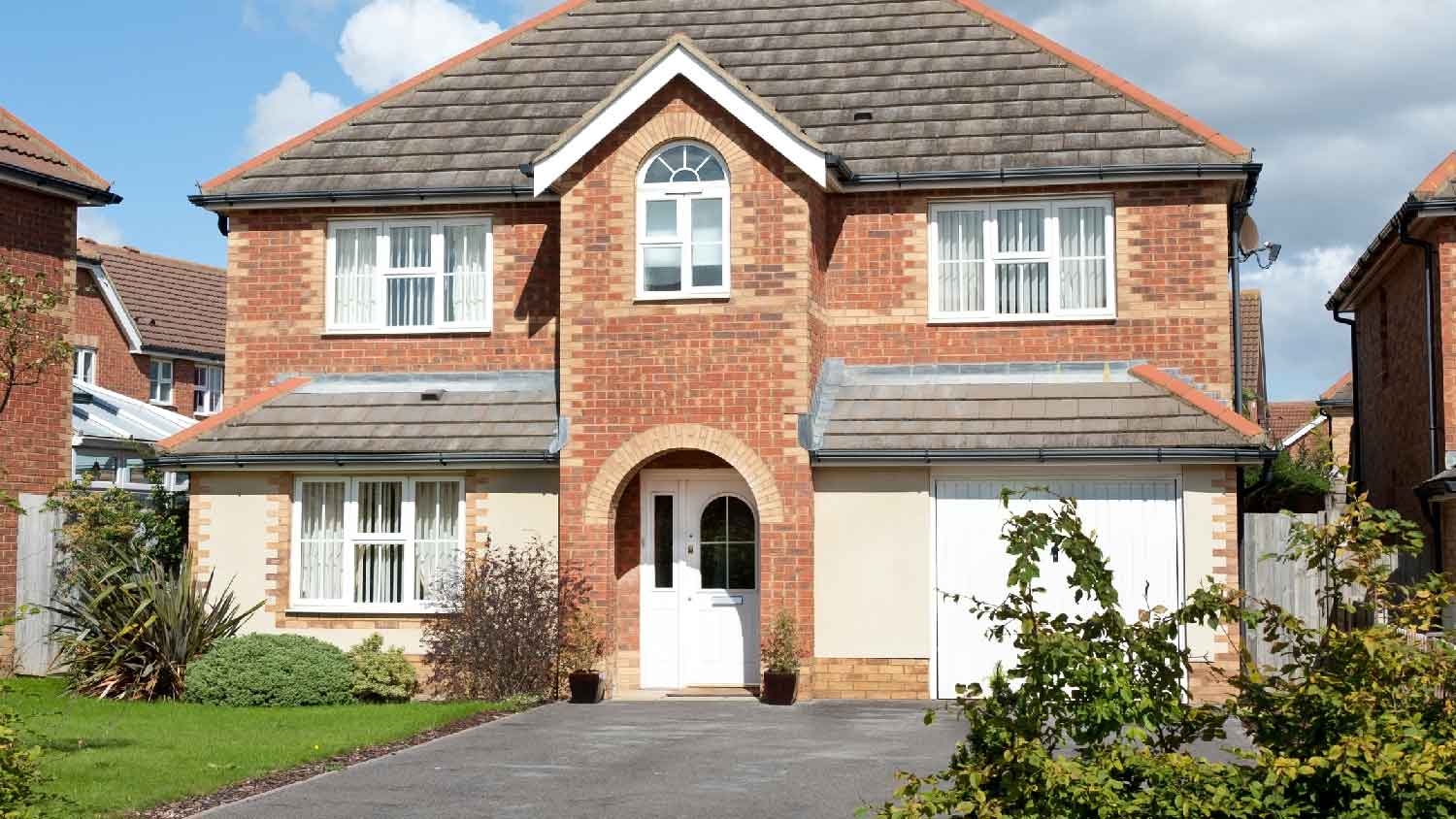
If you need to remove old asphalt before putting down a new driveway, the cost will vary based on the size of the driveway you're removing, the method used to remove asphalt, and whether you hire a pro or try DIY asphalt removal.
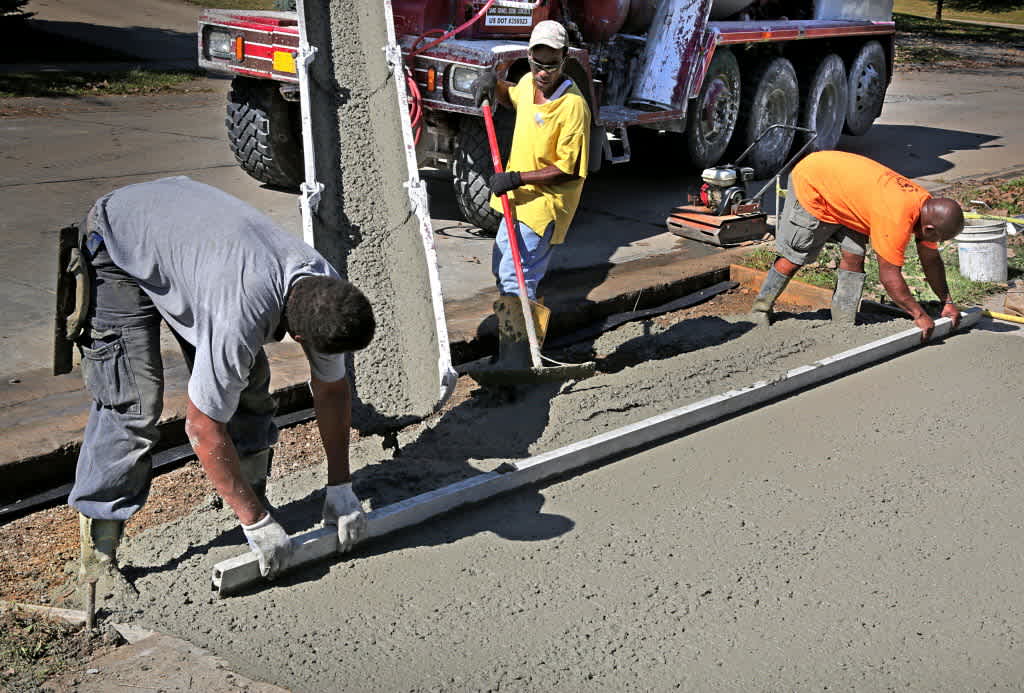
Learn how to choose the best driveway sealer based on driveway type, longevity, and cost.
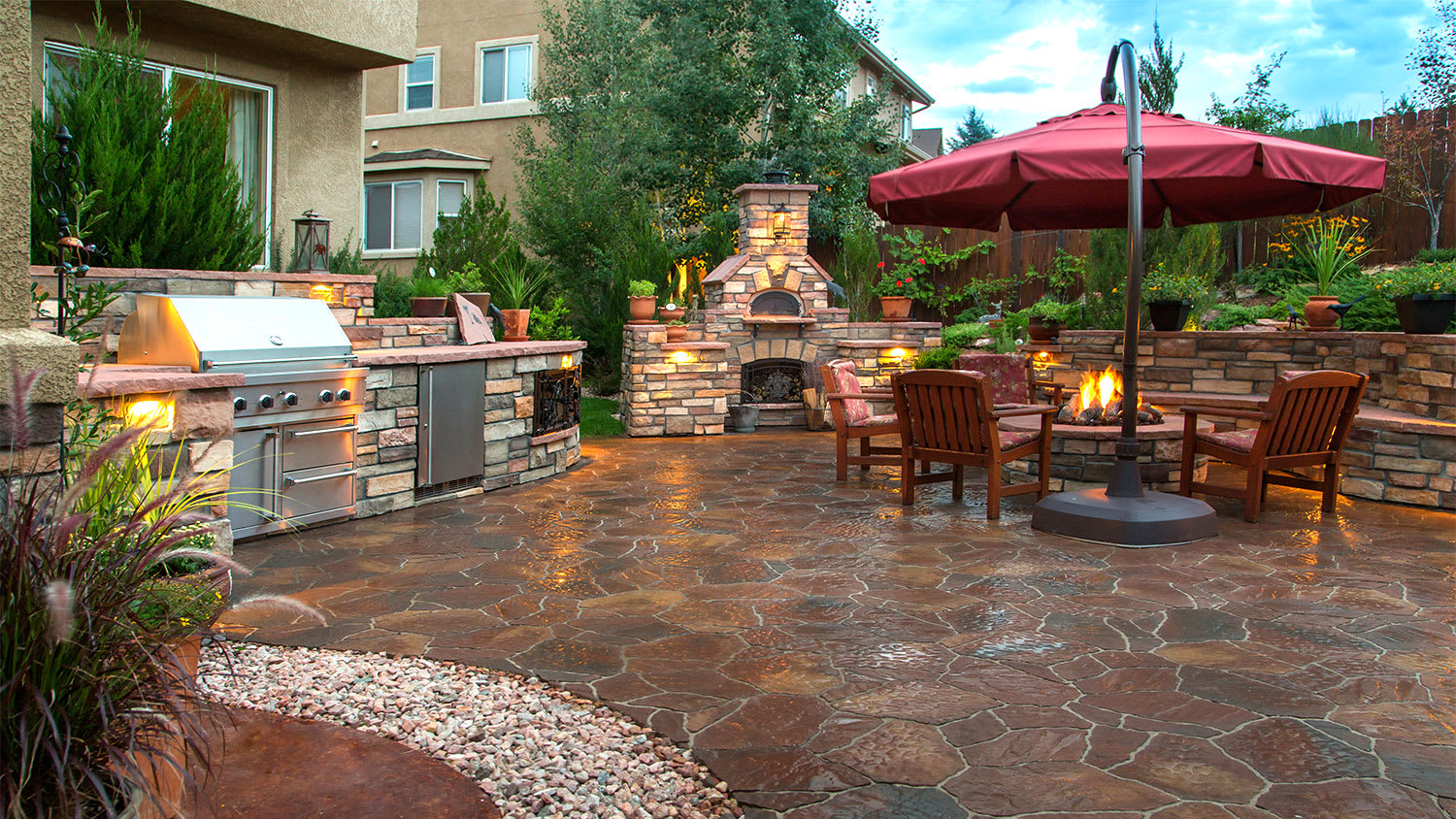
Knowing what types of concrete sealers to use on a driveway or patio can be challenging, but we’re here to help. Learn how they work and which one might be best for you.
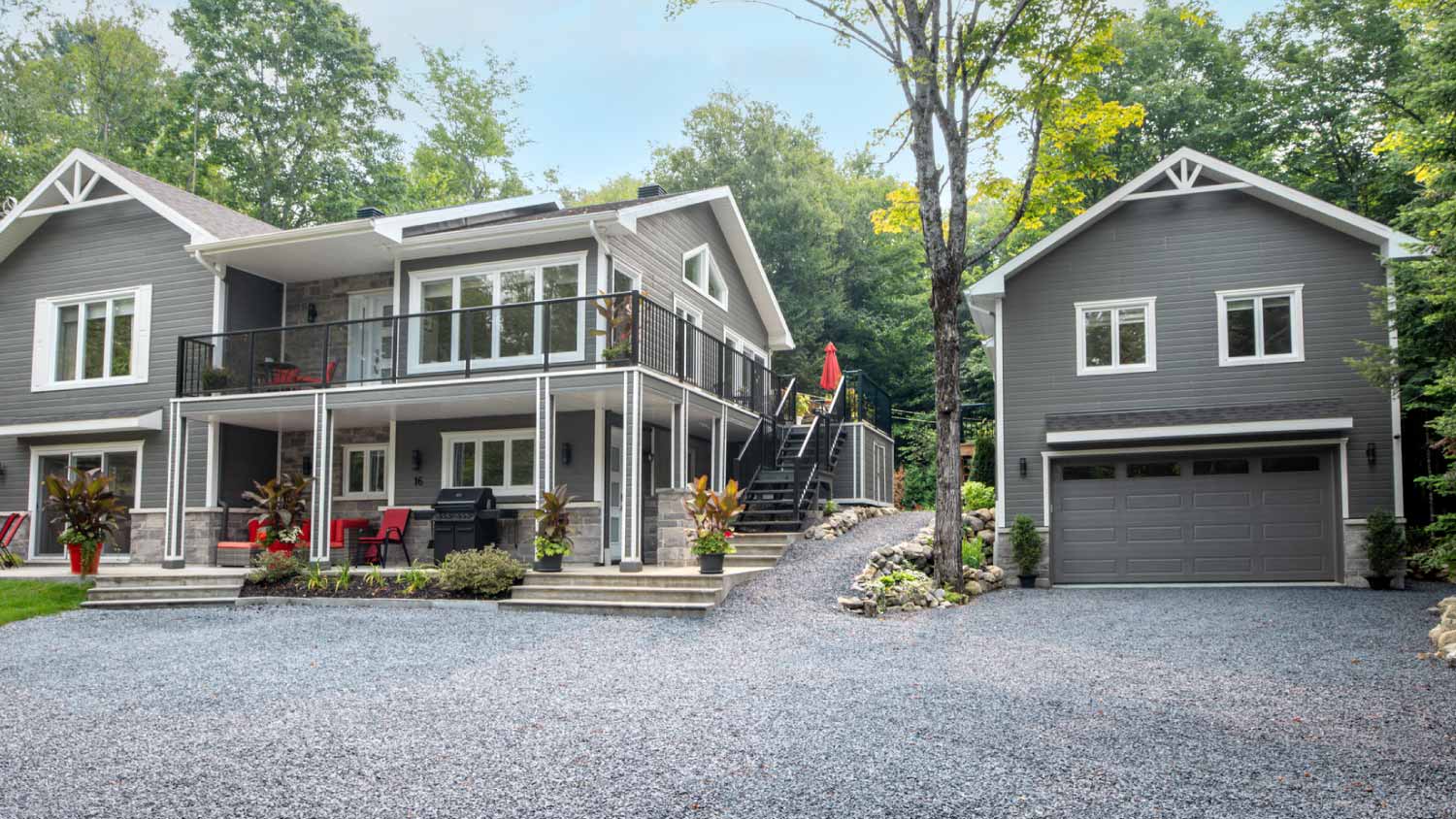
The average driveway coating takes between 30 minutes and eight hours to dry, but weather and sealant type can influence the dry time. Read on to learn more.