
From leg count to diet and habitat, discover the key differences between centipedes vs. millipedes in this quick comparison guide.
Learn how to spot the differences in these leggy lurkers

Knowing the differences between a baby centipede and a millipede helps you identify which pest is in your home and what attracts them.
Millipedes thrive on decaying plants and organic matter, so clearing leaf piles and rotting wood from your foundation reduces their visits.
Centipedes hunt other insects, so reducing moisture in basements and bathrooms makes your home less inviting to them and their prey.
Hiring a local pest control professional provides reliable help when centipedes or millipedes become a recurring problem, keeping your home comfortable.
Millipedes and centipedes might look similar at first glance—long, many legs, and often found in damp spots—but they are different creatures. From the number of legs and body shape to diet, habitat, and lifespan, each has its own unique habits and adaptations. Knowing how to tell centipedes and millipedes apart can help you understand their role in the ecosystem and how to prevent them from coming into your home.
Millipedes and centipedes might both have a lot of legs, but that’s where the similarities end. Check out this table to see how they match up—from legs and color to diet and habitat.
| Type of Difference | Millipedes | Centipedes |
|---|---|---|
| Size | ½–4 inches | 1–6 inches |
| Color | Dark Brown/Black | Yellow, Brown, Orange |
| Number of legs | 4 Legs Per Segment | 2 Legs Per Segment |
| Diet | Decomposing Plants | Insects |
| Habitat | Outdoors | Indoors |

Although their similarities may deceive you, millipedes and centipedes have enough differences to easily tell them apart if you’re willing to get a closer look.
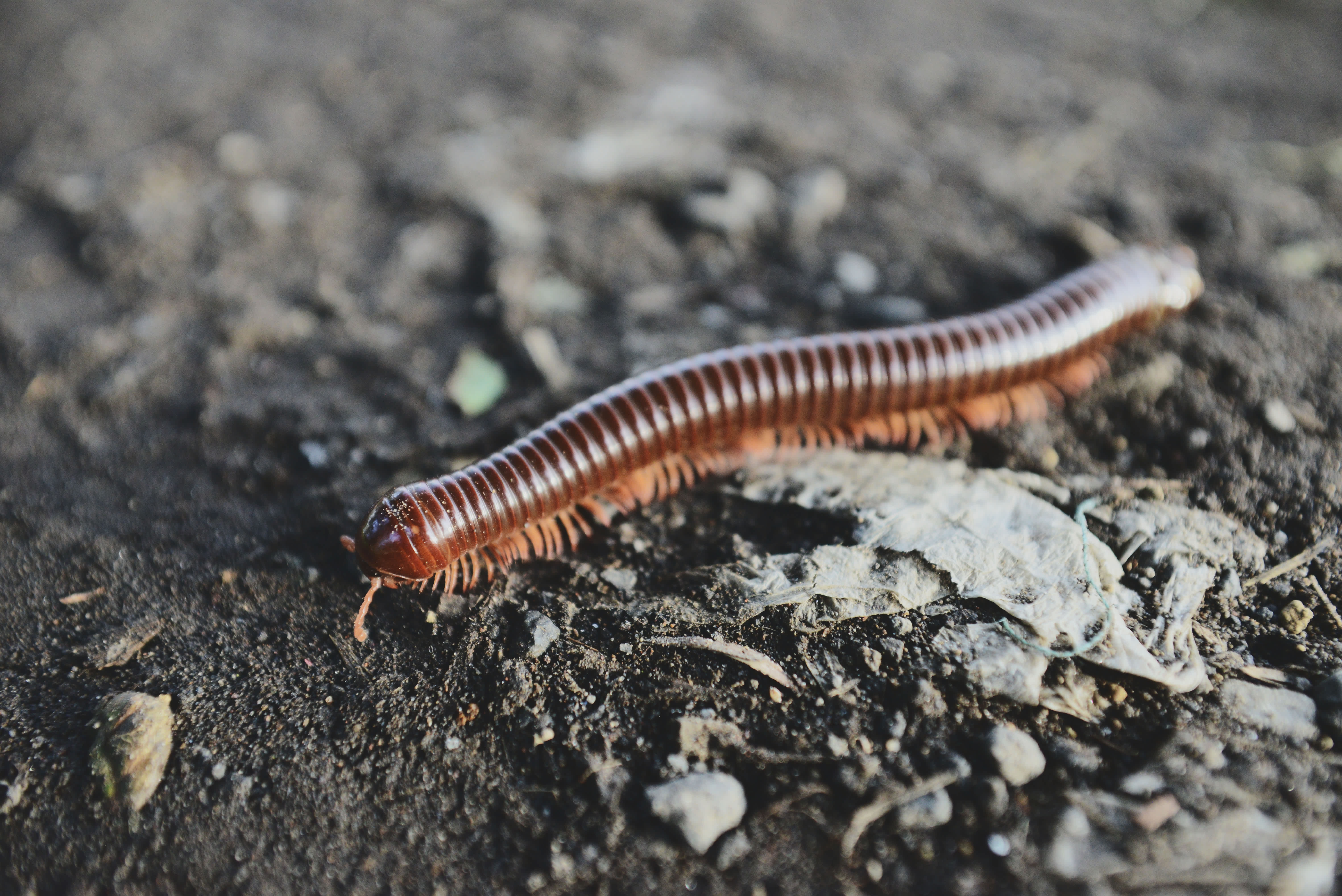
Millipedes tend to be on the smaller side, measuring from ½ to 4 inches, though some tropical species can grow as large as 12 inches long. Centipedes tend to measure around 1 to 6 inches long, so they’re the bigger insect between the two.
Both insects can be brown or black, but only the centipede can come in lighter colors, such as yellow and orange. Millipedes are more dark and earthy to help them blend in with their natural habitat, and sometimes even have ring-like patterns on the outside of their bodies. Centipedes are more varied in color and can have stripes or legs with contrasting colors.
Millipedes are rounder and thicker than centipedes, which have a flatter, slimmer shape than their counterpart. If you’re trying to identify a millipede from a centipede, the larger of the two is the millipede.
While both have a lot of legs, millipedes have 4 legs per segment while centipedes have 2 legs per segment. The location of their legs is also an identifying factor, as millipedes’ legs are tucked under their bodies as opposed to centipedes, whose legs are on the sides of each segment.
While centipedes feast on spiders, worms, and other insects, they paralyze first with their venom. Millipedes feast on decaying plants or other organic matter. They’ll occasionally partake in a live plant or roots, but mostly stick to organic debris, rotting wood, leaf piles, and fungi.
Millipedes prefer to nest in damp, dark spots like leaf litter, mulch, under logs, or rich soil where decaying plants abound. They stay put, quietly munching their way through nature’s leftovers. Although they also like moisture and shade—under rocks, bark, or even basements—centipedes are always on the move, darting after insects and other small prey.
You’re more likely to find a centipede in your basement than a millipede, since their food source is still available to them inside. In fact, if you spot centipedes inside your home, you may consider calling an exterminator.
Millipedes have a relatively long lifespan for insects, living anywhere from 5 to 10 years. They hatch from eggs and gradually add body segments and legs through multiple molts as they grow. Centipedes generally have shorter lifespans, ranging from 1 to 6 years, depending on the species. They hatch with most of their legs already developed and grow to full size more quickly.
If you spot enough of either insect to cause concern, there are prevention methods that can help you get rid of centipedes and millipedes and prevent them from coming back.
The best way to keep millipedes at bay is to eliminate their food source. Check the perimeter of your home for piles of decaying leaves, rotting wood, or mulch near your home’s foundation and clear it out to reduce visits from millipedes. You can seal cracks and gaps around doors, windows, and the foundation to keep them from crawling inside.
Controlling moisture is key to keeping centipedes from entering your home. You can start by fixing leaky pipes, clearing clutter, and reducing damp areas in basements, bathrooms, and crawl spaces that tend to be dark and prone to moisture. Since centipedes are predators, reducing other insects in and around your home will also make it less inviting.
A reliable team for moves across state. My switch to a new place needed careful lifting through tight hallways. The movers checked the doorway first, then carried heavier pieces with slow, controlled movements. Their patience helped prevent damage, and I?d choose them again.
This company does it right. Firstly, I want to say that Landan was a joy to work with. He was so kind, transparent, and had everything under control. His entire team showed up ready to work and they were all very respectful of the fact that we were in an office space. A little backstory – we...
 Krumlauf Floors
I had FabClean 614 clean my apartment, and she did an outstanding job. She was so professional and efficient. My apartment looks absolutely spotless every surface, every corner, all cleaned to perfection. Definitely highly recommend FabClean 614 if you're looking for top-notch cleaning...
 Fab Clean 614
Raven and crew does absolutely fantastic job. They are very professional if any concerns were to occur with any of her work she always took responsibility and finished out with a great job. I have worked with her business for a year and have always been satisfied. Very trusted business and...
 Creations of Transformation LLC
I would recommend this company to anyone! He showed up on time, was friendly, completed a very difficult repair on our dryer vent cover, was responsive, and pricing was extremely fair and competitive. I would have him back to do any of our repairs or cleanings without hesitation!
 U.S.A. Dryer Vent, LLC
Best cleaning I've had at my property
Ace Fireplace Services' chimney sweep service is truly exceptional. They used advanced technology to ensure a thorough cleaning process, and my chimney has never looked better. I highly recommend their services.
 Ace Fireplace Services
This company went above and beyond with their work, chimney sweeps are usually pretty messy, but the clean up was spot on.!! Josh explained every thing that he was doing, and the things that he was checking to make sure the chimney was safe for me and my family. He was very professional,...
 Supreme brick & chimney
Good workers and they do a good job.
 Mira Construction
Mary Cleaning Service is fantastic! The entire team is professional and pay a great deal of attention to detail. They do such a thorough job of cleaning my house. I would definitely recommend!
From average costs to expert advice, get all the answers you need to get your job done.
From leg count to diet and habitat, discover the key differences between centipedes vs. millipedes in this quick comparison guide.

Centipedes mean you no harm, but they’re nobody’s favorite house guest. Learn what centipedes look like, and how to get rid of them in your house.

When it comes to centipede grass vs St. Augustine grass, both grass types come with pros and cons. Keep reading to find out which is best for your yard.

What is centipede grass? Learn more about this low-maintenance turfgrass, which is best suited to the southeast United States.
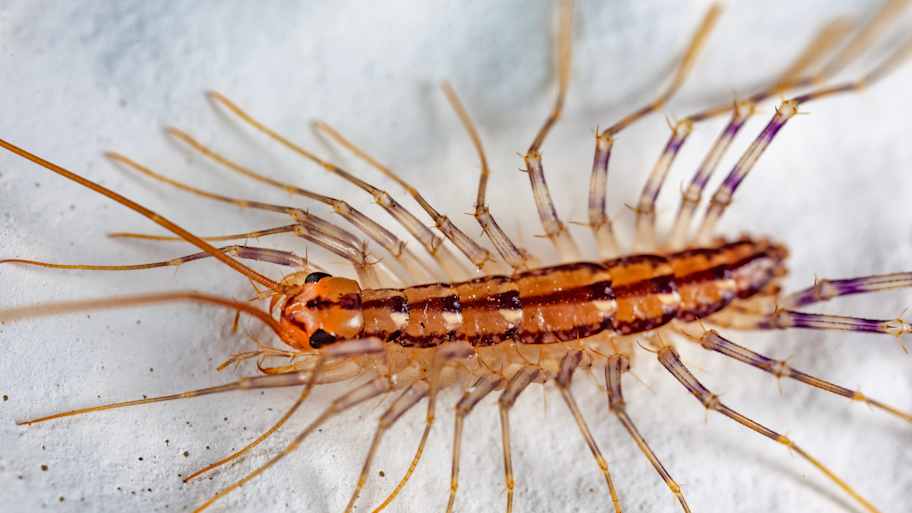
Learn the signs of a house centipede infestation and how to prevent these multi-legged creepy crawlers from turning the damp spaces in your home into theirs.

Your yard is the perfect chill spot for the furry friends in your life, but what is the best grass for dogs to run around on? Keep reading to find out.