
Moving your favorite tree isn’t exactly a small task, so we’ll break down some common tree transplanting costs so you can be prepared.
It’s possible to save some split trees

A young tree snapped in half can recover when the trunk splits only partially, you lose just one major branch, and the rest stays healthy.
Younger trees bounce back faster from split trunks and broken branches because they're already growing new roots and branches at a quick pace.
You should prune dead or dangling branches close to the trunk right away to help your tree heal and stop it from wasting nutrients.
Hiring a local tree maintenance professional takes the guesswork out of assessing damage and provides expert bracing or cabling support for larger injured trees.
After a storm or some serious temperature fluctuations, you might discover a tree that’s split. If you have a tree that’s broken in half, you might ask yourself, “Can it be saved?” The good news is that the answer is often yes. If your tree’s damage is not fatal, and if there is enough of it left healthy, you can likely save your tree. Here’s what you need to know about saving a tree that’s broken in half, whether you decide to tackle your tree emergency yourself or hire a local tree maintenance pro.
If your tree split in half, the first step is to evaluate the damage. If the tree’s main trunk splits all the way to the ground, the damage to the tree is due to disease or infestation, or the tree has lost most of its branches, it’s too late. Trees with this type of damage likely won’t recover and will continue to have issues that can pose safety risks. If that’s the case, it’s best to hire a professional tree removal team to remove the tree from your yard.
If a tree is young and has a partially split trunk, lost one major branch, and is otherwise healthy, you might be able to save it. Younger trees are more well-acclimated to healing damage than older trees because they are already growing out new roots and branches quickly. Calling a local tree maintenance pro to assess the damage and recommend a course of action is a good idea, especially if the tree is tall enough to threaten other trees, structures, or people.
Before starting your project, you must gather some safety gear. Using a saw will be your best bet to cut larger branches, and you should wear a high-quality pair of safety goggles and work gloves while using it. If you’re using a chainsaw, you should use a hard hat, face shield, chainsaw chaps, and some sturdy, steel toed boots. It’s also good to have a rope on hand for tying off branches to help control them as they fall.
You should also prepare for this task by reviewing safety precautions and protocols. Any tree trimming happening near a structure that has large, heavy branches or requires climbing should be done by a tree removal pro to reduce the risk of accident. Before starting pruning work on large branches, you should survey the site and develop a game plan to avoid dropping branches on vehicles, structures, or people.
You can take a few steps immediately to save a damaged tree, and some bigger interventions that require professional help. Here’s what you need to know to save your broken tree.

If dead branches are hanging off the tree, you should prune them away as soon as possible to help stabilize the tree and relieve some of the stress. A tree will continue to try and send nutrients to dead and dying branches, so if a branch is broken and dangling, you should prune it quickly.
Branches should be pruned as close to the tree trunk as possible to allow the bark to heal over the wound. For smaller branches, you can use loppers to prune them, but for larger branches, you can use a power saw to reduce the bulk of the branch and cut a few inches away from the trunk. Then, use a pruning saw to cut close to the trunk to avoid damaging the bark.
Once you’ve rendered first aid steps, you can brace broken limbs. This process should work similarly to casting a broken limb on a person. Like a cast, the bracing gives the tree support while it’s healing. On smaller trees, you may also choose to use tape or burlap wrapping to support injured branches as they heal. Much larger trees might also be repaired by using bolts and cables, but this step is better handled by an experienced arborist due to the tools, equipment, and training necessary for this project.
Choose a pole that's the right height to cradle and support the injured branch.
Use a tree crutch at the top of your pole with as narrow of a rest as possible for the size of your branch.
Secure the pole to the ground, either by driving the base in like a stake or by using sandbags or creating a footing for your tree support.
It’s a good idea to give an injured tree extra water, especially if it’s dry out. Add about two inches of water for a dry tree and one inch of water for a tree that isn’t in drought. To measure an inch of water, you can use a wide shallow container like a pie tin (or several for a larger area) and then use a hose with a watering attachment over the whole area surrounding the roots to slowly water until the tin has the desired water level in it. You can also fertilize an injured tree at a rate of one pound of nitrogen to 1,000 square feet of root volume, but you should wait two years before taking this step.
A damaged tree will need ongoing maintenance after the initial first-aid is performed. Once bracing, wraps, or cabling are in place, you should check your tree regularly for any infestations that could cause damage to the tree. You should also keep an eye on the tree’s growth, monitoring its recovery. Most healthy trees will grow between six and eight inches per season, while a distressed tree will slow down to around two inches a year. If you notice slower growth in the first year or two after an injury, this might be expected after an injury. After that, you may need to consult with a tree care expert to diagnose and address the root cause of the tree’s stunted growth. If your tree stops growing all together, it might be a loss. A tree removal pro or an arborist can also help you figure out this issue.
A little extra watering can also help a tree bounce back from an injury and allow it to heal more quickly. Applying an extra inch of water about once per week if the ground is dry is a good watering pace. Although you might want to help your tree recover, covering wounds in the bark is unnecessary. Cutting away damaged bark and allowing the rest of the bark to heal as the tree grows is all that is needed.
You might be able to save saplings and smaller trees that are broken in half yourself, but for larger trees, it’s necessary to hire a professional tree maintenance specialist near you. Tree care often requires ladder work, large tools, and loose objects high up in the air. In addition, a tree care expert has the training to properly diagnose and address the tree’s problems. Similarly to how you would go to a doctor if you had a major injury, you should utilize the special knowledge tree maintenance specialists have to properly treat your tree’s injury. A reliable assessment of the damage to your tree is also a safety issue if the tree is tall enough to drop limbs on the surrounding area.
This service was great. My air conditioner went out during the heat spell that we had. My husband has health issues and they came out that night and at 9:30pm the air conditioner was fixed and running. We are sooo very thankful, this is the company I will be using from now on and would...
 Mr. Mechanical Ohio
One of my old tall evergreen trees was suddenly leaning toward the busy street in front of my house. I submitted a request for an emergency tree inspection, and Alejandro, owner of Cajete Tree Service, contacted me immediately and arrived to look at it just 20 minutes later. We agreed the...
 Cajete Tree Service LLC
1 tree was cut down and 5 others including a large willow tree were trimmed. The Grant Tree Service men were professional and cleaned up afterwards. The cost of the 6 trees were affordable. I am very happy with the results. I would hire them again.
 Grants Tree Service
D1 Roofing delivers outstanding service from beginning to end, backed by a strong warranty and expert teams. I highly recommend them for their excellence in meeting and surpassing expectations with unmatched communication. Choosing D1 Roofing was flawless decision
 Division 1 Roofing LLC
Promptly arrived for quoting! Demonstrated superb customer service, affordable pricing, and completed service swiftly! Looking forward to the spring for our service!
 All Star Paving and Sealing
Seth was very professional, prompt in responding to queries about the work required , gave sincere advice as to what would be best for tree trimming and did the job timely.
Ace Fireplace Services' chimney sweep service is truly exceptional. They used advanced technology to ensure a thorough cleaning process, and my chimney has never looked better. I highly recommend their services.
 Ace Fireplace Services
I definitely recommend Ramonaâ s cleaning service! I have booked services with her many times and she arrives on time, ready to work and provides a great service.
 Your Cleaning Solutions LLC
Webb â s was priced well, flexible on scheduling, great with communication, and detailed in their work. Iâ ll definitely use their services again.
 Webbs Pressure and Paint LLC
Great tree company, very professional and honest. Glad we found them, they had the best pricing
From average costs to expert advice, get all the answers you need to get your job done.
Moving your favorite tree isn’t exactly a small task, so we’ll break down some common tree transplanting costs so you can be prepared.

Discover what the current average tree removal cost is based on different factors to know how much it will cost to take care of a dead or troublesome tree on your property.

How much does an arborist cost? This guide explains the cost of different services, ongoing expenses, and other factors to consider when hiring an arborist.
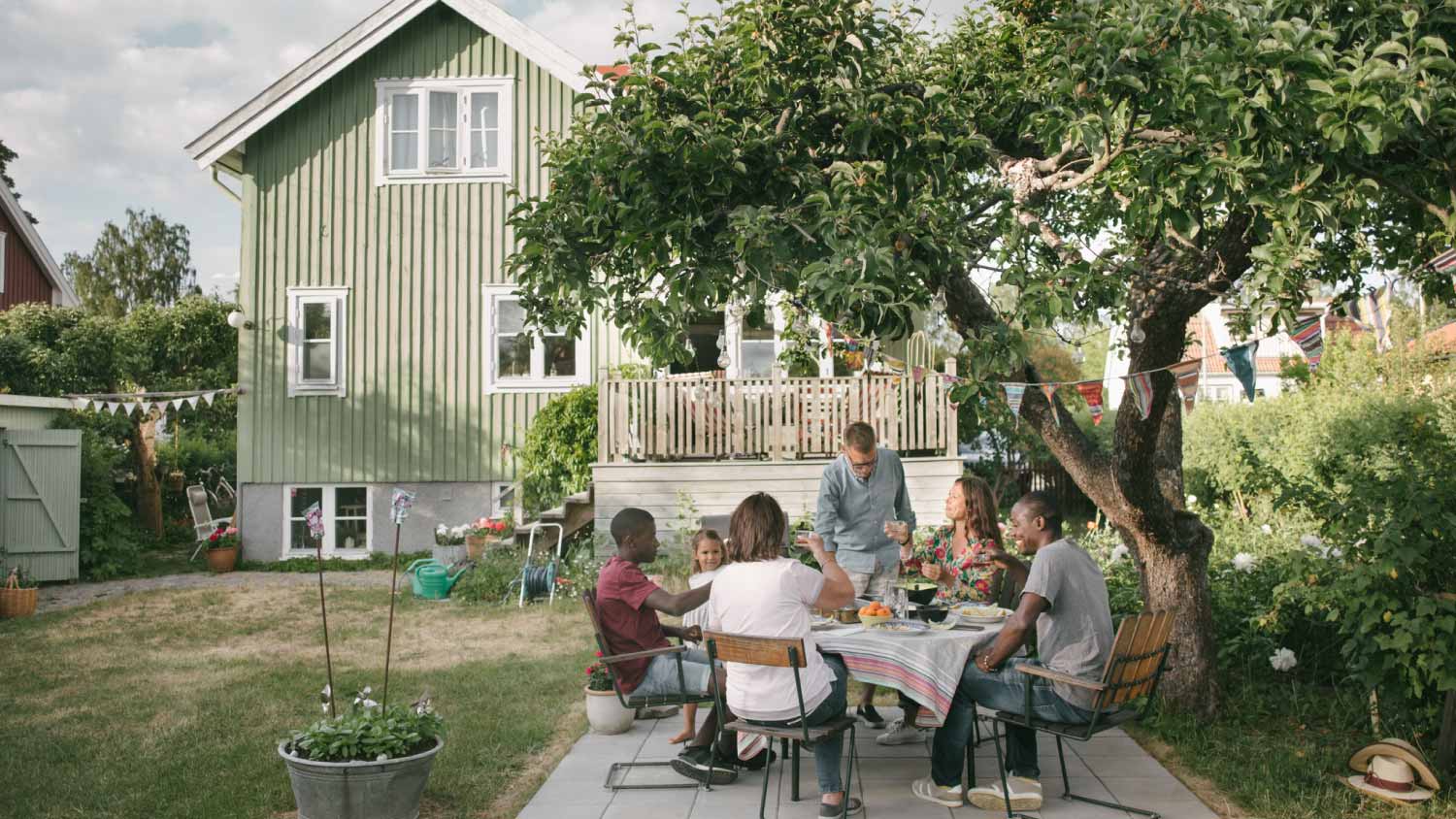
Have a beloved tree that is looking sick? Learn how to save a dying tree to restore it back to life.
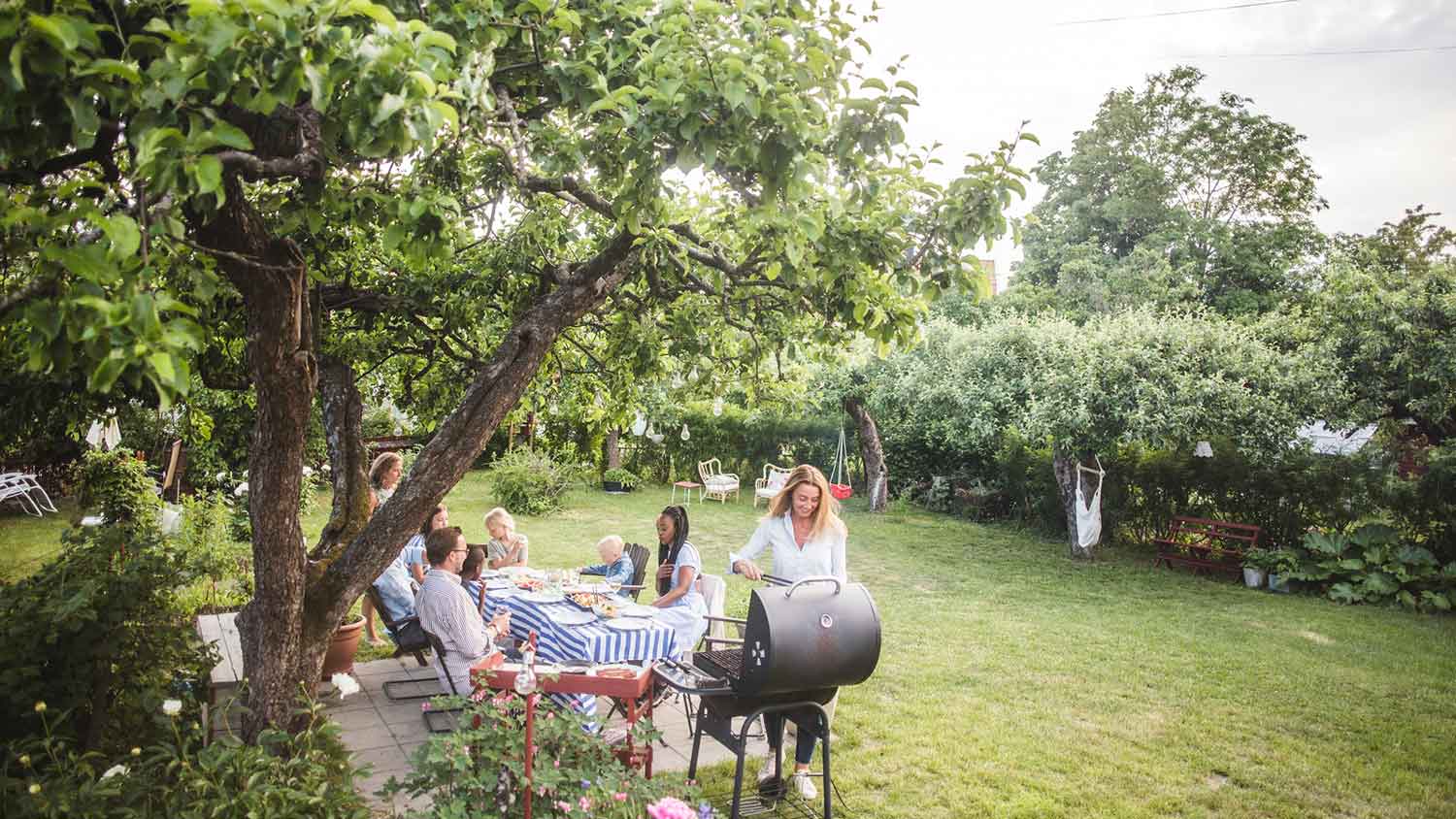
Inspections are a crucial part of tree care. Tree diseases and other common health issues have telltale signs. Find out how to tell if your tree is healthy.
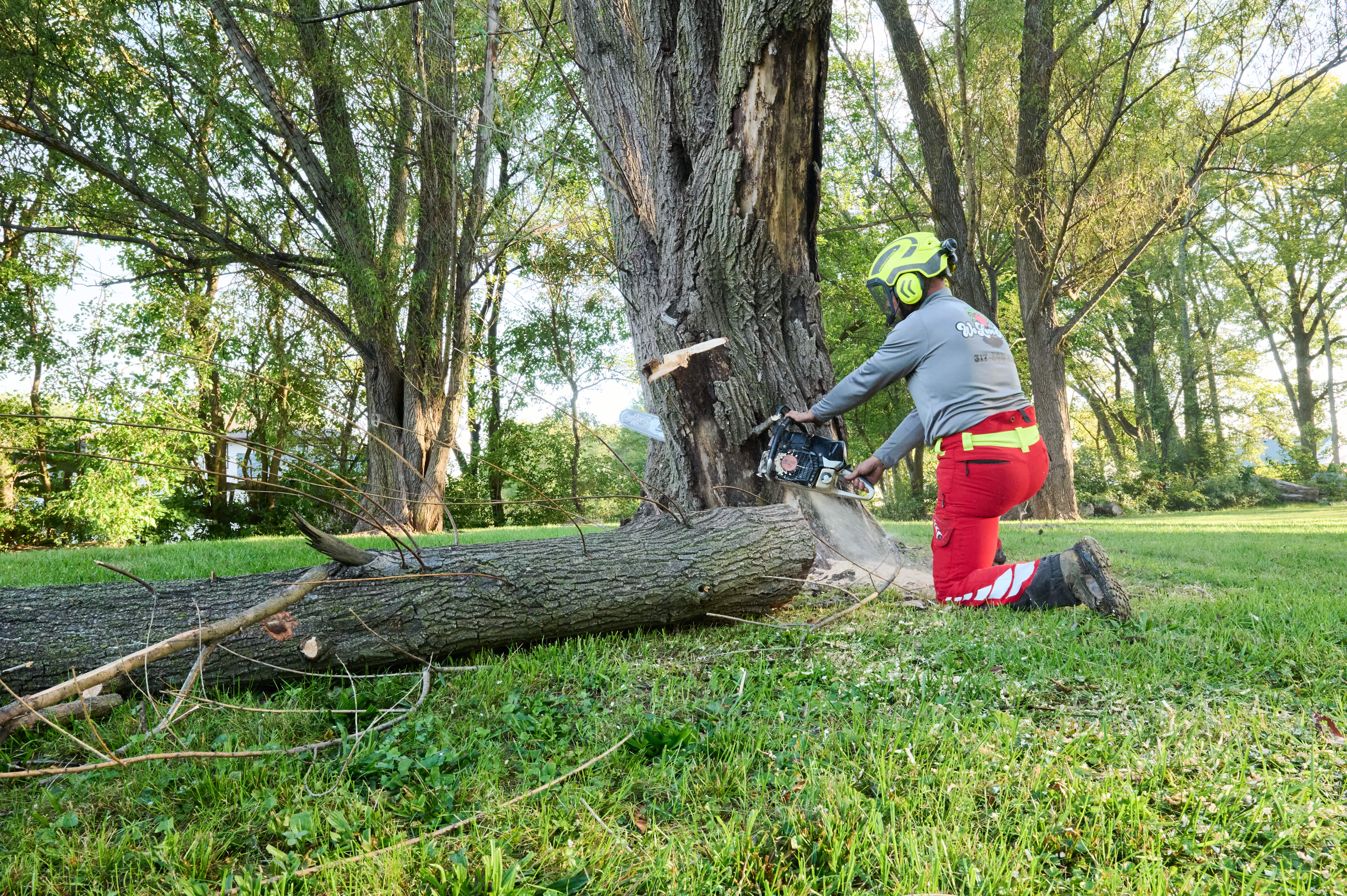
Free tree removal may take a bit of research, but you do have options to save a lot of money. Check out this guide to avoid barking up the wrong tree.