
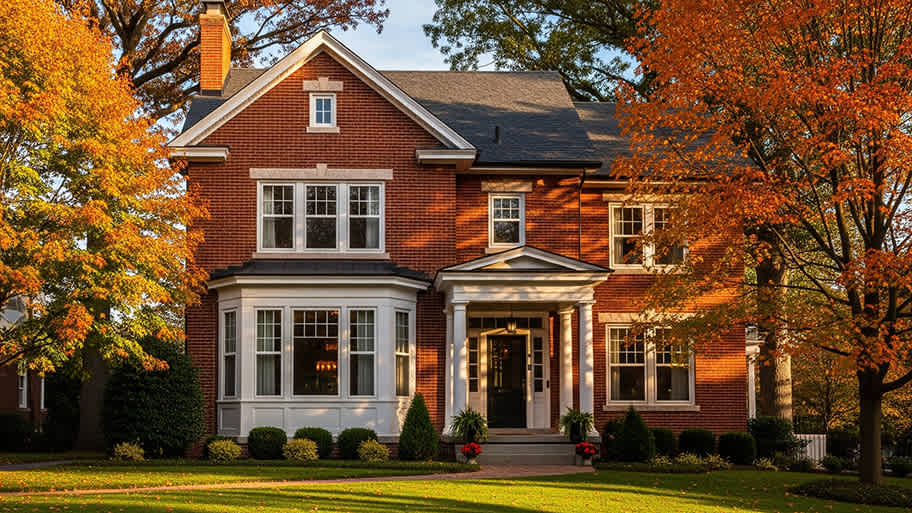
New insulation makes your home more comfortable and boosts energy efficiency. Use this guide to budget for insulation installation costs in St. Louis, MO.
Insulation service costs depend on your project and location. Check with a local pro for your specific job.

Overall, the cost of adding blown-in insulation to your St. Louis home is 10% lower than the national average.
St. Louis homeowners benefit from lower labor rates and a climate that only requires insulation with an R-value of R-30 to R-40.
The high sales tax in St. Louis slightly increases the cost of materials for this project.
With the cost of living below average in St. Louis, homeowners probably already know to expect costs for blown-in insulation to be around 10% less than the national average for this project. The average blown-in insulation cost in St. Louis is $1,456. Most homeowners pay between $829 and $2,084 to complete this project using various insulation materials and R-values. Begin building a realistic budget for new insulation with this guide, which outlines all the cost factors that contribute to the project.
The cost of blown-in insulation in St. Louis, Missouri, can vary based on factors such as the size of the space being insulated and the quality of the insulation chosen. Some popular choices for home insulation include fiberglass, wet-spray cellulose, dense-pack cellulose, rockwool, and natural wool. Overall, Missouri's milder climate helps to reduce costs because lower R-values are needed compared to places like the Upper Midwest and the Northeast.
The biggest cost factor is the size of the area that requires insulation. A larger area requires more insulation and labor, increasing the overall price. This metric is calculated by multiplying your square footage by the cost per square foot of your chosen insulation materials, which are detailed below. However, a general range for blown-in insulation per square foot is $1.50 to $6.75, depending on the type.
| Area in Square Feet | Blown-in Insulation Cost Range |
|---|---|
| 500 | $750–$3,375 |
| 1,000 | $1,500–$6,750 |
| 1,500 | $2,250–$10,125 |
When measuring the efficacy of any insulation material, it all boils down to the R-value. Generally speaking, higher is better, though there are two metrics to consider. There’s the overall R-value and the per-inch R-value. For example, if you want a total R-value of 30, you’ll need ten inches of insulation at an R-value of 3.0 per inch. Materials with higher R-values cost more, like sheep’s wool, but you don’t need as much material to complete the installation.
Below is a breakdown of R-values and the corresponding prices:
| R-Value | Number of Bags per 1,000 sq. ft. | Description | Price Range |
|---|---|---|---|
| R-13–R-21 | 7–10 | Ideal for St. Louis walls | $207–$297 |
| R-30–R-49 | 15–20 | Ideal for St. Louis attics | $450–$1,440 |
| R-38–R-49 | 20–26 | Common choice for St. Louis attics | $1,170–$1,440 |
| R-49–R-60 | 26–32 | Not necessary for St. Louis attics | $1,440–$1,800 |
The cost to install blown-in insulation depends on the type of insulation you choose for the project. Anticipate spending anywhere between $0.35 and $2.75 per square foot for materials, not including installation. Below is a breakdown of each blown-in material type and how much it costs.
| Type of Blown-In Insulation | R-Value per Inch | Average Cost per Square Foot |
|---|---|---|
| Fiberglass | 2.5 to 3.5 | $0.35 to $1 |
| Wet-spray cellulose | 3.2 to 3.7 | $0.45 to $1.50 |
| Dense-pack cellulose | 3.2 to 3.7 | $1.50 to $1.90 |
| Rockwool | 3.0 to 3.7 | $1.15 to $1.80 |
| Natural wool | 3.5 to 3.8 | $1.10 to $2.75 |
Most local blow-in insulation installers in St. Louis charge flat rates based on factors like the R-value and square footage involved. Overall, labor rates that are lower compared to areas with a higher cost of living help to bring down costs.
On average, St. Louis insulation companies charge $2 to $3.50 per square foot for labor and installation. If you plan to have outdated insulation removed as part of this project, expect to pay around $0.45 to $1.90 per square foot for professional insulation removal and disposal from the company you hire for your new blown-in insulation.
The addition of blown-in insulation is not one of the items that are typically exempt from permits in St. Louis. That means you're likely to need a permit before this project can begin. However, the pro you hire to install your new blown-in insulation can provide you with the specifics on the type of permit needed after confirming with the local permitting body.
Overall, homeowners can expect to pay $44 in permits for projects valued up to $1,000, $48 for projects valued up to $2,000, and $55 for projects valued up to $3,000. After $3,000, an additional $10 is added per $1,000 in project value.
St. Louis contractors aren't required by the city or state to carry special liability insurance. If a contracting company has five or more employees, it is required to carry workers' compensation coverage. Premiums in St. Louis can total $60 to $90 per month for the average contractor.
While costs for materials and labor for blown-in insulation in St. Louis are generally below average, the city's higher-than-average sales tax rate does add slightly to this project's final cost. The combined sales taxes for St. Louis and Missouri add 9.68% to the cost of materials for this project.
All contractors in St. Louis must obtain a graduated business license from the city in order to perform work. The fee schedule for a business license ranges from $200 for up to two employees to $2,250 for 21 to 30 employees.
With St. Louis experiencing colder winters and a strong potential for snow each year, good insulation can significantly improve a home's value. Blow-in insulation can be a cost-effective and long-lasting choice. With homeowners able to select R-30 to R-49 insulation instead of springing for R-60 in the local climate, the return on investment (ROI) can be impressive.
Home is the most important place on earth, which is why Angi has helped more than 150 million homeowners transform their houses into homes they adore. To help homeowners with their next project, Angi provides readers with the most accurate cost data and upholds strict editorial standards. We survey real Angi customers about their project costs to develop the pricing data you see, so you can make the best decisions for you and your home. We pair this data with research from reputable sources, including the U.S. Bureau of Labor Statistics, academic journals, market studies, and interviews with industry experts—all to ensure our prices reflect real-world projects.
Want to help us improve our cost data? Send us a recent project quote to [email protected]. Quotes and personal information will not be shared publicly.
I’ve used them for several different projects. Window replacement, basement windows and door replacement, E Shield attic insulation and windows and siding on my back porch.
 Midtown Home Improvements, Inc. (St. Louis)
Both the estimator Kevin the two installers who visited my home were very professional and kind. They answered all my questions and provided a very reasonable price for the installation of the attic insulation. I feel I was very informed on the federal rebate that was available for this...
 Anton's Plumbing, Heating/Cooling Energy Experts
A good job was done installing the insulation, competitive prices.
 Triple B Pest Insulation & Services
They also replace 3 basement windows, one upstairs window and installed E-shield insulation. I will use them again for more home improvements in the future.
The project went as planned. Nick and his crew finished the job within the time frame provided. Cleaned up after themselves not leaving any insulation on the floor or anywhere. They made sure to check that everything was to satisfaction.
 Koala Insulation of St. Louis
St. Louis Insulation did a great job with insulating and ventilating both the attic and basement of our 123-year-old house in STL city. Zac was very knowledgeable and helpful and the service was affordable. The job was done quickly and efficiently. I highly recommend them for any insulation...
 St Louis Insulation
Everything went well. They were very knowledgeable on how to insulate homes.
 Holper's Pest & Animal Solutions
We had to put a new roof on a small, 100SF house we just purchased and wanted to get the best roof possible. We decided on TPO for the white roofing material and life. Wildwood was not the cheapest quote, in fact, they were the most expensive. HOWEVER, they had the most professional and...
 Wildwood Roofing & Construction
I had extensive damage done to my 100+ South City plastered home during a complete electrical rewire. The electricians had to cut strips around all the rooms upstairs so they could run the wire. There was also damage on the ceilings. There was one room which needed drywall and insulation...
 The St. Louis Plastering Company
While other firms suggested a new furnace, the Dunn representative felt the existing furnace was sized properly and functioning properly and that insulation should be installed as well as other measures taken to prevent heat loss before embarking on a more expensive project. Who would guess...
From average costs to expert advice, get all the answers you need to get your job done.
New insulation makes your home more comfortable and boosts energy efficiency. Use this guide to budget for insulation installation costs in St. Louis, MO.
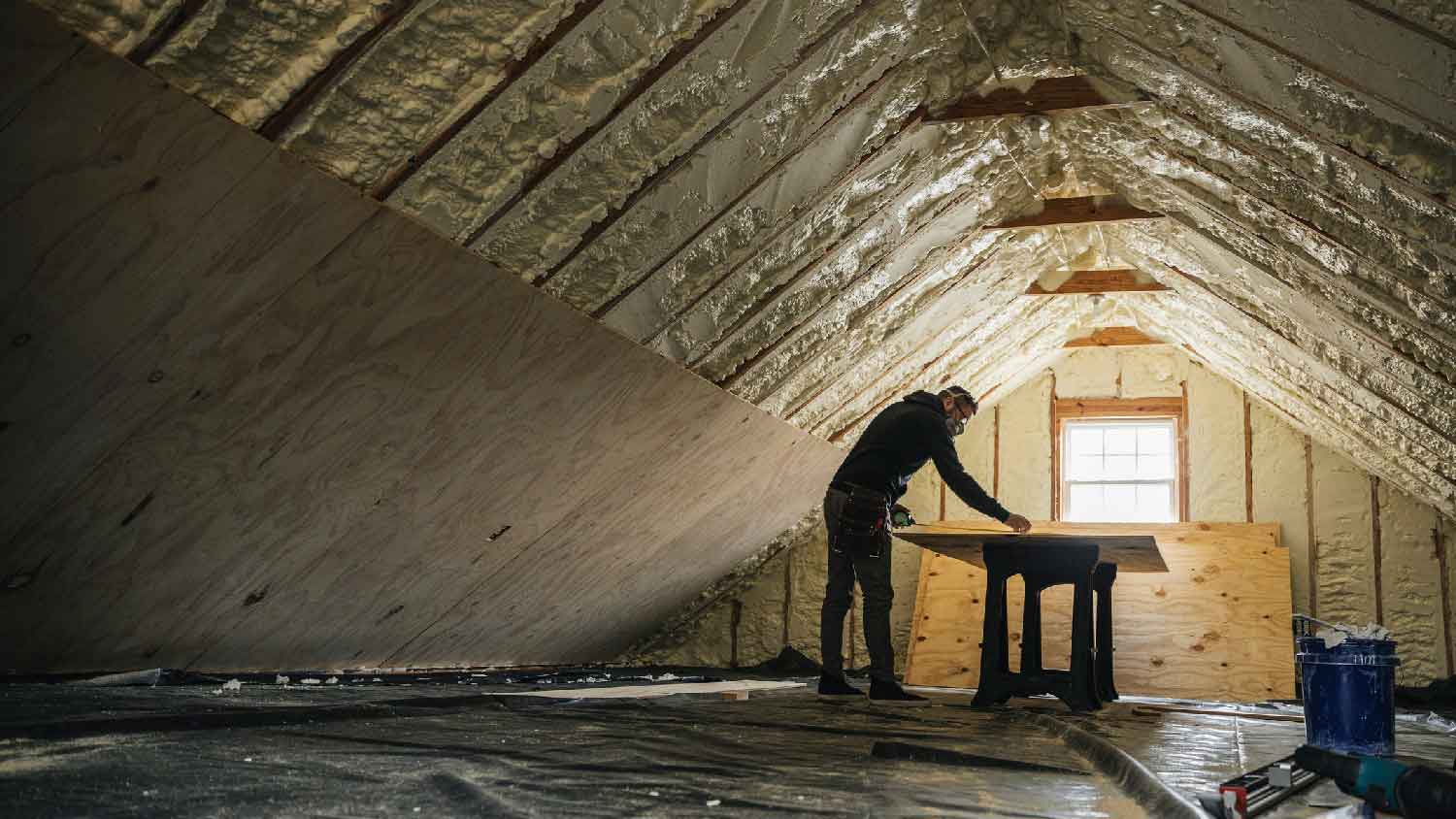
Attic insulation removal costs in St. Louis, MO, vary based on multiple factors, including why you're removing it and how easy it is to complete the task.
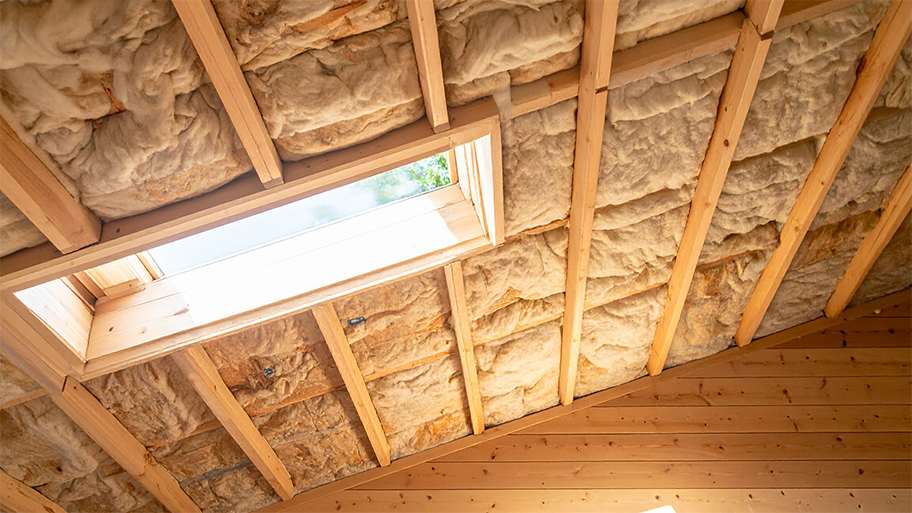
Insulating your attic can improve your home’s efficiency and reduce electric bills. Use this guide to find out what attic insulation will cost you in St. Louis, MO.
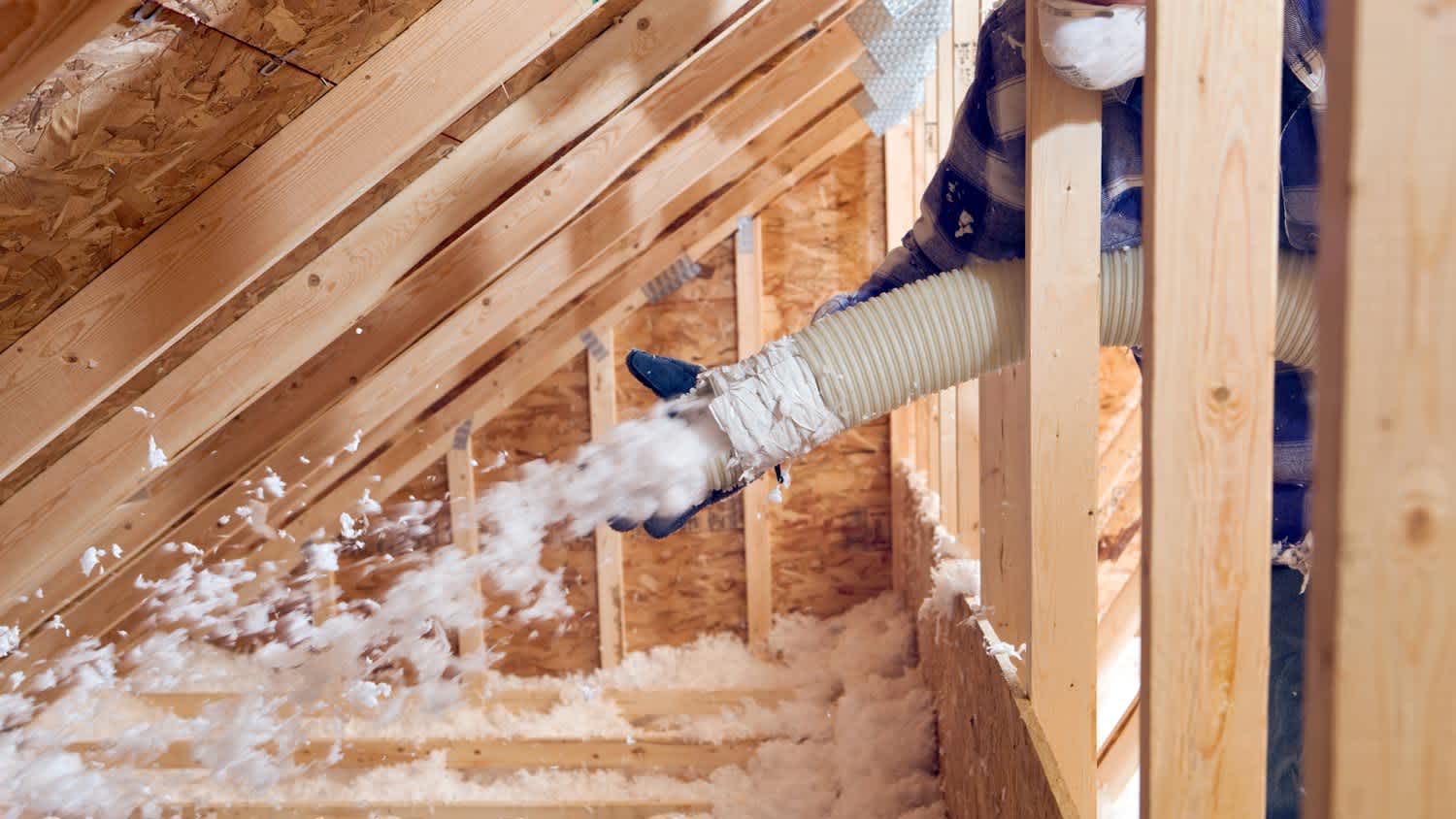
Are your energy bills spiking or rooms feeling drafty? Learn about blown-in insulation installation costs, urgency signs, and how to hire a local pro.

Remove blown-in insulation from your attic safely and efficiently by following this step-by-step guide and prep for your attic remodeling project.
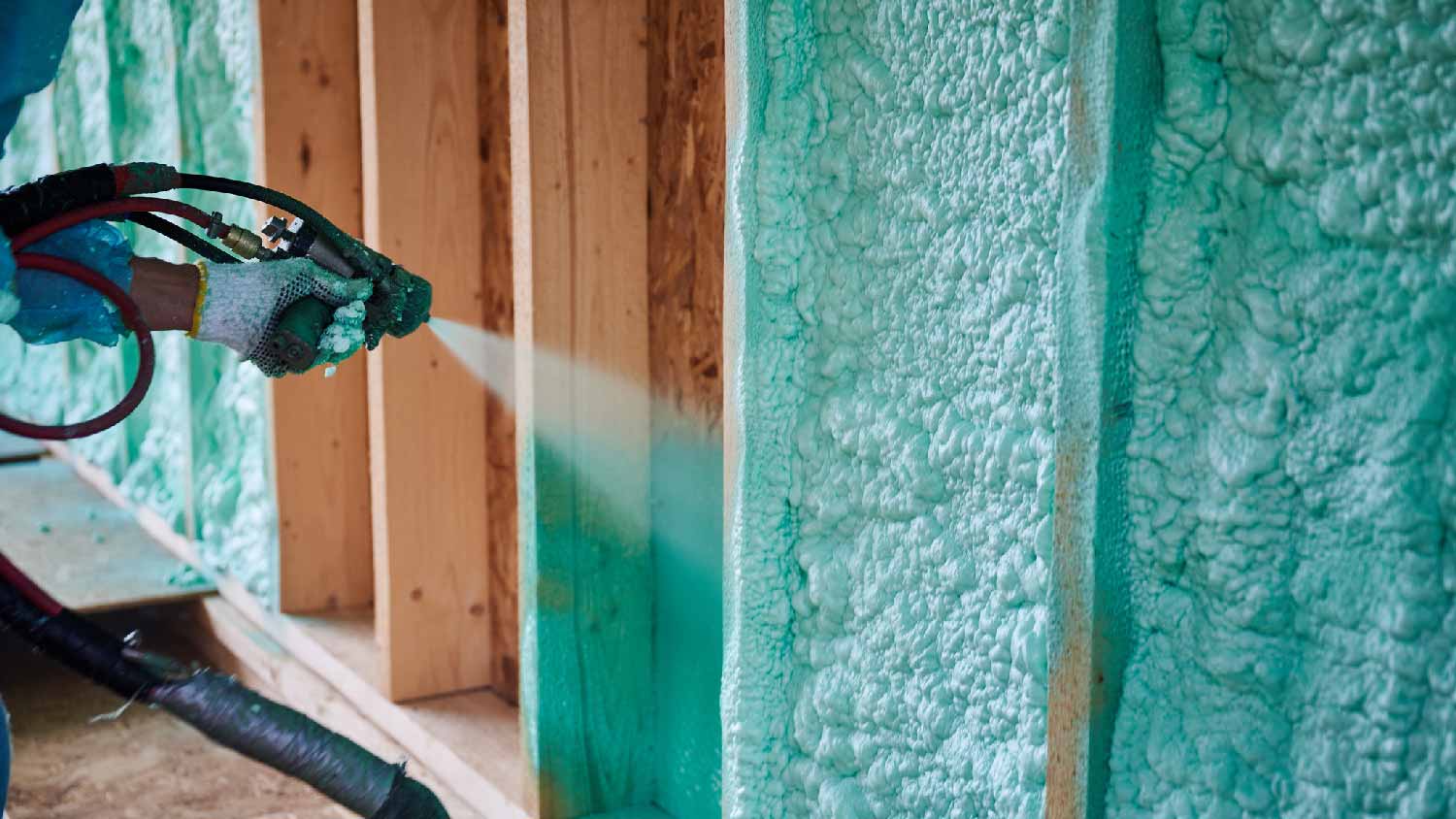
Are you stuck trying to decide between blown-in insulation and spray foam insulation? Factors like your budget and local climate will help you pick the right one.