

The average cost of a whole-house generator falls between $5,000 and $25,000. Keep reading to learn how much you can expect to spend.
Focused fuel feedback

Your whole-house generator fuel types include propane, natural gas, diesel, gasoline, and solar backup, each offering different benefits for runtime and availability.
Solar backup generators cost $6,000 to $10,000 for initial installation, making them the most expensive option but eliminating ongoing fuel costs entirely.
Natural gas provides unlimited runtime through your existing utility line, while propane and diesel require periodic refills but work well in rural areas.
Hiring a local general contractor provides reliable guidance on fuel availability in your area and matches the best generator type to your outage patterns.
Dealing with frequent power outages, brownouts, or power grid failures? If you’re considering installing a generator to supply your home with backup power, you’ll need to determine the best type of fuel for your whole-house generator.
Whole-home generators rely on either propane, gasoline, diesel, or natural gas. These fuels vary in cost, availability, longevity, and how well they can perform in emergencies, so it’s an important choice. Let’s review the fuel types and their pros and cons so you’re well-equipped to buy the right whole-home generator.


Propane is similar to natural gas, but it’s a more refined type of fuel that’s compressed and shipped instead of traveling through underground pipes. The fuel is stored in small tanks for appliances (like grills) and very large tanks for home generators.
Propane can be a convenient choice because the tanks can be installed in nearly any home and refilled as necessary. Propane burns cleanly and lasts for a long time in its tank, but it has a higher initial cost to set up, and refills may not be available in remote areas. Otherwise, it’s one of the best fuel options for a whole-house generator.
| Propane Pros | Propane Cons |
|---|---|
| Tank installation is flexible | More expensive than other fuels |
| Convenient re-supplying | High initial tank setup costs |
| Clean burning | Propane refills aren’t always easy to arrange |
| Stores safely for a very long time | Large propane tanks can be an eyesore |

Diesel is more stable, long-lasting and energy-efficient than gasoline as an option for powering a whole-home generator. While you can often refill diesel at local gas stations, for a whole-house generator, it’s better to arrange for periodic home deliveries. That means diesel is a good fuel type for homes in rural areas or homes without natural gas.
While diesel is stable and carries a low fire risk, it only lasts about two years. It can also struggle in especially cold temperatures, requiring additional maintenance to work well. Plus, you may need an on-site tank for regular generator refills. Compare propane and diesel prices carefully before making a choice, and keep in mind diesel-powered generators tend to last longer without needing maintenance.
| Diesel Pros | Diesel Cons |
|---|---|
| High fuel efficiency | Must be replaced every two years |
| Low flammability | Runs into problems in very cold weather |
| Lower purchase price than other generator types | Somewhat noisy |
| Low-maintenance performance | Frequent operation requires a nearby diesel tank |

Natural gas is significantly less refined than fuel options like propane, but it carries major advantages. Natural gas is supplied through underground infrastructure, so you never have to worry about refills or running out of fuel. Natural gas is less expensive than most fuel alternatives, making it an affordable option that’s reliable in cold winter conditions.
However, your area needs access and infrastructure to tap into natural gas. That’s more common in densely populated areas, and less likely in rural areas. It’s important to note that natural gas is a flammable fuel source, meaning a busted gas line could become highly explosive. Since natural gas infrastructure is vulnerable to natural disasters, such as earthquakes, consider your home’s safety when choosing this fuel type for your whole-home generator.
| Natural Gas Pros | Natural Gas Cons |
|---|---|
| No need for refills or deliveries | Requires local natural gas infrastructure |
| Affordable fuel option | Not very efficient compared to alternatives |
| Unaffected by power outages | Hookups may be expensive without prior access |
| Easy on generators | Flammable and vulnerable to natural disasters |

Gasoline is one of the most readily available fuel types, making it essential during an emergency. However, the advantages of gasoline generators end there. It’s not a stable fuel, usually degrading beyond use before a year. It’s also more flammable and volatile than most alternatives, meaning you can’t legally store as much of it as other fuel types.
Finally, gasoline prices fluctuate based on time and location, so it’s difficult to predict how affordable it will be in your area. These reasons make it clear why whole-house gasoline generators are rare, although smaller gas portable generators are viable options for emergencies.
| Gasoline Pros | Gasoline Cons |
|---|---|
| Readily available fuel | Fluctuating prices |
| Legal limits on storage | |
| Lasts less than a year | |
| Volatile and flammable | |
| Rarely offered in whole house generators |

There’s another option modern buyers can choose if they want to avoid fuel altogether. A solar backup generator transmits energy from the sun and converts it into electricity stored in a large home battery. That battery serves as a backup to power your important appliances during a power outage. These backups are incredibly easy to use, passively recharge on their own, and power multiple batteries to increase your charge. Plus, they can recharge even if your power stays off.
However, solar options have some disadvantages. They will charge slowly in cloudy weather and can’t charge at night, so you’ll have to be careful with power allocation. Plus, they have a very high initial cost, especially if you’re also buying solar panels and installing a transfer switch, often costing $6,000 to $10,000. However, they remain a sustainable alternative for smaller homes in areas with plenty of sunlight.
| Solar Backup Pros | Solar Backup Cons |
|---|---|
| No fuel required | Very expensive initial installation |
| Eco-friendly | Requires solar panel setup |
| Incredibly easy to use | Won’t work as well during bad weather |
| Passive recharging even without power | Can’t charge up at night |
| Can add more battery banks |
Having trouble choosing a fuel for your generator? There are several important questions you should ask when narrowing down your final choice. Here’s what to consider:
Where do you live? Examine the fuel prices and fuel transportation costs in your area. See if you could hook a generator up to natural gas or the options for home propane or diesel deliveries.
How frequently does your home experience blackouts? The frequency of blackouts affects your fuel usage and replacement needs. Very frequent blackouts indicate you need a fuel that’s always on hand, like natural gas, or at least an extra-large tank.
How long do you need fuel to last unused? If your home experiences blackouts every year, a fuel like diesel is a great choice because it will stay stable for up to two years. But if your blackouts are less regular, you’ll want to stick with a fuel that won’t need to be replaced often, like propane or a natural gas.
Are certain fuels less reliable in your area? Always choose a fuel with easy access, especially when supplies are running low. In some areas, you may be able to get propane more easily, while others may favor diesel shipments or offer nearby stations to fill up on diesel.
What is your budget for generator operation? In addition to initial costs, consider how much you are willing to spend to fill and maintain a generator. Remember, most generators use a full tank of fuel each day they need to power your house, so you’ll need to refill it every day or so.
Do you want to use the fuel for other purposes, too? Do you want to avoid wasting fuel by using it in other tools or appliances? This is one example of having, say, a diesel riding lawnmower or a diesel snowblower could be an advantage.
If you’re good people wanting to do business with good people, hire Matt. He is a consummate professional and utterly competent. He installed a water heater in my home at a price that beat competitors by hundreds of dollars with a promise to support the unit for its life (even after its 6 yr...
 Greene's Plumbing Services
I recently had Mosby Electric perform an electrical installation on 8-14-2026, and I couldn’t be more satisfied with the service. From the moment I called, their team demonstrated fast arrival and professionalism. The electricians were highly knowledgeable, completing the installation...
 Mosby Electric
Joseph did a great job with the staircase and trim. Timely and efficient, clear communication about the work, very fair pricing. For the stairs in particular, done very skillfully in an old house (1893) in a tight spiral, and very creative with how to do the handrail. Did a nice job with...
 Vouis Trim Carpentry L.L.C.
Jason has helped me with multiple household projects, with the most recent being new door installation. He has always showed up on time and organized and has done an incredible job! Jason is very professional and he's now my go-to for anything around my house that needs to be fixed or...
 Huff Garage Rescue, LLC
Very professional, knowledgeable and helpful! Completed the install on time and as expected.
 Ward's Services
Excellent, Prompt, Courteous Service!!! They were super friendly and quite personable. I felt very comfortable with the gentlemen that did the installation. They installed it exactly where I asked them to and they did an excellent job!! I loved their service so much.
 Tether House
The Mosby team went above and beyond for my project. They not only installed my light fixture; they also worked through an old, wonky, and as it turns out incorrect wiring issue from the work of prior contractors. Professional, thorough, conscientious, and kind. Five star experience. Thank you!
 Mosby Electric
Window Depot did an amazing job installing the windows in my basement! The process from start to finish was by far more than what I expected. I would highly recommend Window Depot if you want professionalism from the the consultation to the installation. Dont settle for mediocre when you can...
 Window Depot USA of Central Ohio
The guys did an outstanding job and we had a great experience with CarifaTile. I appreciated that Joe reviewed the quotes with me and set expectations prior to the install. The crews showed up as scheduled and always left the areas clean upon leaving the house. We will definitely use...
 CarifaTile
Called ahead and worked quickly to install keyless locks on vintage wooden doors.
 Expert Lock and Key, LLC
From average costs to expert advice, get all the answers you need to get your job done.
The average cost of a whole-house generator falls between $5,000 and $25,000. Keep reading to learn how much you can expect to spend.
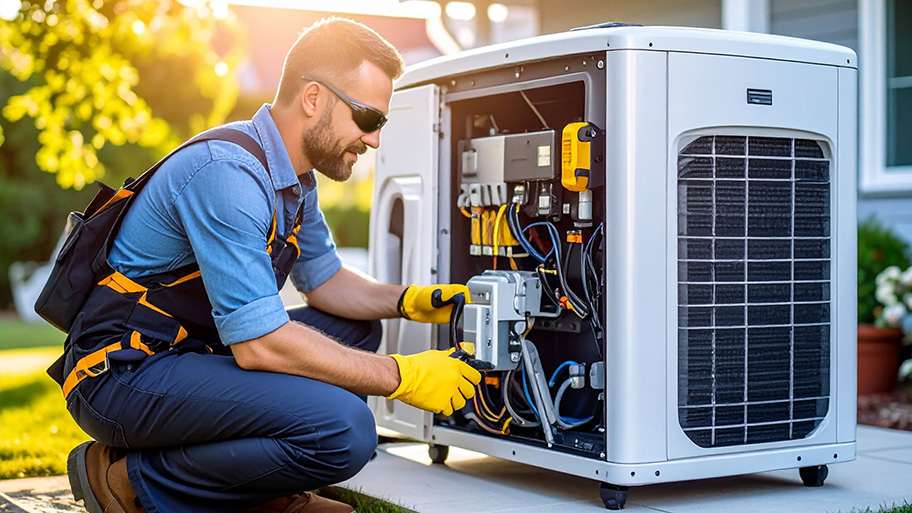
Keeping on top of generator maintenance and repairs gives you extra peace of mind as a homeowner. Find out how much regular generator maintenance costs.
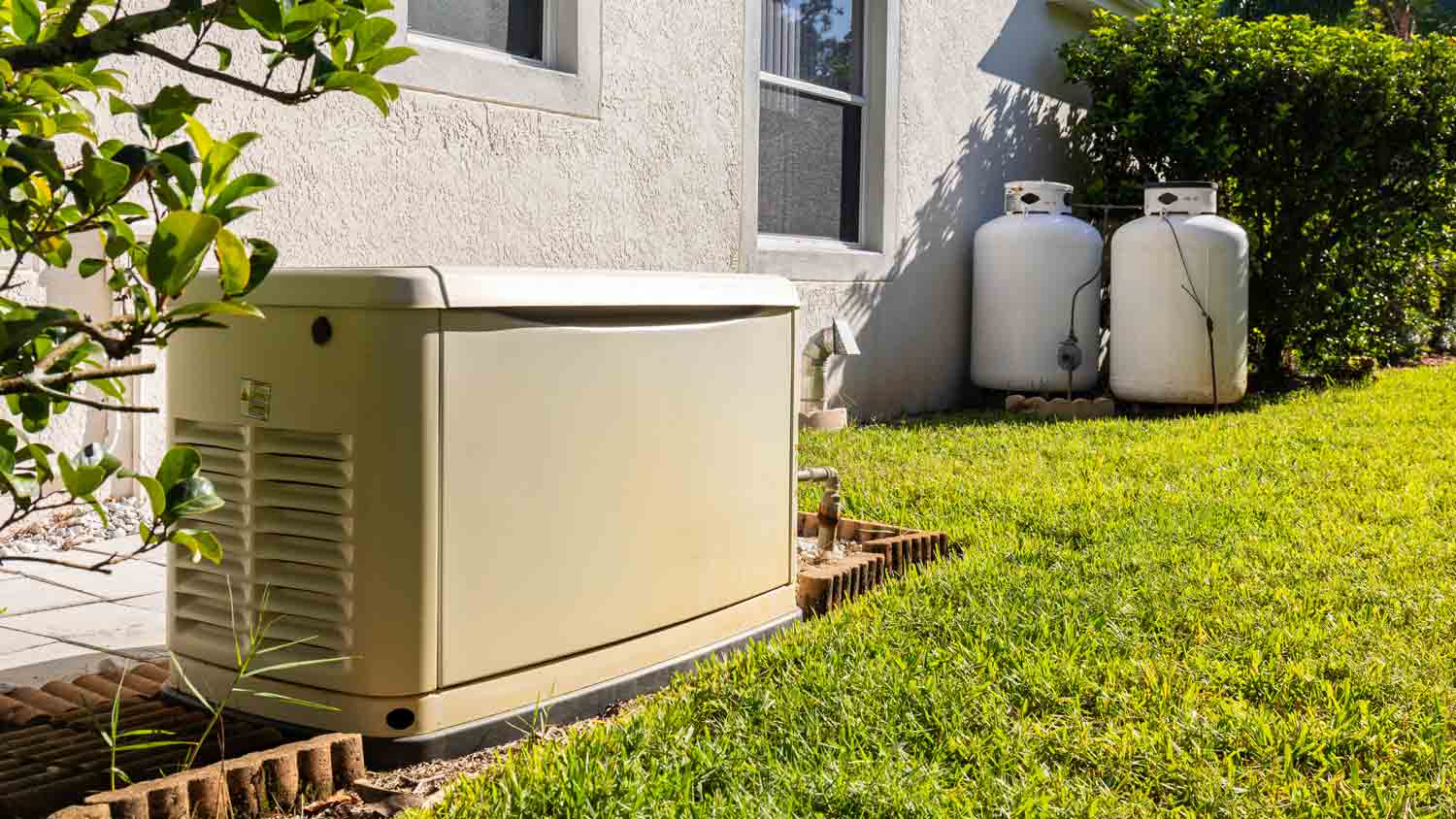
Whole house generators are a power alternative that can deal with frequent blackouts and other problems. Here’s how they function.

Whole home generator installations require a professional hand. Read this guide to help you decide which generator is best for your home.

Whole house generators can power homes when electric problems hit, but they aren’t for everyone. Here’s what you should know when you’re thinking about buying.
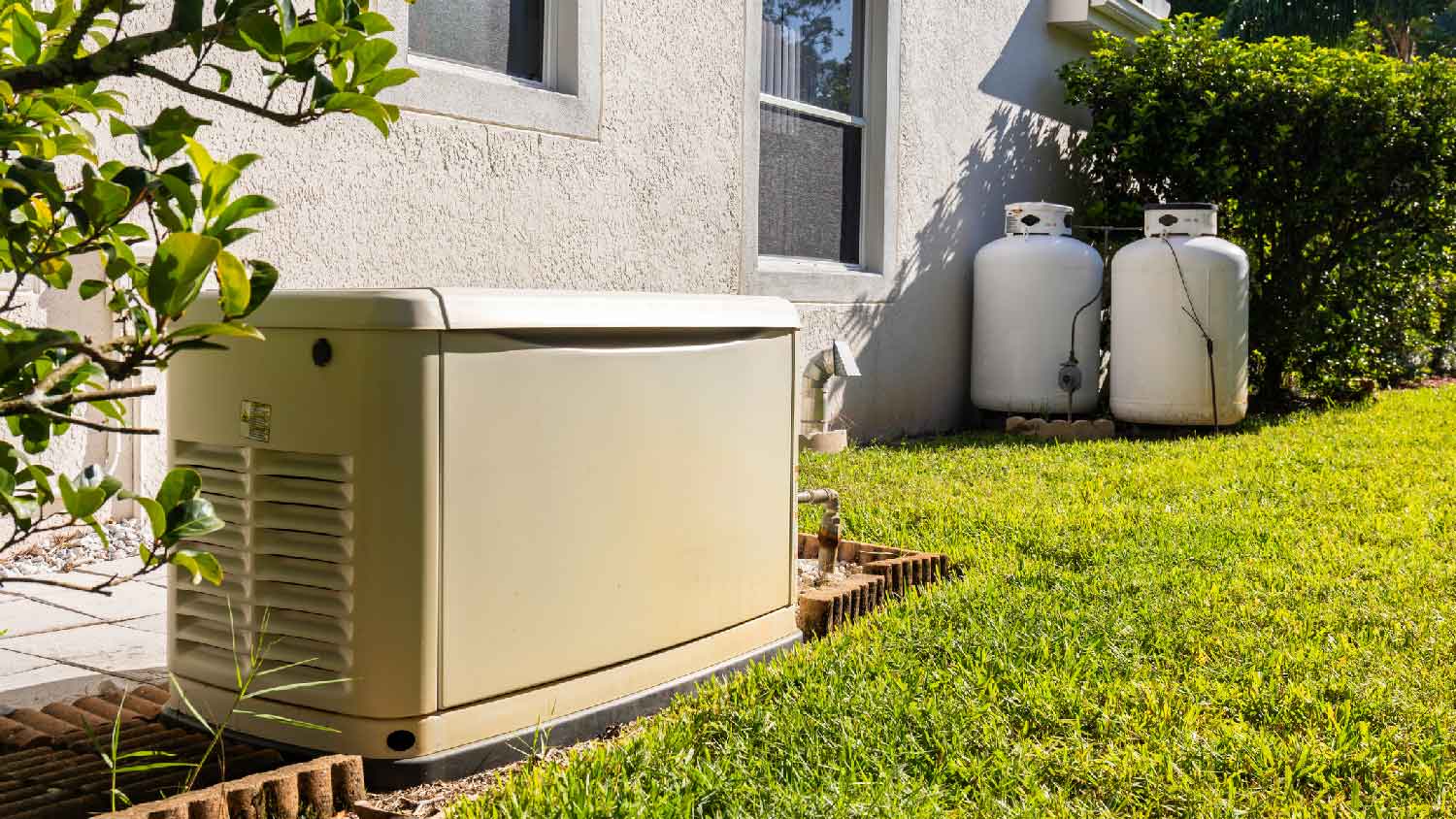
Is a whole-house generator worth it? Discover the key factors influencing ROI and whether it's the right choice for your home.