

The average cost of a whole-house generator falls between $5,000 and $25,000. Keep reading to learn how much you can expect to spend.
It may not generate a significant ROI, but there’s still value to consider

A home standby generator adds 2% to 3% to your home's value, with resale returns ranging from 50% to 150% based on location and demand.
Typical costs range from $1,600 to $13,500 for whole-house generator installation, with average costs around $5,200 depending on your home's size and electrical needs.
Your generator investment prevents costly damage from power surges and temperature-related incidents like frozen pipes, protecting your home's systems and electronics during outages.
Hiring a local generator installation professional ensures safe connection to your home's main power supply and natural gas line while meeting building codes.
Wondering whether investing in a whole-house generator is worth it? The question has sparked some debate, and answers vary on a case-by-case basis. On average, you can recoup 50% to 150% of your initial investment in resale value, or add around 2% to 3% to the value of your home, depending on factors such as the home’s location and the size of the generator.
Still, while a whole-house generator may not offer the most bang for your buck in terms of ROI, it provides significant value in other areas, such as preventing costly repairs and the ability to power your essentials during power outages. This guide will detail what consider when weighing the potential ROI of a whole-house generator.
Home Value Rating: 1/5
A whole-house generator won’t have a significant financial ROI, but it can offer a number of other benefits.


Resale values heavily depend on the demand for generators in your location. You may only partially recoup your investment, or you could potentially turn a small profit under ideal circumstances. Let’s review the key factors that play into the ROI for a whole-house generator installation.
When it comes to the ROI of a whole-house generator, a major factor is location. Homes in areas that see frequent power outages, whether from extreme weather conditions or unreliable electrical grids, will benefit the most from the function of a whole-house generator. Likewise, potential homebuyers in outage-prone areas are more likely to see a backup generator as a key selling point, helping the home stand out in the market and demand a higher sale price.
As a general rule, the larger your whole-house generator’s capacity, the more attractive it will be for potential buyers. This translates to the value in your personal use: By finding the right size generator to accommodate your home’s electrical needs, your essential devices, systems, and appliances will stay active if there’s an outage.
Appropriate whole-house generator sizes vary based on electrical needs:
| Whole-House Generator Size (kW) | Home Size (Square Feet) | Average Resale Value |
|---|---|---|
| 7.5–9 | <1,000 | $1,000–$5,250 |
| 10–15 | 1,000–1,500 | $2,000–$7,500 |
| 16–22 | 2,000–2,500 | $2,300–$9,000 |
| 23–36 | 3,000–4,000 | $3,000–$21,000 |
| 37–48 | 5,000+ | $7,500–$31,500 |
When determining if a whole-house generator is worth it, consider the unseen savings that arise from preventing costly damages. For example, if there is an extended outage during freezing temperatures, plumbing pipes can freeze, crack, and cause flooding. There’s also potential for power surges when the power kicks back on, which can damage your pricey electronics and appliances. By investing in a whole-house generator, you won’t have to spend money on repairing or replacing your home’s systems, appliances, and electronics after an outage.
Finding a professional who installs whole-house generators is an absolute necessity for this project. DIY isn’t an option, as these units must be properly connected to your home’s main power supply and natural gas line, making the installation highly technical and subject to strict building codes and safety regulations. Incorrect installation can lead to serious risks, including gas leaks, carbon monoxide exposure, and electrical hazards.
Hiring a professional local generator installer that works with whole-house generators ensures that your generator is installed correctly, meets local building codes, and functions safely and efficiently.
Investing in a high-quality generator will bring the most value to your personal use. For example, you can find the quietest whole-house generator to keep noise levels low, or opt for a fuel-efficient system to minimize operating costs. While these benefits might not be readily apparent to the buyer or generate a tangible ROI, they still deliver value nonetheless.
To determine if a whole house generator is worth it for your home, here are the key steps to take:
Compare home sales: Look at homes in your area that have sold with and without standby generators to gauge their impact on resale value.
Assess local power reliability: If outages are frequent, a generator could be a major selling point for potential buyers.
Calculate potential ROI: Weigh the upfront installation costs against the expected home value increase and personal benefits.
Consult an appraiser: A real estate appraiser can help estimate the impact of a generator on your property’s value.
The average cost to install a whole-house generator is $5,200, with most installations falling within the range of $1,600 to $13,500. In areas with low demand for backup generators, you might only recoup around 50% of your investment, with resale values of between $800 to $6,750. In hurricane-prone areas and other places where demand is higher, resale values could yield a 150% return on investment, ranging from $2,400 to $20,250.
Above all, a whole-house generator is an investment in your personal comfort, safety, and security. This is why it’s essential to think of the pros and cons of a whole-house generator and what they mean for your household, rather than strictly in a financial sense. Here are the top pros and cons to consider when determining if a whole-house generator is worth it for your home.
| Pros | Cons |
|---|---|
| Provides continuous power during outages | High upfront investment |
| No fuel storage necessary | Requires regular maintenance |
| Appeals to buyers in outage-prone areas | May not add significant value in stable power areas |
| Prevents costly repairs and food spoilage during an outage | Ongoing fuel costs during operation |
Home is the most important place on earth, which is why Angi has helped more than 150 million homeowners transform their houses into homes they adore. To help homeowners maximize the value of their investments, we gather ROI data from reputable sources, including industry reports, real estate studies, and interviews with market experts. We calculate the average resale value for projects by multiplying the ROI against the project’s average cost according to our cost data, which is sourced from thousands of real Angi customers.
Want to help us improve our data? Send us a recent project quote or home appraisal value to [email protected]. Quotes and personal information will not be shared publicly.
If you’re good people wanting to do business with good people, hire Matt. He is a consummate professional and utterly competent. He installed a water heater in my home at a price that beat competitors by hundreds of dollars with a promise to support the unit for its life (even after its 6 yr...
 Greene's Plumbing Services
I recently had Mosby Electric perform an electrical installation on 8-14-2026, and I couldn’t be more satisfied with the service. From the moment I called, their team demonstrated fast arrival and professionalism. The electricians were highly knowledgeable, completing the installation...
 Mosby Electric
Joseph did a great job with the staircase and trim. Timely and efficient, clear communication about the work, very fair pricing. For the stairs in particular, done very skillfully in an old house (1893) in a tight spiral, and very creative with how to do the handrail. Did a nice job with...
 Vouis Trim Carpentry L.L.C.
Jason has helped me with multiple household projects, with the most recent being new door installation. He has always showed up on time and organized and has done an incredible job! Jason is very professional and he's now my go-to for anything around my house that needs to be fixed or...
 Huff Garage Rescue, LLC
Very professional, knowledgeable and helpful! Completed the install on time and as expected.
 Ward's Services
Excellent, Prompt, Courteous Service!!! They were super friendly and quite personable. I felt very comfortable with the gentlemen that did the installation. They installed it exactly where I asked them to and they did an excellent job!! I loved their service so much.
 Tether House
The Mosby team went above and beyond for my project. They not only installed my light fixture; they also worked through an old, wonky, and as it turns out incorrect wiring issue from the work of prior contractors. Professional, thorough, conscientious, and kind. Five star experience. Thank you!
 Mosby Electric
Window Depot did an amazing job installing the windows in my basement! The process from start to finish was by far more than what I expected. I would highly recommend Window Depot if you want professionalism from the the consultation to the installation. Dont settle for mediocre when you can...
 Window Depot USA of Central Ohio
The guys did an outstanding job and we had a great experience with CarifaTile. I appreciated that Joe reviewed the quotes with me and set expectations prior to the install. The crews showed up as scheduled and always left the areas clean upon leaving the house. We will definitely use...
 CarifaTile
Called ahead and worked quickly to install keyless locks on vintage wooden doors.
 Expert Lock and Key, LLC
From average costs to expert advice, get all the answers you need to get your job done.
The average cost of a whole-house generator falls between $5,000 and $25,000. Keep reading to learn how much you can expect to spend.
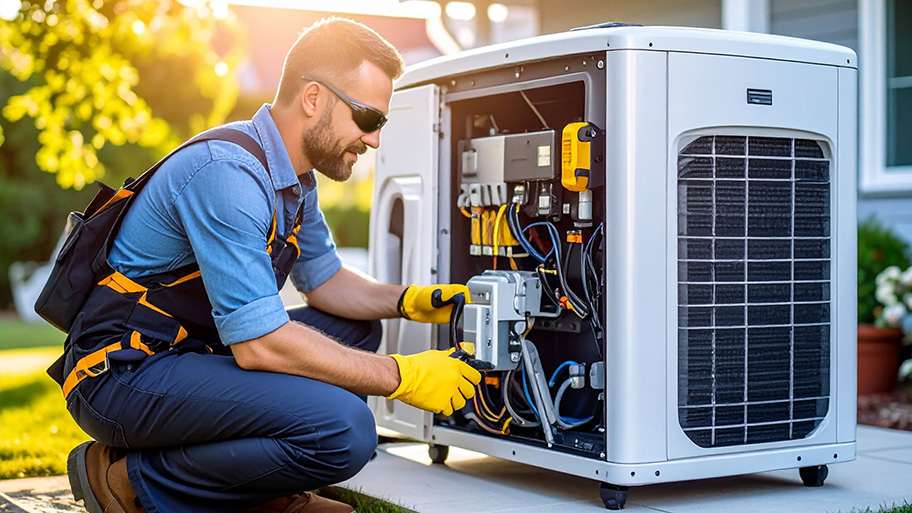
Keeping on top of generator maintenance and repairs gives you extra peace of mind as a homeowner. Find out how much regular generator maintenance costs.
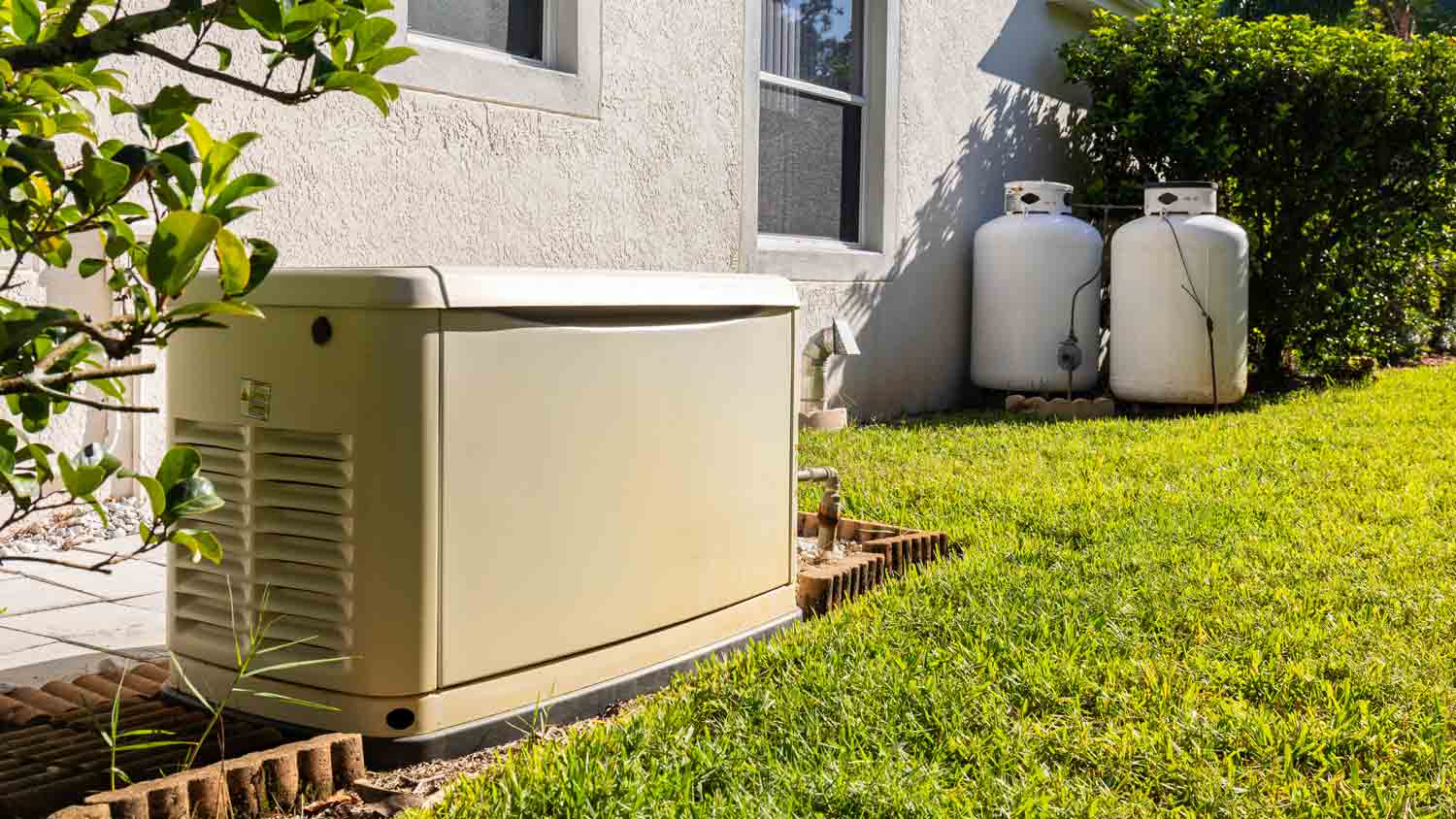
Whole house generators are a power alternative that can deal with frequent blackouts and other problems. Here’s how they function.
Whole house generators can power homes when electric problems hit, but they aren’t for everyone. Here’s what you should know when you’re thinking about buying.

Whole home generator installations require a professional hand. Read this guide to help you decide which generator is best for your home.

A whole house generator can keep your home running during a power outage, but can it handle the energy demands of an air conditioner? Here’s what to consider.