Summit Electrical is your go-to electrical crew based right here in Northeast Wyoming. With over 35 years of combined experience, we're the experts in all things electrical, whether it's installations, repairs, troubleshooting, or maintenance. We take pride in delivering top-notch workmanship, personalized service, and a commitment to keeping you satisfied. Our team knows the ins and outs of every kind of electrical job, from simple residential wiring to complex commercial setups.
\n
\n
\n
"The furnace took 4 days to get approved( not counting a Sunday) the others were quick but the water heater had to be ordered so without hot water for a week. One ceiling fan was easy but within a year their policy changed and They would not install the one I purchased and had to get a new one approved and then ordered online and took several weeks to get straightened out. Not sure who was at fault, AHS, installer or scheduling with renter. Fee is usually $75 per visit"
With several years of experience, we work hard to bring each customer the best possible service and quality available. We look forward to working with you on your next project. We welcome your questions and thank you for your interest.
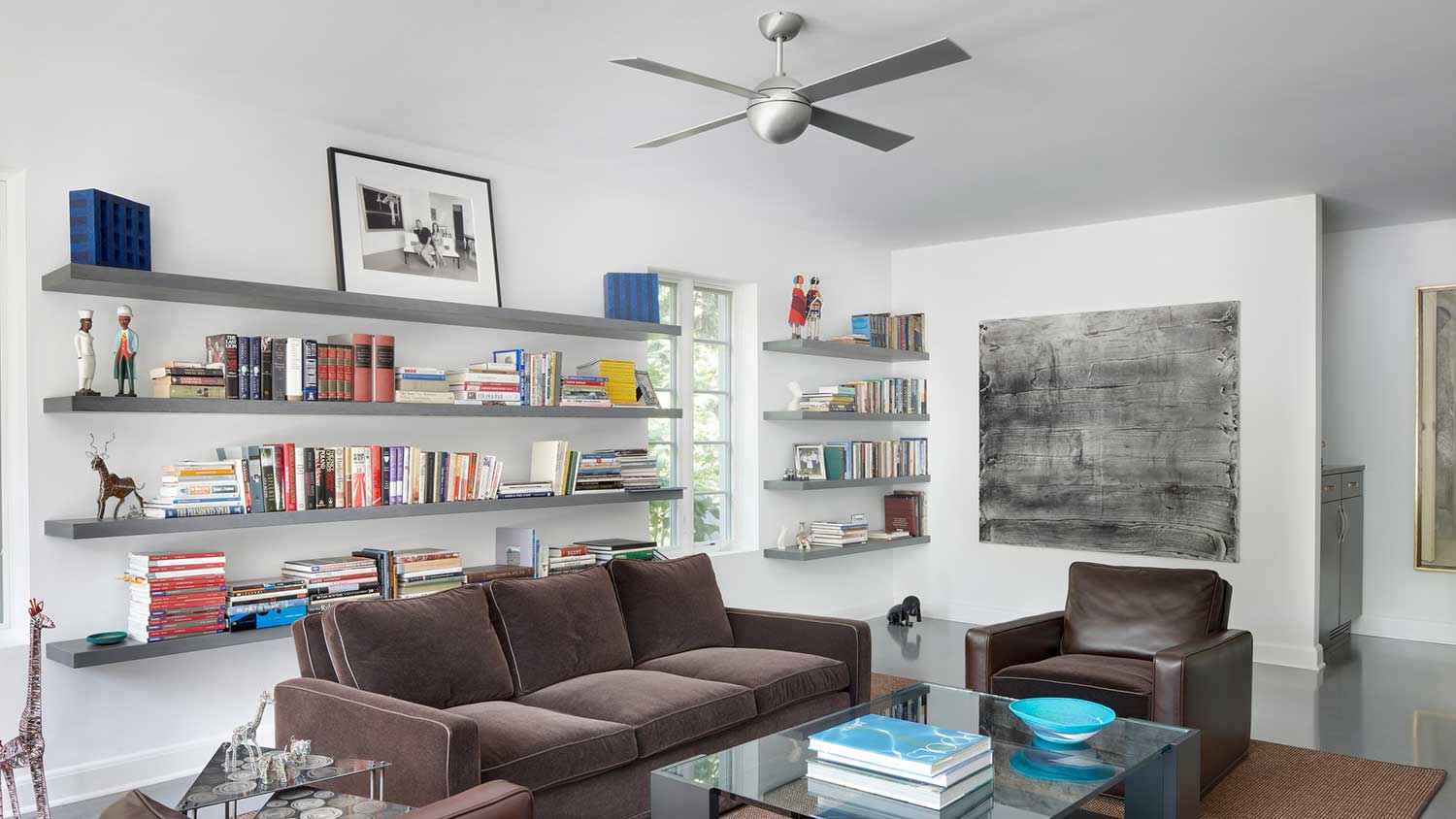
The number of blades for your fan poses both advantages and disadvantages. Typically, the more blades on a fan, the better the air distribution and cooling effect, but this also means that your fan will have more wear on its motor. For small rooms, three-blade fans should work fine. For larger areas like living rooms, four or five-blade fans might be the better option.
There are many types of ceiling fans, from self-automated smart ceiling fans to outdoor ceiling fans that provide additional comfort to your patio. What you choose all comes down to function and personal taste.
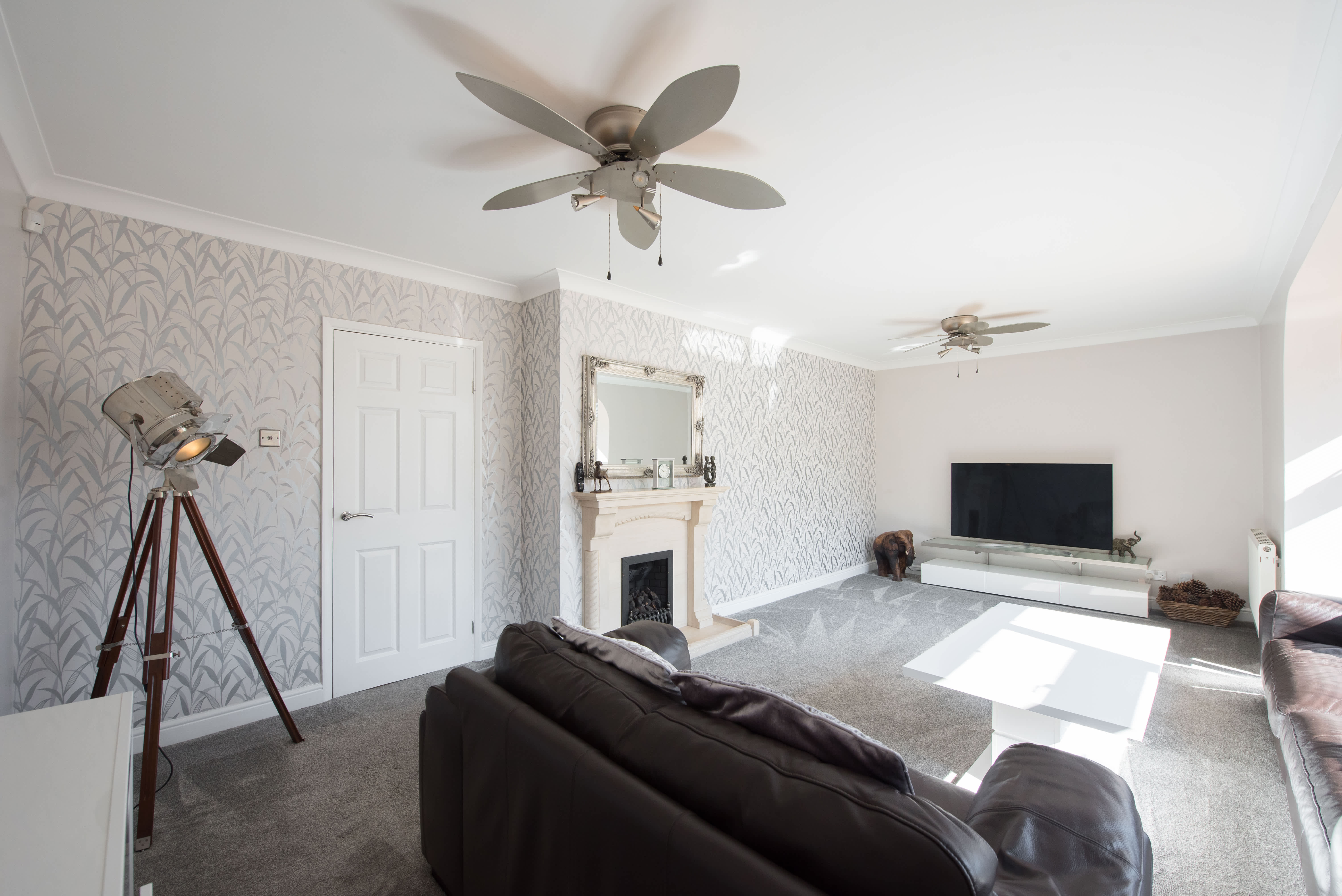
Consider your ceiling height when selecting a ceiling fan. Rooms with ceilings under eight feet high will do well with low-profile ceiling fans, also known as flush-mount or hugger ceiling fans. If your home has cathedral ceilings or ceilings between 10 and 25 feet high, you’ll need a large ceiling fan with a heavy-duty motor to get adequate air circulation.
The direction your ceiling fan spins helps create comfortable airflow in your home and can also help cut down on energy costs.
During summer, your ceiling fan should spin counterclockwise. This will push cooler air downward in a column and help lower your room’s air temperature. In the winter, set your ceiling fan to spin clockwise and at the lowest speed setting. This will pull cool air upwards, displacing the warm air that pools towards the top of your ceiling and bringing it down towards the floor.
Most ceiling fans have a lifespan of anywhere from five to 15 years or 10 years on average. Just how long your ceiling fan lasts depends on the quality of the parts, how much it’s used, and how well you maintain it. A fan with a weak motor that runs on the medium setting nonstop is likely to have a shorter lifespan compared to a fan with a powerful motor that runs on the slowest setting for air circulation.
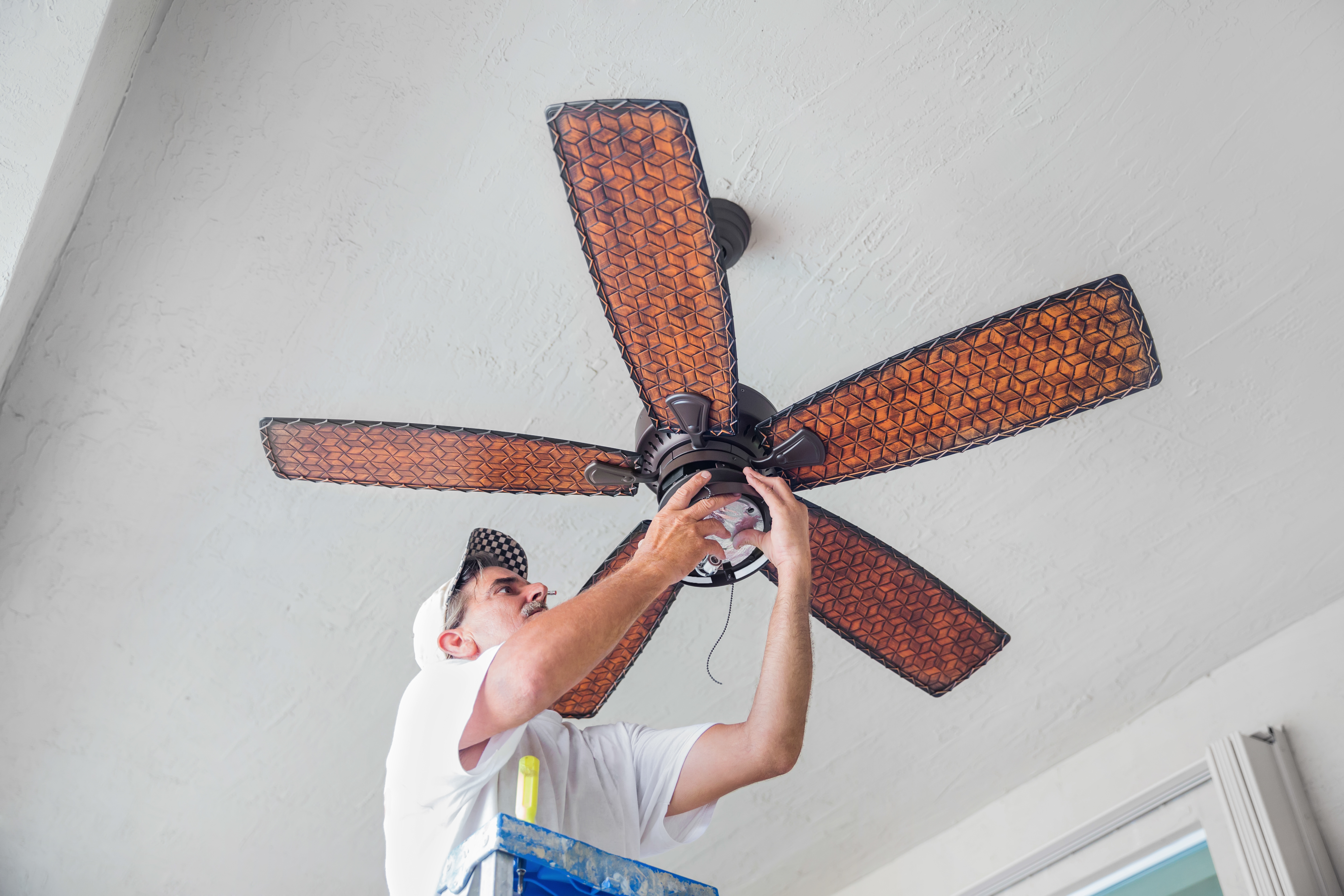
To determine if your ceiling box can support a fan, you must check if it is specifically fan-rated. Manufacturers are required to indicate this on the box itself. You may need to remove the existing light fixture to look inside the ceiling box for an inscription stating it is rated for fan use. If you do not see this confirmation, the box is likely not strong enough and must be replaced with a fan-rated junction box. For a proper and safe installation, you should also use a fan brace to secure the new box between the ceiling joists, which provides the necessary support for the fan's weight and motion.
The Saddlestring, WY homeowners’ guide to ceiling fan services
From average costs to expert advice, get all the answers you need to get your job done.
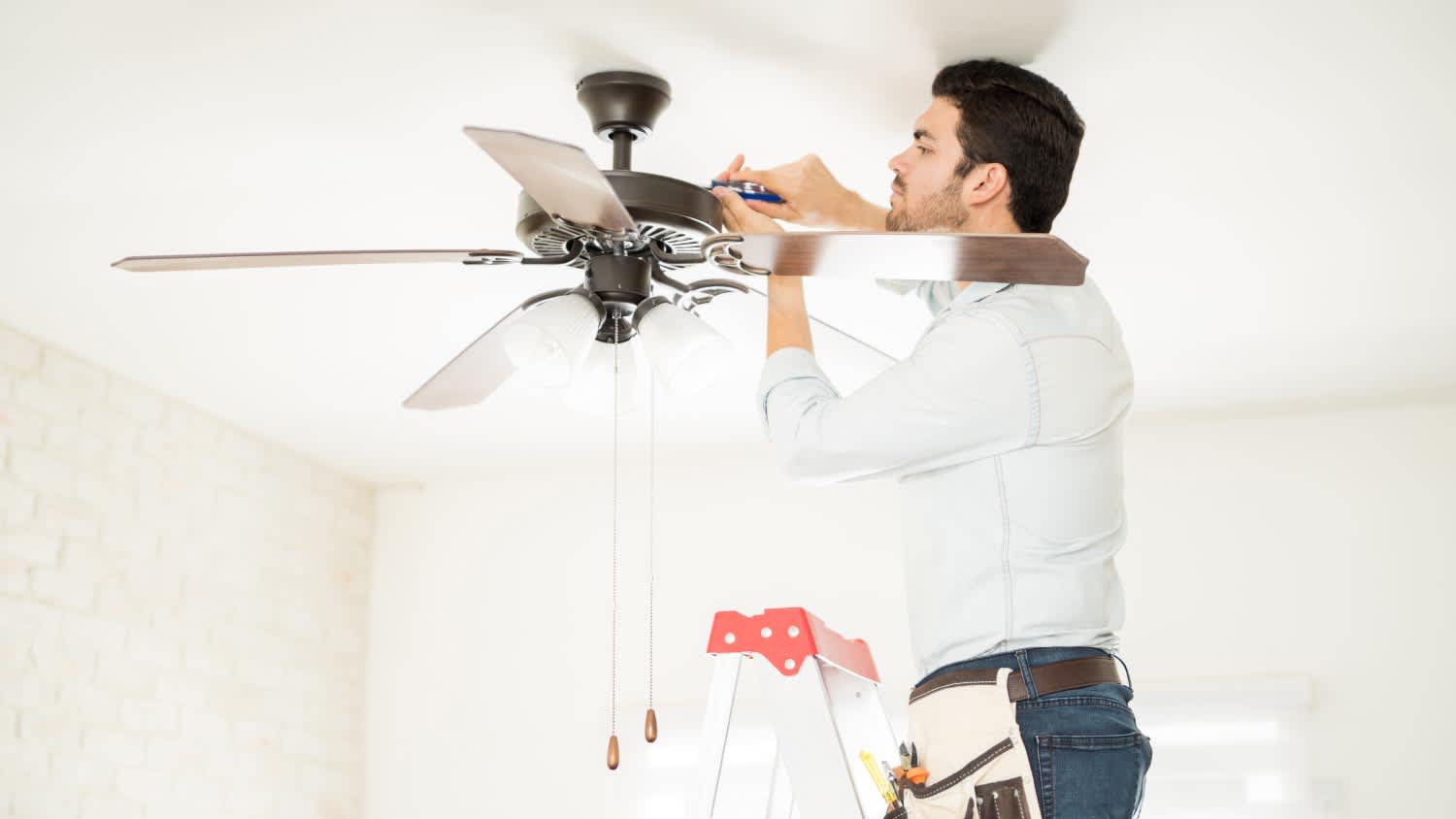
Discover the cost to install a ceiling fan, including labor, materials, and tips to save. Learn what impacts your price and how to budget for your project.
Ceiling fans cool down your home while stylishly accenting your space. With a variety of types of ceiling fan on the market to choose from, you can’t go wrong.
Although the risk is low, there are a few telltale signs that a ceiling fan will fall off your ceiling. This guide explains when to worry (and when not to).