


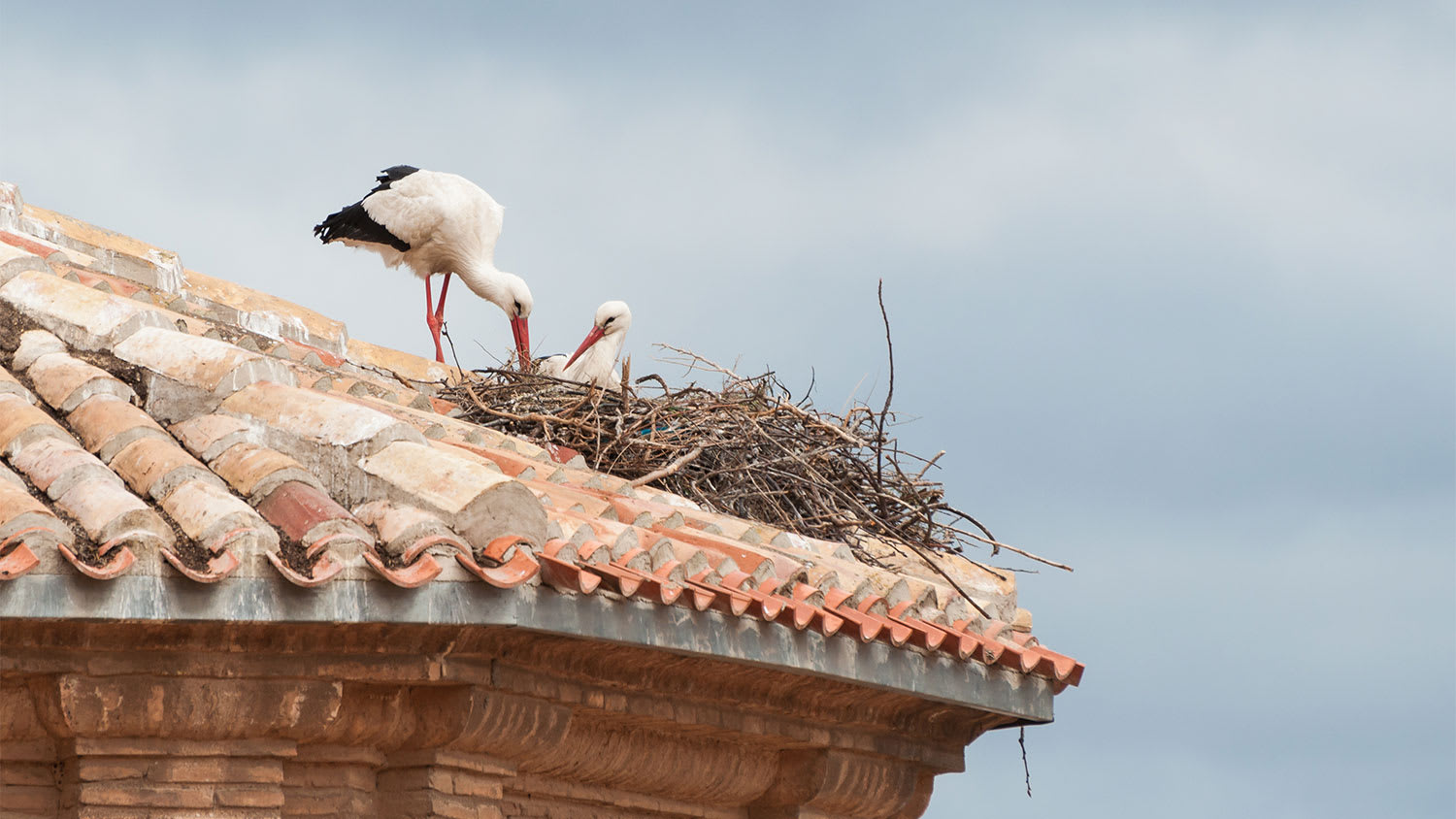
Sometimes birds nest in unwelcome places. Find out how much bird nest removal will cost based on factors like location, bird species, and preventative measures.
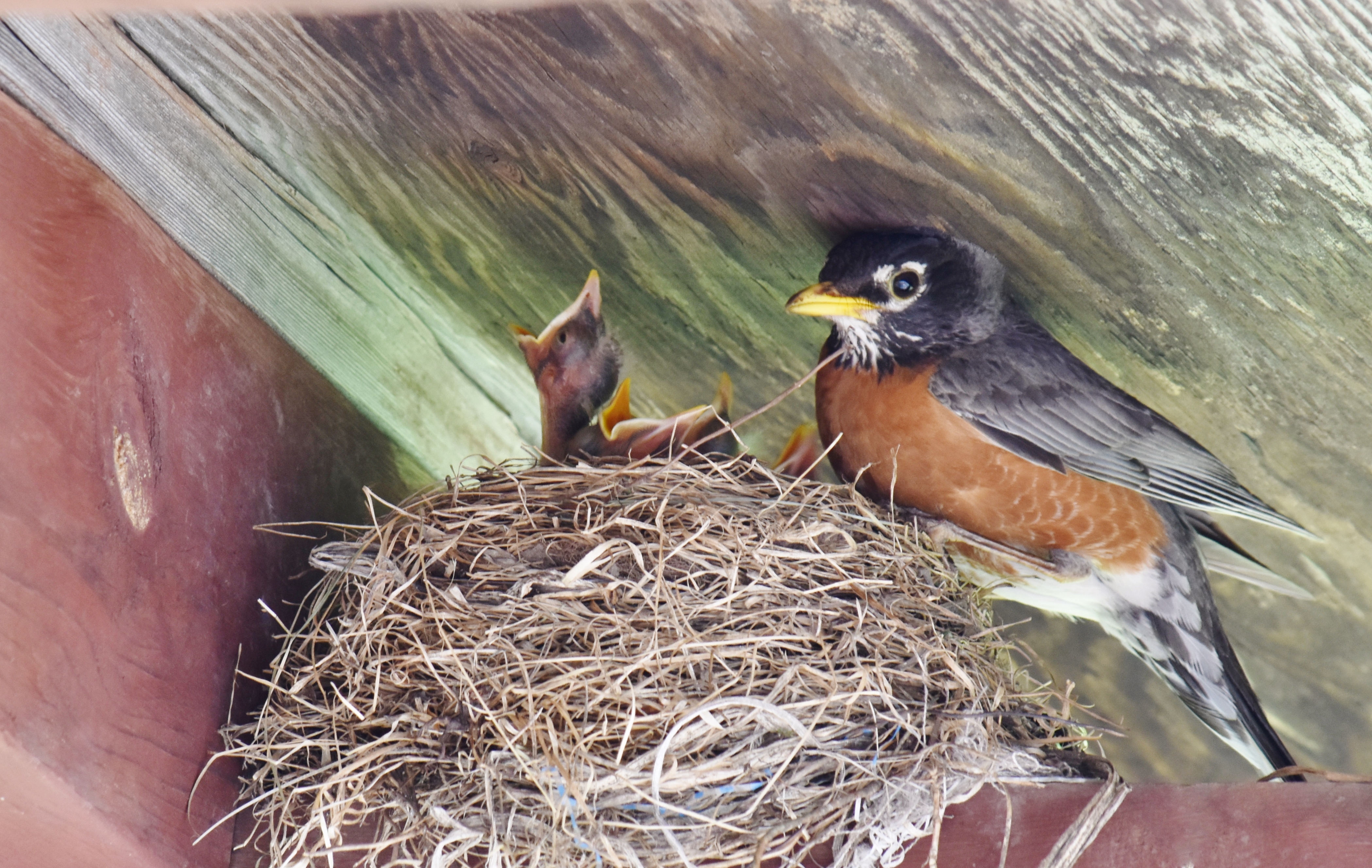
*The Angi rating for Bird Control Service companies in Glenrock, WY is a rating based on verified reviews from our community of homeowners who have used these pros to meet their Bird Control Service needs.
*The HomeAdvisor rating for Bird Control Service companies in Glenrock, WY is a rating based on verified reviews from our community of homeowners who have used these pros to meet their Bird Control Service needs.
Last update on November 04, 2026
From average costs to expert advice, get all the answers you need to get your job done.
Sometimes birds nest in unwelcome places. Find out how much bird nest removal will cost based on factors like location, bird species, and preventative measures.
Bats may have their benefits, but you don't want them taking up residence in your home. This guide will help you understand bat removal costs.
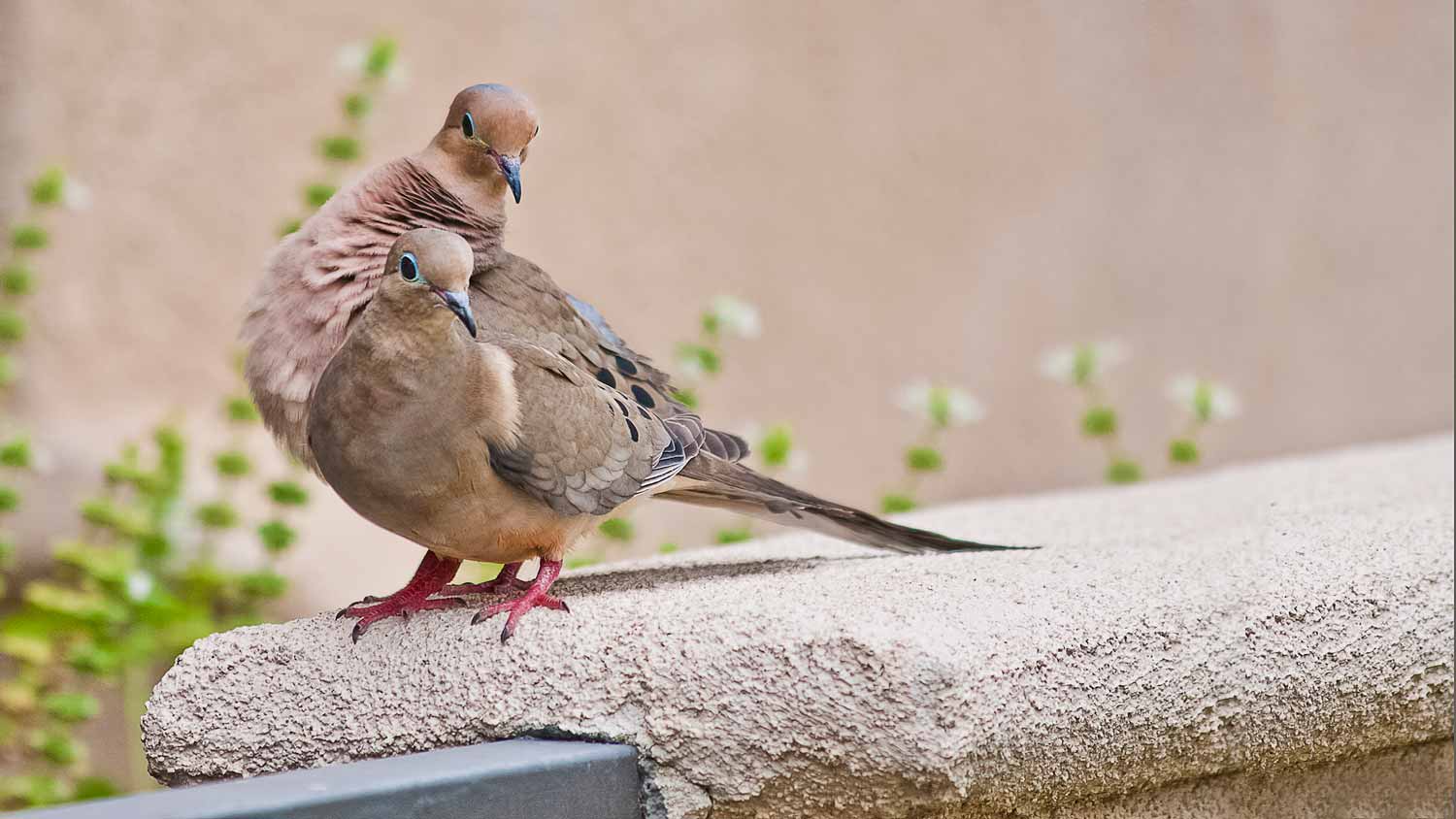
Tired of birds taking over your space, creating noise, and leaving messy droppings? Learn how to keep birds off your porch with this simple guide.
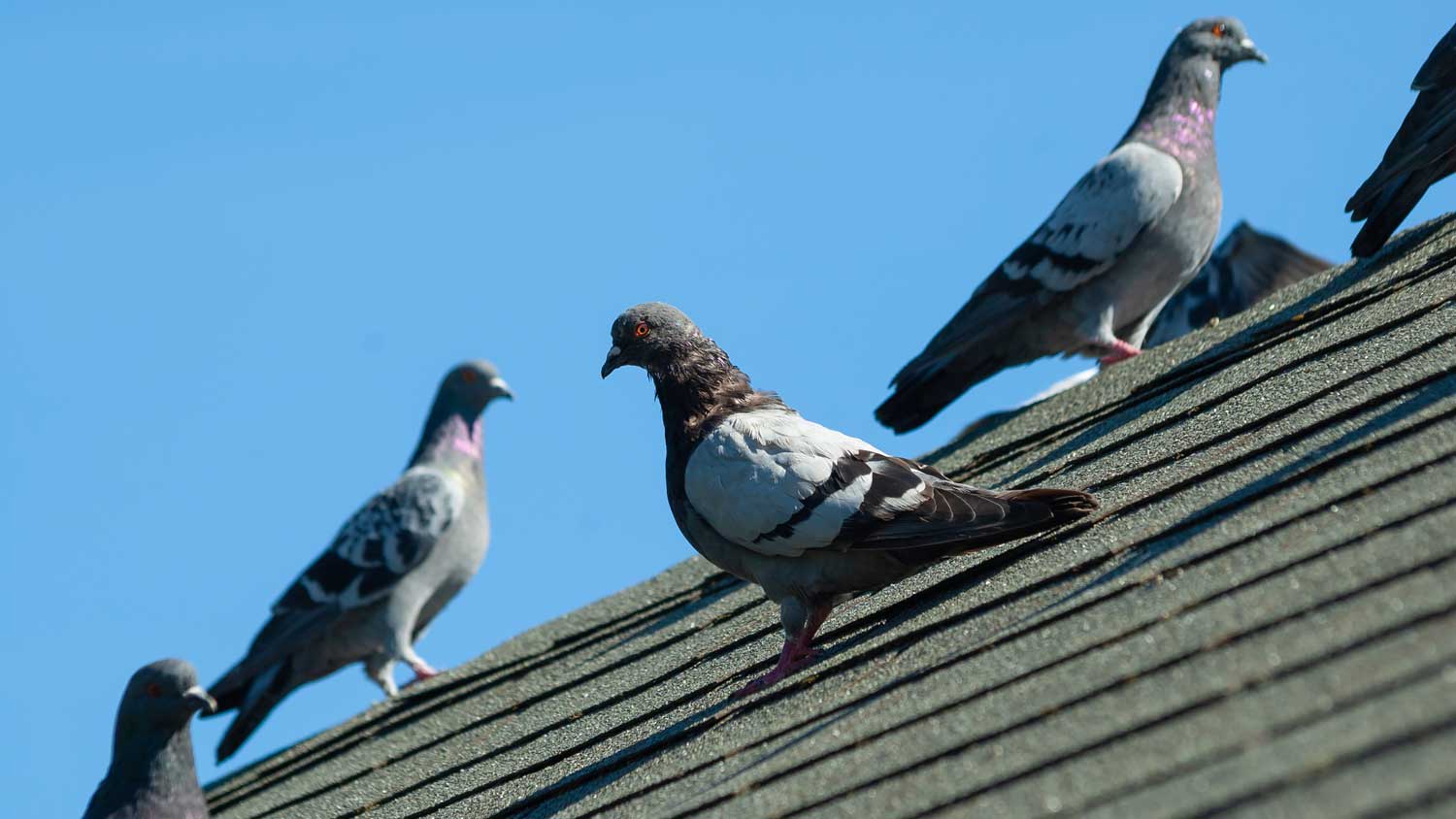
Discover effective methods for how to get rid of birds. From cleaning your yard to adding decoys, learn about humane strategies to shoo avian guests.
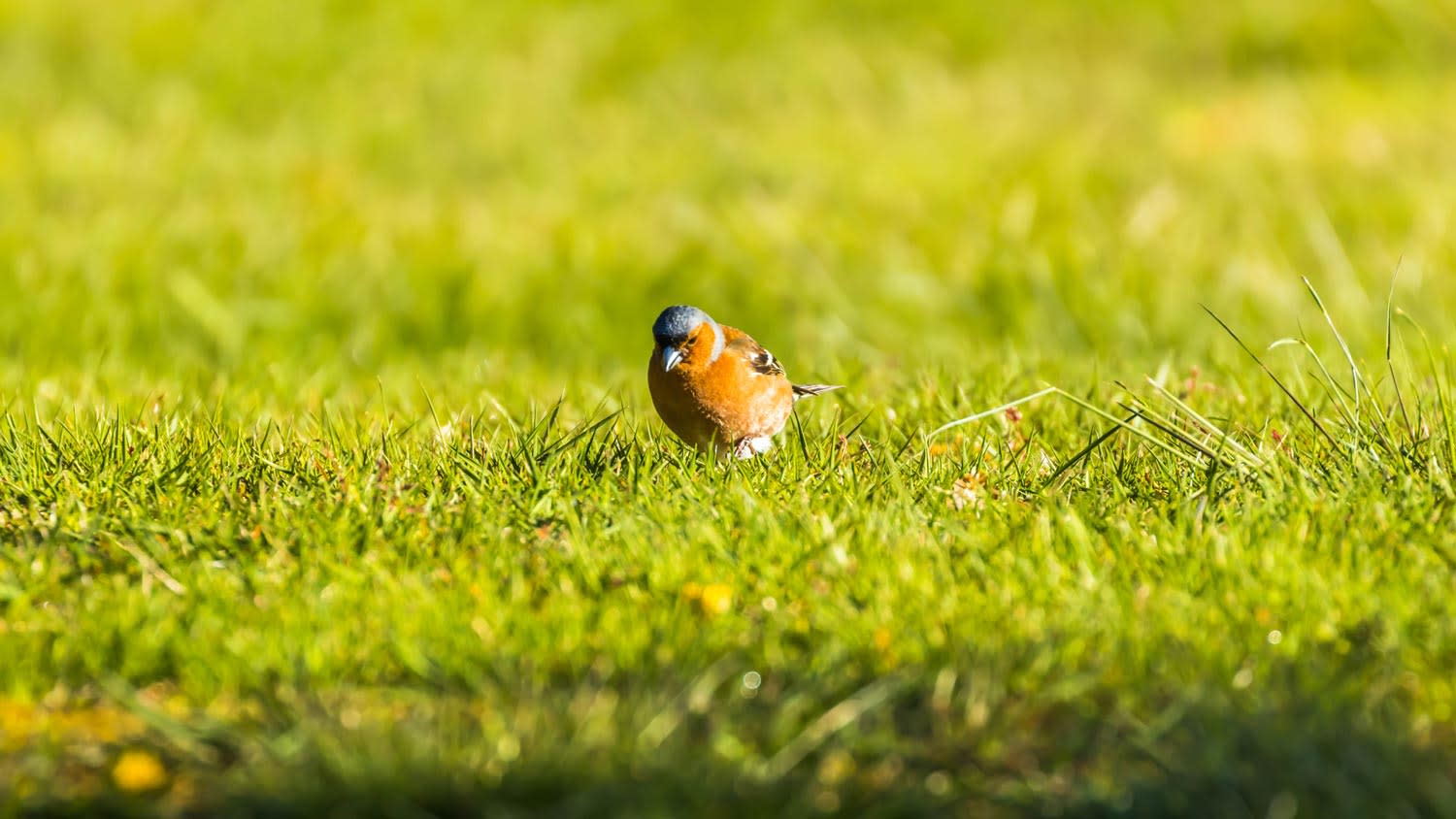
Bird netting and fake owls help to keep your seeds safe, but read on to learn other unconventional ways to keep birds from eating grass seed.
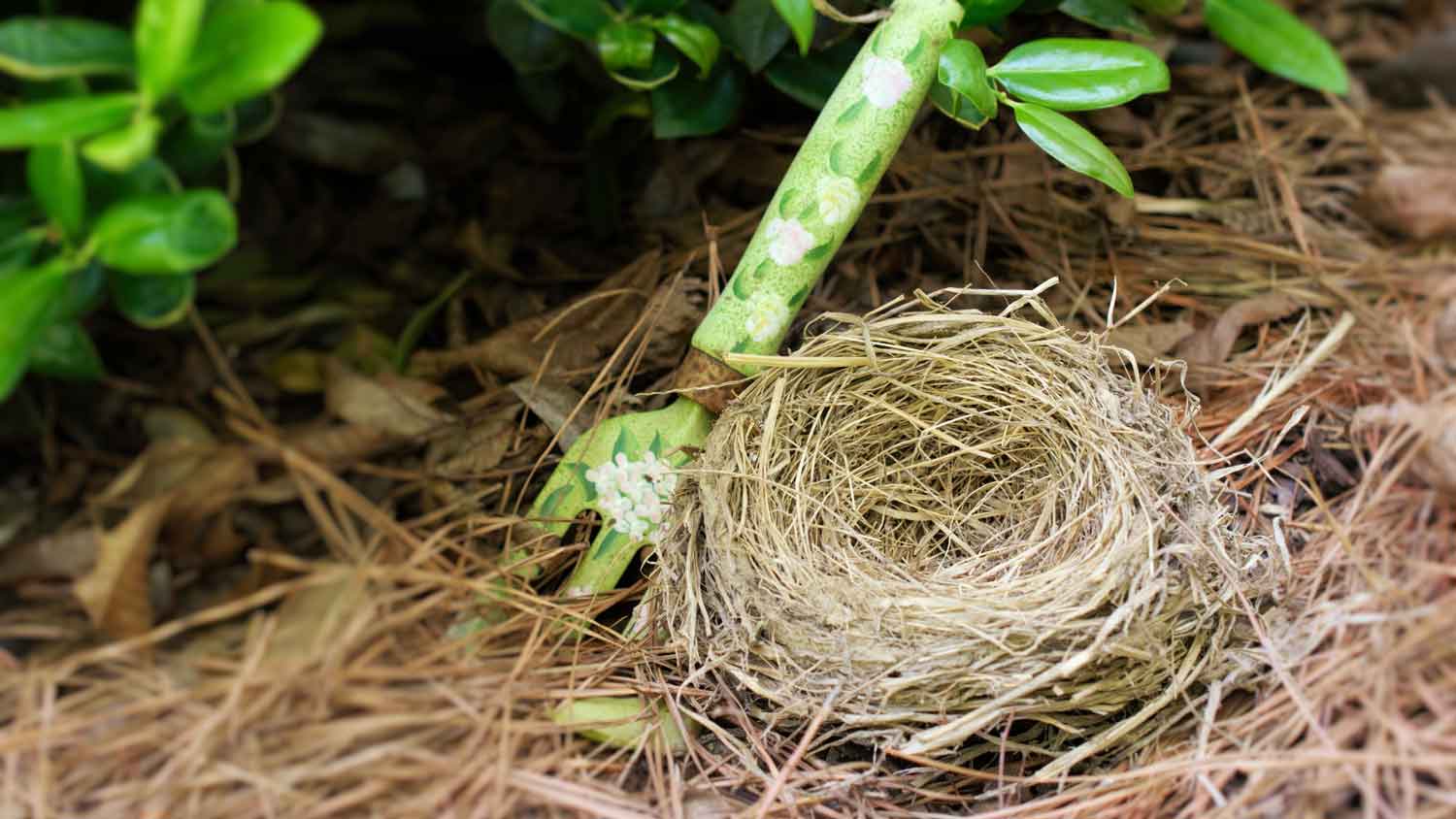
If you’re looking for help with unwanted pests, these are the animal control questions you can expect a pro to ask before wrangling pint-sized pests.