Reliable, detail-driven contractor with a strong work ethic and a reputation for getting the job done right the first time. I specialize in excavation, site prep, landscaping, hardscaping, and concrete work, bringing both skill and precision to every project? Big or small.
LandWorks has been dedicated to this craft for over 15 years. We pride the company on reliability, excellent communication, integrity, and quality work. We strongly believe in giving our absolute best in all our projects no matter how big or small. We look forward to earning your business!\n
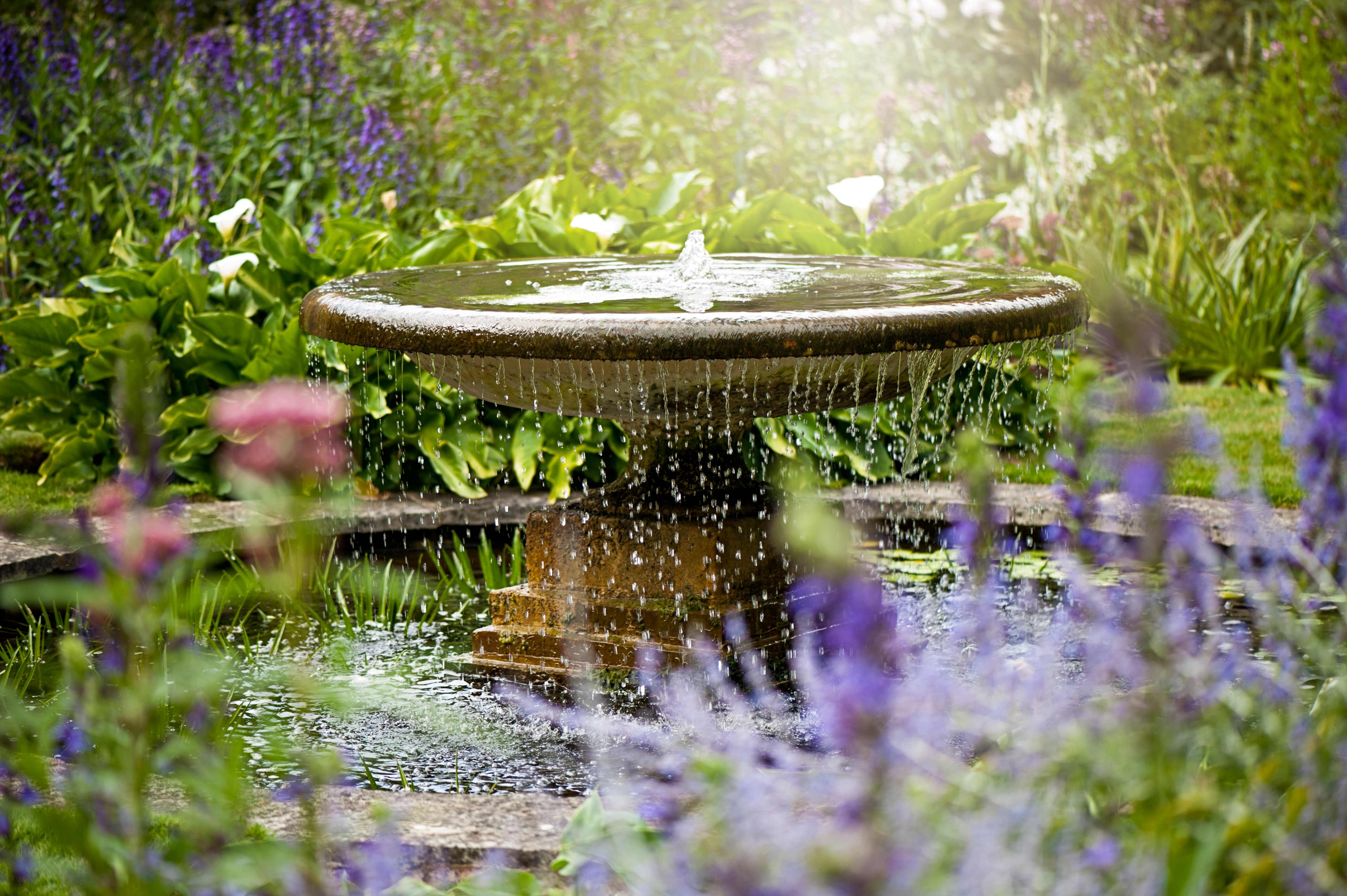
Placing your water feature in direct sun can speed up evaporation, leading to pump damage and algae growth. Shade or partial shade serves as the ideal location for most water features—just watch out for tree and plant debris that may fall in and clog the pump.
While they’re popular and have a lot of pros, the cons of river rocks include the following:
River rocks don’t break down or provide nutrients to plants.
These stones can get hot and scorch nearby plants.
River stones may heat the surrounding soil to inhospitable temperatures.
Rocks can block rainwater from seeping into the ground if installations are too thick or tightly packed.
Most downsides occur when using river rock as mulch in gardens and flower beds. However, you can still incorporate river rocks into your landscape as long as you use them in the correct ways.
Regularly clean pumps, remove debris, and monitor water levels to prevent algae growth and clogging.
Algae growth is a common issue for misters, but you can do several things to prevent it. First, use a sealed water tank with distilled or filtered water to fuel your misters. Second, blow out the misters after every use so no water is left in the tubing. Third, thoroughly clean the misting system every several weeks of use at minimum during the warmest months. Third, wherever possible positioning tubing and the water tank away from direct sunlight and in the coolest areas possible.
Lifespans vary by material and manufacturer, but pond liners last anywhere from 10 to 75 years. For example, polyvinyl chloride (PVC) pond liners have a life expectancy of up to 20 years. Other types of pond liners, including those made of high-density polyethylene (HDPE) and ethylene propylene diene monomer (EPDM), can last 40 to 50 years.
The Clark, WY homeowners’ guide to fountain services
From average costs to expert advice, get all the answers you need to get your job done.
Discover the cost to install a fountain in your pond, including average prices, key cost factors, and tips to save money on your pond fountain installation.
Learn how to find and hire a qualified waterfall or fountain installation professional for your outdoor water feature project with expert tips and questions to ask.