"I only use James when I need some work done to my house. He responds fast, gets the work done quicker than just about anyone else I've ever used and seems very concerned with leaving his customers happy."
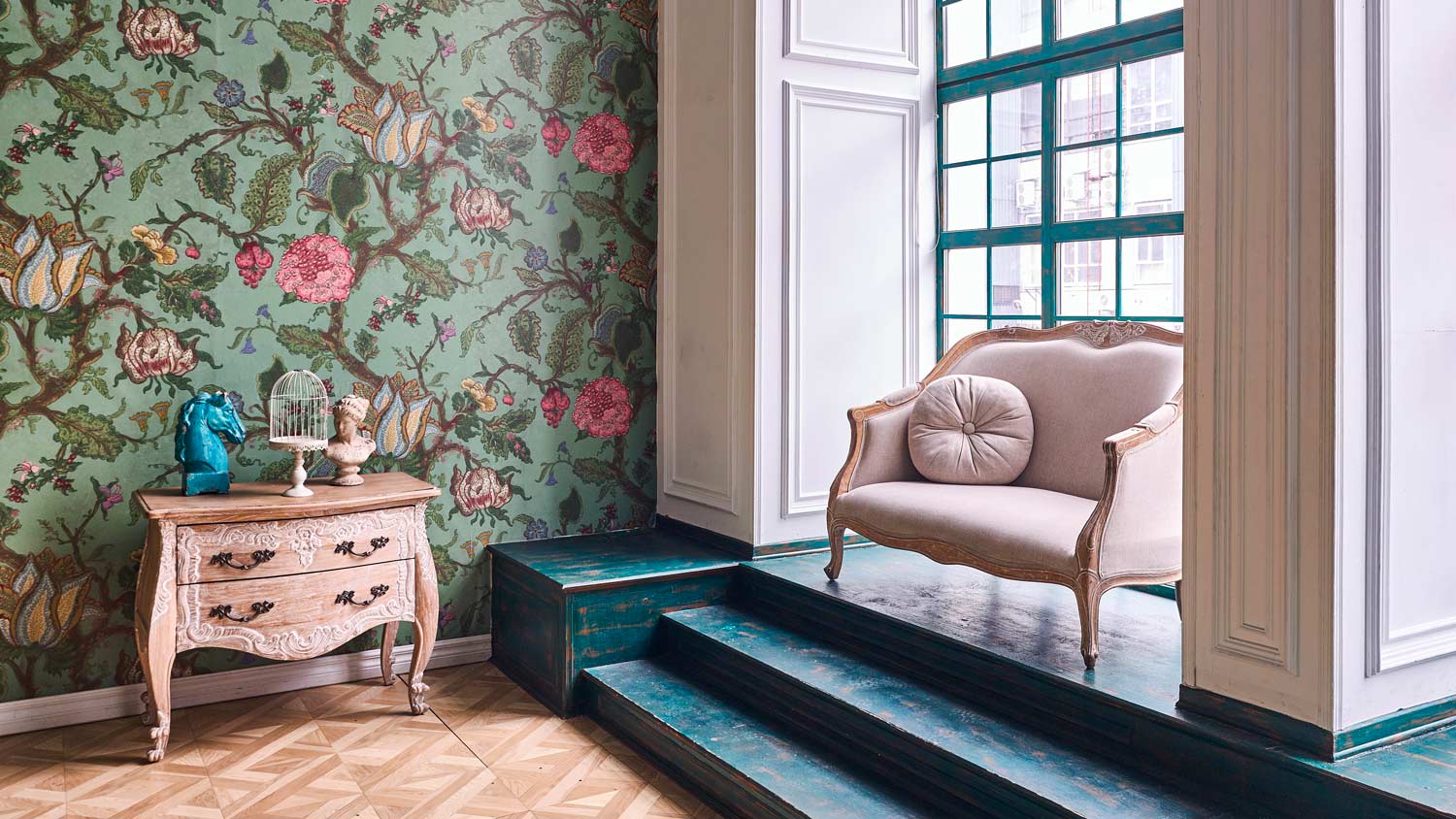
Wallpaper lasts an average of around 15 years, but there is some variance. The type of wallpaper matters, as vinyl wallpaper tends to last the longest—sometimes 20 years or more—while a peel-and-stick wallpaper, which is the easiest to install for DIYers, will usually only last for around five years. Exposure to high humidity, smoke, and UV rays from sunlight can also limit the lifespan of your wallpaper, as can heavy traffic in the installation area.
White walls are considered a classic and timeless look and will most likely always be in style. A white wall easily blends into any type of home decor style which makes it a suitable option for most homeowners. Another appealing quality about white walls is that if it's not a color someone is going for, the color is easy to paint over.
To layer wallpaper over wallpaper, inspect your existing wallpaper for problem areas. Damaged wallpaper should not be covered. If it’s okay to proceed, prep by turning off the electricity and removing any outlet and switch covers. Dust your walls and lightly rinse them to prevent the existing paper from peeling. Apply primer, then apply your new wallpaper.
Ideally, you want to ask the wallpaper installers you’re considering for examples of past work, and references you can call. These will prove that the installer can handle your job, make your room look professional, and will also give you some insight into the kind of customer service you can expect. Before you start calling companies, you might want to narrow down your options by finding installers with mostly positive reviews online.
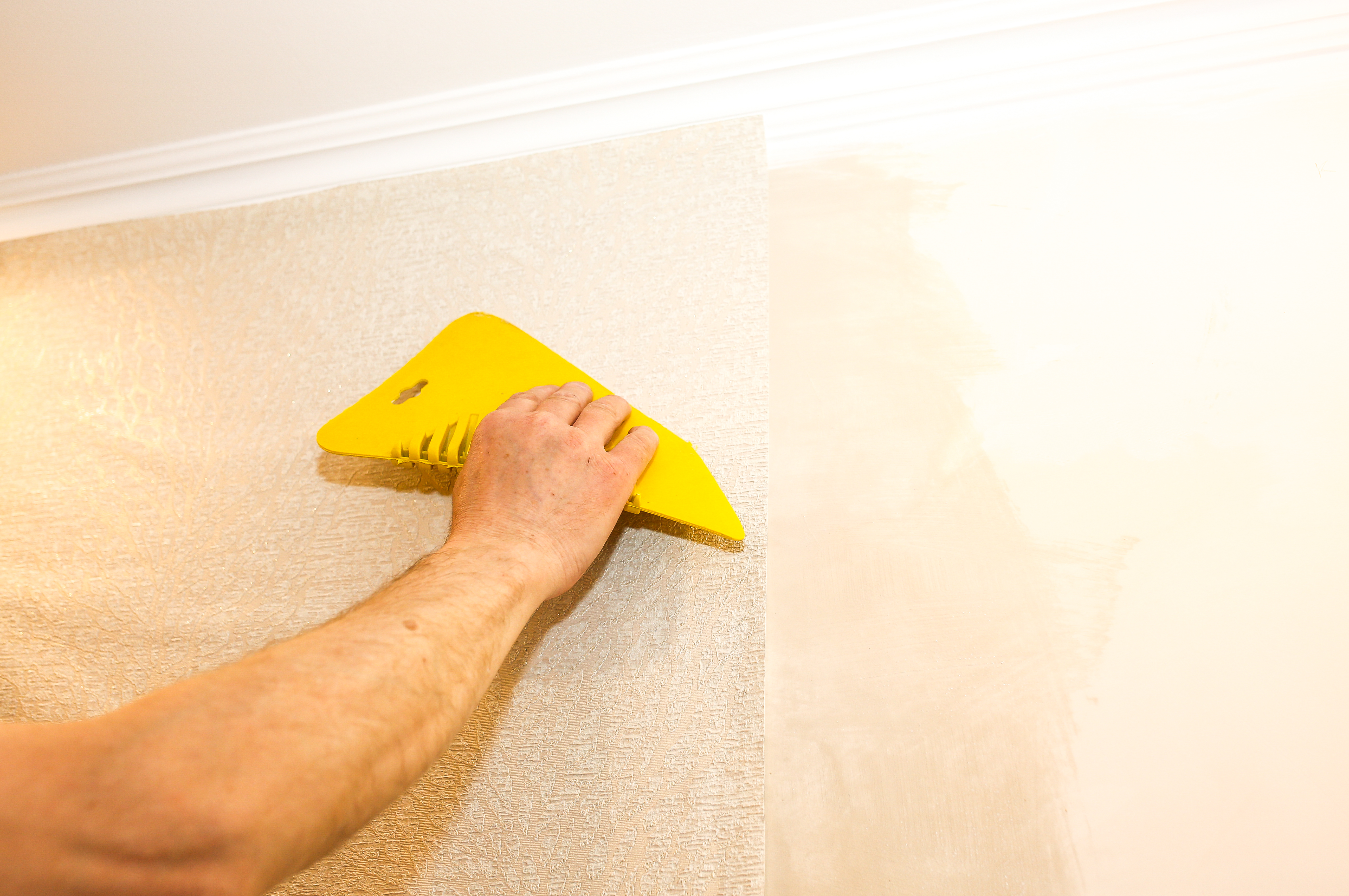
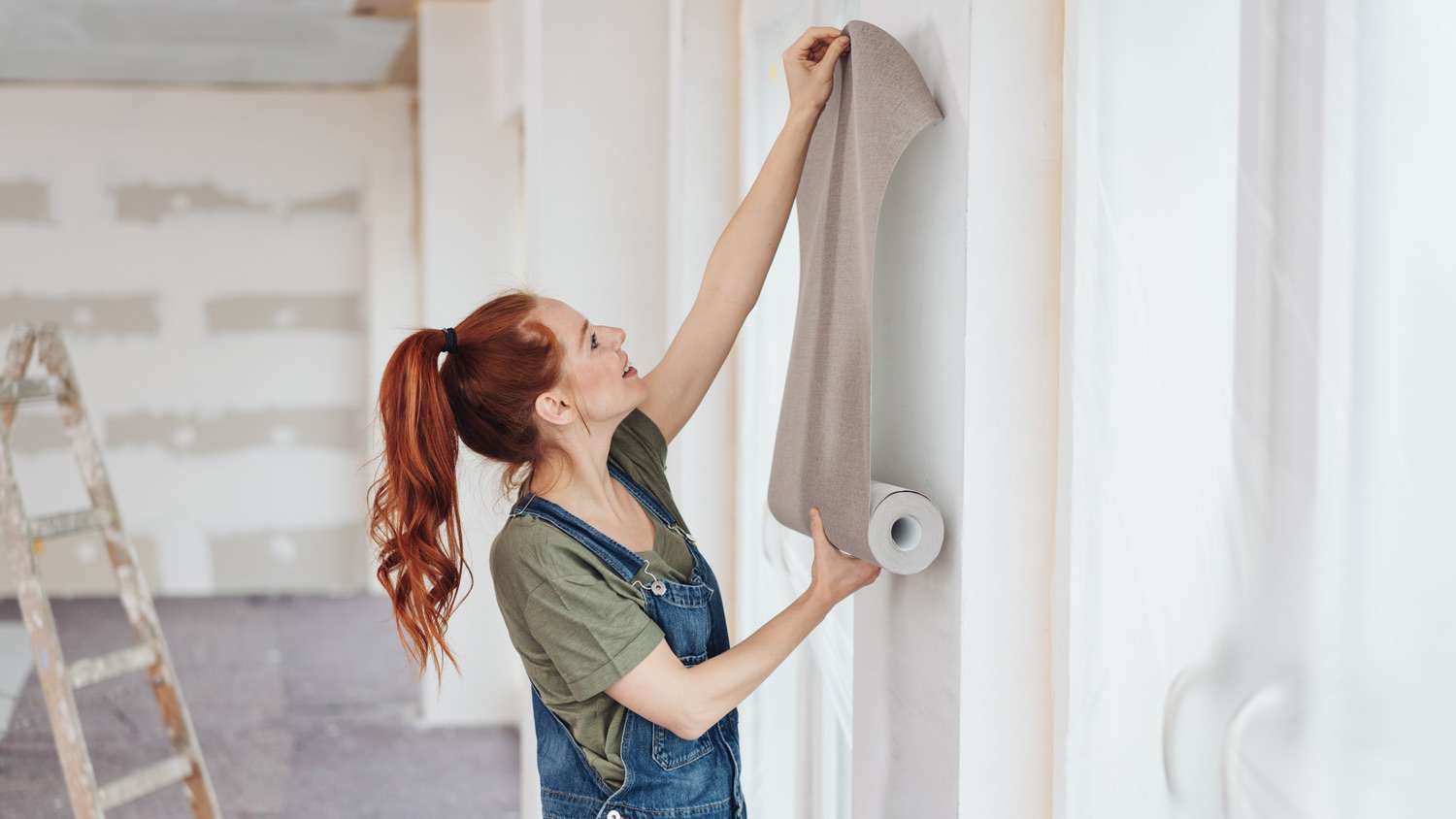
Putting up new wallpaper tends to take one to two days, depending on the size of the area, whether old paper needs to be removed, and if there is any damage to walls that needs to be smoothed over or fixed.
The Baggs, WY homeowners’ guide to wallpaper services
From average costs to expert advice, get all the answers you need to get your job done.
Discover wallpaper installation cost. Learn about material, labor, and project factors to estimate your budget and make informed choices for your home.
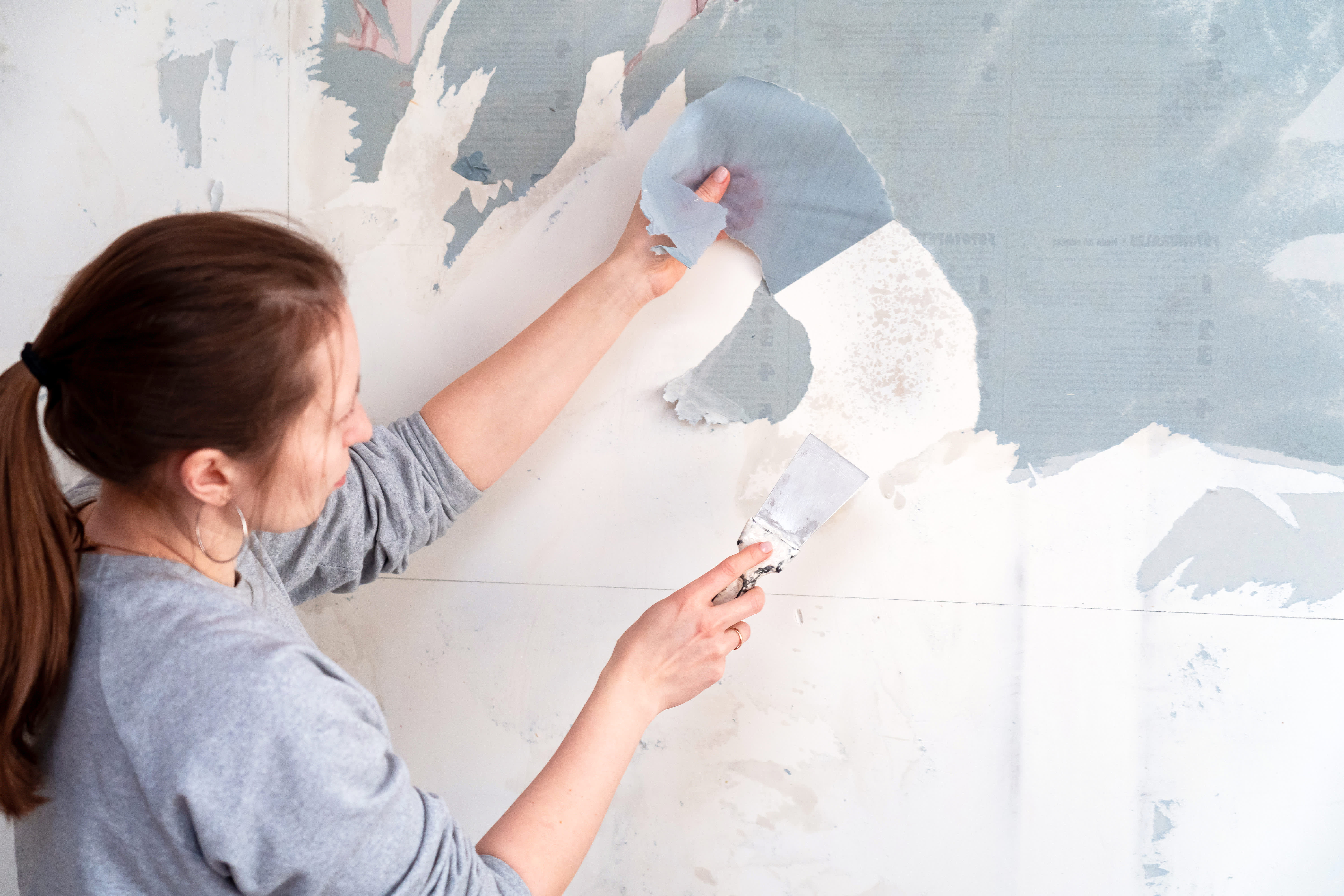
Wallpaper removal requires physical labor and can be a sticky mess. Consider these tips on the best ways to remove wallpaper to make the process as smooth as possible.
Is washable wallpaper suitable for bathrooms? Yes, but this only applies to certain types of wallpaper in specific situations. Here’s what you need to know.
Taking down wallpaper is a tedious and time-consuming job. Here are some tips on how to hire someone to remove wallpaper for you to make your life easier.