"Chuck returned my call within 2-3 days and came over and we discussed what needed to be done. He returned with an estimate within a day or two. We arranged for a start date and he and his team were on site at the agreed upon day and time. They pressure washed all the woodwork, ceiling and siding on the porch; they scraped, caulked and primed. There was a lot of scraping, especially the wood railings. A lot of attention was paid to the prep. Everything was topped off with a couple of coats of beautiful paint. They even suggested a wonderful contrasting color for the brickwork which turned out very nice. In addition, they cleaned and painted the concrete steps as well as filled in some gaps with concrete between the steps and the foundation. I was very please with how they cleaned up everything when they were done too. The job was done in 3 days."
"I only use James when I need some work done to my house. He responds fast, gets the work done quicker than just about anyone else I've ever used and seems very concerned with leaving his customers happy."
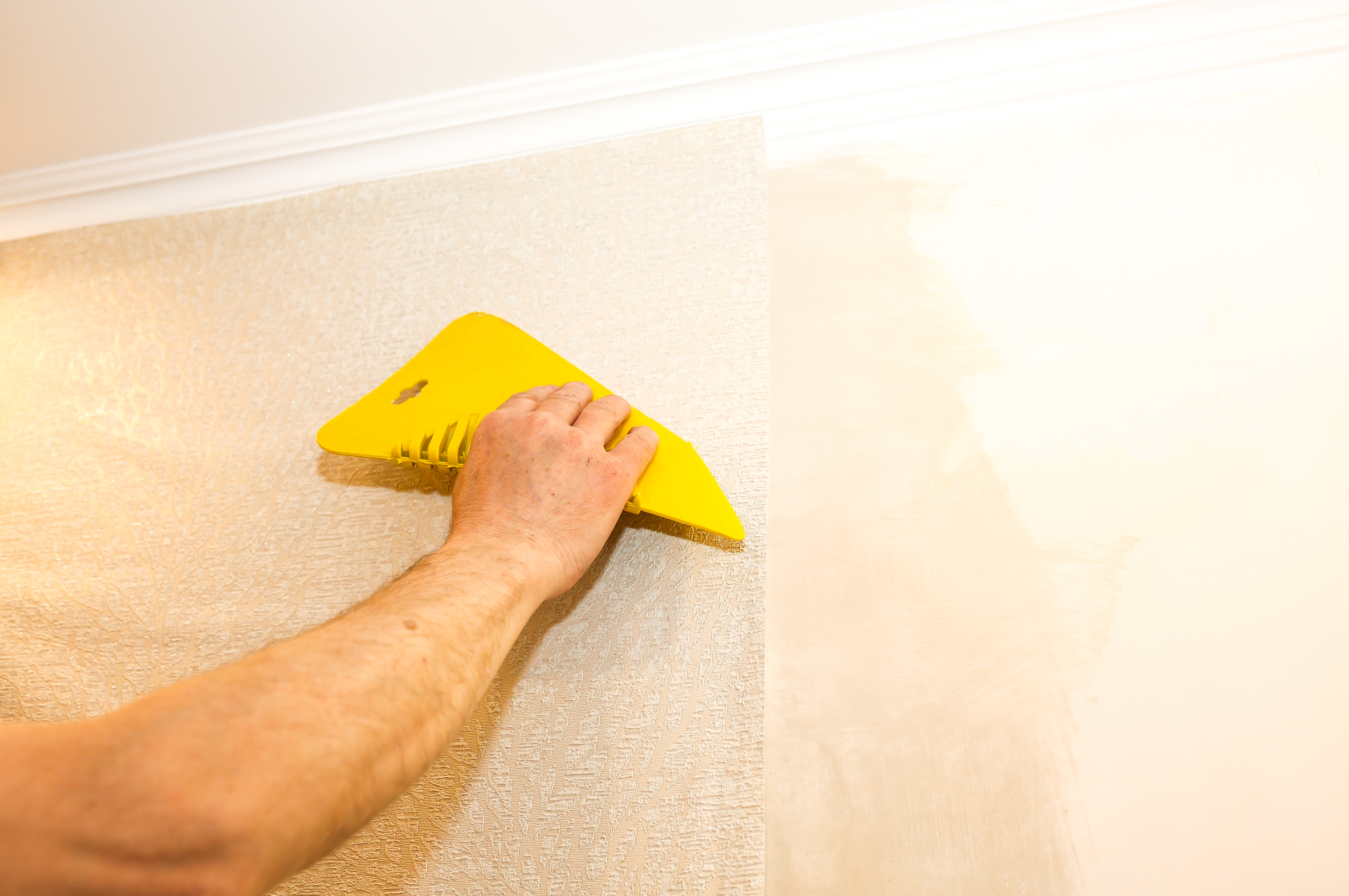
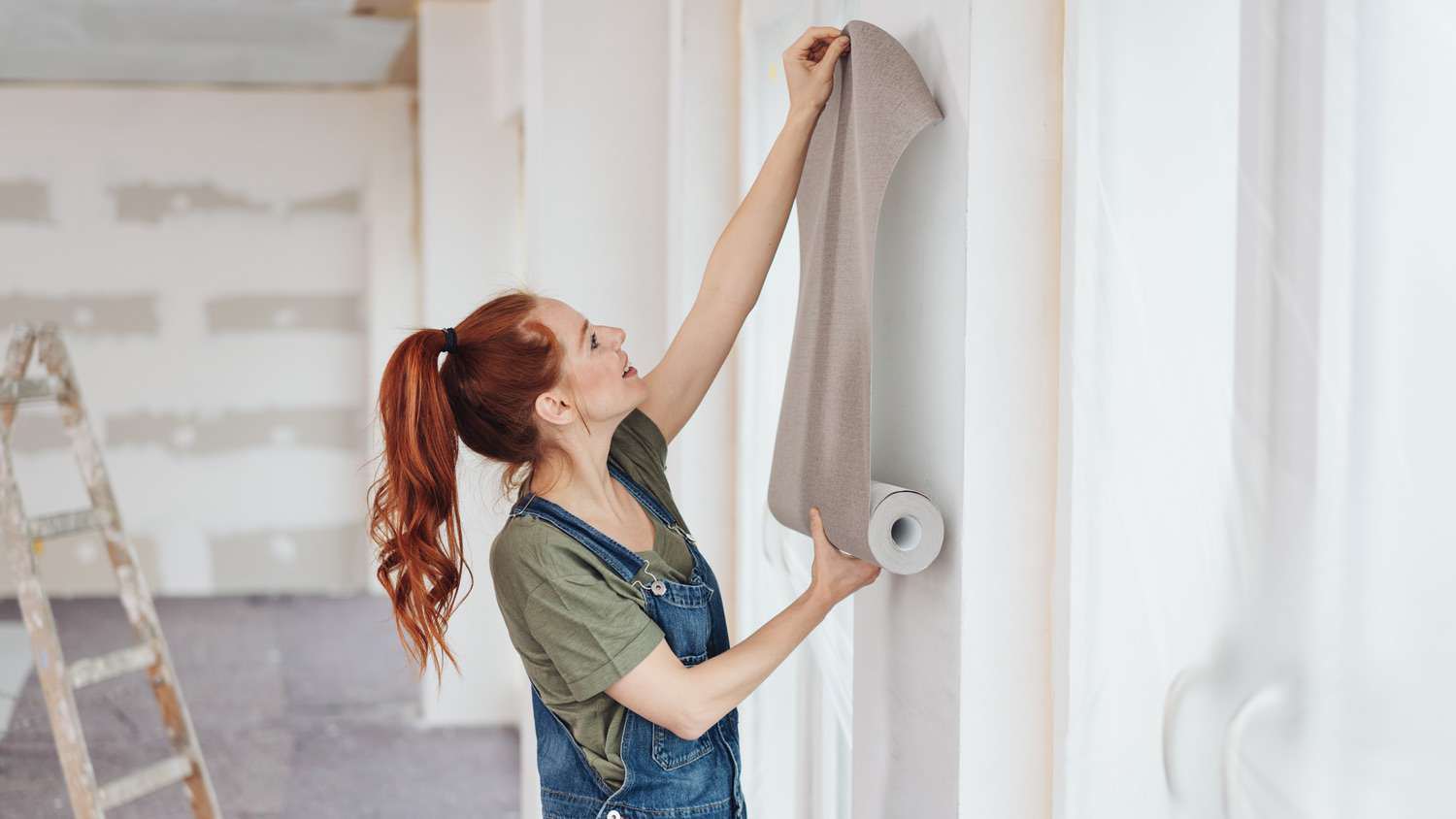
To determine how many rolls of peel-and-stick wallpaper you need, measure the square footage of the walls you’re covering and divide that by the square footage that each roll covers. Add 10% to 20% of your total square footage to account for pattern matching or damage while installing.
In most cases, it is not recommended to wallpaper over existing wallpaper, as the success depends on the type of paper already on the wall. While you might be able to cover non-coated wallpaper, you should never apply new wallpaper over a vinyl-coated one, which is more common. Doing so can lead to poor adhesion, resulting in bubbles, imperfections, and peeling. It can also trap moisture, potentially causing hazardous mold growth between the layers.
Even if the existing wallpaper is suitable, experts recommend applying only one new layer. Adding multiple layers (more than two total) can cause significant adhesion problems, leading to warping and bubbling. For the best results, the recommended approach is to remove the old wallpaper and all paste residue before hanging the new paper. If you are unsure about your wallpaper type, consider consulting a professional.
No, you don’t need to apply paint primer to your wall before hanging paintable wallpaper. Manufacturers design paintable wallpaper so that the paint will adhere effectively, so primer isn’t necessary. Plus, even if you opt for a light shade of paint, you won’t have to worry about the shade underneath showing through because you are painting on a light, white surface.
Once again, contact with moisture is the culprit here, though water-resistant varieties of wallpaper are less likely to become wet and develop mold. Using a high-quality exhaust fan or dehumidifier and leaving the doors or windows cracked after bathing will keep this issue at bay.
Darker walls may make tight bathrooms appear even smaller, but one dark accent wall can really make a bathroom pop. Wallpaper with a dark background can add intrigue and sophistication. Still, if you’re looking to open the room up and give it a modern, airy feeling, light colors may work best for your needs. Although there are some popular and unpopular opinions, there’s really no “should” when it comes to personal design choice.
The Spencer, WV homeowners’ guide to wallpaper services
From average costs to expert advice, get all the answers you need to get your job done.
Discover wallpaper installation cost. Learn about material, labor, and project factors to estimate your budget and make informed choices for your home.
Whether you can put wallpaper over wallpaper depends on the type of paper you’re using and the condition of the existing surface. Learn more with this guide.