



Top-rated energy efficiency auditors.

Get matched with top energy efficiency auditors in Piney View, WV

Enter your zip and get matched with up to 5 pros

Need a pro for your energy efficiency auditing project in Piney View, WV?

Select your specific project to find the pro for you.

Find Energy efficiency auditors in Piney View

Avatar for Renewable Engineered Systems
Renewable Engineered Systems
4.7(
12
)
Energy Audit - For BusinessHome Energy Audit

Serving Piney View, WV and surrounding areas

In business since 1998

Free estimates

Emergency services offered

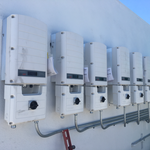
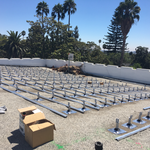
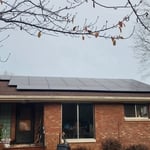
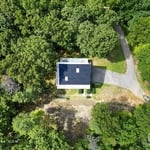
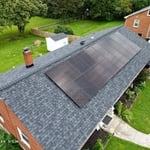
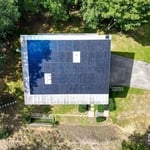
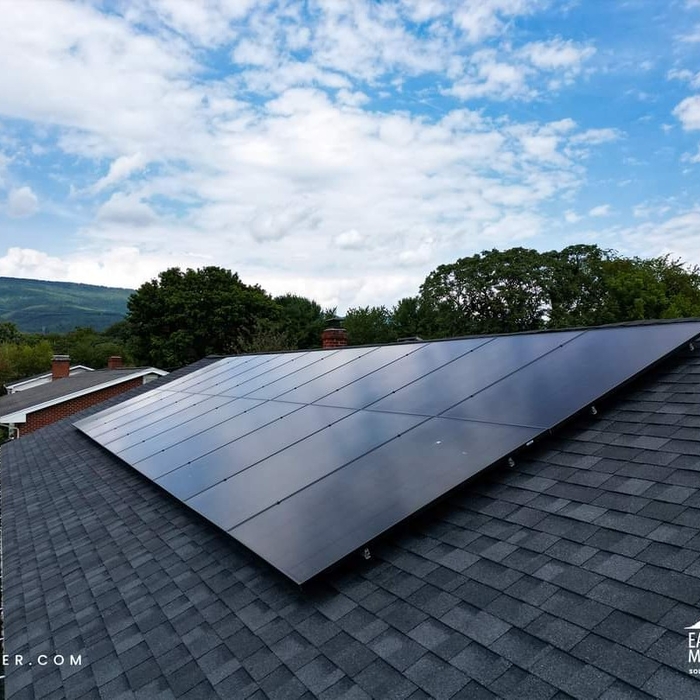
"Wonderful, it was a very quick and easy process. Brian talked us through it and in no time we had a 3KW system mounted on a frame in the garden and the invertor installed in the basement. Brian talked us through working with our power company to get the system checked and approved and we now get credits from the power company for power we provide to the grid. In addition we are set up to get Solar Renewable Energy Credits (SRECs) payments for providing clean energy. We also got a free Energy Audit which helped locate some problems areas we were able to fix. The system has basically cut our energy costs in half. I have hesitation in recommending them to anyone interested in solar energy."

Additional Photos
Additional Photos
Additional Photos
Additional Photos
Additional Photos

+14

Recommended by100%of homeowners

Energy Efficiency Auditing questions, answered by experts

Smart glass doesn’t use a lot of electricity, and you can expect a standard window to add between $1 and $2 per year to your electric bills. Smart glass is proof that energy-efficient windows work. Although your smart windows may consume a little energy to operate, they can save enough energy to offset the costs. If you’re concerned about the minimal bump to your electricity consumption, you can opt for smart tint, which doesn’t require electricity to work.

Home power is measured in kilowatt-hours, commonly expressed as kWh. The average home uses between 800 and 1,000 kWh per month. Peak usage (and highest bills) occurs in the middle of summer and the depths of winter. Keeping on top of your usage during these crucial months will lower your annual average usage considerably. 

An average, 400-square-foot electric heated driveways consume approximately $3 per hour in terms of electricity. The price may slightly fluctuate depending on your local energy cost. A simple formula to calculate your heated driveway’s total wattage consumption is by multiplying the square footage by 50 watts and then dividing it by 1,000 to get the kilowatt number. Multiply that with your local energy cost per hour and there you have the hourly operating cost.

Audits typically take 2-4 hours, depending on the property size and energy systems.

String lights require electricity, but not an excessive amount, especially when compared to other lighting fixtures. LED rope lights, for instance, consume around one watt per foot. Running six or seven light strings simultaneously should only cost you around $10 to $15 each month. You can save even more money by remembering to turn off your lights during daylight hours. 

The Piney View, WV homeowners’ guide to energy efficiency auditing services

From average costs to expert advice, get all the answers you need to get your job done.