


McClung
Handyman for Multiple Small Projects
Serving Hartford, WV and surrounding areas
Approved
Howdy! I've been at this for 40+ years. Every phase of construction. No job to Big or to small. Call on me to get the job done right. Thanks!
*The Angi rating for Pool Table Assembly companies in Hartford, WV is a rating based on verified reviews from our community of homeowners who have used these pros to meet their Pool Table Assembly needs.
*The HomeAdvisor rating for Pool Table Assembly companies in Hartford, WV is a rating based on verified reviews from our community of homeowners who have used these pros to meet their Pool Table Assembly needs.
Last update on October 08, 2026
Serving Hartford, WV and surrounding areas
Approved
Howdy! I've been at this for 40+ years. Every phase of construction. No job to Big or to small. Call on me to get the job done right. Thanks!
Serving Hartford, WV and surrounding areas
Approved
Hard working dependable Christian company. Fair prices, we always make sure the service fits into our customers budget and needs. We are insured.
Serving Hartford, WV and surrounding areas
Approved
David Chadwick\n304-704-1924
Serving Hartford, WV and surrounding areas
Approved
I am a young business owner and brand new father! I have worked all over the construction industry from a young age and became a licensed plumber before I finished highschool. The name “One man” Freelancing was inspired by my service in the WV national guard where I still currently serve as the “one man” a term given to the cannon crewmember who loads and fires the artillery cannons. I have a broad range of knowledge and problem solving skills, if I don’t know how to do the job I will surely be able to learn and you will not be disappointed with results!
Serving Hartford, WV and surrounding areas
Approved
Im a small business owner. Offering a wide variety of contractor services. No job to big or to small! I will perform any kind of work please feel free to reach out.
Serving Hartford, WV and surrounding areas
Approved
Hi, I’m Ryan, owner of Scott’s Property Services. I take pride in providing dependable, professional property services with attention to detail. Whether you need cleaning, property maintenance, or help getting your home or rental property looking its best, I’m committed to quality work and great customer service.
Serving Hartford, WV and surrounding areas
Approved
RG Roofing Construction LLC – Your trusted roofing experts! 🏠\nWe specialize in residential and commercial roofing, delivering quality workmanship, reliable service, and lasting results. From repairs to full installations, we’ve got you covered—literally! Licensed, insured, and committed to keeping your home or business safe and beautiful.
Serving Hartford, WV and surrounding areas
Approved
Free estimates
Emergency services offered
Small jobs welcome
Honest handyman that is a bi-vocational pastor. I can do most small to medium sized projects around a house and property and have all my own tools, as well as a reliable truck. I am looking to supplement my pastoral stipend.
Serving Hartford, WV and surrounding areas
Approved
Experience in multiple home repairs and installation of appliances etc lawn care 15 yrs experience
From average costs to expert advice, get all the answers you need to get your job done.

Learning how much it costs to refelt a pool table is the first step to getting your game back in top shape. Here's what to know about each type of table.
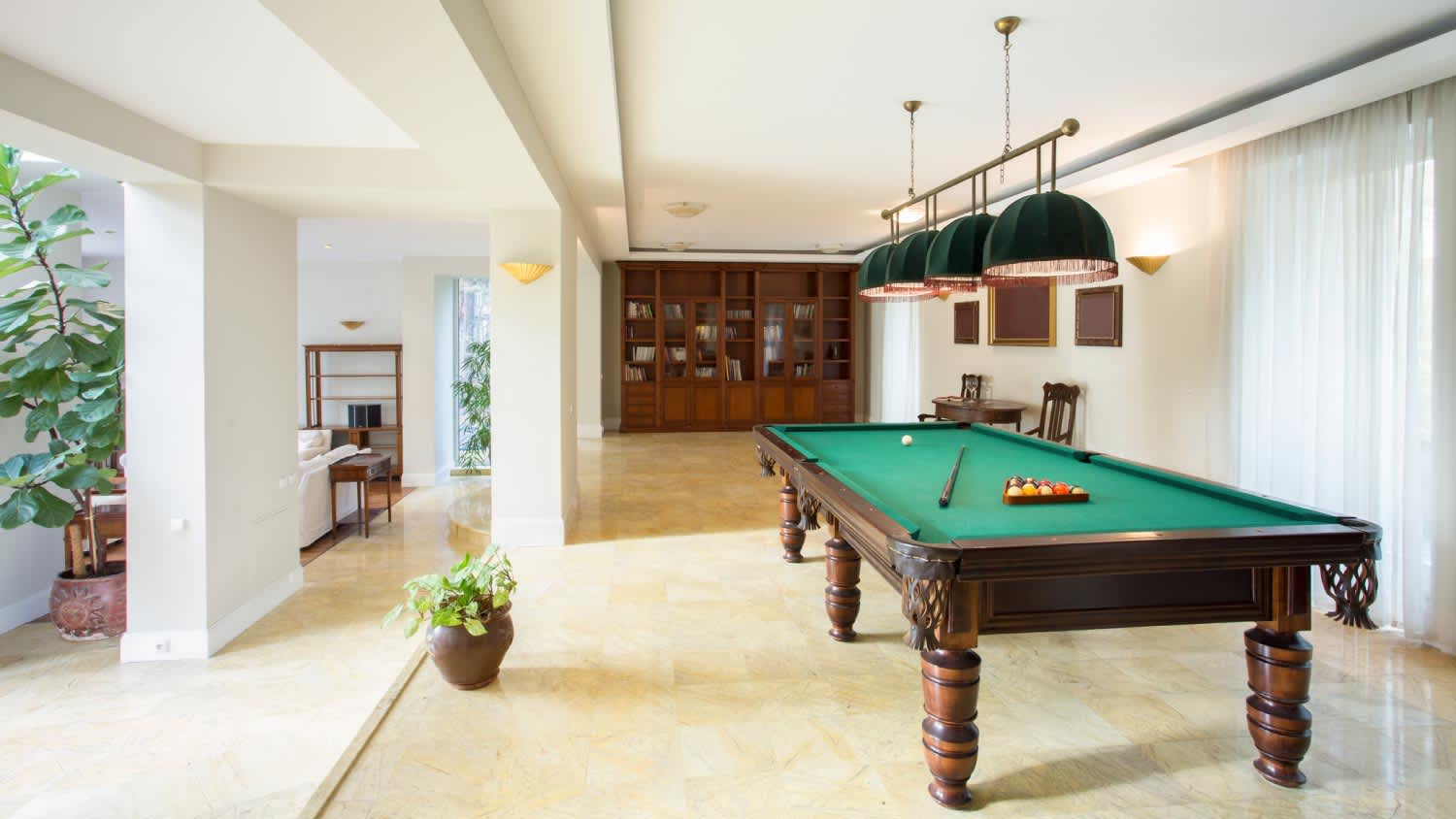
If you’ve ever tried moving a pool table, you know it’s a big undertaking. Here’s an overview of what factors into the cost to move a pool table.
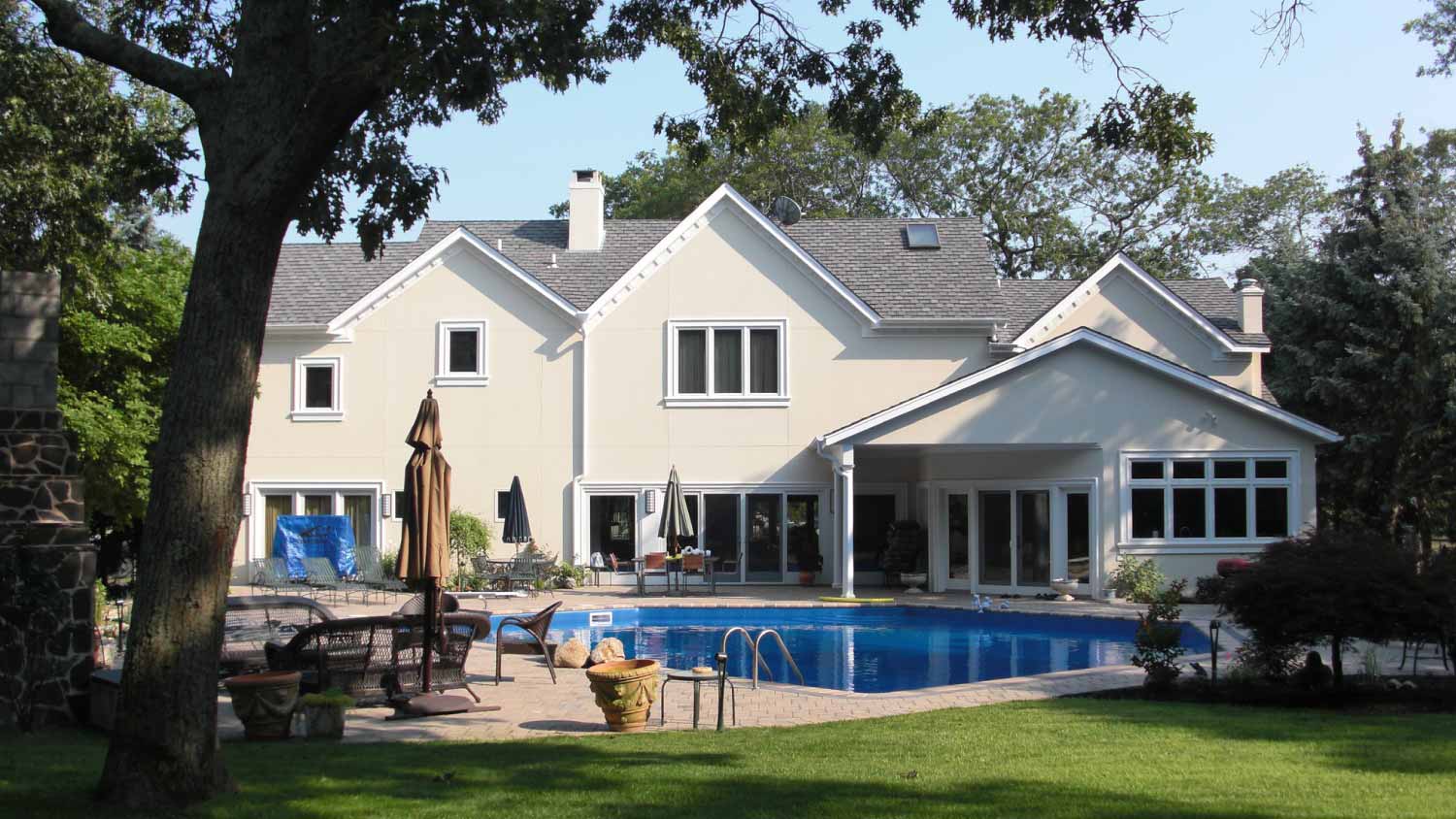
Is it time to treat yourself to backyard pool parties and late-night swims? Start with our guide, which answers the question: how much does it cost to build a pool?
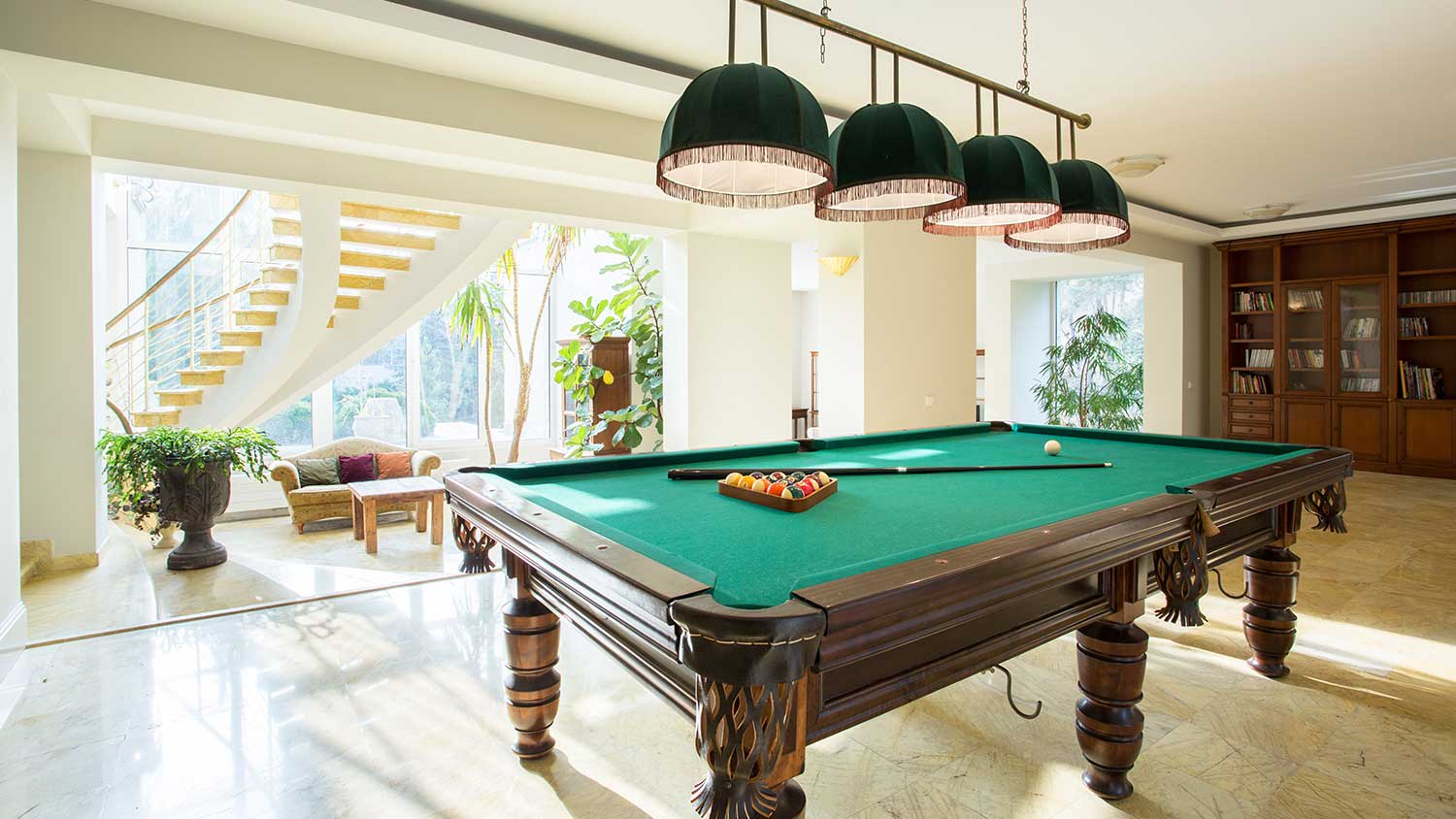
Pool tables and billiard tables come in a variety of sizes and designs. Read our buying guide to ensure you purchase the right one for your family’s gaming room.
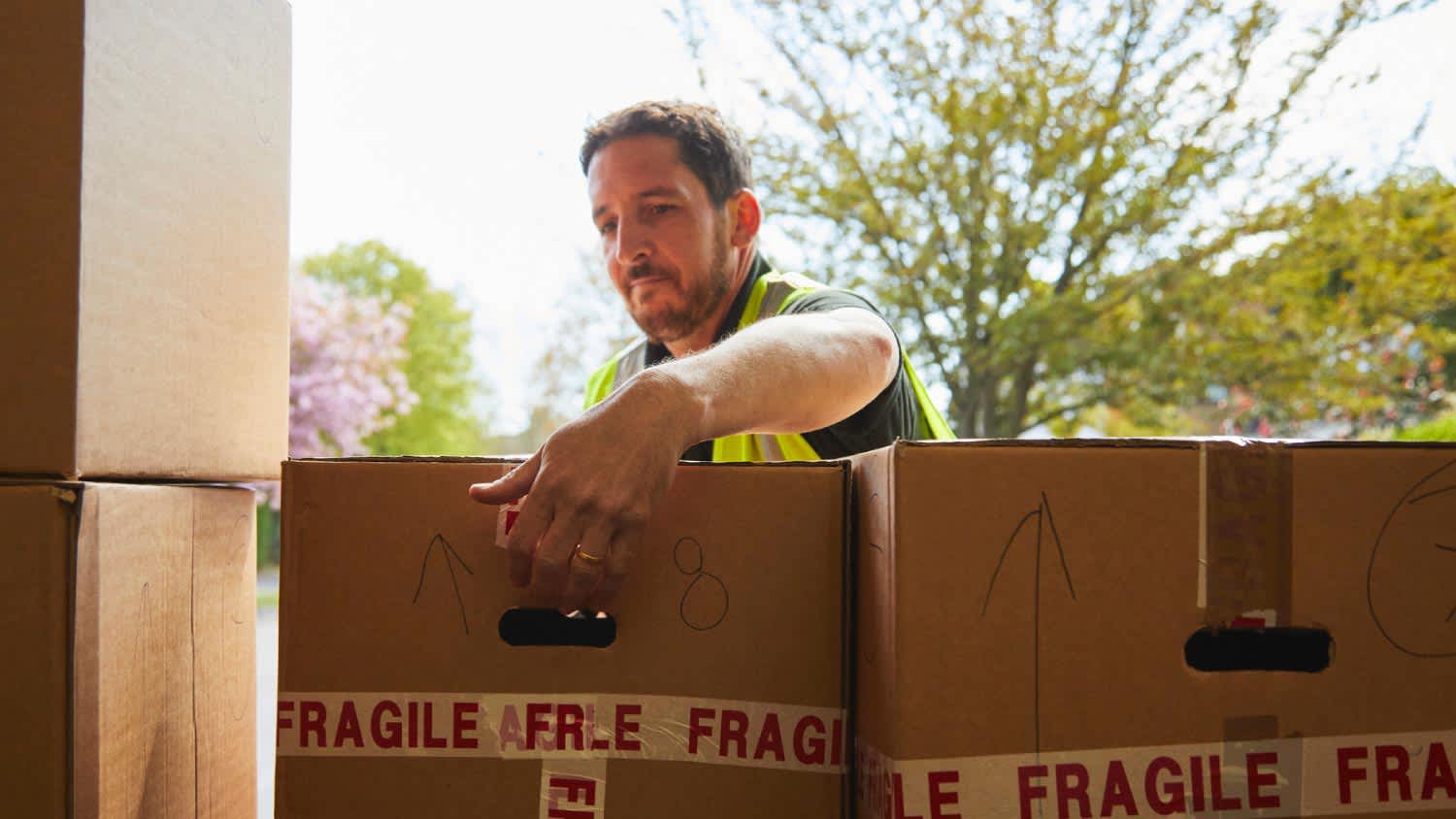
Learn about home items that are nearly impossible to move without movers, either because they are awkwardly shaped, too heavy, or require special equipment.
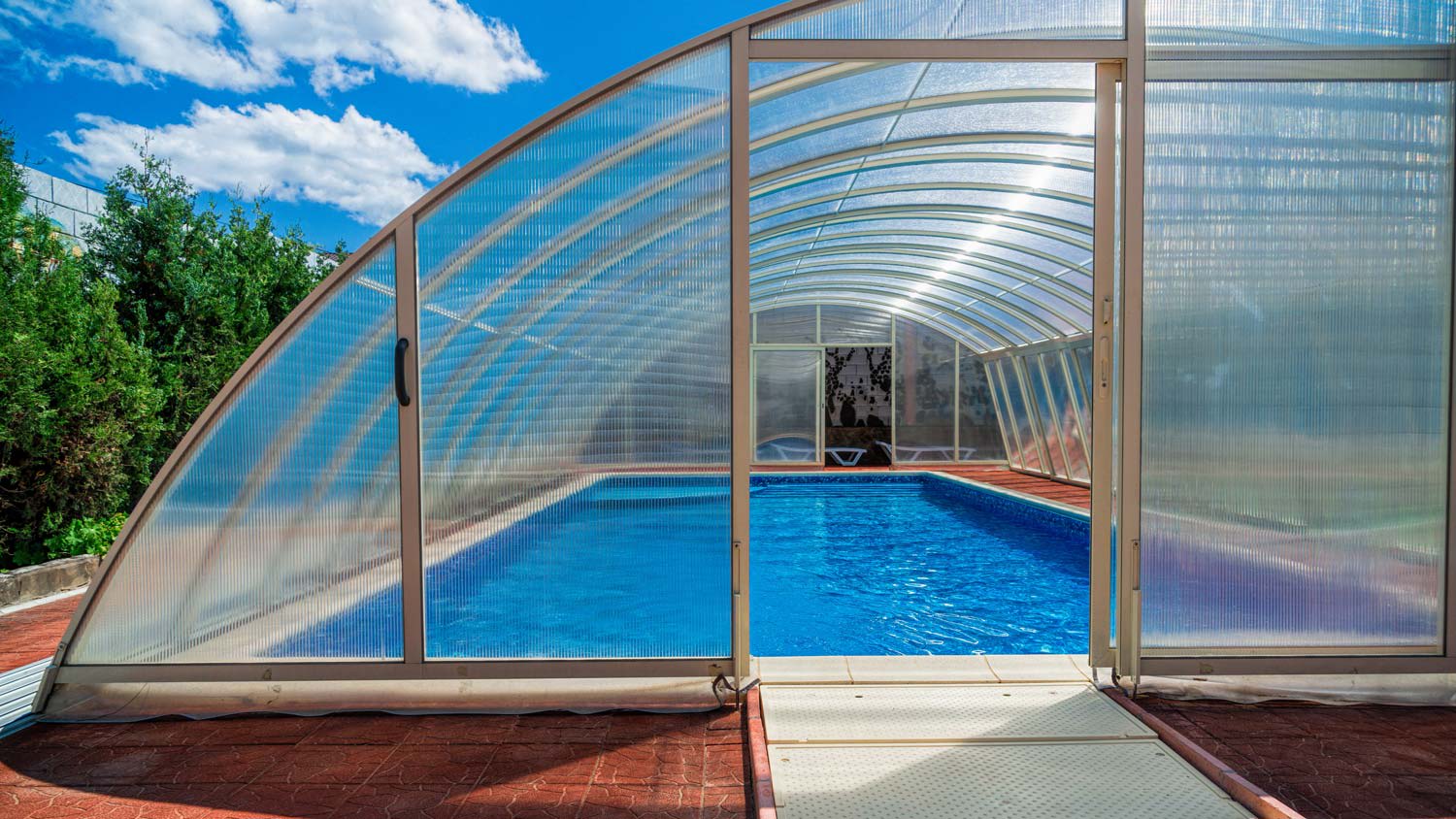
Learn how to hire pool enclosure installation pros. Find qualified contractors, compare quotes, and ask the right questions for your backyard project.