








Top-rated structural engineers.

Get matched with top structural engineers in Whitewater, WI

Enter your zip and get matched with up to 5 pros

Need a pro for your structural engineering project in Whitewater, WI?

Select your specific project to find the pro for you.

Find Structural engineers in Whitewater

Avatar for Evolution Drafting
Evolution Drafting
3.4(
94
)

Serving Whitewater, WI and surrounding areas

Approved

In business since 2018

Free estimates

Emergency services offered

"I hired them to create plans for an apartment building. The process was quick and painless. Cost was good. The plans are full complete abd ready to take to builders for quotes. I will definitly use them again."
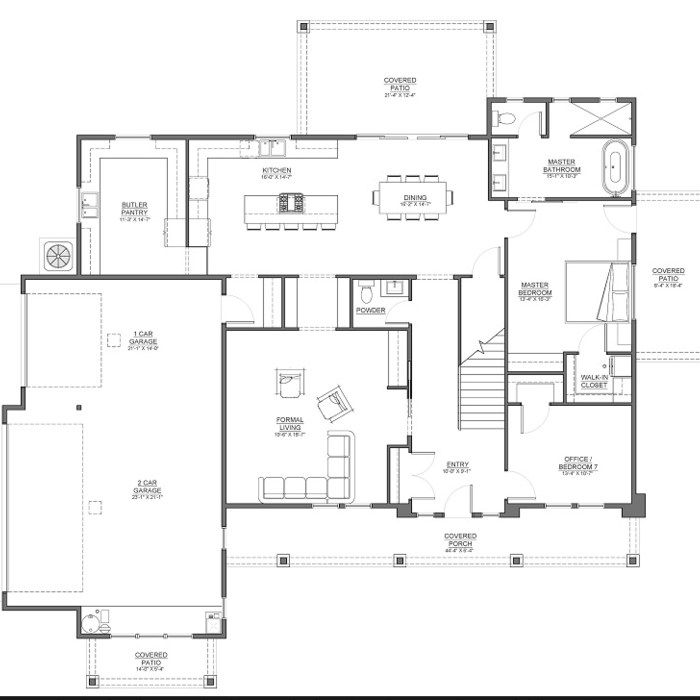
Zeal Floor Plan
Charcoal
Palm Floor Plan
Charcoal Floor 2
Charcoal Floor 1

+23

Response time1 day
Response rate100%
56 neighbors recently requested a quote
Ascended Constructions
New to Angi

Serving Whitewater, WI and surrounding areas

Approved

In business since 2023

Offers commercial services

We’re a family owned and operated company that values honesty and integrity, and stands behind our work. We offer over 40 years of industry experience. We specialize in Asphalt Shingle Roofing installation, replacement, and repairs. Our services are customized to the individual project, paying close attention to the details of each project that we're involved with. We look forward to building long-term relationships with our clients and guarantee your satisfaction!

5 neighbors recently requested a quote
Showing 1-10 of 28
Structural Engineering questions, answered by experts

Through proper drainage solutions and compacting the foundation soil.

Generally, you can tell if a home is bolted to the foundation by checking the foundation for plates. If you see that your foundational plates connect to wood or bolts protruding from them, this means that you have a bolted foundation. However, it's always wise to bring a home inspector in to confirm if your foundation is secure.

The depth of any foundation style depends on your climate and how deep the frost line is, as building code requires that the footers of a foundation—which are built into a monolithic slab—sit at least a foot below the frost line. At the southern tip of Florida, for example, a monolithic slab foundation would only need to sit 12 inches under the soil at the widest parts. On some parts of the Canadian border, the frost line is 100 inches, which would mean a minimum of 112 inches, which is prohibitively deep for a monolithic slab.

Yes, walls on the top floor can be load-bearing if stacked on the floor’s foundation.

Failure to compact the soil during construction is the most common cause of leaning retaining walls. In addition, poor drainage can lead to excessive water pressure behind a retaining wall, pushing against it until it begins to move forward away from the soil it is holding back.

The Whitewater, WI homeowners’ guide to structural engineering services

From average costs to expert advice, get all the answers you need to get your job done.