



Top-rated bird control service pros.

Get matched with top bird control service pros in Stratford, WI

Enter your zip and get matched with up to 5 pros

Need a pro for your bird control service project in Stratford, WI?

Select your specific project to find the pro for you.

Find Bird control service pros in Stratford

Bird Control questions, answered by experts

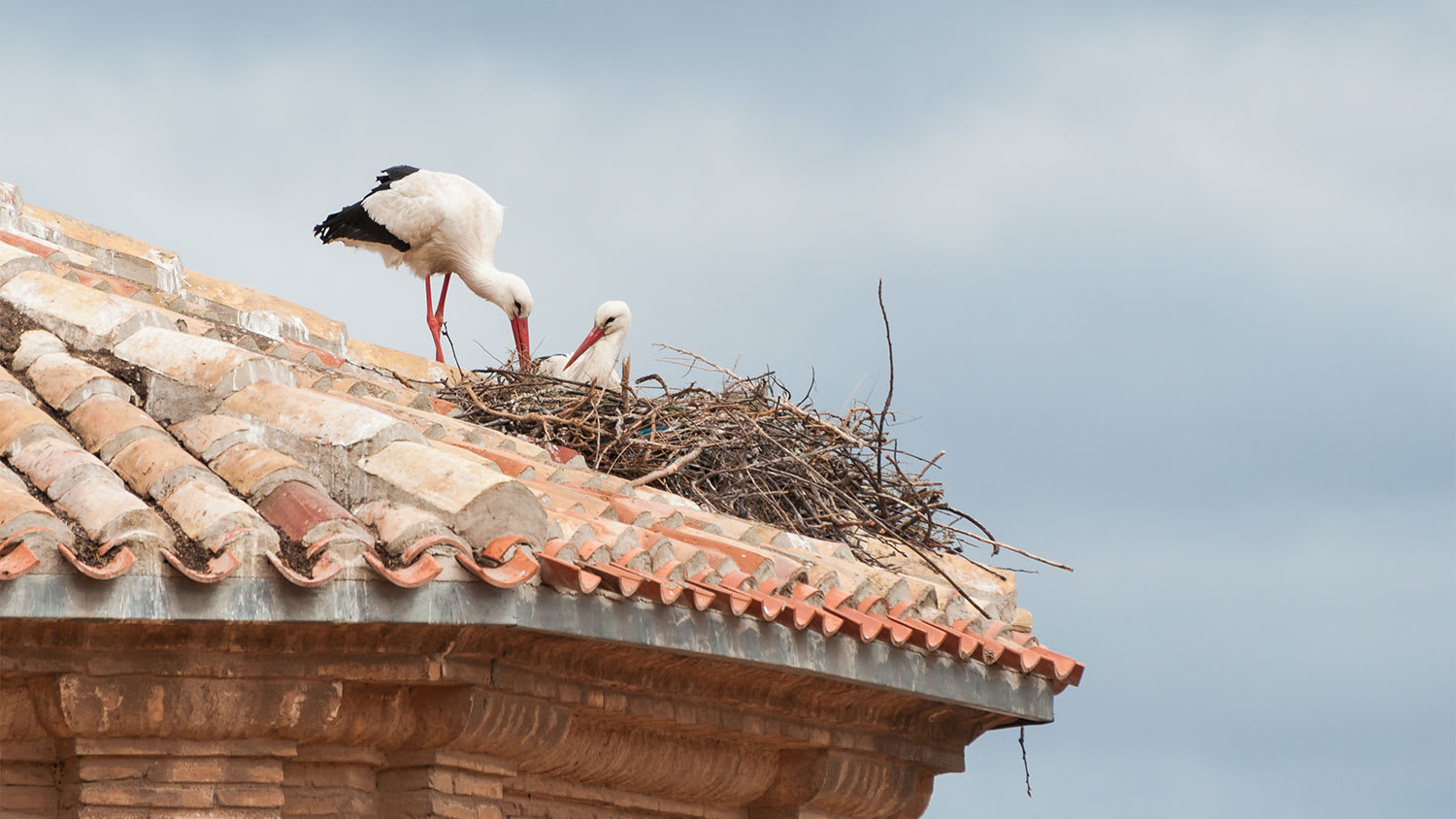
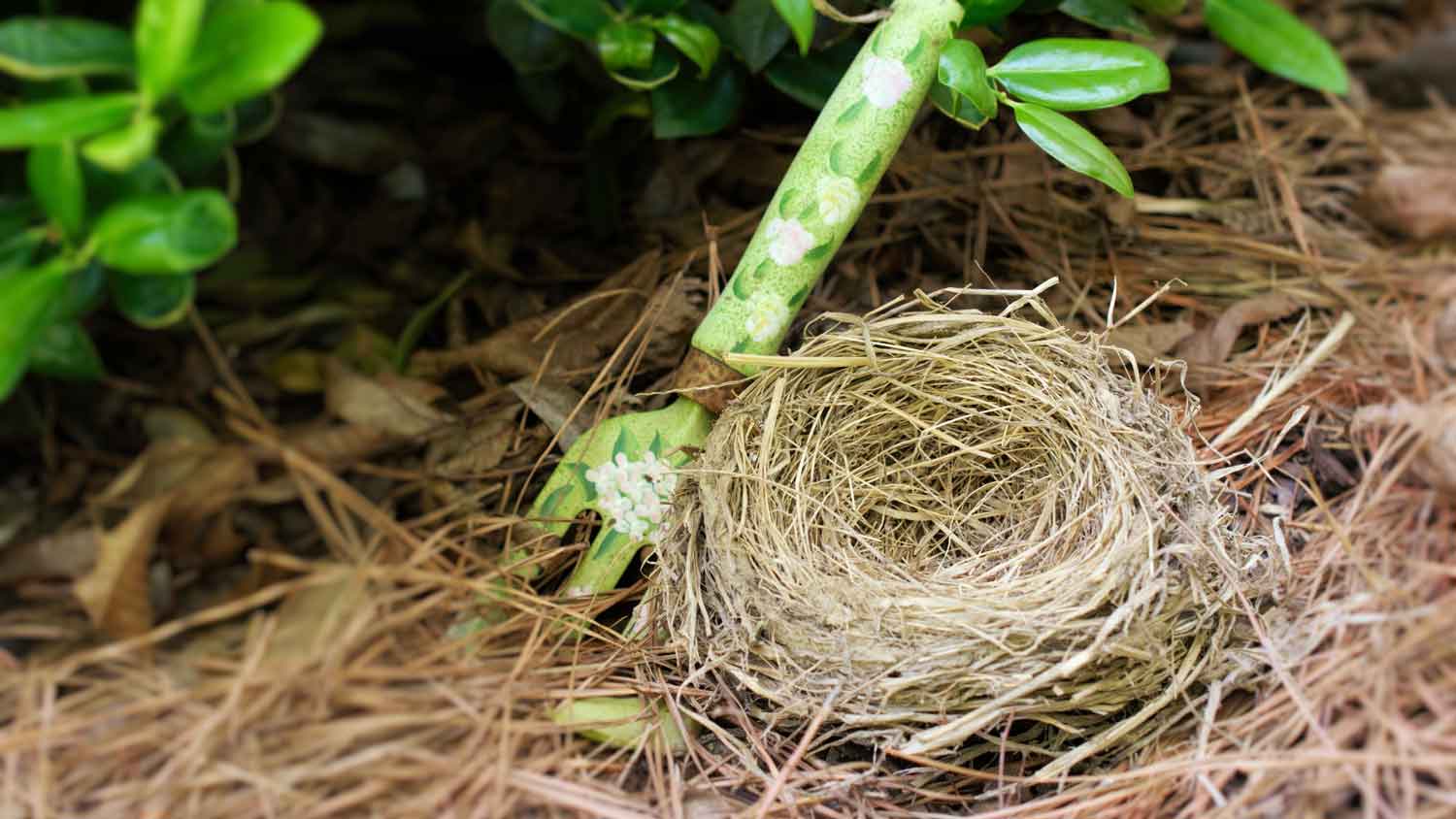
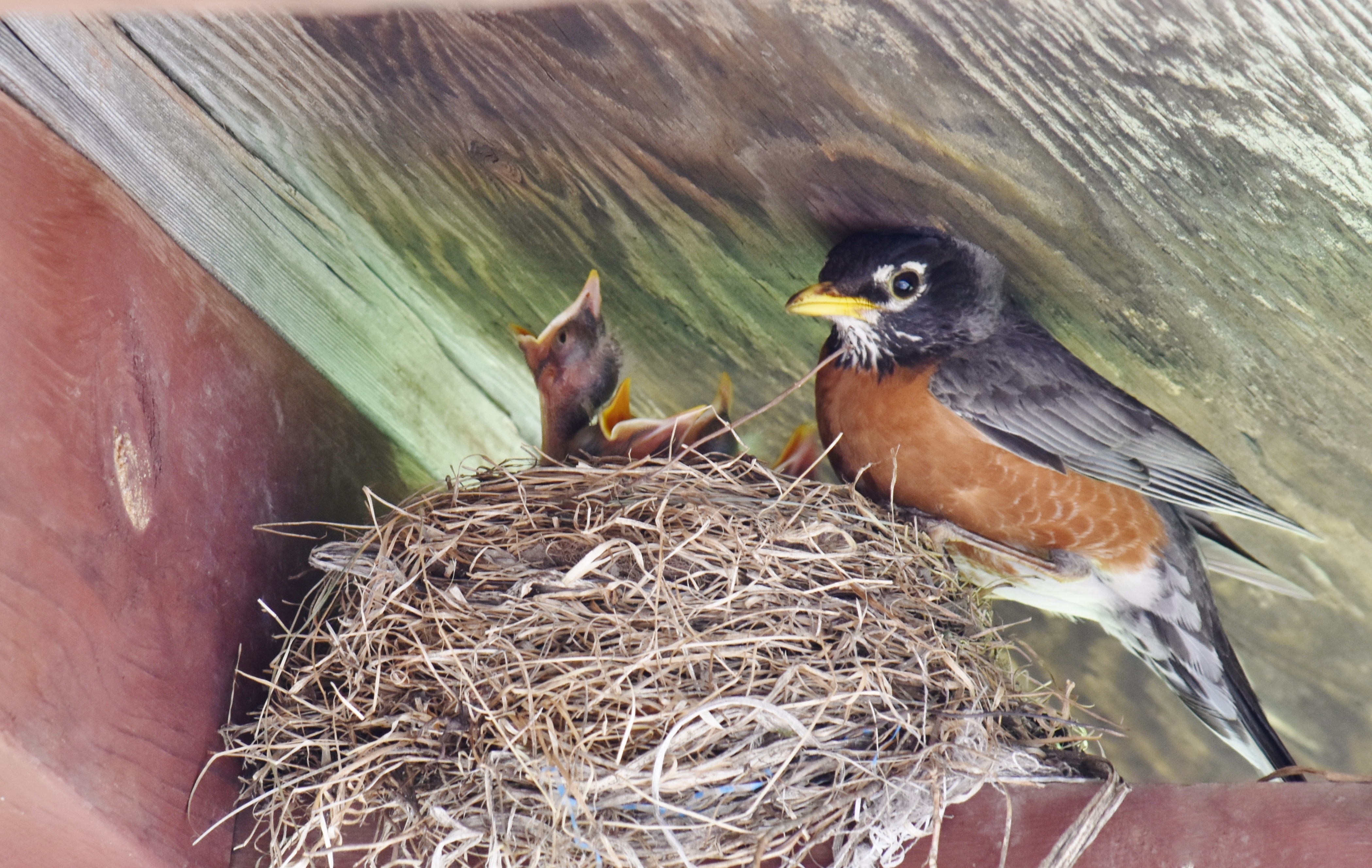
The lifespan of a bird's nest depends on the species. The building process can take from two days to three weeks. Once built, the nesting period for baby birds can last from two to ten weeks before they leave the nest. While most young birds are ready in two to six weeks, some predatory species may need up to two and a half months. Some species nest four to five times per year, so a nest could remain in use for several months. For specific information about a particular nest's longevity, it is best to consult a wildlife professional.

There are DIY methods and store-bought pesticides available for the public to use. However, these pesticides also come with a risk, and you need to follow the directions correctly and take precautionary measures to prevent exposure to these chemicals. These methods may be an option for small pest problems, but you should call in a pest control specialist for persistent pests and infestations.

Both spikes and loose nets can be installed over nest sites to prevent the bird from returning, but nets are not a humane option since birds and other wildlife can get tangled in them. 

Spikes are a humane alternative that deter nesting without harming the birds. In small areas, like vents, a very fine mesh net can be installed to prevent the bird from returning. These nets don't generally pose a risk to the birds.

Yes, predator decoys work to keep birds away, at least temporarily. However, if the decoy remains motionless in the same spot for a long enough time, the birds will eventually wise up and realize it's a fake. Keep changing the location of the predator decoy to ensure that the birds keep their guard up and maintain their distance.

Trees that provide a habitat to bats and an abundance of bugs—their main food source—will attract bats to your yard. Because the North American landscape has changed so much in recent years, bats have a harder time finding trees with cavities to shelter in. If your yard has a dead or dying tree with a lot of sun exposure, bats will likely be drawn to it because trees with those features are less common.

The Stratford, WI homeowners’ guide to bird control services

From average costs to expert advice, get all the answers you need to get your job done.