

Top-rated fountain pros.

Get matched with top fountain pros in Stevens Point, WI

Enter your zip and get matched with up to 5 pros

Need a pro for your fountain service project in Stevens Point, WI?

Select your specific project to find the pro for you.

Find Fountain pros in Stevens Point

Avatar for BB's Aquatic Service, LLC
BB's Aquatic Service, LLC
4.6(
21
)
Water Feature - Install a Fountain or Waterfall

Serving Stevens Point, WI and surrounding areas

Approved

In business since 2004

Free estimates

Emergency services offered

"Great customer service, in my opinion their work was over and above what I expected to be done. The outcome was amazing and my pond was brought back to life!! All for an extremely reasonable price!!"
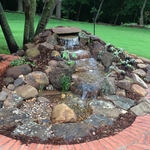
Pondless
Fountain
pond
reef install
Pond

+1

Response time2 days
Response rate92%
17 neighbors recently requested a quote
Fountains questions, answered by experts

Lifespans vary by material and manufacturer, but pond liners last anywhere from 10 to 75 years. For example, polyvinyl chloride (PVC) pond liners have a life expectancy of up to 20 years. Other types of pond liners, including those made of high-density polyethylene (HDPE) and ethylene propylene diene monomer (EPDM), can last 40 to 50 years.

Koi fish should be in the shade and can’t be directly exposed to the sun. Consider building your koi pond in a shaded spot or hanging an awning over the top to control the amount of sunlight coming in. Learn how to design a landscape properly.

Yes, natural pools can get algae since they use the same filtration processes as lakes or streams. However, you can reduce the risk of algae by adding more algae-fighting plants and not installing your natural swimming pool in direct sunlight, as it promotes algae growth.

In addition to length and width, pond liners also come in various thickness levels. Thickness is measured in mils, a unit of measurement equal to one-thousandth of an inch, with most pond liners ranging from 15 to 60 mils in thickness. The smaller the number, the thinner (and weaker) the liner. To prevent rips and tears, it’s best to choose a pond liner that’s at least 30 mils thick.

While they’re popular and have a lot of pros, the cons of river rocks include the following:

  • River rocks don’t break down or provide nutrients to plants. 

  • These stones can get hot and scorch nearby plants. 

  • River stones may heat the surrounding soil to inhospitable temperatures. 

  • Rocks can block rainwater from seeping into the ground if installations are too thick or tightly packed.

Most downsides occur when using river rock as mulch in gardens and flower beds. However, you can still incorporate river rocks into your landscape as long as you use them in the correct ways.

The Stevens Point, WI homeowners’ guide to fountain services

From average costs to expert advice, get all the answers you need to get your job done.