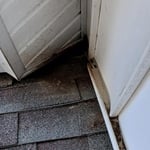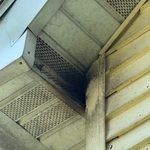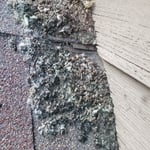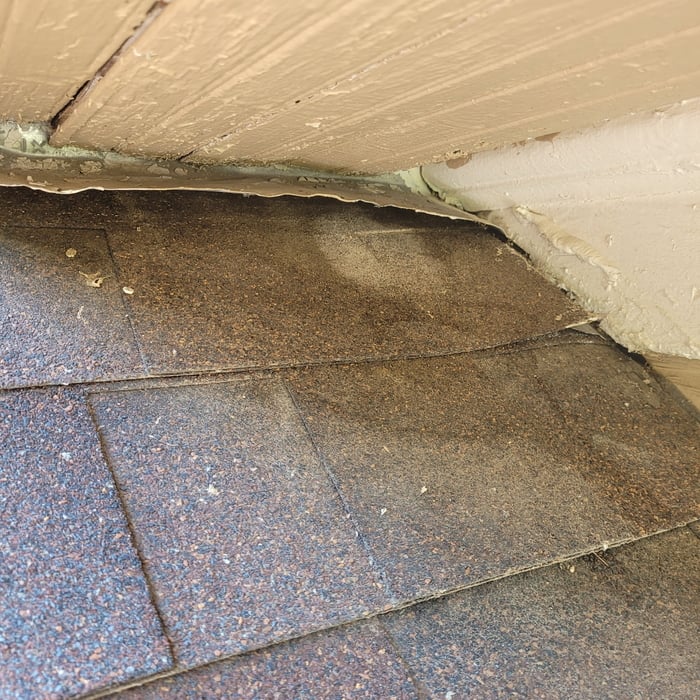







Top-rated bird control service pros.

Best bird control service pros near Rockland, WI

Enter your zip and get matched with up to 5 pros

Need a pro for your bird control service project in Rockland, WI?

Select your specific project to find the pro for you.

TRUSTED BY ROCKLAND, WI HOMEOWNERS

  • Average homeowner rating star icon5
    Average homeowner rating
  • Verified reviews icon31
    Verified bird control services reviews

Top-Rated Bird control service pros in Rockland - Updated Nov 2026

Avatar for Bat Masters
Bat Masters
5.0(
22
)
Pest Control - Birds and BatsPest Control - Birds and Bats - For Business

Serving Rockland, WI and surrounding areas

Approved

In business since 2016

Emergency services offered

Warranties offered

"I can’t say enough about the professional service we received from Bat Masters. They responded incredibly quickly when we needed bats removed so that we could proceed with the sale of our home. They even came out on a weekend to get the job done. They showed up exactly as promised and were very thorough in locating and sealing all of the potential entry points around our home, as well as taking the appropriate measures to remove the bats. They also confirmed that there was no damage requiring further attention, which gave us great peace of mind. Throughout the entire process, they were professional, knowledgeable, friendly, and responsive. I wouldn’t hesitate to call Bat Masters again or recommend them to anyone needing bat removal services."
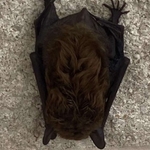
The Bat!
Where they are...
Where they are...
Bat exclusion
Bat exclusion

+135

8 neighbors recently requested a quote

Bird Control FAQs, answered by experts

Natural swimming pools are designed to deter pests, including mosquitoes. While any body of water can potentially attract pests, the natural filtration system keeps the water clean and constantly moving. Mosquitoes specifically are attracted to standing water, so the continuously circulating water in a natural pool makes it an inhospitable environment for them.

They can have a deterrent effect on birds to some extent. The reflective surfaces of these objects, such as aluminum foil strips, CDs, or reflective tape, create flashes of light and movement that can startle or confuse birds temporarily. However, some birds can become accustomed to these visual disturbances over time and might adapt their behavior accordingly. For a more sustained solution, combining shiny objects with other deterrent methods shared here is often beneficial for creating a more comprehensive and effective strategy for bird control.

When woodpeckers start banging on your walls or roof, they are probably looking for insects to eat, storing nuts for winter, drilling a hole to make a nest, or communicating with other birds to establish territory or find a mate.

The size of the hole can help determine the reason for the pecking. Small irregular holes are a result of insect hunts. Acorn holes are more consistently sized and often fitted with a nut in the middle. Nest holes are large and have rounded edges. If the bird is pecking to mark its territory or attract a mate, it may leave dents rather than holes, and the noise will stop when the mating season starts in spring.

It can be difficult to know what type of animal is in your attic until you see it. But several clues can help you narrow down the suspects:

  • Sounds: Smaller animals like rats and mice make scurrying and tapping/gnawing sounds. Larger animals like raccoons and opossums make louder clambering noises. Also, note when animals are noisy: Squirrels are active during the day, while rats are busiest at night.

  • Droppings: Rats and mice leave small, rice-shaped droppings (the rat’s version is significantly larger). Bigger droppings belong to larger critters like raccoons. As long as you’re not squeamish, an image search can help you identify what you’re seeing in your attic.

When in doubt, take photos of damage or other evidence and show them to an experienced pest control pro.

Some birds of prey, like owls, hunt at night. Hawks are diurnal and need good light to see their prey. You could see them circling anytime from dawn to dusk. Species like the common red-tailed hawk are most active in the early morning and late evening when their prey is also typically on the go.

The Rockland, WI homeowners’ guide to bird control services

From average costs to expert advice, get all the answers you need to get your job done.