



Top-rated patio cover pros.

Get matched with top patio cover pros in Randolph, WI

Enter your zip and get matched with up to 5 pros

Need a pro for your patio cover service project in Randolph, WI?

Select your specific project to find the pro for you.

Find Patio cover pros in Randolph

Avatar for The OTA Company
The OTA Company
3.6(
4
)
Fabric Awning or Patio Cover - Install or Replace

Serving Randolph, WI and surrounding areas

Approved

In business since 1876

Free estimates

Emergency services offered

"This was a cold call in our neighbor. He saw we had an awning needed to be replaced. I held onto the card for a while When we called him the quote was so reasonable, that we hired to install another awing. This whole process was super easy, quick and resulting work is just beautiful. I would recommend them to anyone."
Starbucks Coffee
Berlin Trophy
Main Entrance
CorTech
Vacant Room

+13

Response time5 days
12 neighbors recently requested a quote
Recommended by100%of homeowners
Patio Covers questions, answered by experts

Hurricane fabric is a temporary form of hurricane protection that offers an alternative to boarding up windows or installing traditional storm panels. It is installed over windows, doors, and other openings before a storm. When installed properly, hurricane fabric is tested and proven to protect homes from Category 5 hurricanes, which can have winds over 157 miles per hour. It is intended to block the majority of wind and rain and protect against water, debris, and projectile damage. While the fabric is exceptionally durable, windows can still break if hit directly by high-velocity debris. Compared to other options, hurricane fabric is more protective than hurricane window film. Boarding up windows is more labor-intensive and requires storing heavy plywood, while hurricane screens are permanently attached to your home. To further increase protection, you can take additional steps like securing outdoor items and fortifying your home's foundation.

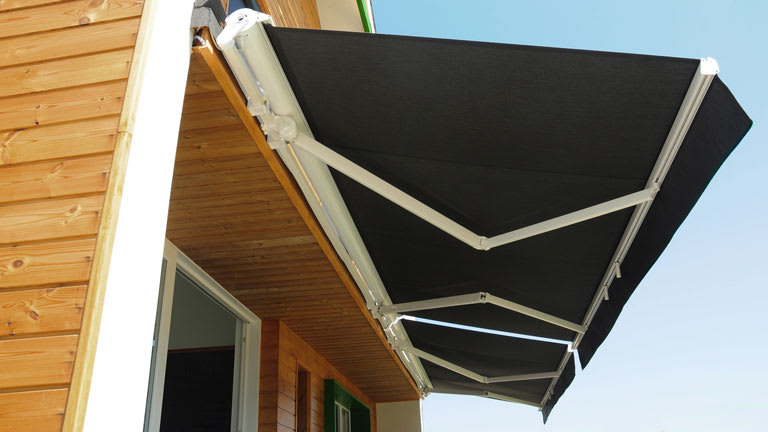
Yes, you can install an awning yourself, and it can be an excellent DIY project with immediate benefits. This is most feasible for smaller, pre-assembled units. However, awnings are often heavy and awkward for one person to handle, so you should always have at least one helper. If you have difficulty lifting heavy objects, professional installation is recommended to ensure proper mounting and durability.

It’s best to opt for a lightweight roof, as a heavy roof adds a lot of weight and pressure to the support posts and hardware and destabilizes the structure. Vinyl is a good, lightweight option, as is a nice open trellis, louvered aluminum or vinyl slats, or fabric panels. Clear polycarbonate is another great option that offers seamless shelter and additional UV protection without completely obscuring the sunshine. You can also choose retractable coverings or an awning that you only use in wet weather or when you need additional shade.

Hurricane fabric is a temporary form of hurricane protection that offers an alternative to boarding up windows or installing traditional storm panels. Unlike hurricane screens, which are permanently attached to your home, hurricane fabric is installed over your windows and other openings before a storm.

In terms of effectiveness, hurricane fabric is tested and proven to protect homes from Category 5 hurricanes, which can have winds over 157 miles per hour. When installed properly, it is designed to block the majority of wind and rain and protect against water, debris, and projectile damage.

While the fabric is exceptionally durable, windows can still break if hit directly by flying debris at high velocity. However, it is a good protective measure against an impending storm. For comparison, hurricane fabric is more protective and durable than hurricane window film. While boarding up windows is easier than installing the fabric, it is more labor-intensive and requires storing heavy plywood.

To further increase the chances of your windows surviving a hurricane, you can take additional steps like securing outdoor items, elevating HVAC units, and fortifying your home's foundation.

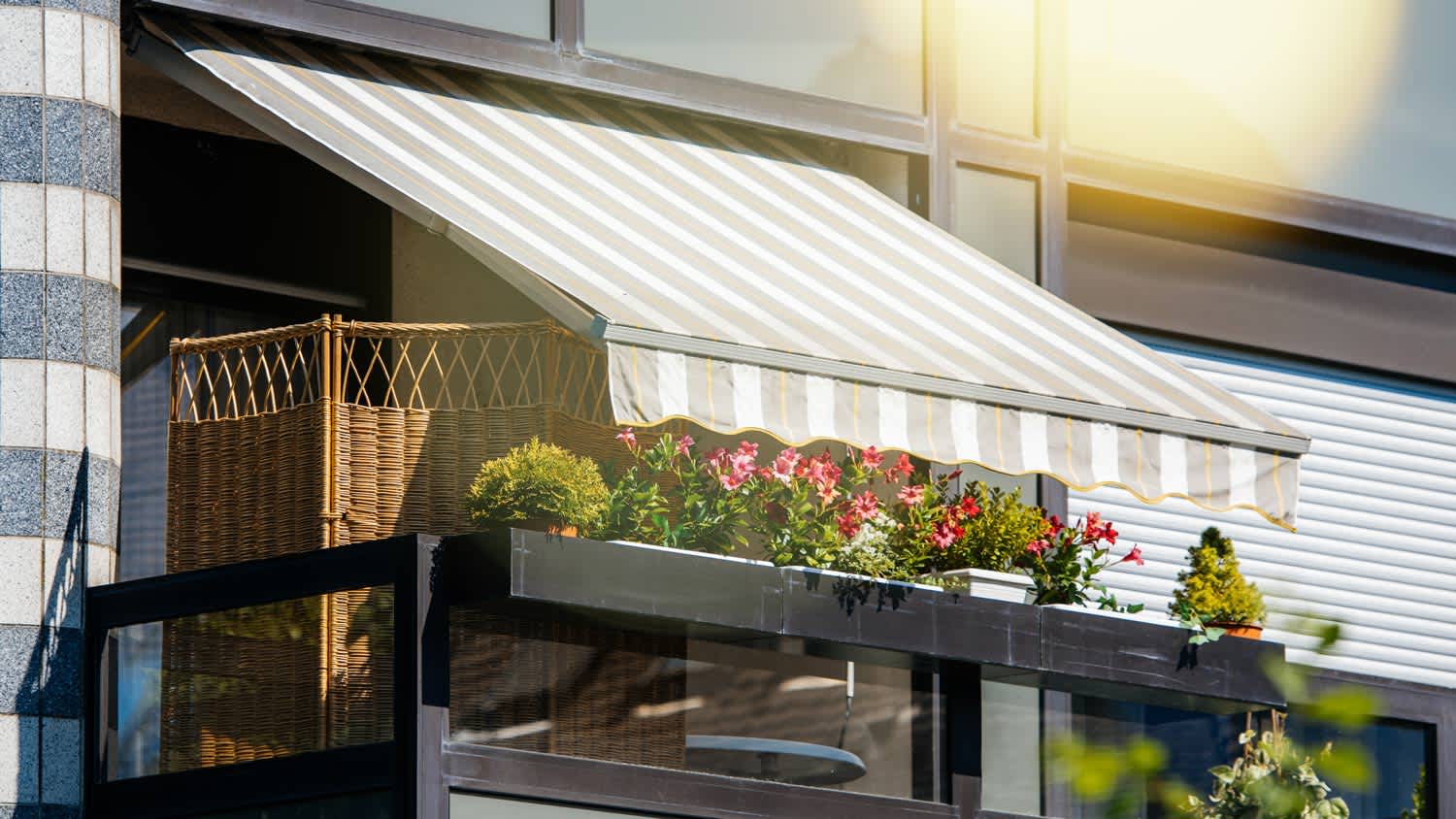
Awnings offer a variety of materials to choose from, each of which has its own benefits. Cotton is a lower-cost option that’s also more eco-friendly because it’s made from natural materials, while acrylic-coated polyester and vinyl offer better durability against harsh weather. Fiberglass and metal are also resilient to weather, although metal can be vulnerable to corrosion without protective sealant. Ultimately, you’ll need to consider your climate and your budget in deciding the best material for your awning.

The Randolph, WI homeowners’ guide to patio cover services

From average costs to expert advice, get all the answers you need to get your job done.