





Top-rated pool table assembly pros.

Get matched with top pool table assembly pros in Pound, WI

Enter your zip and get matched with up to 5 pros

Need a pro for your pool table assembly project in Pound, WI?

Select your specific project to find the pro for you.

Find Pool table assembly pros in Pound

Avatar for Alive Maintenance
Alive Maintenance
5.0(
6
)
Handyman for Multiple Small Projects

Serving Pound, WI and surrounding areas

In business since 2015

Free estimates

Emergency services offered

"Dave Pagan was fast with the quote and scheduled me in right away. Good work and reasonably priced. (I spoke with two other companies on the phone. Dave was by far the most professional sounding as well as the most accommodating.I would highly recommend Alive Maintenance."
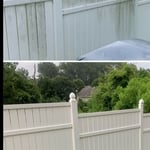
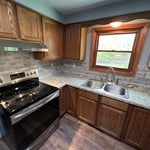
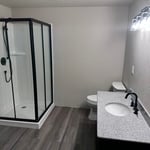
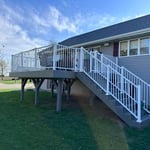
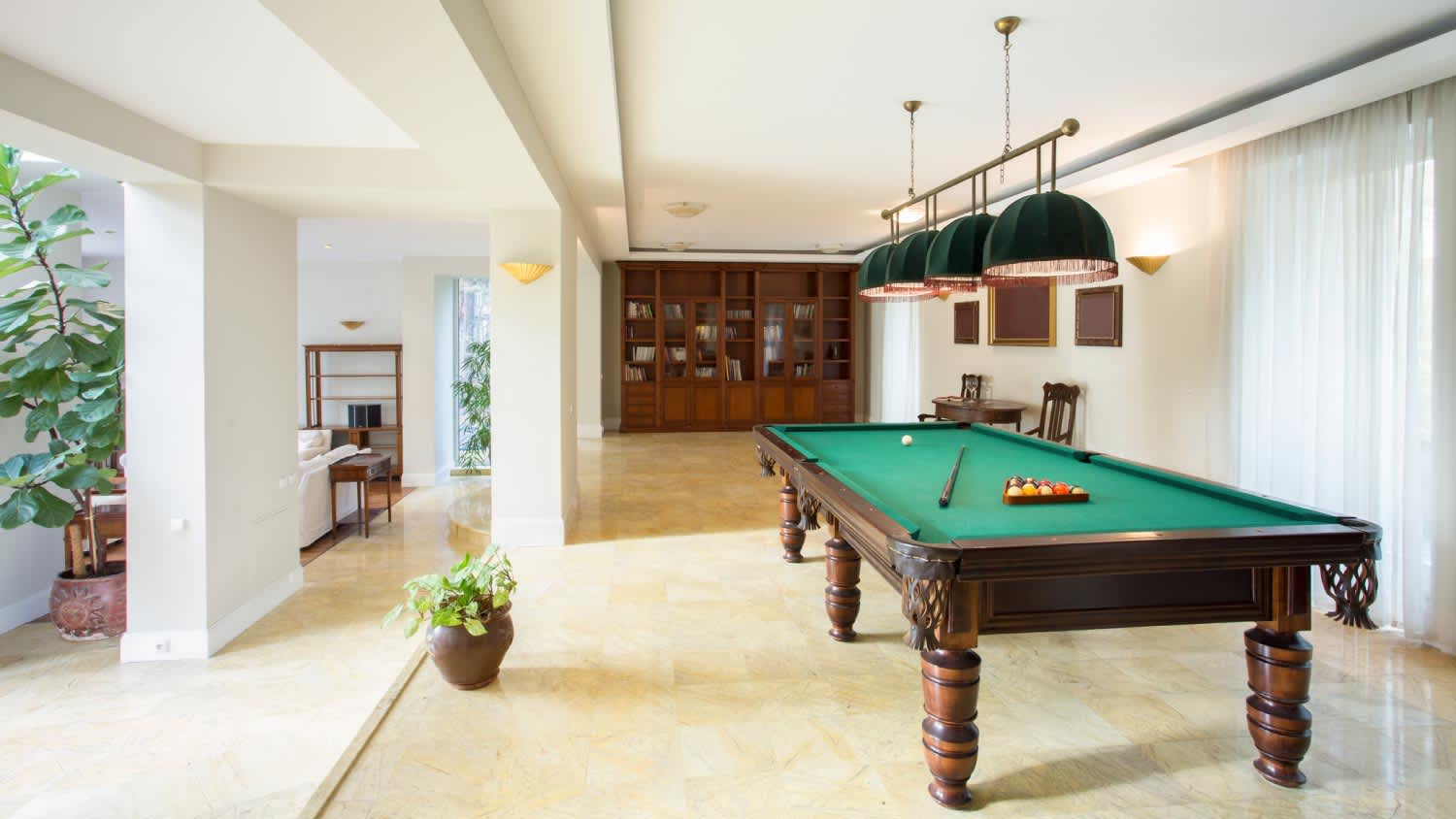
Additional Photos
Additional Photos
Additional Photos
Additional Photos
Recommended by100%of homeowners
Showing 1-10 of 47
Pool Table Assembly questions, answered by experts

The time it takes for a pool heater to heat a pool can range from eight to 48 hours, with an average of about 12 hours for the initial heating. For a more specific example, an average-sized 15,000-gallon pool may take six to 10 hours to heat up by 10 degrees. The exact duration depends on several factors, including the pool's size, the type and size of the heater, the starting water temperature, and the outside air temperature. It may take some trial and error to determine the precise time your specific pool takes to reach a desired temperature.

Yes, a pool with a heater will lose more water. The heater warms the water, which increases the rate of evaporation. To minimize water loss from evaporation, you can install a pool cover and keep the pool covered when it is not in use.

Yes. A pool pH too high may result in a rash, red, or stinging eyes for swimmers. It means chlorine isn't as abundant as it needs to be to neutralize germs. A pH that is too low means the water is too acidic, which can cause similar bodily irritation and damage to your pool's lining and the surrounding plaster, stone, or tile.

Water only runs through a pool heater when not in use if the heater doesn’t have a bypass system. A bypass system stops the flow of water through the heater when not in use. If you don’t have one, then yes, water will still run through the pool heater even when not in use. Not having a bypass system may increase the effects of wear and tear on your pool heater or disrupt the water’s chemical balance.

Yes, it’s possible to put too much salt in your saltwater pool, and doing so can cause a number of problems, including corroding metal parts and causing the chlorinator to stop working correctly. In general, slightly elevated salt levels won’t cause serious problems beyond salty-tasting water, but you should dilute the water in a pool with extremely high salt levels to prevent damage to its components.

The Pound, WI homeowners’ guide to pool table assembly services

From average costs to expert advice, get all the answers you need to get your job done.