
Sure-Dry is an industry leader in basement water control, foundation repair, crawl space encapsulation, concrete lifting, egress window installation, and air quality. We have helped over 42,000 customers since 1994 and proudly serve all of northeast, central, and northern Wisconsin, including the Northwoods and the UP, with offices in Menasha and Wausau, WI. \n\nWe specialize in a comprehensive range of home improvement services tailored to protect and restore residential and commercial structures. As a family-owned and operated business, we prioritize personalized attention and customer satisfaction, providing top-quality solutions with meticulous craftsmanship and a commitment to exceptional results. Contact us today to schedule a FREE estimate.
Concrete Mudjacking questions, answered by experts
Address drainage issues, avoid heavy loads, and seal cracks to prevent future settling.
Generally speaking, push piers—or steel piers—are the best option for underpinning, as they reach down to solid bedrock to find support for your foundation rather than relying on soil, which could be subject to the same issues as the soil directly below your foundation. However, the best underpinning method for your home depends on your location, how far down the bedrock is, and the type of soil in your area. Helical piers are usually the best option for sandy soil or in areas where the bedrock is too deep to use steel piers.
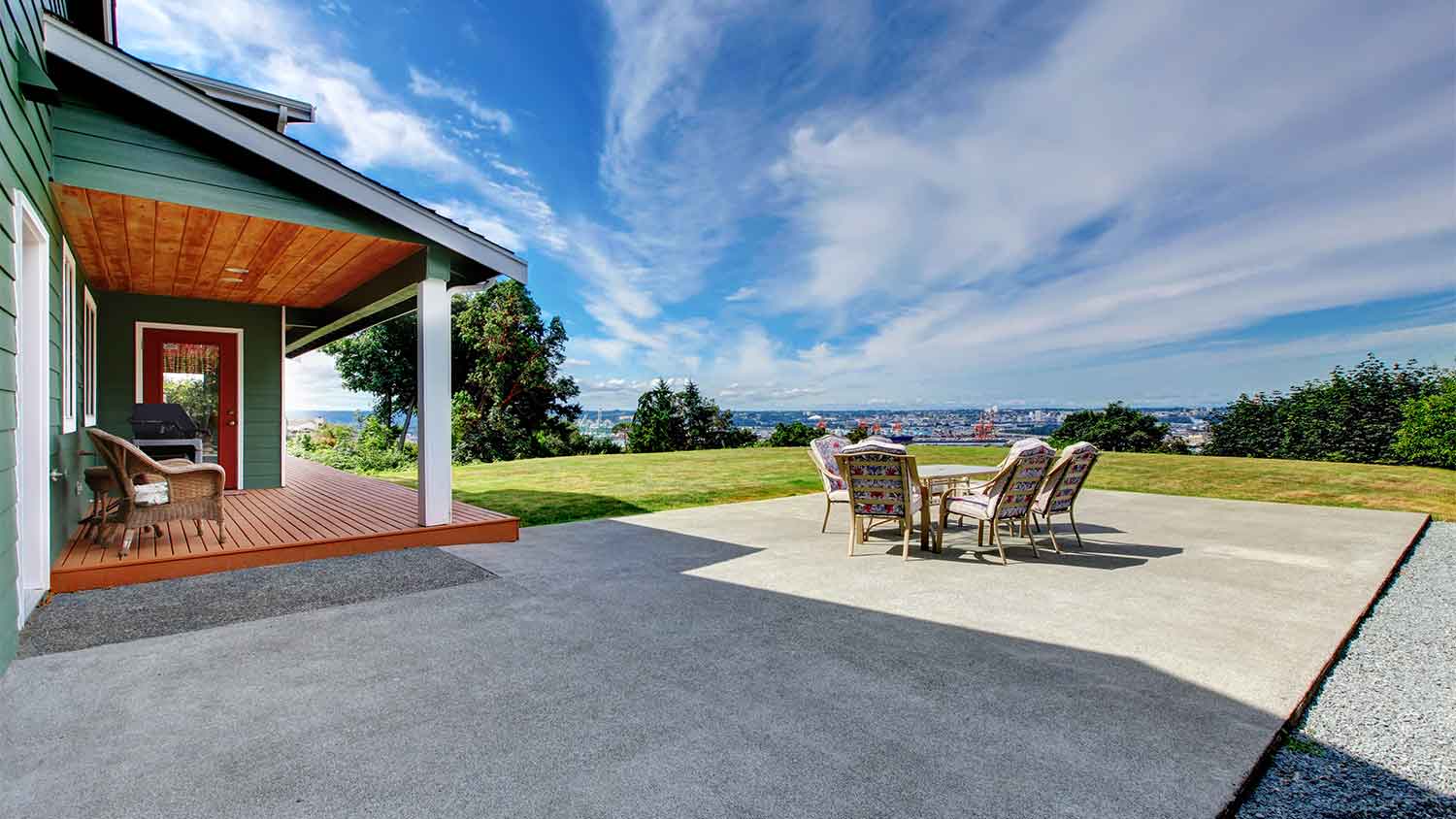
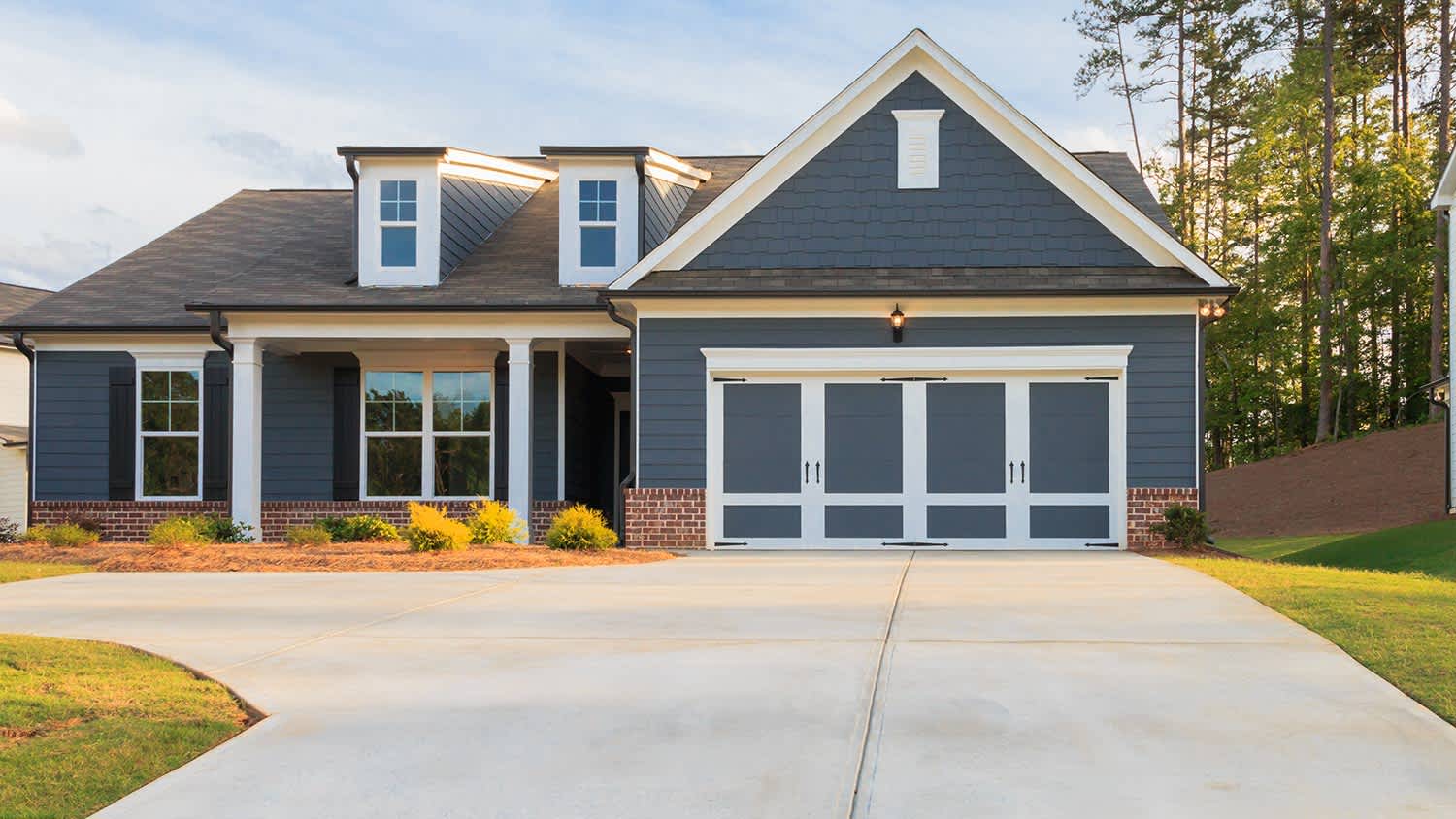
It restores concrete, prevents replacement cost disruptions, reduces trip hazards, and provides stability at a lower cost.
It’s best not to perform mudjacking in the winter unless the ground temperature remains above freezing. Freezing temperatures can cause the slurry to harden too quickly, compromising its strength and longevity. Concrete is also more susceptible to cracking and splitting in cold temperatures, so there’s a higher risk of damaging the slab during the drilling and lifting process in winter.
Trenching and boring are two distinct methods for installing underground utilities. Trenching involves digging a channel using equipment like an excavator, trencher, backhoe, or shovel. While it is a simpler process, it causes significant disruption to the surface, landscaping, and surrounding ecosystems.
Boring, also known as directional boring, is a less invasive alternative that uses a drill to create a tunnel for utility lines without disturbing the surface. This method is more precise and is ideal for installations that need to go underneath buildings, roads, or bodies of water. Although boring is less disruptive, it is generally more expensive than trenching.
The Neshkoro, WI homeowners’ guide to concrete mudjacking services
From average costs to expert advice, get all the answers you need to get your job done.
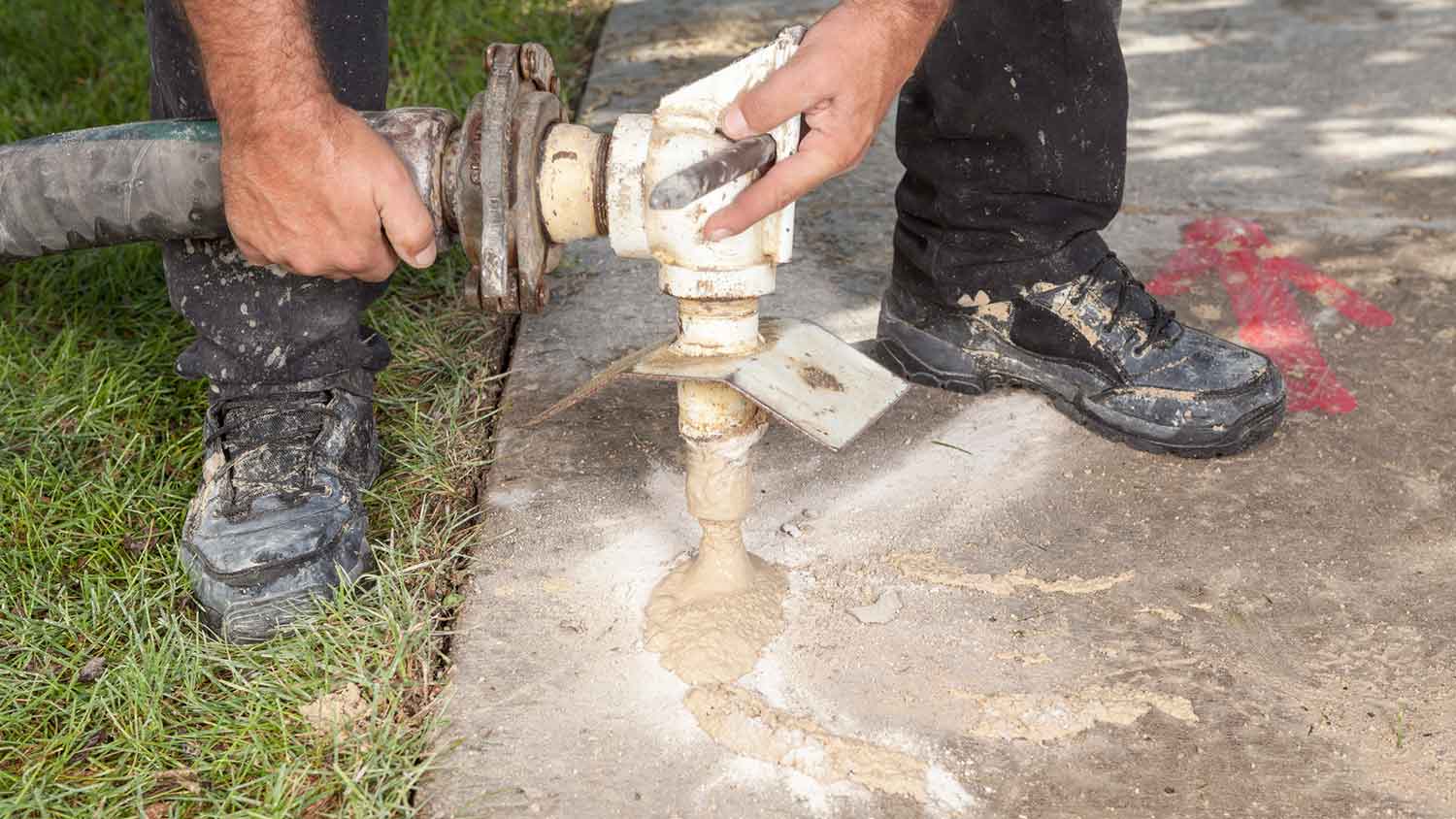
DIY mudjacking is an advanced task, but learning how to raise a concrete slab is great to know for many scenarios. Let's take a look at how to DIY mudjack.
Sunken concrete can be a structural issue, but a professional can easily repair it. Ask these concrete injection leveling and mudjacking questions before you hire.