Top-rated lead testing and removal specialists.

Best lead testing and removal specialists near Granger, WA

Enter your zip and get matched with up to 5 pros

Need a pro for your lead testing and removal project in Granger, WA?

Select your specific project to find the pro for you.

Top-Rated Lead testing and removal specialists in Granger - Updated Nov 2026

Avatar for The Mold Consultants
The Mold Consultants
New to Angi
Toxic Lead - Testing

Serving Granger, WA and surrounding areas

In business since 2002

Have An Indoor Air Quality Problem? \n \n Got Mold? \n \n Worried About Bacteria? \n \n Concerned About Radon, Carbon Monoxide, Asbestos, Lead, or \n Another Indoor Air Contaminant/Pollutant? \n \n We Are The Safe and Affordable Solution to Your Indoor Air Quality Problem. \n \nThe Mold Consultants specializes in toxic mold, bacterial, environmental, hazardous, pollutant, and contaminant testing and inspection services. We provide state of the art testing for commercial and residential clients who expect accurate, thorough and understandable testing and reporting services. We are the safe and affordable solution to your indoor air quality problems. \n \nHow The Mold Consultants will help you.... \n \n* You will find out if you have an indoor air quality problem and why you have it. \n* You will learn how extensive your indoor air quality problem is. \n* You will understand exactly what types of pollutants, contaminants, mold, and bacteria you have in your home. \n* You will receive a detailed plan to clean up the pollutant, contaminant, mold, or bacteria yourself, or you can use the plan to solicit competitive bids from contractors. \n* You will find our indoor air quality testing and assessment services affordable. \n* You will receive piece of mind that the air in your home is safe! \n \nLeft untreated a mold, bacteria, or pollutant problem only gets worse and continues to negatively effect you and family. \n \nCall us today!!!!

Lead Testing and Removal FAQs, answered by experts

According to the Environmental Protection Agency (EPA), hazardous waste is generally classified into four main categories:

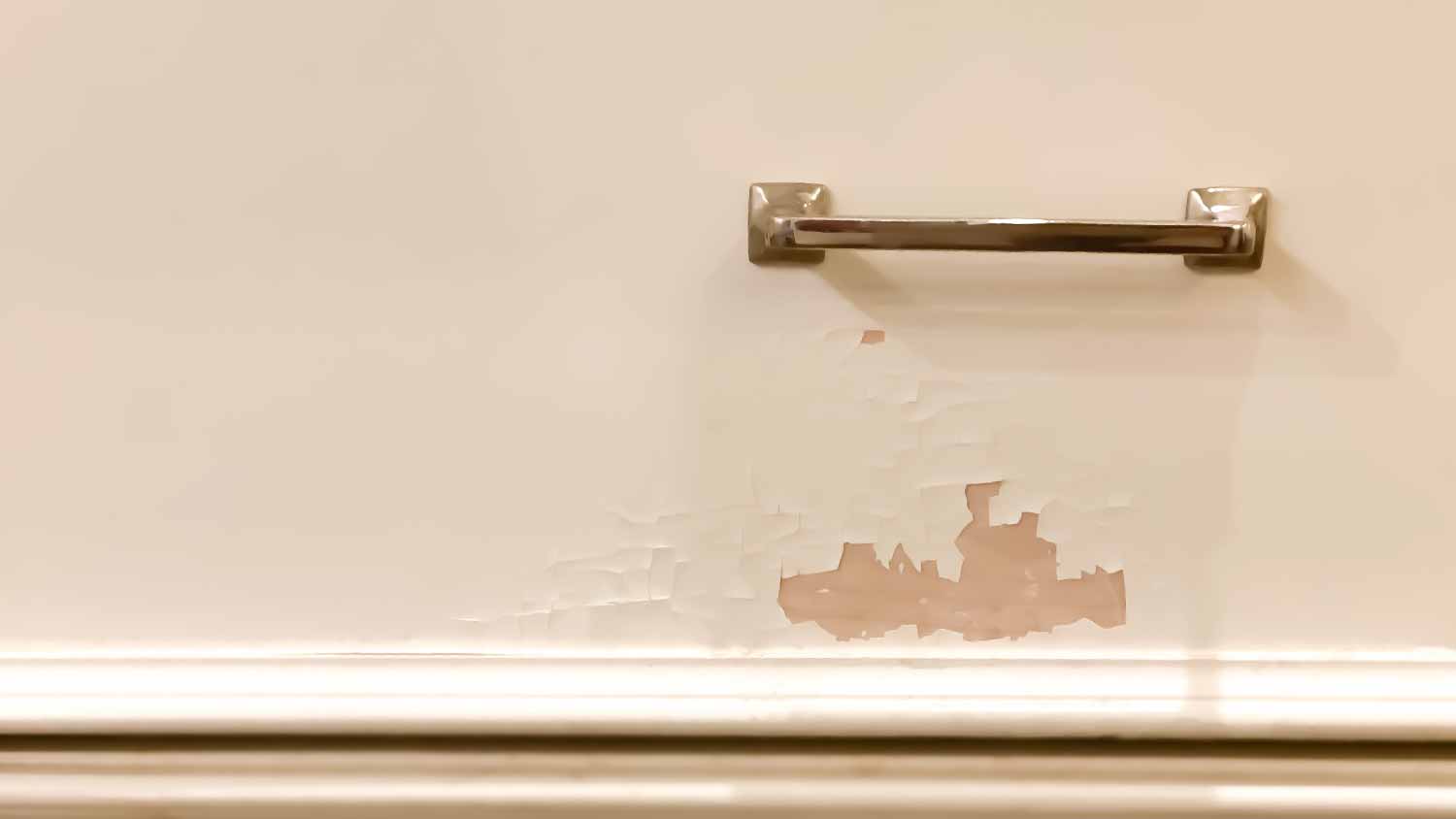
1. Characteristic Wastes: These exhibit at least one of four hazardous traits: ignitability (flammable, like gasoline), corrosivity (can rust or decompose materials, like car batteries), reactivity (unstable and can explode, like aerosol cans), or toxicity (harmful when ingested, like lead-based paint).

2. Listed Wastes: These are specific wastes from manufacturing and industrial processes that the EPA has officially designated as hazardous. They include byproducts from processes that use solvents, pesticides, and other chemicals.

3. Universal Wastes: These are commonly generated hazardous items that are subject to streamlined regulations. Examples include batteries, pesticides, mercury-containing equipment (e.g., bulbs), and some lamps.

4. Mixed Wastes: This category includes waste that contains both hazardous and radioactive components, making it subject to regulation by both the EPA and the Nuclear Regulatory Commission.
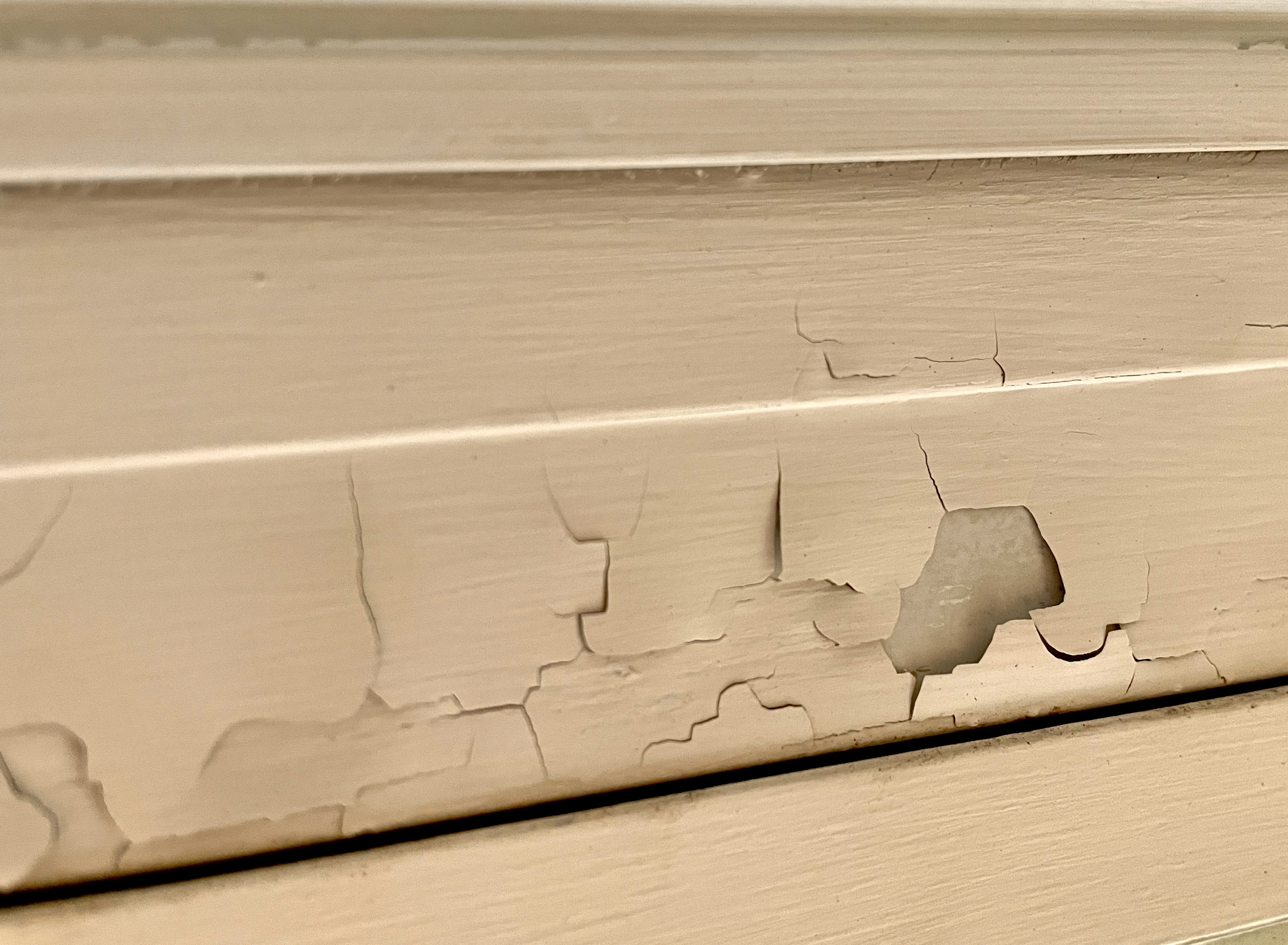
Professional testing for lead paint costs about $300, ranging from about $250 to $700, depending on the square footage, accessibility, and location. However, testing for lead paint with a DIY home-testing kit costs about $25, but doesn’t guarantee accurate results. The U.S. Environmental Protection Agency (EPA) recommends using a lead test kit that complies with the Lead Renovation, Repair, and Painting (RRP) Rule, which has strict criteria for ensuring a more accurate reading.

Common home surfaces to test for lead include:

  • Walls

  • Windows

  • Doors

  • Molding and trim

  • Railings

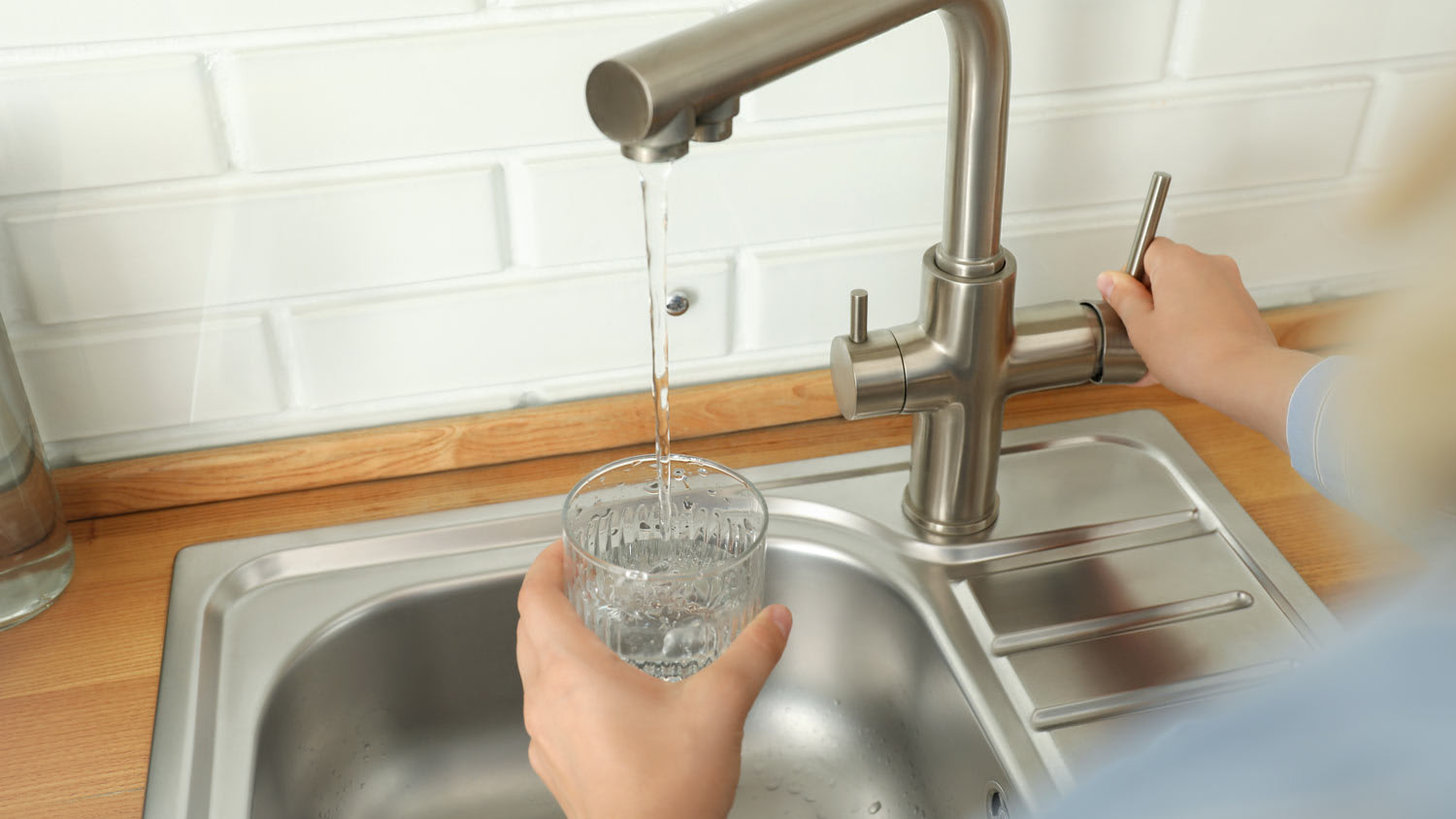
Some of the signs that could mean your water is contaminated, such as cloudiness or bubbliness, could also be non-problems that don’t affect your water’s potability. However, if your water smells or tastes strange, it’s a good idea to stop drinking it and test it immediately. If your well water is contaminated, the best way to discover that is to test it.

Several different measurements may be used to determine the amount of lead in water. The most common unit of measurement is micrograms per liter (µg/L), which is the same as parts per billion. Another measurement is milligrams per liter (mg/L), which is the same as parts per million.

With regular testing, treatment, and maintenance, water from a community well should be safe to drink. Unfortunately, the EPA does not regulate private wells, and contamination can happen. 

If you have doubts about the quality and safety of your drinking water, you have options for testing. You can pick up kits from your local home supply store or harvest samples and send them to a local testing facility. To get the most complete water quality testing and system diagnosis, seek a local well professional. They know what to test for and can recommend and implement a longer-lasting solution.

The Granger, WA homeowners’ guide to lead testing and removal services

From average costs to expert advice, get all the answers you need to get your job done.