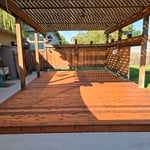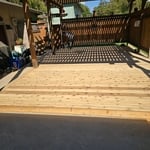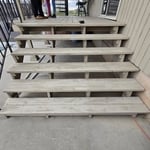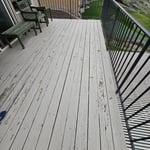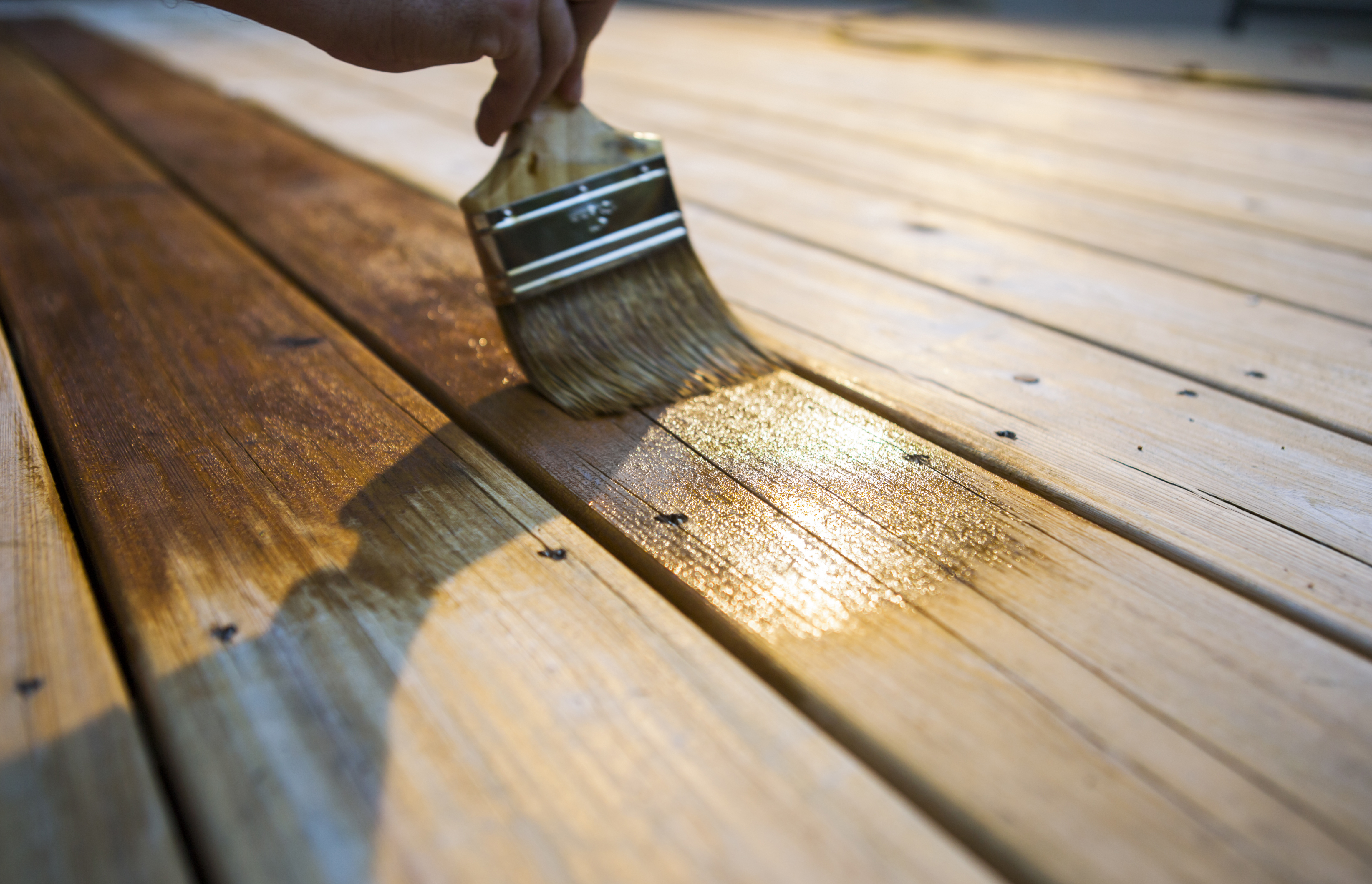






Top-rated deck cleaning pros.

Get matched with top deck cleaning pros in Colton, WA

Enter your zip and get matched with up to 5 pros

Need a pro for your deck cleaning project in Colton, WA?

Select your specific project to find the pro for you.

TRUSTED BY COLTON, WA HOMEOWNERS

  • Average homeowner rating star icon4.4
    Average homeowner rating
  • Verified reviews icon10
    Verified deck cleaning services reviews

Find Deck cleaning pros in Colton

Avatar for JBC Group Solutions Inc
JBC Group Solutions Inc
4.0(
4
)

Serving Colton, WA and surrounding areas

In business since 2007

Emergency services offered

"They did a real good job. They were real professional. We can now open the garage door from the inside of the house and now it is so smooth that we have to check to see if we hit the button to open it or close it.  Before we used to know when it was opening or closing because it used to make a noise. It helps when you move to a city where you are new. "
Custom Staircases
Custom Exterior Restoration
Custom Bathrooms
Recommended by75%of homeowners
Central Fence Of Walla Walla LLC
New to Angi

Serving Colton, WA and surrounding areas

In business since 2006

Free estimates

License number CENTRFW934LD\nCompany operator Ken Witt has 24 years of fence experience in the Walla Walla Valley. \n\nQuality That's Affordable! \n\nWe're a small company that produces amazing results. We proudly design and build custom projects such as custom cedar fences and arbors.\n\nThe types of fences we build are many:\nOrnamental Iron, Cedar Board, Privacy Vinyl, Vinyl Rail, Split Rail, Chain Link, Farm and Feild and Boundary and Security fences.\n\nWe also do custom concrete work. The concrete finishes we provide are:\nBroom, Stamped/Colored, Exposed Aggregate, and Pillars/Stone.\n\nOur Hours of Operation are:

Deck Cleaning questions, answered by experts

Deck repairs cost around $800 to $3,500 . However, your cost depends on the type and severity of the repair, as well as the type of decking material you have. Other factors, like location and labor costs, impact the price, too. Boards and railings are the priciest parts of a deck to repair, while loose stairs are less expensive to fix.

Increases livable area and enhances aesthetic, often boosting property appeal.

Decks require several inspections during and after the building process, but the specifics vary depending on where you live. Most areas mandate that decks comply with local building codes and safety regulations for the foundation, framing, and structure. Some pros recommend a footing inspection, which verifies the depth, width, and location of the various footings to ensure they offer enough foundational support.

Building codes for deck railings can vary by location, so it's important to consult your local regulations before construction. Generally, a guardrail is required for any deck that is more than 30 inches above the ground.

For residential properties, the standard minimum height for a deck railing is 36 inches. However, some states and municipalities have stricter requirements; for example, California and Washington mandate railings that are at least 42 inches high. Therefore, a 42-inch railing is not considered too high and may be required in your area or chosen voluntarily for additional safety.

In addition to height requirements, codes also specify other safety features, such as the maximum spacing between balusters to ensure they are close enough to prevent a child from squeezing through.

Ideally, a gate should be able to swing both in and out. However, if it can only open in one direction, it is generally best for it to swing inward. This is often the safest option, especially for deck gates near steps, as you'll want the gate to swing away from the stairs. An inward swing also prevents the gate from opening into a public space, like a sidewalk, and can be more convenient when carrying heavy items like a wheelbarrow into a garden.

There are exceptions, however. The layout of your property may require a different approach. For example, if your property is on a slope, the gate may not be able to swing inward. You should also ensure the gate can open fully without colliding with any objects or blocking access to other areas. For a backyard garden gate where public access isn't a concern, the direction it swings is largely a matter of personal preference. Finally, always check your local building codes, as they may have specific requirements for which way a gate must swing.

The Colton, WA homeowners’ guide to deck cleaning services

From average costs to expert advice, get all the answers you need to get your job done.