





Top-rated generator install pros.

Get matched with top generator install pros in Richmond, VT

Enter your zip and get matched with up to 5 pros

Need a pro for your generator install project in Richmond, VT?

Select your specific project to find the pro for you.

Find Generator install pros in Richmond

Avatar for M.L. & Sons Electric
M.L. & Sons Electric
5.0(
1
)
Fixed Generator - InstallFixed Generator - RepairGenerator - Install - For Business+3 more

Serving Richmond, VT and surrounding areas

Approved

In business since 2018

Free estimates

Small jobs welcome

"Milton was amazing. He quickly discovered the causes and solutions to our electrical problems. He is extremely knowledgable, professional, personable and kind. He is enthusiastic about his work and has great energy. He is also affordable- which is a rare thing these days. We are looking forward to seeing him soon to do further work for us."
Response time3 days

Avatar for Rockys Electric
Rockys Electric
New to Angi
Portable Generator - Repair

Serving Richmond, VT and surrounding areas

Free estimates

Warranties offered

Credit card accepted

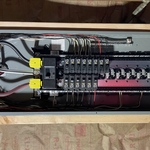
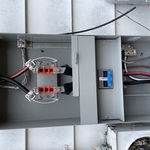
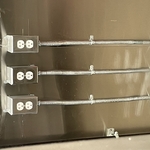
\nRockys Electric LLC is a family-owned and operated electrical company established in 2023, located in West Rutland. They offer a variety of services including heat pump installation, residential wiring, troubleshooting, commercial wiring, generator installation, service upgrades, panel swap outs, and automotive wiring harnesses. The company prides itself on a quick response time and provides free estimates within one hour of travel to West Rutland.

Additional Photos
Additional Photos
Additional Photos
Additional Photos
Avatar for Chris Fagnant Electrical and Construction
Chris Fagnant Electrical and Construction
New to Angi
Portable Generator - Repair

Serving Richmond, VT and surrounding areas

Free estimates

Emergency services offered

Small jobs welcome

General Construction, Remodeling, Electrical Service updates, New Constructions and Additions, landscaping and Handyman services, I work with clients to bring their vision to life. Fully insured and licensed in Multiple states, with over 26 years in the trades, an extensive knowledge of building codes with an emphasis on construction inspections and safety my goal is to provide craftsmanship and quality in a timely manner.

Dining Room
Adam Wiggett LLC
New to Angi
Generator - Install - For BusinessGenerator - Repair - For Business

Serving Richmond, VT and surrounding areas

In business since 2018

Free estimates

Emergency services offered

Adam Wiggett LLC is committed to excellence in every aspect of our business. We uphold a standard of integrity bound by fairness, honesty, and personal responsibility. Our distinction is the quality of service we bring to our customers. Accurate knowledge of our trade combined with ability is what makes us true professionals. Above all, we are watchful of our customers' interests, and make their concerns the basis of our business.

Showing 1-10 of 16
Generator Install questions, answered by experts

The average cost to install a home generator is $5,200, but total costs can range from $500 to $18,000 or more. The final price depends on several factors, including the generator's size, type, brand, fuel source, and the cost of labor and assembly. The generator's size is the most significant cost factor, as units that can power larger homes with higher energy demands cost more.

Cost breakdowns by generator type are typically as follows:

  • Portable or Emergency Backup Generators (1kW–7.5kW): $500–$2,000

  • Partial-Home Generators (9kW–20kW): $2,000–$6,500

  • Whole-House Generators (22kW–48kW): $5,000–$18,000

To ensure you get the right size unit for your needs without overpaying, consider hiring an electrician to calculate the electrical load of your essential appliances. It is also recommended to get at least three quotes from qualified installers to find the best fit for your budget.

As a safety measure, you should always turn off the main breaker while operating your generator’s backup breaker. In addition, you should also switch off all appliance breakers so you don't have a power surge when the main breaker turns back on. And finally, turning off the main breaker prevents back-feeding, which endangers utility workers with the risk of electrocution. Back-feeding could also destroy the electrical circuits of your neighbors if they use the same power network.

Here’s what you can run with different wattages and types of generators:

Portable generator:

  • 2,000 watts can handle a large appliance like a freezer or refrigerator, plus a few smaller items like phones or computer chargers. 

  • 4,000 watts will keep two large appliances operating and a few smaller devices.

  • 8,000 watts should power most essential appliances and other devices, including a sump pump, well pump, or your dishwasher.

Partial to whole-house generator:

  • 20,000 watts and above will make it seem like your home’s power is still on.

To determine the right size generator for your house, you should calculate the total wattage of the appliances and devices you want to power during an outage. List all essential items, note their start-up wattages, and add them together.

Here are some typical wattage requirements for common appliances:

  • Refrigerator: 600 watts

  • Large dehumidifier: 700 watts

  • Large window air conditioner: 1,400 watts

  • Water heater: 3,000 to 4,500 watts

  • Electric furnace: 5,000 to 25,000 watts

A 7,500-watt generator might be sufficient for essentials like a refrigerator, freezer, well pump, and lighting circuits. However, for high-demand items like a water heater or furnace, a whole-home generator is a better choice. A portable generator may be enough if you only need to power a few critical items.

While home square footage can offer a rough estimate, it is not always a reliable indicator. For reference, here are some typical generator sizes based on square footage:

  • 1,000 sq ft: 6–9 kW

  • 1,500 sq ft: 7–10 kW

  • 2,000 sq ft: 10–14 kW

  • 2,500 sq ft: 12–16 kW

  • 3,000 sq ft: 16–20 kW+

For the most accurate sizing, consult a professional who can calculate your home's peak and average power consumption and recommend the optimal generator.

No, you should never plug a generator directly into a wall outlet in your house. This practice is extremely dangerous, often illegal, and can cause "back-feeding," where power from the generator flows back into utility lines, creating a life-threatening hazard for utility workers. It can also damage your home's electrical system, including appliances like pumps and HVAC fans. If the main power is restored while the generator is connected, it can destroy the generator and cause an electrical fire. To safely connect a generator, you must use a professionally installed transfer switch or an interlocking kit, which prevents back-feeding by disconnecting your home from the utility grid before the generator provides power.

The Richmond, VT homeowners’ guide to generator installs

From average costs to expert advice, get all the answers you need to get your job done.