




Top-rated bird control service pros.

Best bird control service pros near Enosburg Falls, VT

Enter your zip and get matched with up to 5 pros

Need a pro for your bird control service project in Enosburg Falls, VT?

Select your specific project to find the pro for you.

Top-Rated Bird control service pros in Enosburg Falls - Updated Nov 2026

Bird Control FAQs, answered by experts

The brown recluse has numerous predators in the wild (or close to your home). They are a valuable part of the ecosystem, too. Their predators often include birds, praying mantis, crickets, chickens, spider wasps, and more. However, the brown recluse spider is a master at hiding, making it much more difficult for predators to hunt them.

An owl's worst enemy in the wild is often other raptors and environmental factors. Among the avian threats, larger owls or other birds of prey can pose a danger, engaging in territorial disputes or competing for food resources. Terrestrial predators like foxes, raccoons, and larger mammals may target owl nests or young fledglings. Environmental factors like severe weather conditions, habitat loss, and food availability changes can also significantly impact owl populations.

Woodpeckers may seek out homes with aluminum siding or tin roofs because these surfaces echo their drumming. Homes with wood siding are more frequently targeted as roosting areas or for food sources. If you have insects living in the exposed wood in your home, the birds are likely looking for a snack, in which case your best option is to hire an exterminator.

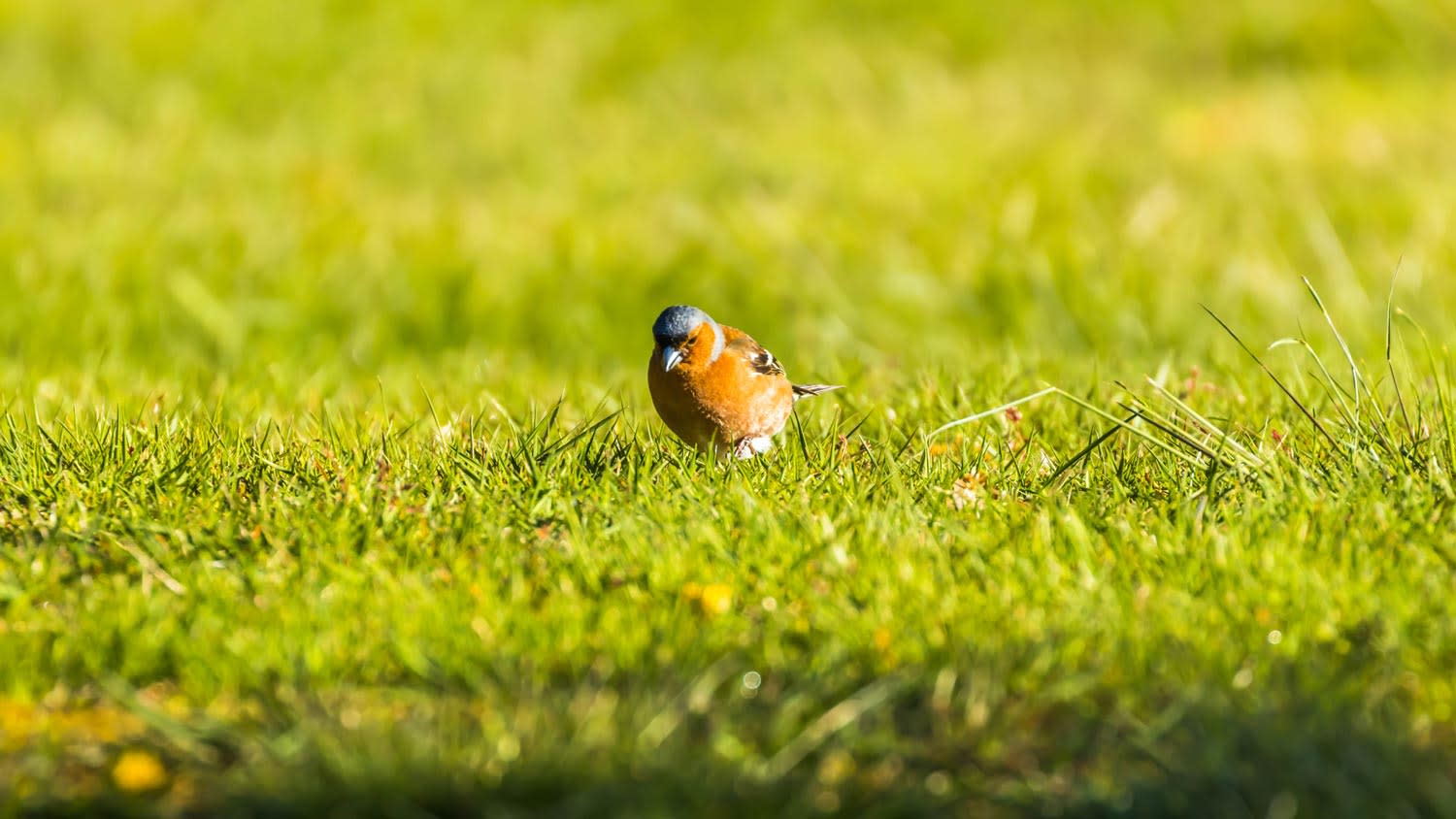
Birds eat grass seed for one simple reason—it’s delicious! The seeds are rich in nutrients such as carbohydrates, proteins, and fats. Seeds are also high in energy, so humans eat trail mix loaded with seeds and nuts for long-distance activities. Grass seed, when unprotected, is also exceptionally easy to access.

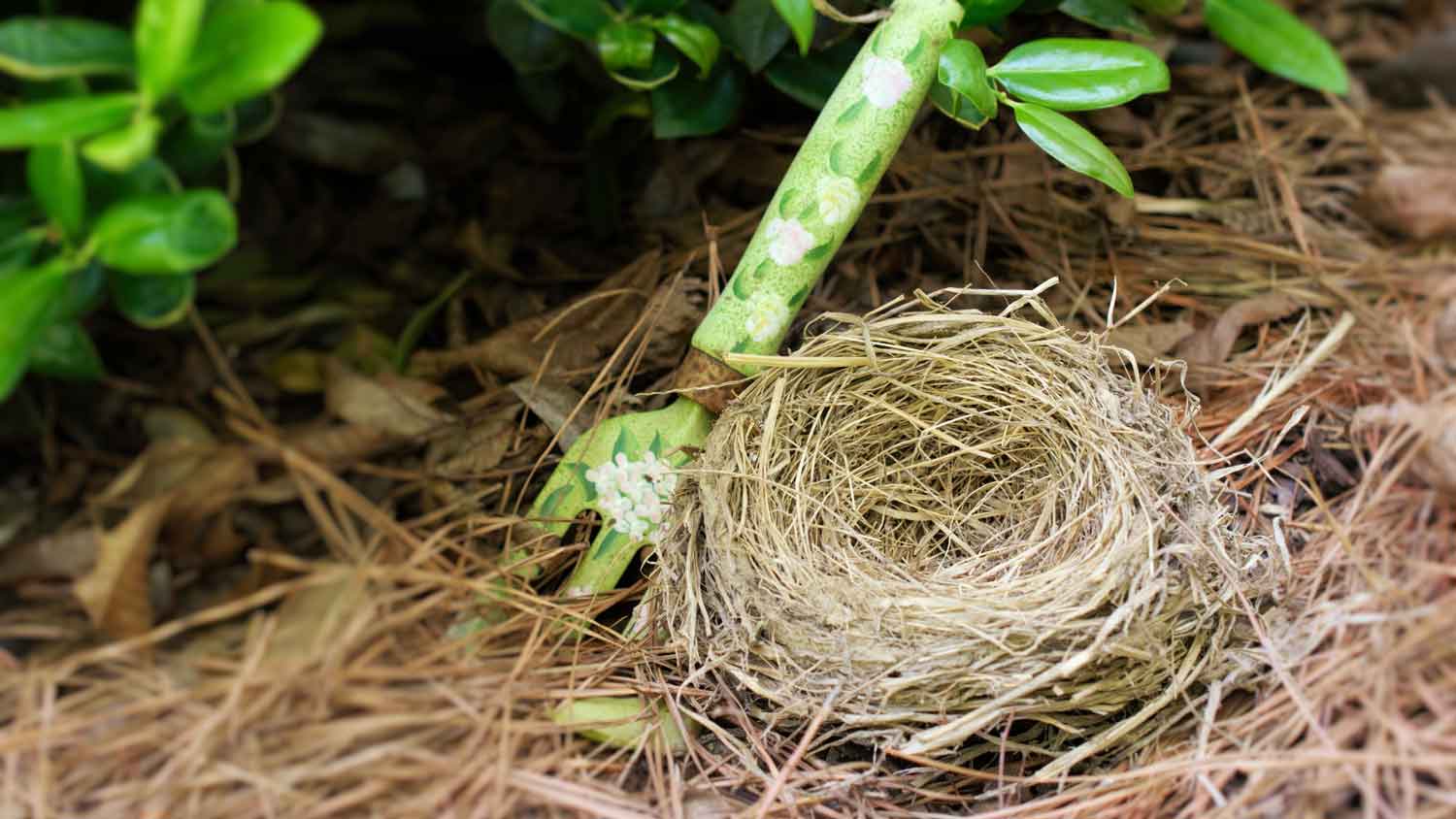
The lifespan of a bird's nest depends on the species. The building process can take from two days to three weeks. Once built, the nesting period for baby birds can last from two to ten weeks before they leave the nest. While most young birds are ready in two to six weeks, some predatory species may need up to two and a half months. Some species nest four to five times per year, so a nest could remain in use for several months. For specific information about a particular nest's longevity, it is best to consult a wildlife professional.

The Enosburg Falls, VT homeowners’ guide to bird control services

From average costs to expert advice, get all the answers you need to get your job done.