No. Unfortunately, leaf removal is your responsibility, no matter what tree the leaves come from. It would be pretty hard to regulate leaves since they can be moved by the wind or water. Imagine the detective skills it would take to determine which tree each leaf came from and who was then liable for removing it. Instead, plan to remove any leaves on your property.
Many recycling facilities accept asphalt shingles and then process and reuse them in various applications such as road construction and pavement. Before recycling, remove any nails or other metal components from the shingles to avoid contamination. If recycling facilities are unavailable, you can dispose of asphalt shingles at a dumping site, but homeowners should check local regulations and guidelines for proper disposal procedures. Hiring a professional roofing contractor experienced in eco-friendly disposal methods can ensure that your asphalt shingles don’t just end up in a landfill.
The legality of blowing leaves into the street depends on your city or county laws. Many cities have codes that restrict blowing leaves into the street because it can obstruct the view of nearby drivers and make cars dirty, not to mention angering neighbors. Violations can result in a fine or other problems. You can check the codes on your municipal government website to learn more local guidelines, but avoid spraying leaves into streets for now.
The most common alternative is burning the stump first, then dealing with the cinders and ashes. As you can imagine, this option creates fire hazards, especially since roots can burn underground, hidden, for long afterward. That’s why many states and cities have outlawed the use of stump burning entirely. We do not recommend this option as a viable alternative unless you get a permit from the local fire department and practice all safe burning procedures.
Others prefer a more long-term DIY approach of degrading the stump with home mixtures like Epsom salt and vinegar injected directly into it. This may help the stump decay faster, allowing homeowners to dig it out themselves, but it’s still a lengthy process. It usually takes months for a stump to start falling apart with such treatments, and in the meantime, it can be vulnerable to rot, insects, and other problems.
To remove old grass effectively, you typically need to dig to one to two inches. This depth typically allows you to reach the root system of the grass, ensuring thorough removal. However, if the grass is a particularly dense or deep-rooted variety (such as Bermuda grass), or if you're planning to replace it with a different landscaping feature, you may need to dig deeper to loosen the soil and remove any underlying roots.
The Montvale, VA homeowners’ guide to brush chipping services
From average costs to expert advice, get all the answers you need to get your job done.
The cost of a tar and chip driveway falls between gravel and asphalt. Is this unique process the happy medium you've been looking for? Let's take a look.
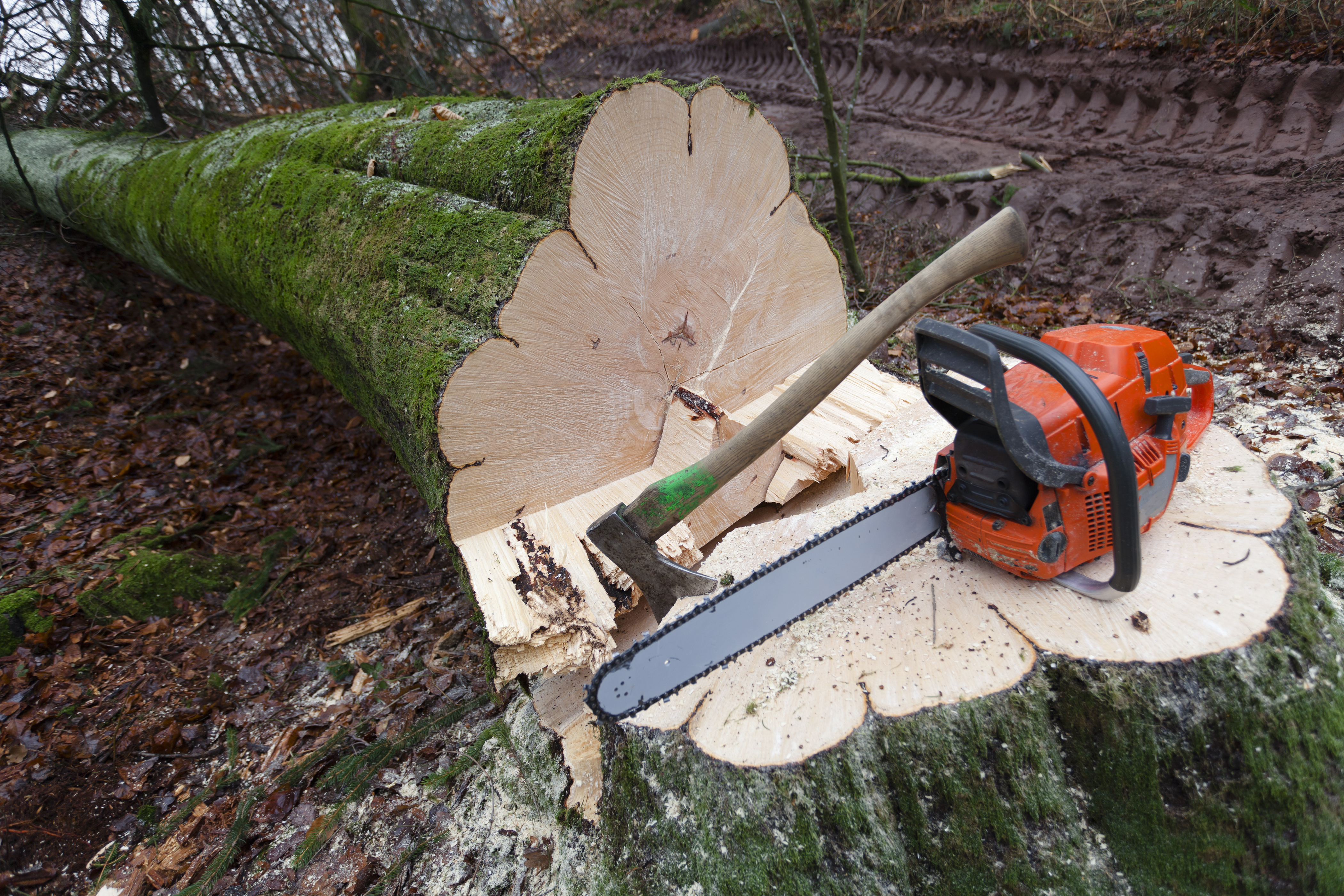
If your painted deck is less than appealing, it's time for a refresh. DIY your paint removal from your deck to enjoy your outdoor space for many seasons.