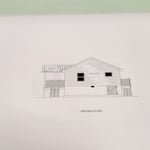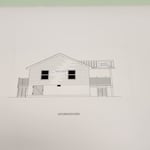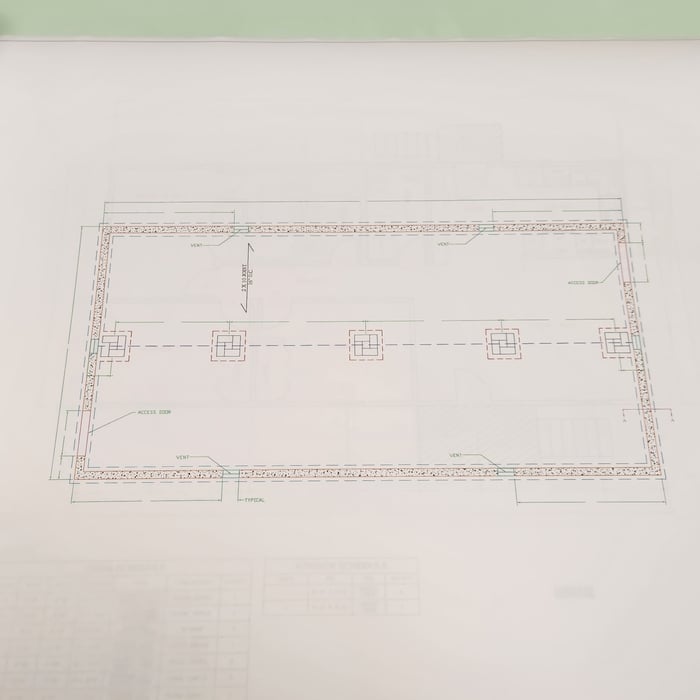







Rock-River Engineering is a design company Professional Engineering for your building or remodeling project. We provide solid structural solutions and creative designs modeled with 3D CAD software. We treat our clients and your building site with respect, always striving for an outstanding project.
Structural Engineering questions, answered by experts
Water can seep into porous materials like wood beams, floor joists, and roof rafters within minutes, but they’ll need to see prolonged exposure before you have structural damage. Mold can start growing within 24 hours, and mold can eat away at the structural components over time. Wood rot is more of a concern, though. Wet and dry rot are fungal infections that set in in moist conditions and rapidly deteriorate wood, causing major structural damage within just a few months in some cases.
A structural engineer's report provides a professional assessment of a property's structural condition. It typically includes an evaluation of the foundation, key structural elements like roof trusses, floor joists, studs, beams, and rafters. The report will also contain a detailed description of the engineer's findings, often supported by photographs, and provide recommendations to correct any identified issues. Depending on the scope of the inspection, it might also include an assessment of property drainage, potential issues from environmental conditions like extreme weather or tree placement, and an estimated time and cost for any recommended repairs.
Most lenders and homeowner’s insurance companies don’t mandate a structural engineer’s inspection, so in most cases, it’s not required. However, it’s a good idea to have one done anyway to ensure you know what you’re buying. You can use the report to carry out repairs after closing or even to negotiate the sale price before closing.
On average, 6 inches of concrete can hold around 150 pounds per square foot, but the exact weight that 6 inches of concrete can hold depends on factors such as the type of concrete, the reinforcement method, soil conditions below, and structural design. If you’re concerned about the longevity of your concrete patio, walkway, or driveway, hire a professional to help you choose an appropriate concrete thickness and reinforcement method for your needs.
All foundations have footers, including monolithic slabs. In some cases, the foundation itself acts as the footer, as in the case of a floating slab and a monolithic slab. With a monolithic slab, the footers—which are just the bottom-most portion of the foundation that distributes loads down to stable soil—are a part of the main slab and are constructed with a single pour.
The Grundy, VA homeowners’ guide to structural engineering services
From average costs to expert advice, get all the answers you need to get your job done.
A new steel I-beam is more durable than a wooden one. Learn what factors can affect steel I-beam installation costs and how to budget for this project.
The cost of a structural engineer is easily justifiable given the value they bring to the table. Use this guide to see what hiring your professional will total.
Removing columns can open up a space, but you’ll need to exercise caution to avoid damaging your home’s structure. Use these steps to find out if your column is load-bearing.