







Josh Roitz Custom Fabrication
Wrought Iron Fence - InstallWrought Iron Fence - Install - For Business
Serving Naples, UT and surrounding areas
In business since 2021
Free estimates
Credit card accepted
18 years of experience
*The Angi rating for Wrought Iron Service companies in Naples, UT is a rating based on verified reviews from our community of homeowners who have used these pros to meet their Wrought Iron Service needs.
*The HomeAdvisor rating for Wrought Iron Service companies in Naples, UT is a rating based on verified reviews from our community of homeowners who have used these pros to meet their Wrought Iron Service needs.
Last update on November 02, 2024
From average costs to expert advice, get all the answers you need to get your job done.
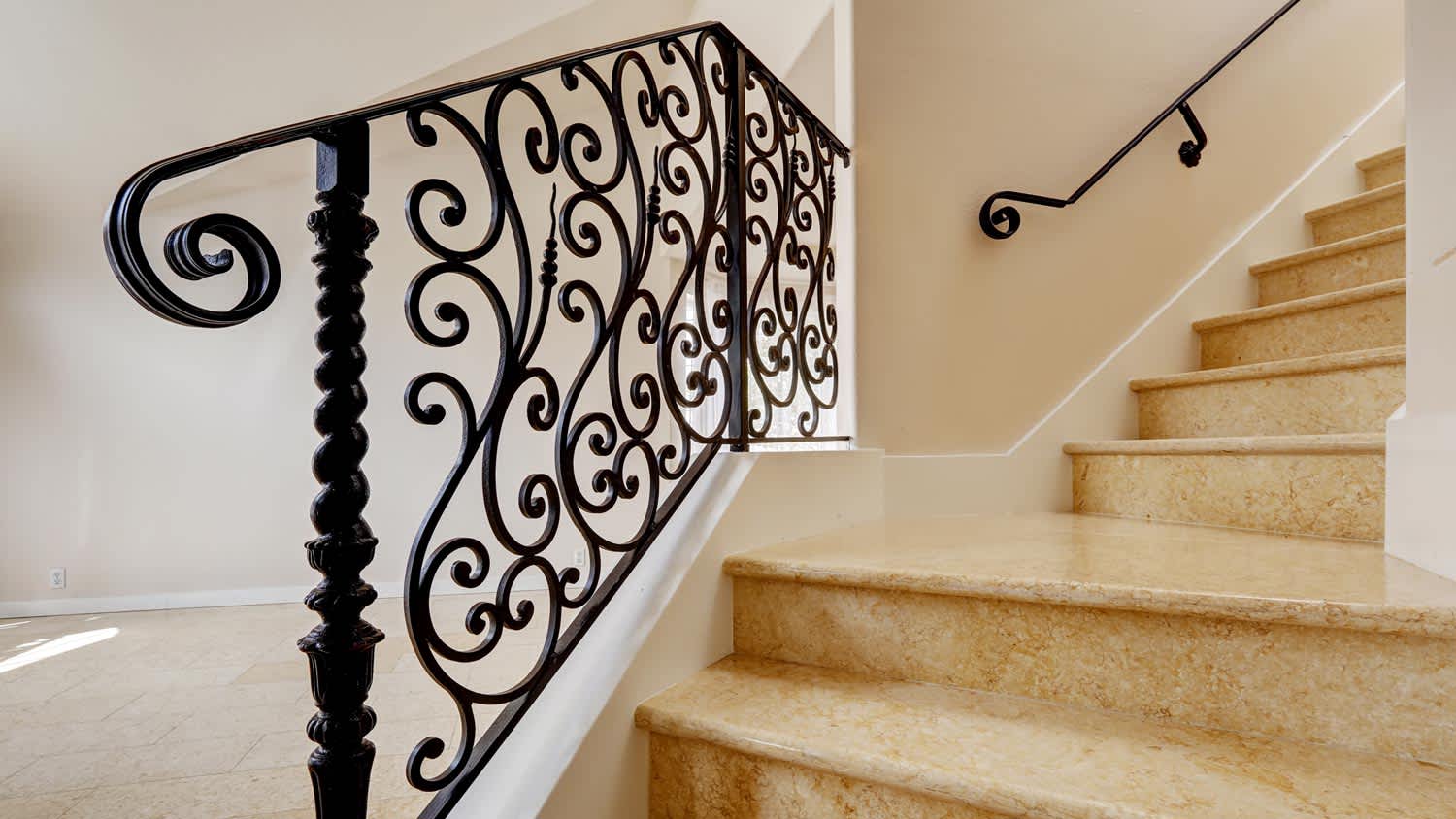
Discover how much a wrought iron railing costs. Get detailed price breakdowns, installation factors, and tips to save on your new railing project.
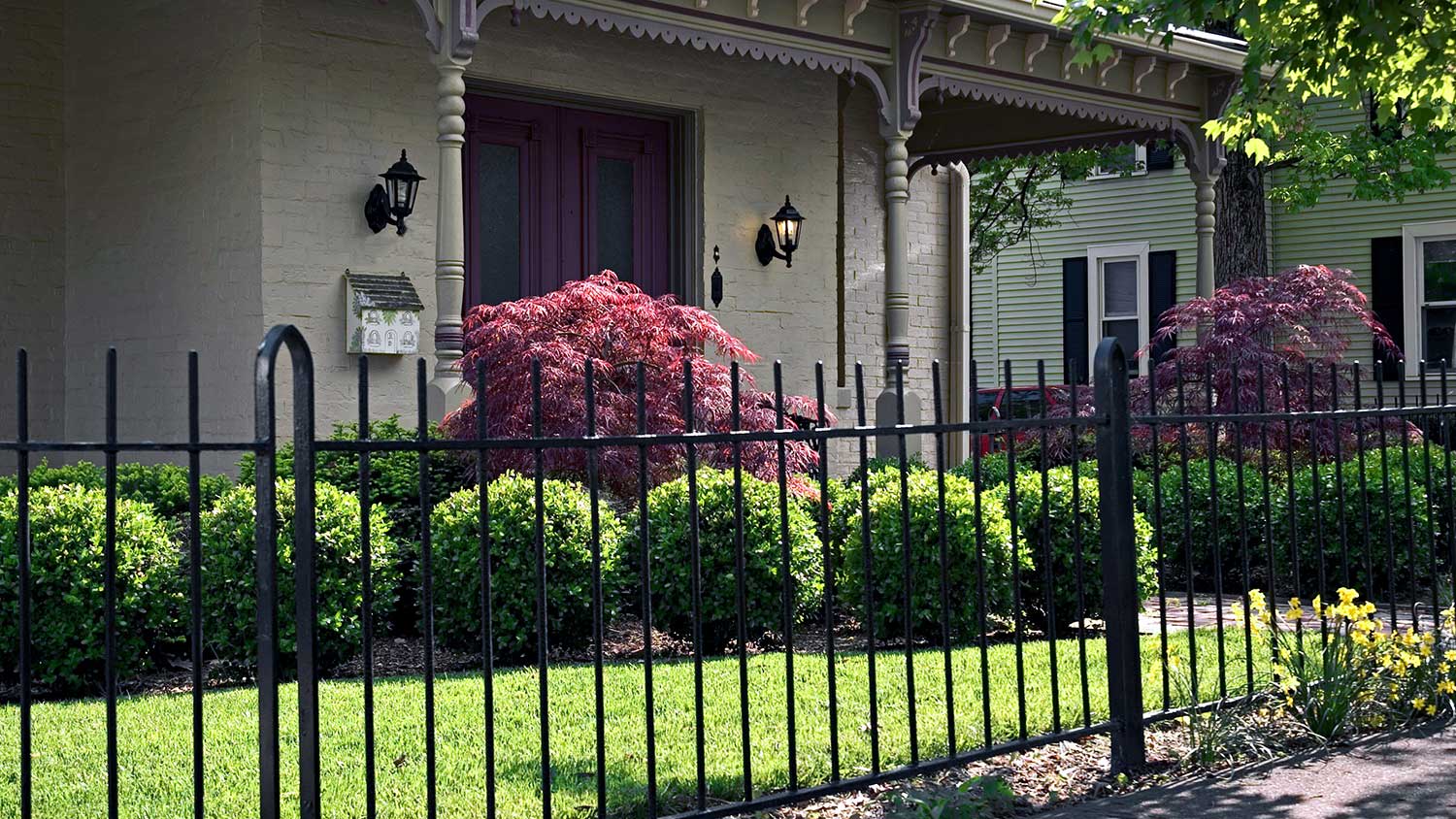
Discover how much wrought iron fence installation costs depending on factors like its size, thickness, design, and location.
Get expert insights on wrought iron railing repair cost, including average prices, key cost factors, and tips to save on your next project.

Unsure who to hire to install a wrought iron fence? Compare fence contractors and ornamental iron pros, see how installation works, and choose confidently.
Discover who to hire to repair a wrought iron fence and handle iron fence repair. Compare pros, see the process, and hire with confidence today.