


Top-rated generator install pros.

Get matched with top generator install pros in Vega, TX

Enter your zip and get matched with up to 5 pros

Need a pro for your generator install project in Vega, TX?

Select your specific project to find the pro for you.

Find Generator install pros in Vega

D and L Walton Electric
4.8(
6
)
Fixed Generator - InstallGenerator - Install - For Business

Serving Vega, TX and surrounding areas

In business since 2023

Free estimates

Credit card accepted

"Donny installed numerous recessed lights in our home. He did a great job for us. He is honest and efficient. One of.the things that impressed us the most is the effort he made to keep the mess to a minimum. He never left for the day until he was sure everything was cleaned up. I highly recommend him."
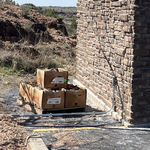
Power from storage building to trash bin
underground feed from storage to trash bin
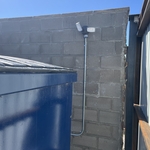
Motion light added to the inside area of trash bin
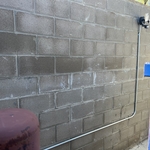
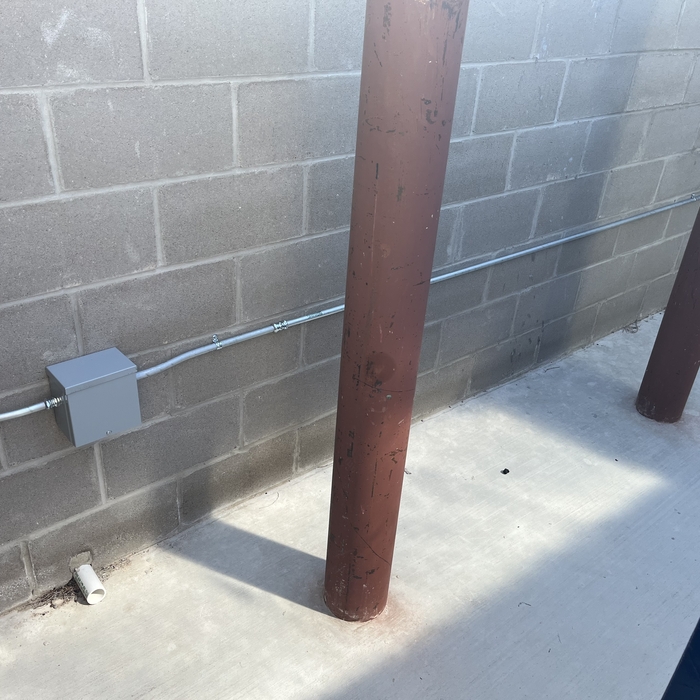
Inside of trash bin area conduit run.

+31

Response time5 hrs
Recommended by100%of homeowners
Avatar for The Home Depot - Generators
The Home Depot - Generators
2.5(
1
)
Fixed Generator - Install

Serving Vega, TX and surrounding areas

In business since 2003

Free estimates

Small jobs welcome

Today, we're proud to be the world's largest home improvement retailer. In 2,300 stores across North America, we aspire to excel in service – to our customers, associates, communities and shareholders. That's what leadership means to us. That's The Home Depot difference.

Generators
Generators
Generators
Generator
Generators

+5

Showing 1-10 of 14
Generator Install questions, answered by experts

To reduce AC startup power for a whole-house generator, install a soft start kit or hard start capacitor, which lowers the initial surge by gradually ramping up the compressor. Using a smart load manager can also help by staggering startup loads, preventing a system overload and future costly repairs.

Whole-house generators need to be installed on level ground several feet away from walls and other objects. Because they tap into the electrical system directly, they usually need to be close to your home electrical panel for a transfer switch installation. It also helps with installation if they are near to a gas line or propane tank installation.

To determine the right size generator for your house, you should calculate the total wattage of the appliances and devices you want to power during an outage. List all essential items, note their start-up wattages, and add them together.

Here are some typical wattage requirements for common appliances:

  • Refrigerator: 600 watts

  • Large dehumidifier: 700 watts

  • Large window air conditioner: 1,400 watts

  • Water heater: 3,000 to 4,500 watts

  • Electric furnace: 5,000 to 25,000 watts

A 7,500-watt generator might be sufficient for essentials like a refrigerator, freezer, well pump, and lighting circuits. However, for high-demand items like a water heater or furnace, a whole-home generator is a better choice. A portable generator may be enough if you only need to power a few critical items.

While home square footage can offer a rough estimate, it is not always a reliable indicator. For reference, here are some typical generator sizes based on square footage:

  • 1,000 sq ft: 6–9 kW

  • 1,500 sq ft: 7–10 kW

  • 2,000 sq ft: 10–14 kW

  • 2,500 sq ft: 12–16 kW

  • 3,000 sq ft: 16–20 kW+

For the most accurate sizing, consult a professional who can calculate your home's peak and average power consumption and recommend the optimal generator.

In many cases, yes. There are models called dual-fuel generators and fuel switches, but only between certain types of fuel. For example, with the right setup you can convert a generator from natural gas to propane. Some allow switching between diesel and gasoline. There are even tri-fuel generators available in some cases, which adds a large layer of security if you are worried about fuel availability in times of crisis. Always check your generator capabilities and manual instructions before trying to switch fuels. Some generators can use another fuel but may need a fuel conversion kit to prep them first.

Yes, in most municipalities, you will need a permit to install a permanent home generator, including emergency backup, partial-home, and whole-home models. Because these installations involve significant alterations to your home's electrical system and produce exhaust fumes, local governments often require a permit or inspection for safety purposes. A generator permit typically costs between $50 and $250, depending on your location. Your electrician or certified installer can usually handle the permitting process for you, but you will be responsible for the cost. It's a good practice to confirm with your installer that they will pull all necessary permits before work begins.

The Vega, TX homeowners’ guide to generator installs

From average costs to expert advice, get all the answers you need to get your job done.