Groundworks is the North America's leading and fastest-growing foundation repair and water management solutions provider. Groundworks is a vertically integrated company with its own manufacturing operations and a world-class software solution, allowing us to serve our customers more effectively. From the first phone call to the annual maintenance offered, our customers have peace of mind knowing we're there with one mission to repair, protect and improve their home. For state licenses visit Groundworks.com/licensing
We are among the few certified to provide services under license #20238.\nWe are not limited to building and repairing basements in areas only with perfect soil.\nWe have provided hard-to-find services in every part of the state.\nBuilding on dirt, sand, clay, rock, or caliche soil, we can help.\nIn the state of Texas, we are truly The Basement Kings\nNote: we also offer services in Oklahoma!
"It went fantastically well, It did not take him long to find the problem and then solve it. He came in and look under the sink. Went under the house found the pipe shook it and said here is the problem. Hr removed a section of the pipe and found the stoppage removed it , repaired pipe and sink workes like new. Very knowledgeable and professional."
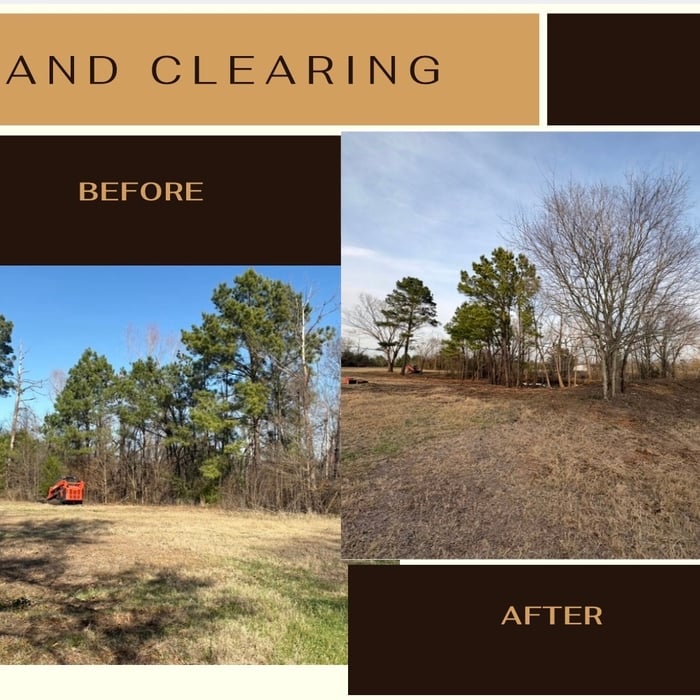
At Landers Ranch Services, we are a reputable excavation company located in Grimes County, TX. Serving the surrounding areas, we pride ourselves on delivering top-notch services to meet all our clients' excavation needs. With our skilled team and state-of-the-art equipment, we ensure efficient and reliable results for every project.
We are a family-owned business that will help build, demolish, or remodel your home at a fair price. We strive to always get things done right the first time so you do not have to worry about issues in your home again. We hope to hear from y'all soon!
Our Goal is too achieve 100% customer satisfaction. We specialize in custom, creative, unique, and bizarre projects like paint, tile, masonry, Epoxy Flooring and countertops. We have a very large range of skills from Refinishing beat up hardwood to Demolition. We handle just about everything needed to repair, maintain, upgrade, modernize, or customize your home and property. if we cant do it we bring in someone who can. We love a challenge but take care of simple as well. Man Caves, remodel, themed children's rooms, brick or rock patios and kitchens, pebble flooring, all types of tile work, interior design, organizing, cleaning commercial or private, interior and exterior painting, texture of all sorts, assembly, appliance installation & repair, popcorn removal, haul off, forts, mail boxes, you name it we can take care of it. We love what we do and so will you!
"The first one they ordered was the wrong kind so this delayed the installation. The plumbing company they used had to come back after the installation because there was a leak at the wall. Thank goodness it was in the garage. I was not happy that I had to pay an additional $850 for code upgrades which were not covered by my policy."
Complete landscaping service. We specialize on tree care, tree trimming, tree removal, stump grinding, tree planting and tree spraying. Landscaping maintenance. Irrigation installation and repairs. We are certified in back flow testing.
The cost to unclog a drain varies based on the location and severity of the clog. For simple clogs within your home, such as in a sink, toilet, or shower, hiring a plumber typically costs between $110 and $350, with an average of around $200. Snaking a toilet or sink usually costs between $110 and $275, while a bathtub or shower clog costs about $225.
For a more serious clog in the main sewer line, the cost is higher. Clearing a main line clog generally costs between $200 and $600, with an average of about $380. However, prices can range from as low as $100 for snaking a minor clog to over $1,600, particularly if advanced methods like video inspection and hydrojetting are needed for a large or hard-to-reach blockage. Some severe main line clogs can cost upwards of $1,000 to clear depending on factors like the cause of the clog, its distance from an accessible cleanout, and whether the pipe is located beneath an occupied space (e.g., in an apartment building). You may be able to save money on minor clogs by using a drain snake or bladder yourself.
No. You should never pour old paint down a drain or sewer because it can clog pipes and pollute the environment. You must dispose of paint properly and safely. Different types of paint need to be disposed of in different ways—oil-based paints must be taken to a paint recycling center, while you can throw dried-out water- or latex-based paints in the garbage.
To keep your toilet from clogging, you can use less toilet paper. You can also use a liquid toilet plunger to break up any clogs and keep the toilet drain and pipes clear. When it comes to a clogged toilet, the best route is prevention by using less toilet paper and making sure the mechanisms are all working properly.
While some chemical drain cleaners with hydrochloric acid can dissolve hair, this method is not recommended as it can also destroy your plumbing pipes. A common DIY alternative is using baking soda and vinegar, which can help break down the clog but will not actually dissolve the hair. The best and safest method for clearing a hair clog is to remove it manually. You can use a drain snake, a straightened wire hanger with pliers to fish out the clog, or have a plumber use a professional auger for more severe blockages.
Yes, continuing to flush a clogged toilet is not likely to break up the clog. Instead, it will continue to put pressure on the clog while filling the bowl with more water, which can potentially cause the toilet to overflow—leading to an even bigger mess. Rather than repeatedly flushing, use a toilet plunger or plumber’s snake to dislodge the clog.
The Throckmorton, TX homeowners’ guide to drain pipe installations
From average costs to expert advice, get all the answers you need to get your job done.
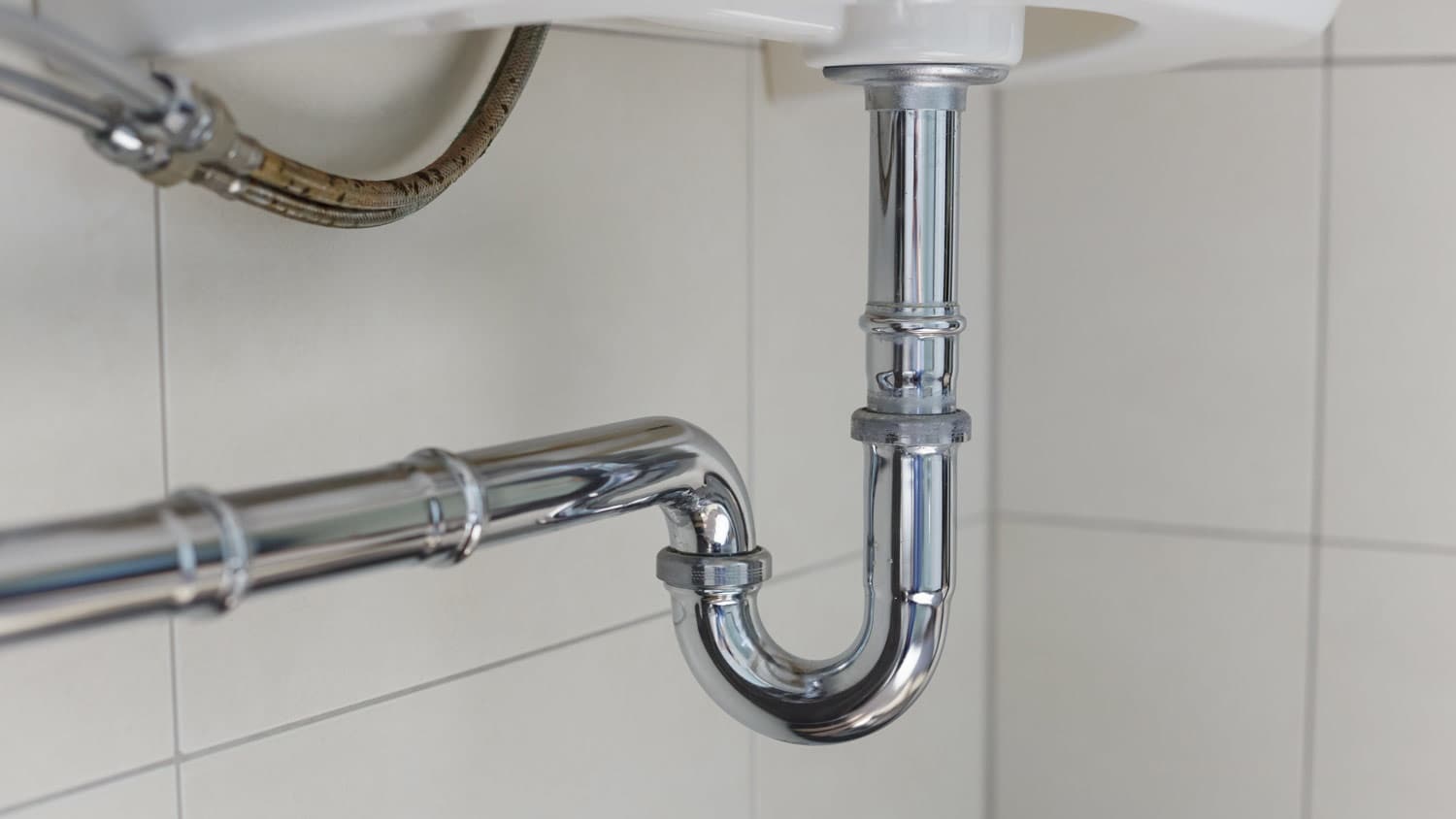
Follow this guide to learn how to install a kitchen sink drain, from shutting off the water supply to lowering the drain outlet and connecting the P-trap.