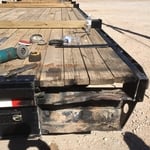
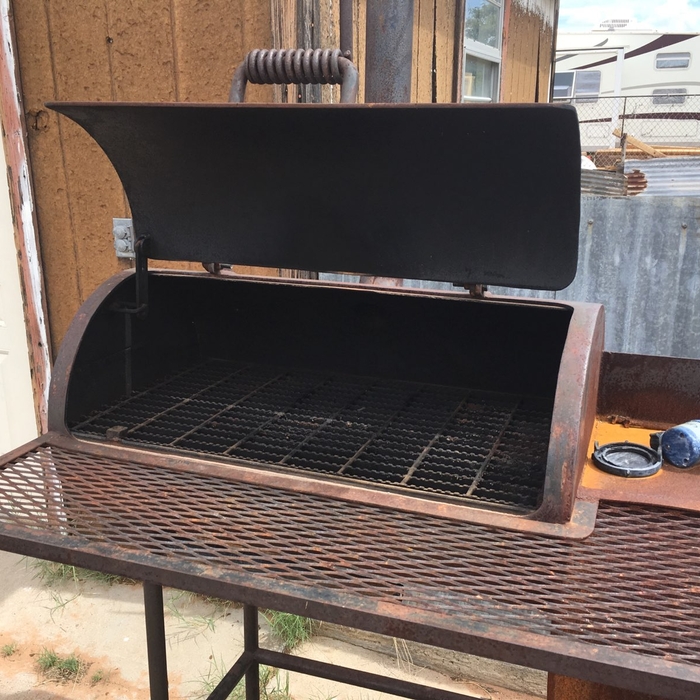
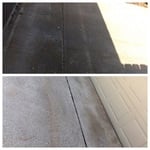
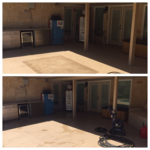
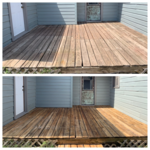
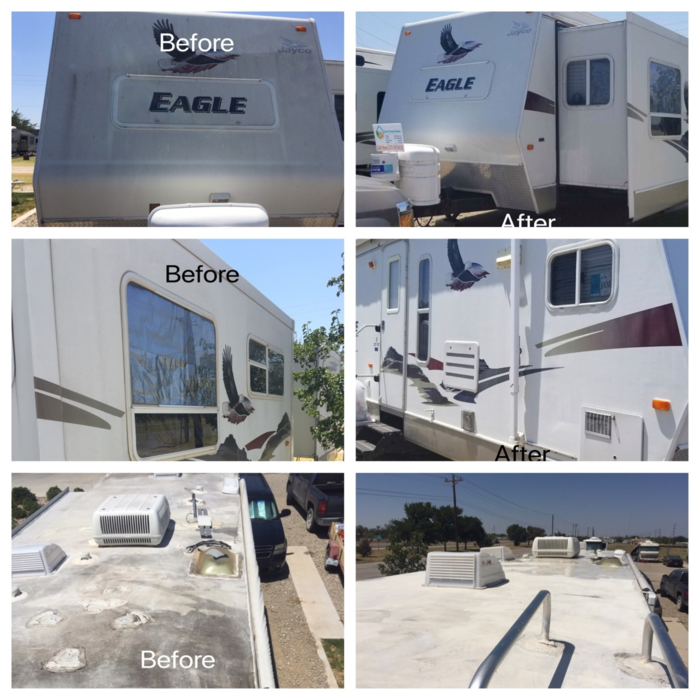
"Great! They arrived at the time they promised. They were careful around my shrubs. The brick and siding of the house looked great and I was shocked at the difference having the driveway pressure washed made. I have asked them to contact me every 6 months to have it done again."
"Our storage building build was awesome. It came out really nice and was was done quickly. Their work ethic is beyond great. They go above and beyond what is required."
"Chance and Lisa are great to work with. They kept me informed at every step and made sure to verify what I wanted if there were questions before proceeding on the project. They built a nice, secure deck and repaired my house. I would hire them again for my home repair projects."
"Cecil was very dependable and personable. Very polite young man. He went above and beyond to do a great job. He fixed some of the imperfections left by the sheetrock installer. Thank you Cecil!"
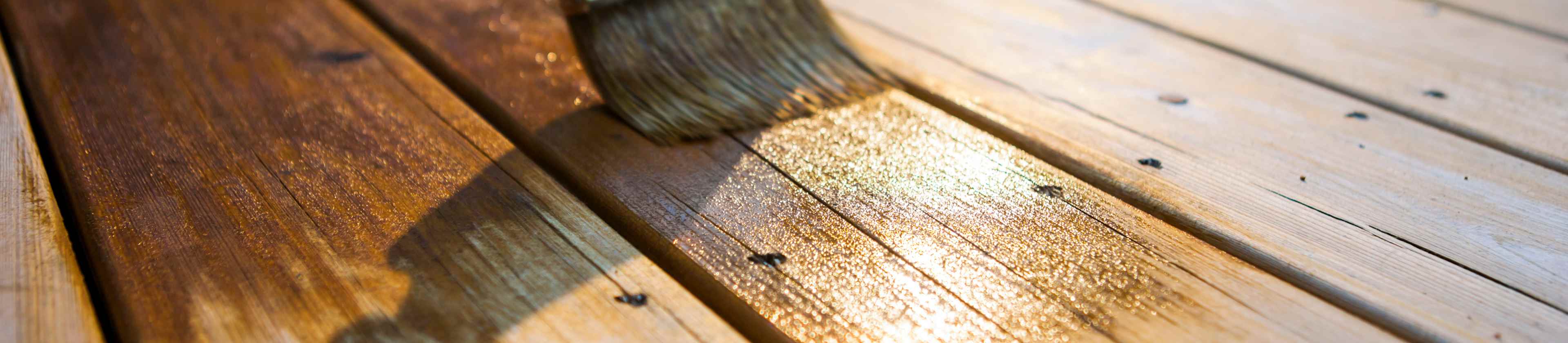
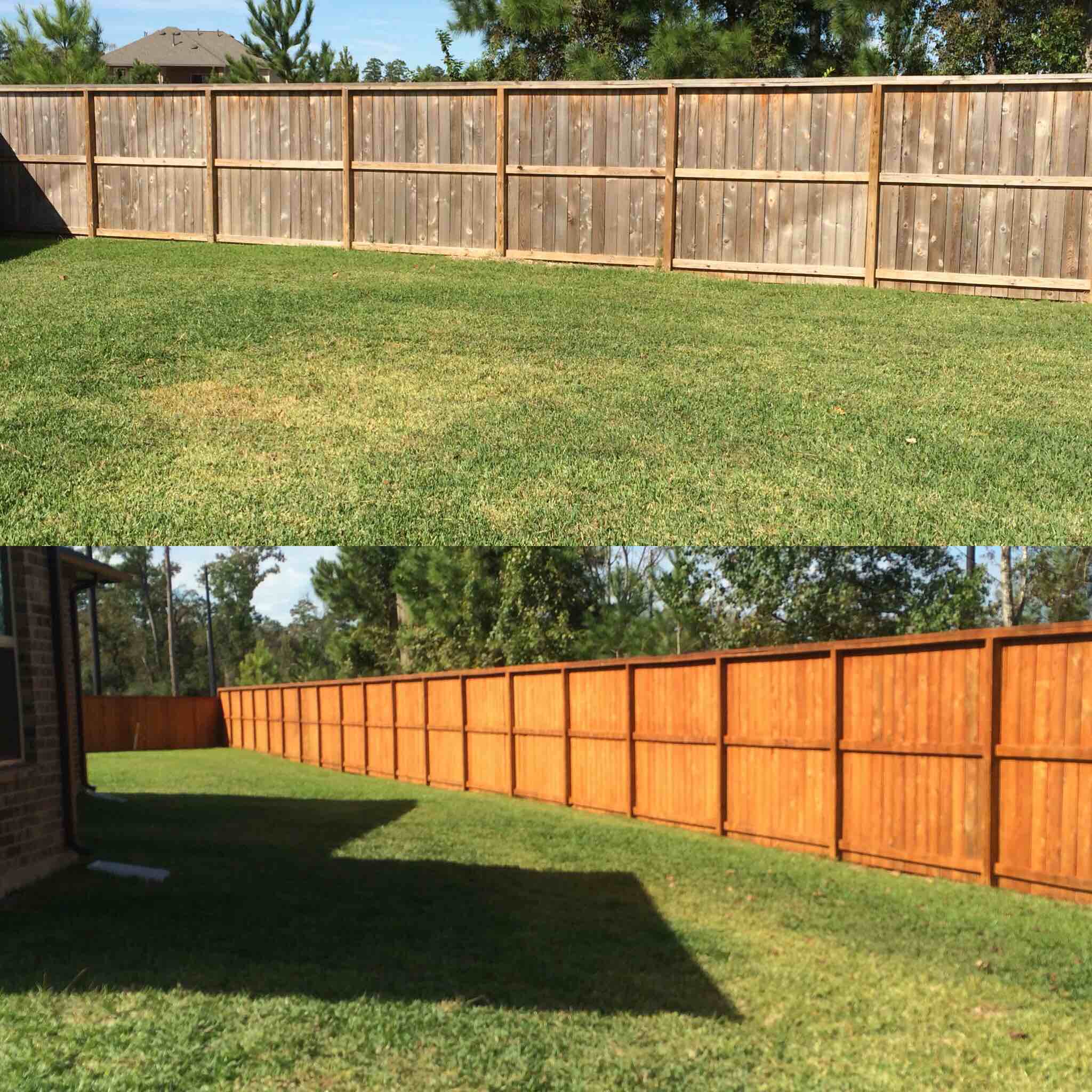
DIY staining or painting is manageable with proper preparation, including safety measures, necessary tools, and adherence to safe weather conditions for application.
Yes, it is generally safe to have a fire pit on a deck, but you must adhere to building codes and take several safety precautions. For both built-in and freestanding models, you must use a heat-resistant barrier, such as a fire pit pad or heat shield, between the pit and the deck. Additionally, consider the weight of the fire pit and ensure your deck can structurally support it, reinforcing it if necessary. The fire pit must also be positioned a safe distance from your house, particularly from materials like vinyl siding, to prevent heat damage.
The best material for your deck depends on several factors, including your budget, location, aesthetic preferences, and the level of maintenance you’re willing to do. Wood decking, like redwood, ipe, cedar, and pine, lasts the longest, but it’s more expensive and requires more upkeep than composite and synthetic decking.
When installing deck boards, screws are generally a better option than nails. Screws offer superior holding strength over time, keeping the boards securely in place. In contrast, nails are more likely to pop out, which can create a tripping hazard. While you can use either, we recommend using 3-inch galvanized deck screws. To minimize the risk of cracking the wood, it's a good practice to drill small pilot holes before driving the screws into the deck joists.
Any wood deck provides some ventilation to the area below, as is the nature of that type of deck design. However, areas that experience excessive humidity and associated moisture benefit greatly from a dedicated ventilation system in the form of strip vents. This addition helps the various wood boards contract and expand evenly throughout the years and reduces the chances of twisting, warping, and buckling.
The Throckmorton, TX homeowners’ guide to deck maintenance services
From average costs to expert advice, get all the answers you need to get your job done.
Deck maintenance is vital to protecting a wooden deck. Cleaning, staining and sealing a deck after pressure washing will add years to its lifespan. Protect a deck by following these deck maintenance tips for cedar and other types of wood materials.
Finding maintenance-free decking that works for your home, budget, and lifestyle can be challenging. This guide lists the 7 best low-maintenance deck materials.