








Top-rated lead testing and removal specialists.

Get matched with top lead testing and removal specialists in Ranger, TX

Enter your zip and get matched with up to 5 pros

Need a pro for your lead testing and removal project in Ranger, TX?

Select your specific project to find the pro for you.

Find Lead testing and removal specialists in Ranger

Avatar for J D Taylor Contracting Inc
J D Taylor Contracting Inc
4.5(
28
)

Serving Ranger, TX and surrounding areas

In business since 1977

Emergency services offered

"JD cam himself to inspect work requested, gave mehis opinion. Sent a crew out timely. The crew were excellent, did a great job. The crew were very professional and very nice.  I am very pleased with work that was done. I would highly recommend this company for any remodeling, roofing, construction issues.
"

Room Addition
new Construction Project
Additional Photos
Additional Photos
Recommended by100%of homeowners

Lead Testing and Removal questions, answered by experts

Some causes of brown well water—like excess tannins or dissolved iron—don’t pose a health risk. In other cases, harmful bacteria might be the culprit. If your well water has suddenly turned brown, it’s a good idea to use a home water test kit to get a better sense of what’s going on with your water. Consider calling a professional for an expert opinion before drinking the water and hoping for the best.

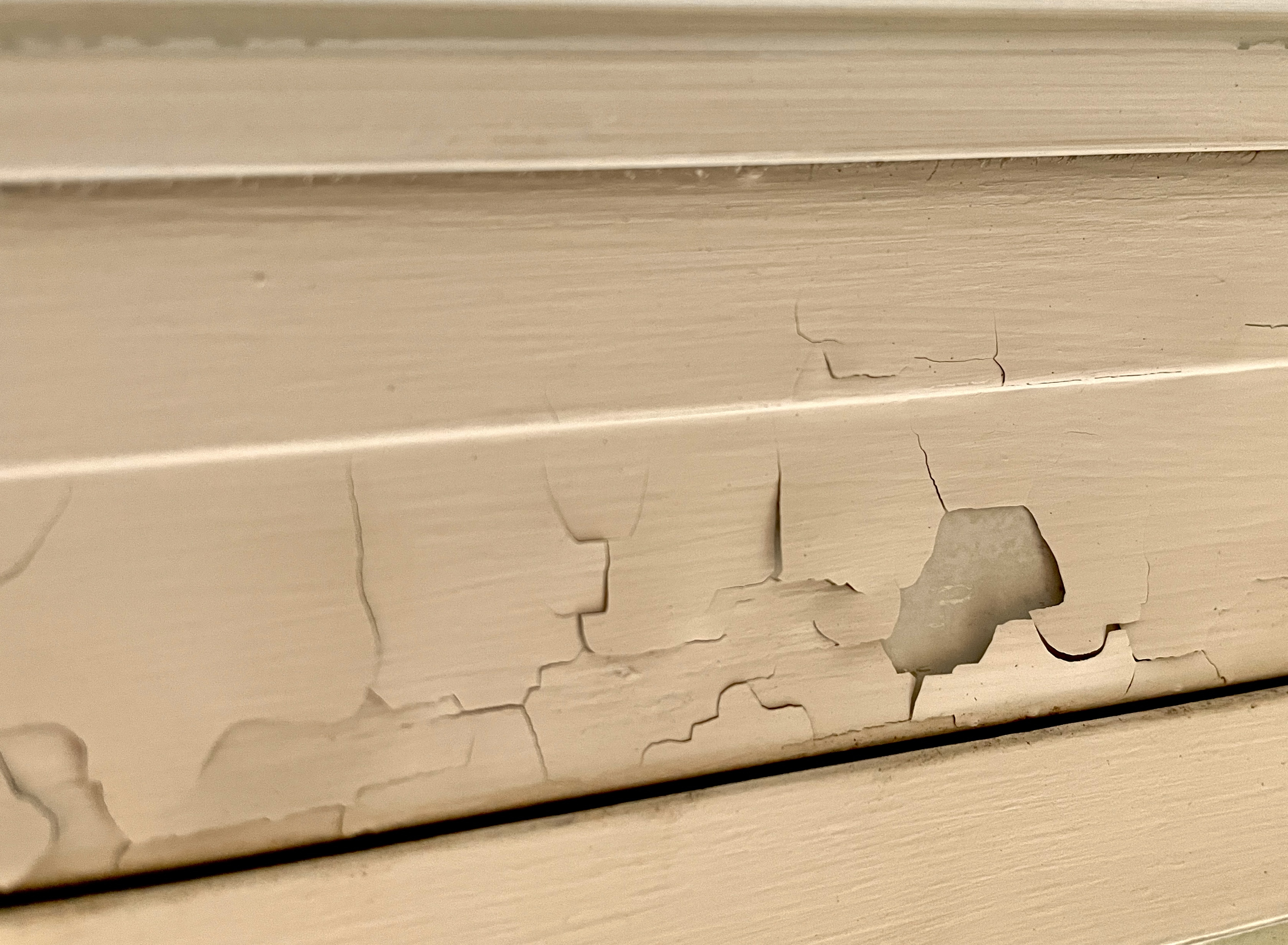
While the EPA provides guidelines for homeowners to perform DIY lead paint removal, it is a risky process and generally not recommended due to serious health risks and strict regulatory requirements. The process requires precise safety precautions, such as wearing a respirator and protective eyeglasses, creating sealed exits, and using a HEPA vacuum for cleanup. To ensure the job is done safely, effectively, and in compliance with regulations, it is highly recommended to hire a professional lead abatement company. Certified professionals have the necessary training, experience, and specialized equipment (like chemical strippers and HEPA vacuums) to handle and dispose of hazardous materials safely.

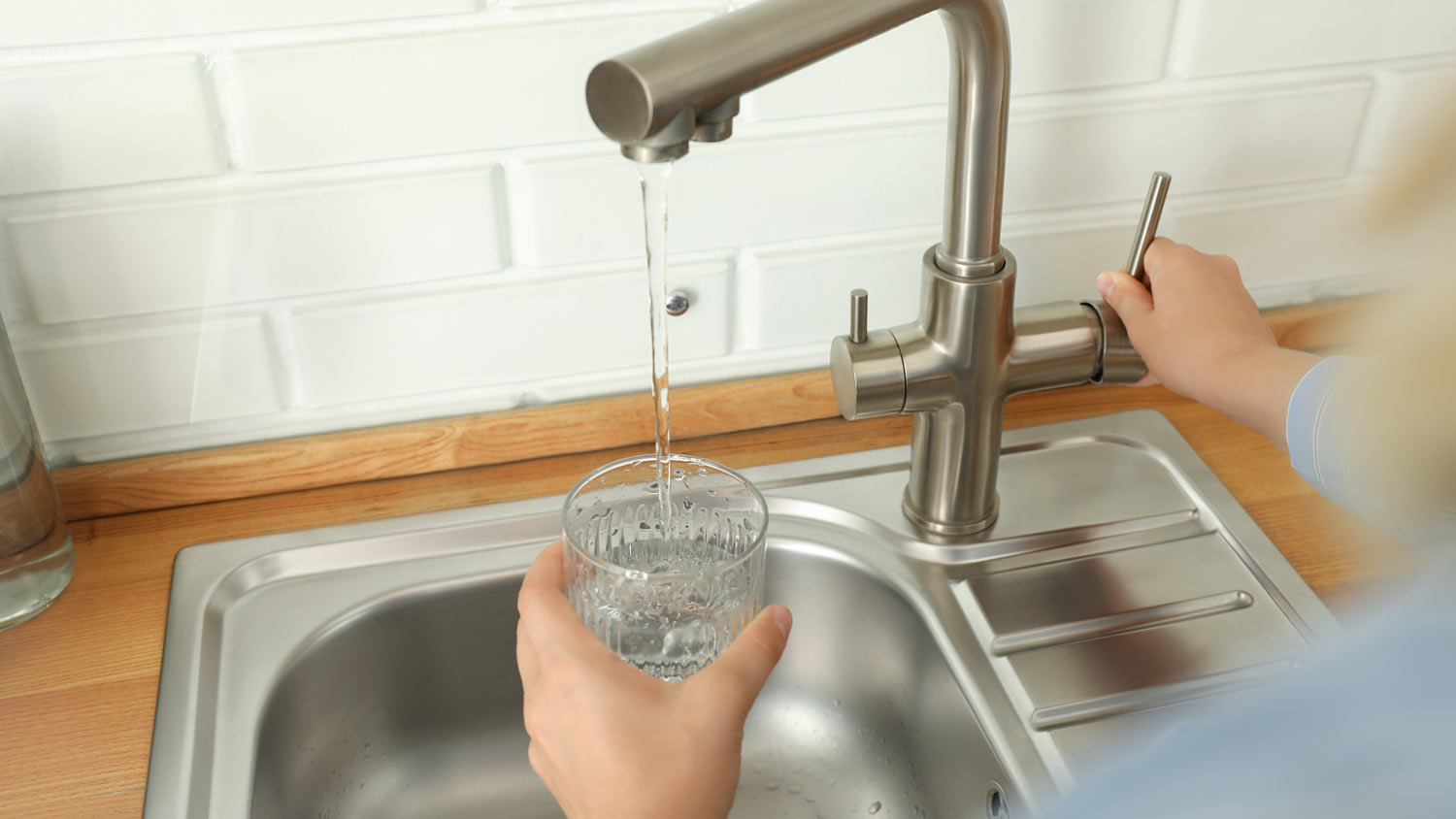
Several different measurements may be used to determine the amount of lead in water. The most common unit of measurement is micrograms per liter (µg/L), which is the same as parts per billion. Another measurement is milligrams per liter (mg/L), which is the same as parts per million.

According to the EPA, there is no safe level of lead in the blood, and so the maximum contaminant level goal (MCLG) for lead in water is zero. Even at low levels, lead is harmful to human health. It can also remain in the body and build up over time with repeated exposure.

Mold, VOCs, radon, carbon monoxide, and particulate matter are typically measured.

The Ranger, TX homeowners’ guide to lead testing and removal services

From average costs to expert advice, get all the answers you need to get your job done.