
Top-rated deck repair pros.

Get matched with top deck repair pros in Miles, TX

Enter your zip and get matched with up to 5 pros

Need a pro for your deck repair project in Miles, TX?

Select your specific project to find the pro for you.

Find Deck repair pros in Miles

CVC Builders
New to Angi
Deck or Porch - Repair

Serving Miles, TX and surrounding areas

Approved

In business since 2011

Free estimates

Credit card accepted

CVC Builders is a locally owned and operated company that values honesty and integrity in all aspects of our business. Our dedicated team of professionals have years of hands-on experience, to provide innovative ideas and suggestions tailored to your projects. Our services are customized to your individual needs, paying close attention to the details of each project that we are involved with. Please feel free to contact us today!

23 neighbors recently requested a quote

Showing 1-10 of 39
Deck Repair questions, answered by experts

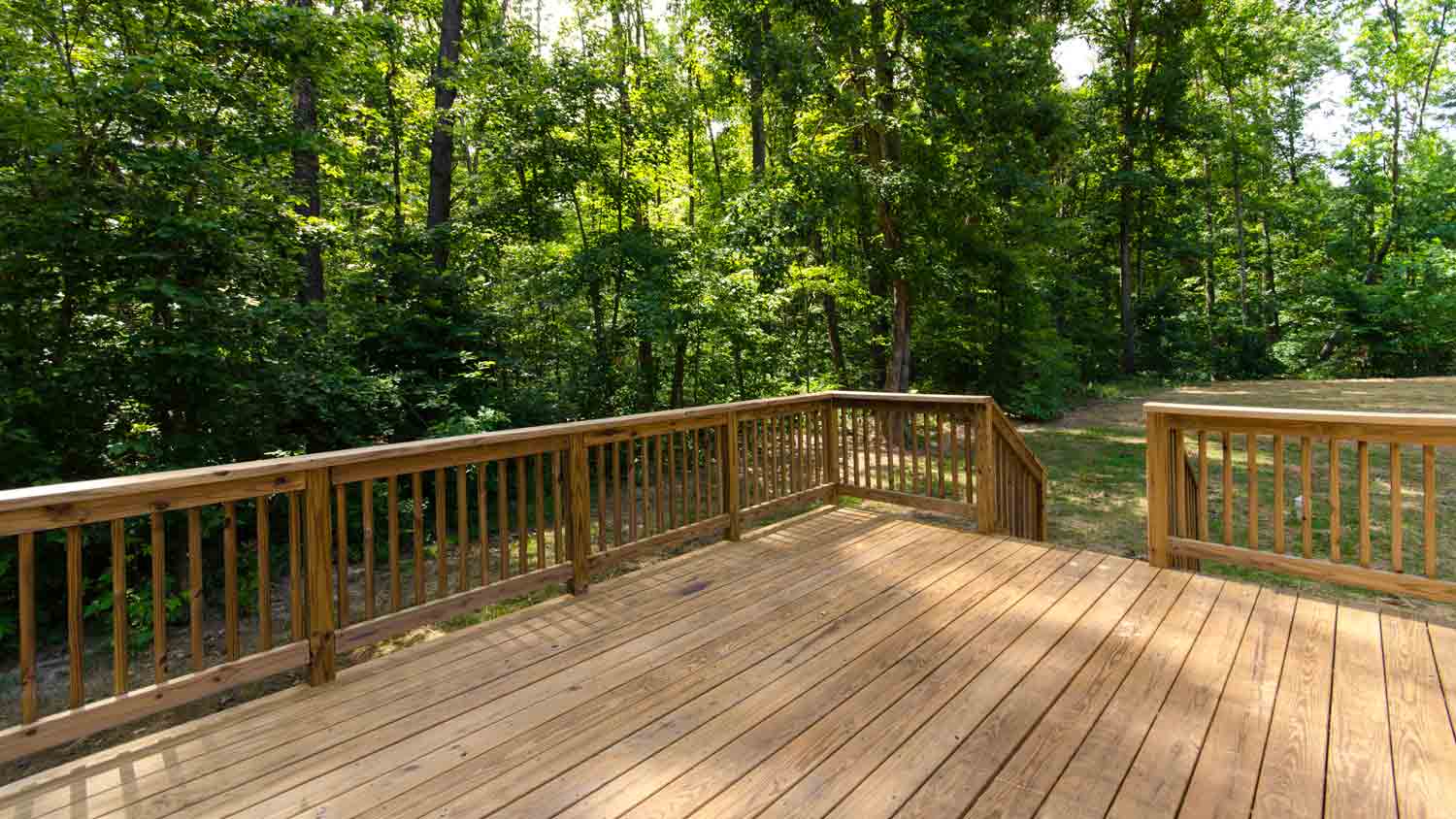
Most building codes require that railing spindles (also known as balusters) on decks or stairs be spaced no more than four inches apart. This safety standard is often called the '4-inch sphere rule,' which means a sphere with a 4-inch diameter should not be able to pass through the opening between balusters. This rule is in place to prevent small children and pets from slipping through the railing. For the same reason, the space between the bottom rail and the deck or floor surface should also be no more than four inches. As a general guideline, professionals often install three balusters per foot of railing. However, since specific requirements can vary by location, it is essential to check your local building codes to ensure compliance before starting your project.

The overhang, or nosing, of deck steps is another area that will be covered in building code requirements. The noses on your deck steps should have a minimum overhang of ¾ inch. For safety, usability, and code compliance, the nosing of deck steps should not extend past 1¼ inches.

Floating decks are a cost-effective and versatile option, but they come with some compromises. Since they sit on smaller footings instead of being deeply anchored, they’re more likely to shift over time, especially in areas with heavy rainfall or freeze-thaw conditions. Their low-to-the-ground design makes them more susceptible to moisture buildup and potential water damage.

Ultimately, overapplication of stain can compromise the deck's appearance, durability, and longevity. It may result in an uneven finish, with excess stain pooling, dripping, or drying into thick patches. It can also obscure the wood's natural grain and texture, detracting from the desired aesthetic. Moreover, excessive staining may not fully penetrate the wood, leading to poor adhesion and premature wear. Additionally, thick layers of stain are prone to peeling, cracking, and blistering as they struggle to bond with the surface. 

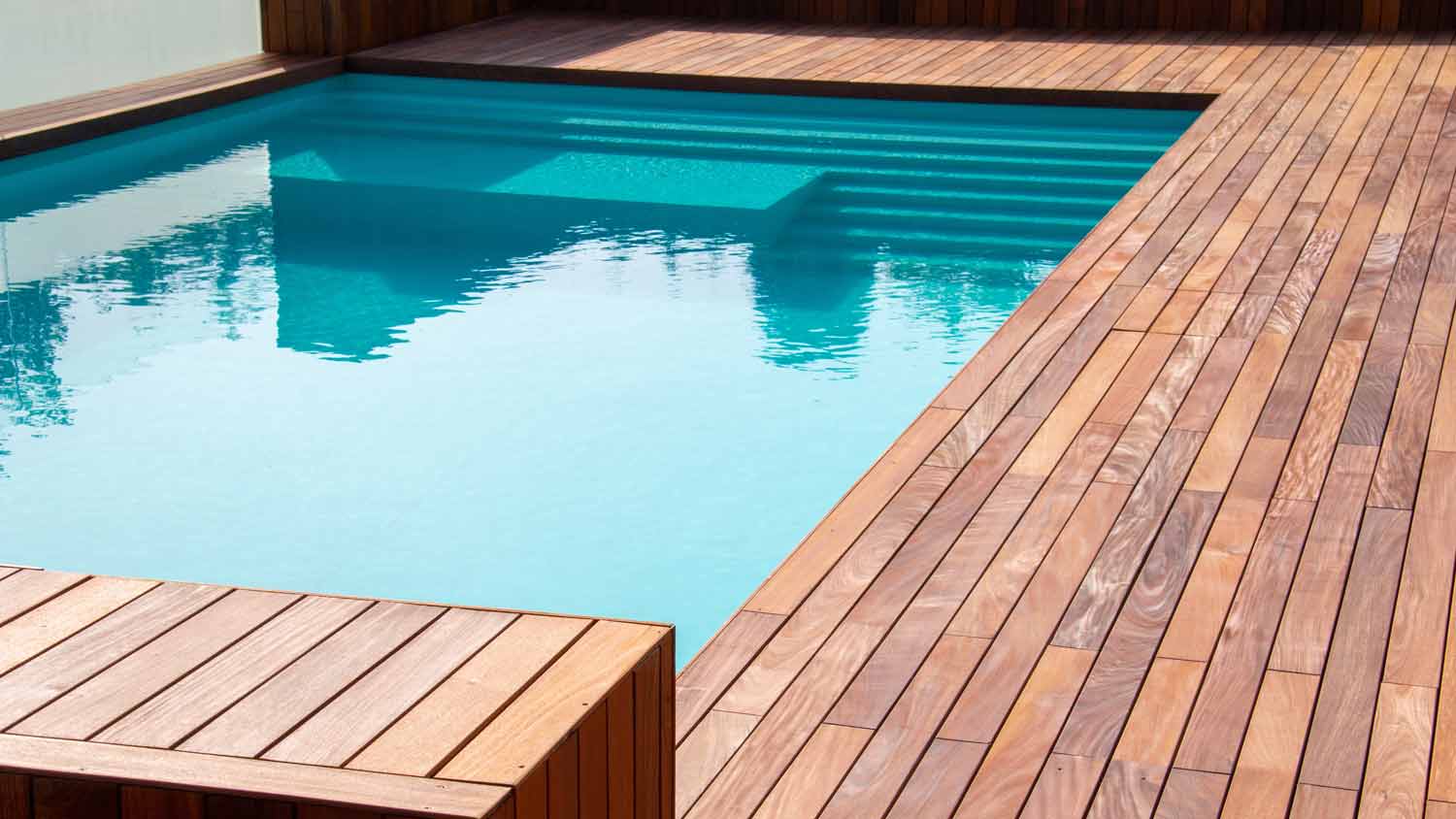
Coping is the material that lines the perimeter of a pool and seals the transition between the top of the pool wall and the water. Decking surrounds the poolscape and extends far beyond the water's edge to provide a safe walking and lounging area. In short, coping is the border between the decking and the pool itself.

The Miles, TX homeowners’ guide to deck repair services

From average costs to expert advice, get all the answers you need to get your job done.