



Top-rated lead testing and removal specialists.

Best lead testing and removal specialists near Charlotte, TX

Enter your zip and get matched with up to 5 pros

Need a pro for your lead testing and removal project in Charlotte, TX?

Select your specific project to find the pro for you.

Top-Rated Lead testing and removal specialists in Charlotte - Updated Nov 2026

Avatar for GreenWorks Inspections & Engineering
GreenWorks Inspections & Engineering
4.9(
283
)
Toxic Lead - AbatementToxic Lead - Testing

Serving Charlotte, TX and surrounding areas

Approved

In business since 2009

Free estimates

Emergency services offered

"Rick was fantastic to work with, a true expert in his field and he answered all applicable questions regarding the inspection and the criteria used. Just waiting for the inspection results and he notified me that it was in the mail. Thank you, Rick and Greenworks for your fast but thorough turn-around-time."

Additional Photos
Additional Photos
Additional Photos
Additional Photos
Additional Photos

+8

Response time1 day
Response rate100%
9 neighbors recently requested a quote

Lead Testing and Removal FAQs, answered by experts

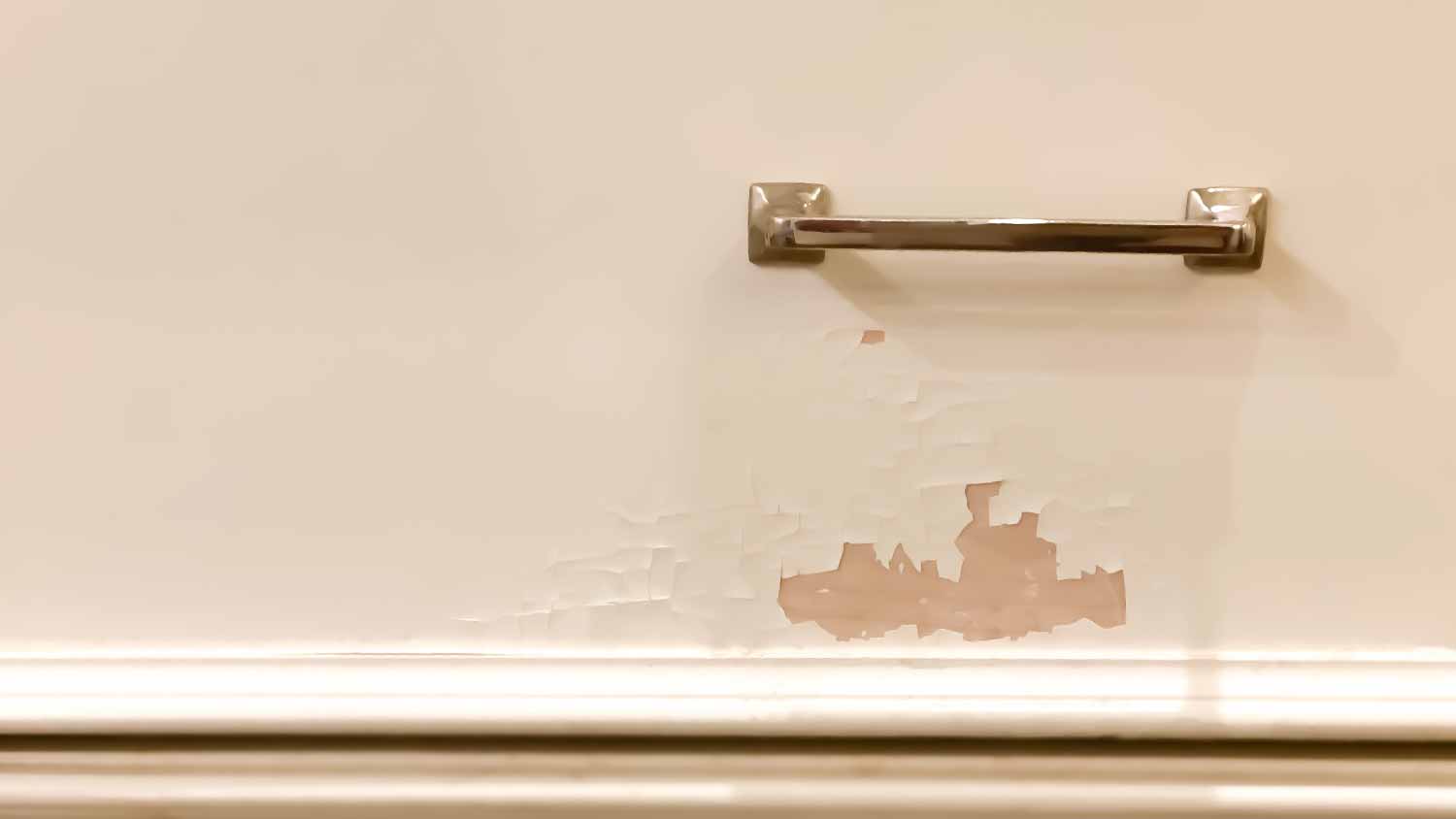
You do not have to remove lead paint if the surface is not chipping or peeling or if there are no pregnant people or children under the age of six who live in or regularly visit your home. Lead paint is a particular risk for young children whose brains and bodies are not fully developed. Experts strongly recommend that you call a pro to remove lead paint if it’s peeling or flaking, no matter who lives in the home. You can experience lead poisoning by breathing in or ingesting just a small amount of it.

Professional testing for lead paint costs about $300, ranging from about $250 to $700, depending on the square footage, accessibility, and location. However, testing for lead paint with a DIY home-testing kit costs about $25, but doesn’t guarantee accurate results. The U.S. Environmental Protection Agency (EPA) recommends using a lead test kit that complies with the Lead Renovation, Repair, and Painting (RRP) Rule, which has strict criteria for ensuring a more accurate reading.

Common home surfaces to test for lead include:

  • Walls

  • Windows

  • Doors

  • Molding and trim

  • Railings

Lead testing prior to purchasing a property ensures that the new owners are informed about potential hazards, prevents health risks associated with lead poisoning, and facilitates timely remediation.

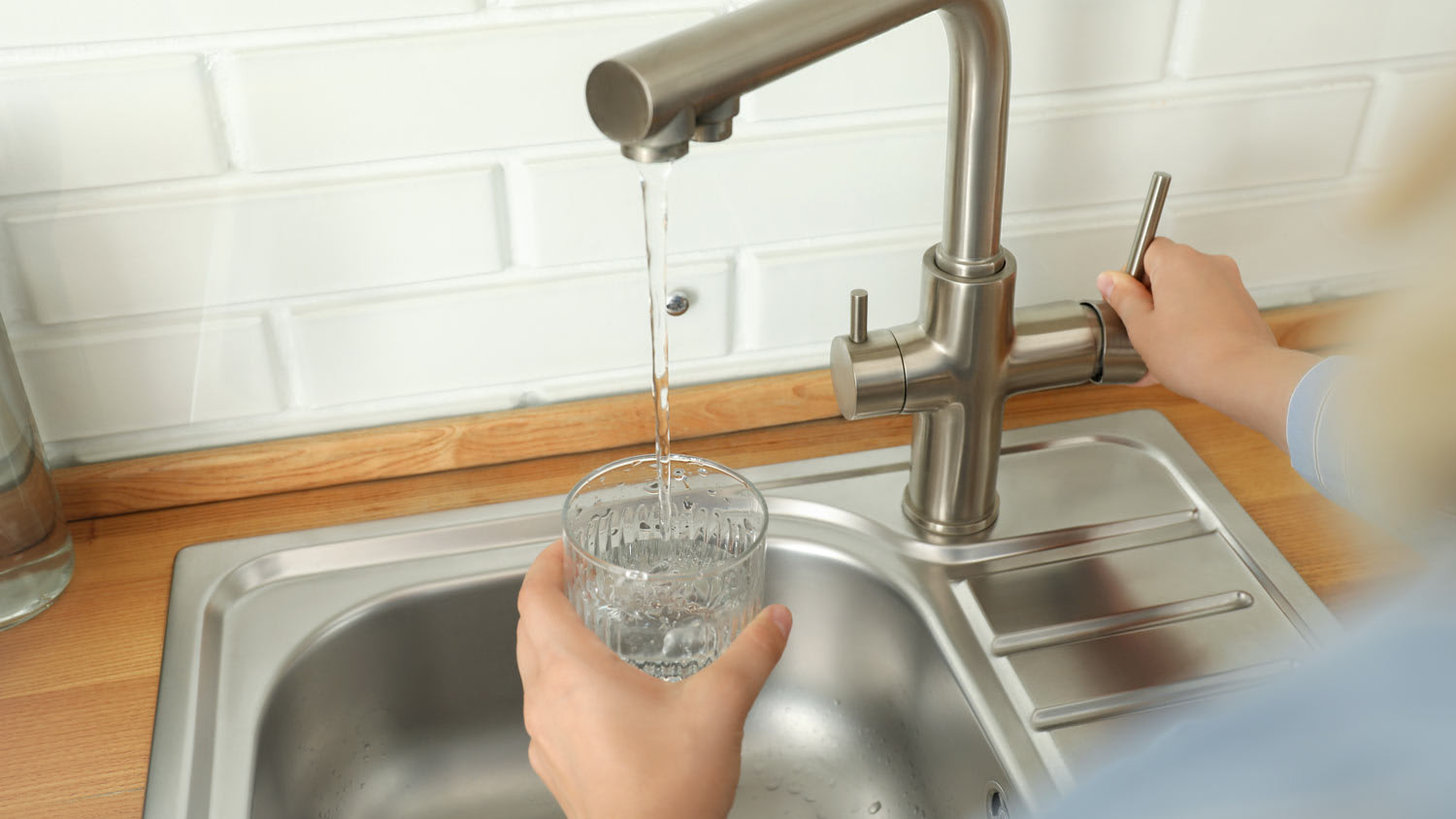
Lead toxicity comes from inhaling lead or consuming it. Before the 1980s, when the government banned lead from consumer use, it could be found in paint, plumbing, pipes, ceramics, and even gasoline. Lead paint is toxic for the same reason lead itself is toxic, which is why lead poisoning from paint presents the same as lead poisoning from water or food sources, with a slight increase in respiratory symptoms vs. digestive symptoms. Lead paint is most dangerous when it’s old and peeling, cracking, or otherwise disturbed. This increases the concentration in the air and, therefore, in breathable air. 

While not all homes built before 1978 contain lead paint, enough do, so you’ll still want to test to be on the safe side. The federal government banned lead-based paint for homes in 1978, but your state may have banned lead before that time. Around 24% of homes built between 1960 and 1977 contained lead-based paint, while 87% of homes built before 1940 contained lead-based paint.

The Charlotte, TX homeowners’ guide to lead testing and removal services

From average costs to expert advice, get all the answers you need to get your job done.