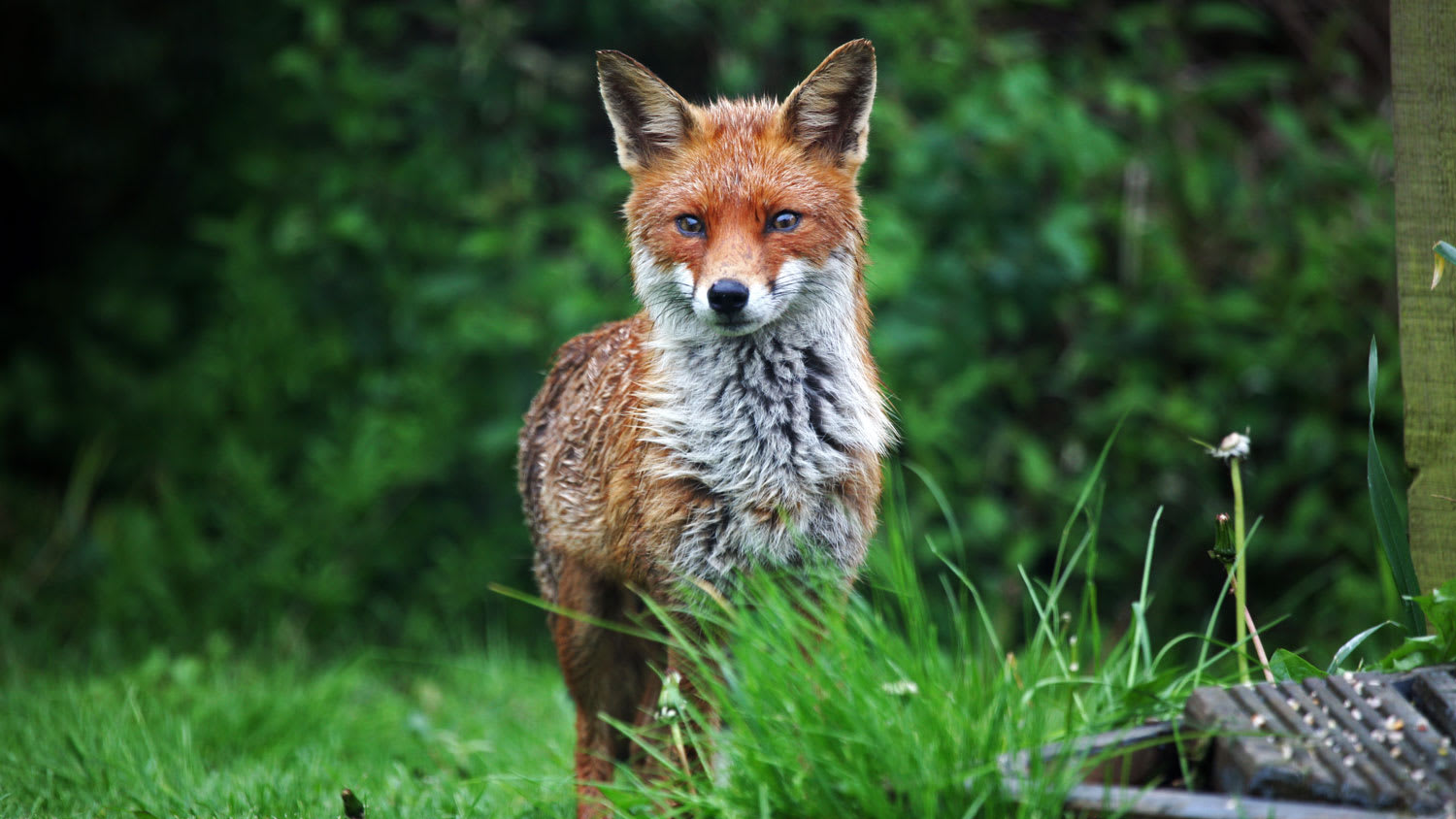
Foxes can catch rabies. However, it is rare, and even rarer for them to pass this disease on to humans. If you do see a fox in your vicinity acting strangely, disorientated, having seizures, or randomly trying to bite, contact your local animal control, police, or Department of Environmental Control. And if you are scratched or bitten by an animal you suspect has rabies, seek medical treatment immediately.
Many people only see armadillos at night because the closer the animals are to the city, the more they stay in their burrows during the day to avoid noise. More rural armadillos are more likely to come out during the day when they can warm up in the sunlight and avoid predation by owls and cougars.
You should never use toxic baits or poisons, such as rodenticides designed for mice and rats, to kill or trap possums. Using these toxicants is illegal in many areas and can lead to fines or other penalties. Furthermore, these poisons can cause unnecessary suffering for the animal and pose a significant risk of accidental poisoning to pets or other neighborhood wildlife. Instead of using poisons, it is best to stick with humane methods like live trapping.
Moles breed once a year, marking March on their calendars as peak season. However, their breeding season can start as early as February and wrap up in May. Their gestation period is 4 weeks, with litters ranging from 2 to 6 little ones. They are considered all grown up by the three-month mark, making them ready for parenthood.
Squirrels are pretty skittish creatures, and they dread the presence of rodent-chasing dogs and cats. Sudden noises and bursts of activity can send them scampering away. Anything with an element of surprise, like motion-detecting lighting, strobe lights, and noisy wind chimes, can unsettle them. Even loud radios and voices can be perceived as threatening and terrifying to these furry critters.
The Winner, SD homeowners’ guide to animal fencing services
From average costs to expert advice, get all the answers you need to get your job done.
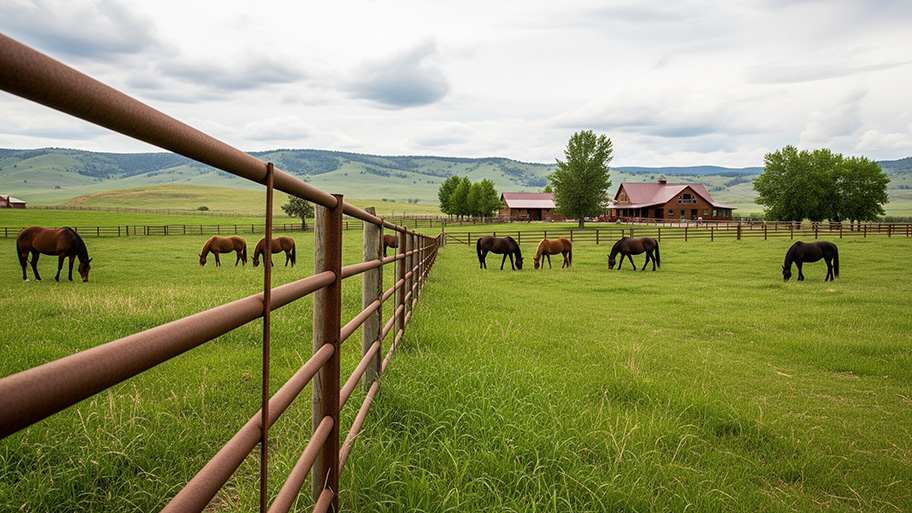
Pipe fencing is an extremely strong, durable option for containing horses and other livestock. This guide breaks down the factors that affect pipe fence cost.