




Top-rated drapery cleaners.

Get matched with top drapery cleaners in Winner, SD

Enter your zip and get matched with up to 5 pros

Need a pro for your drapery cleaning project in Winner, SD?

Select your specific project to find the pro for you.

Find Drapery cleaners in Winner

Avatar for Clean Up Nice! LLC
Clean Up Nice! LLC
New to Angi
Drapes or Curtains - Clean - For Business

Serving Winner, SD and surrounding areas

In business since 2022

Free estimates

Emergency services offered

Clean Up Nice! LLC is committed to excellence in every aspect of our business. We uphold a standard of integrity bound by fairness, honesty, and personal responsibility. Our distinction is the quality of service we bring to our customers. Accurate knowledge of our trade combined with ability is what makes us true professionals. Above all, we are watchful of our customers' interests, and make their concerns the basis of our business.

Response time2 days
Drapery Cleaning questions, answered by experts

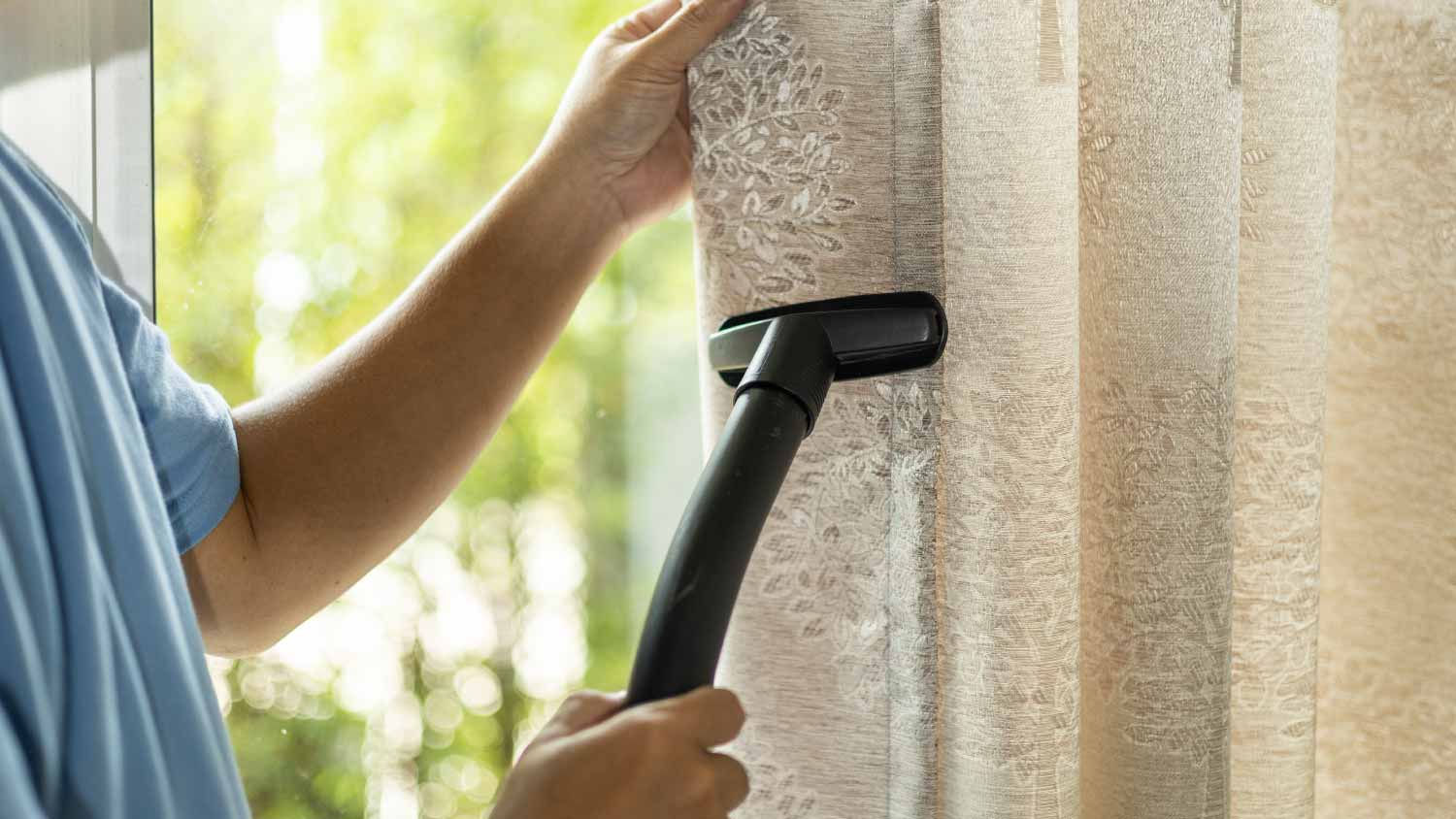
The recommended frequency for professionally cleaning drapes varies. As a general guideline, aim for every four to five years. However, you should consider more frequent cleanings in specific circumstances. For homes with pets, heavy soiling, or residents with severe allergies, cleaning every two to three years—or even two to four times per year—is beneficial. Light-colored drapes may need cleaning every one to two years to maintain their appearance. Some also follow a biannual schedule, cleaning in the spring to remove winter dust and in the fall to remove summer pollen. In between professional services, lightly vacuum your drapes with a special attachment to remove surface debris, but avoid abrasive brushes on delicate fabrics like silk and linen.

Hydrogen peroxide can be a good option for removing dried blood stains, but it’s an aggressive solution that could discolor or damage your carpet. It’s often a better option to call in a professional to deal with dried blood stains. A pro will have commercial cleaning solutions that do a better job as well as the experience necessary to get the stain out without doing irreparable damage to your carpet.

The main categories of window coverings are shades, shutters, curtains, drapes, and blinds. However, consumers today have dozens of options within these categories when it comes to everything from materials to the technology behind how window coverings operate.

Window treatments fall under the categories of hard, soft, and layered. Hard refers to stiff, formed treatments that include window blinds and shutters. Soft refers to cloth window treatments that include drapes and curtains. Finally, layered refers to the combination of soft and hard treatments. For example, you might place flowing drapes over blinds to combine the practicality of a treatment that blocks the sun with the whimsical and elongating aesthetic of a full-window drape.

In general, shades and blinds are the most common window coverings used today because they create unobtrusive, sleek profiles that fit into any space. In addition, blinds and shades are extremely easy to use. Most operate using either a pull system or wand. While most blinds and shades sold by retailers are available in a wide range of sizes that are made to fit standard windows, customers can also order custom shades and blinds for windows that are hard to fit.

The Winner, SD homeowners’ guide to drapery cleaning services

From average costs to expert advice, get all the answers you need to get your job done.