"Jim is local. It went great. Jim Ferrell is a professional of the highest caliber. Responded quickly, took care of my problems, and advised me as to better means of protection than I had. He came back a second time to uninstall software that I purchased that did not provide adequate protections and installed free software that would do the job. He did the work through remote connection, but is available on site if necessary. For those people needing help on getting red of malware, viruses , etc. on your computer, Jim is local, better than all thse remote out of state location providers, is a mature, highly trained professional in this area. If you go to local computer stores you get very young people that can do a basic job, but are no where near the professional level of Jim. I highly recommend Jim to anyone that needs these type services. "
"AHS is ok. They cover repairs of most everything under the roof of your house. The companies that contract with them are not always the best. You call AHS with the issue, they send a fax to the repair company and give you the contact info. If they don't contact you within 24 hours, you call them. Sometimes they answer, sometimes they don't. When they arrive (usually three days or so later), they service the item. if it has issues within the 90 days, you call AHS again, they are sent out with no charge. If the serviceman decides the unit is unrepairable, AHS will allow you to choose a replacement from their listing (usually not as good as what you have) they will install and remove your old item, or give you wholesale amount to buy and install your own. Prices vary on what you want covered and what you want the copay to be, plus where you live. For me it is 49.99 per month with a 75.00 time of service order. You can have more than one item serviced at the same time under the same fee. If you have a SEAR product the repair guys are great. Not that wild about the other ones they send out. But it is a big savings compared to calling someone on your own. The cost of service is only the 75.00 copay."
Boilers are equipped with multiple safety features to ensure safe operation. These include pressure relief valves to prevent overpressure, temperature high-limit switches to avoid overheating, and flame failure safety devices in gas boilers to cut off the gas supply if the flame goes out unexpectedly. Low water cutoffs prevent operation with insufficient water levels, and pressure gauges help monitor pressure levels. Ventilation and flue systems prevent the buildup of harmful gasses. Boilers often feature error code systems for automatic shutdown during malfunctions and gas leak detection for safety. Regular maintenance is crucial to ensure these safety features function correctly.
The cost-efficiency of baseboard heaters depends on the type and how you use them. Generally, standard electric baseboard heaters can be expensive to run because they use electric resistance heating, which is less energy-efficient than systems like forced-air or heat pumps. However, hydronic and gas versions are typically much cheaper to operate. Hydronic models are more energy-efficient because they heat a liquid that retains warmth longer, preventing the thermostat from turning on and off as often. The overall running cost is also influenced by local electricity rates, your home's insulation, and your usage habits. To increase efficiency, you can use baseboard heaters for zoning, meaning you only heat the specific rooms you are using.
The primary differences between a heat pump and a boiler are their function and how they produce heat. A heat pump is a versatile system that provides both heating and cooling by moving ambient air and altering its temperature. In contrast, a boiler is solely a heating system, often working with a furnace or AC unit as part of a larger HVAC system. In terms of heat production, a heat pump generates heat more slowly and at a lower temperature, requiring a large convector for distribution. A boiler, however, produces a large amount of high-temperature heat that it emits through smaller radiators.
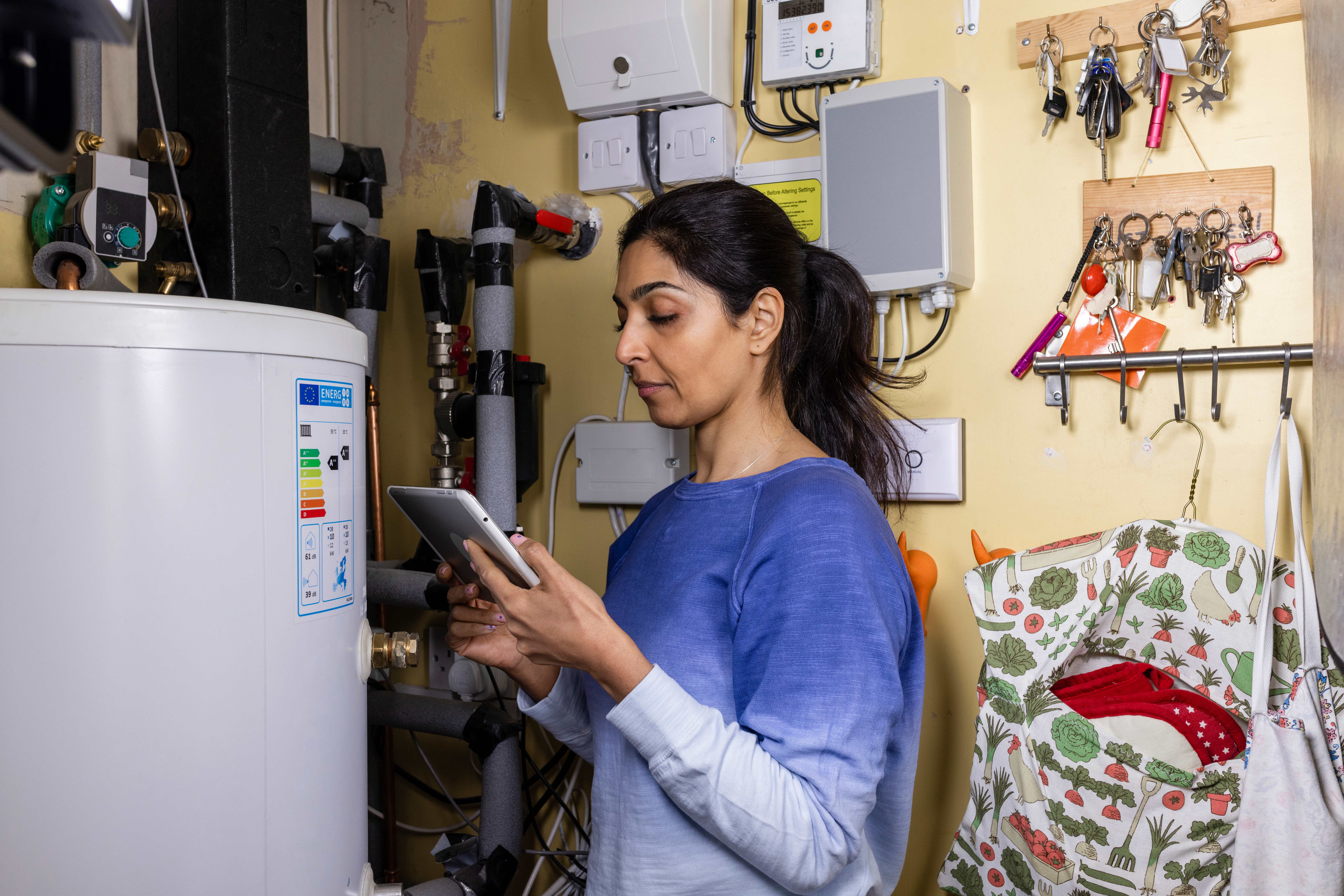
It can take anywhere from four hours to three days to replace a boiler with a new one. How long your particular boiler installation takes will depend on whether you need a gas line installed and if you’re switching to a new boiler system.
Replacing a combination boiler or standard boiler with the same system should only take four to six hours. Meanwhile, switching from a conventional boiler system to a combination boiler system could take a few days.
Many utility companies and government programs offer rebates or incentives for the installation of high-efficiency propane boilers. These can offset upfront costs and improve your return on investment. Check with your local utility or installer for current offers. Incentives vary by state and provider, so exploring regional programs can help maximize your savings.
The Veblen, SD homeowners’ guide to boiler installation services
From average costs to expert advice, get all the answers you need to get your job done.
Discover the average electric boiler installation cost, key price factors, and ways to save. Get transparent, expert-backed estimates for your project.