Checker Electric Inc
Portable Generator - Repair
Serving Pine Ridge, SD and surrounding areas
Approved
I have experience in every aspect of electrical work. I enjoy what I do.

Serving Pine Ridge, SD and surrounding areas
Approved
I have experience in every aspect of electrical work. I enjoy what I do.

Serving Pine Ridge, SD and surrounding areas
In business since 2019
Free estimates
Emergency services offered
"He did lighting in our for our restaurant . Dependable, friendly, knowledgeable."
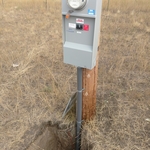
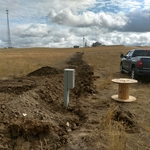
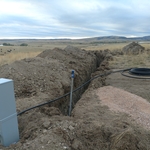
+15

Serving Pine Ridge, SD and surrounding areas
In business since 2011
Free estimates
Emergency services offered
"Good job. They knew what I wanted done, and did the job quickly."
Serving Pine Ridge, SD and surrounding areas
In business since 2018
Free estimates
Credit card accepted
Proudly serving Wyoming, locally owned and operated Skyline Communications, is your one stop shop for all of your, audio/visual, security system, home entertainment, and all types of wiring installs and repairs. Working on both commercial and residential projects, we can do it all. Give us a call today!
From average costs to expert advice, get all the answers you need to get your job done.

The average cost of a whole-house generator falls between $5,000 and $25,000. Keep reading to learn how much you can expect to spend.

The cost to install a generator transfer switch depends on several factors. Our guide will help you understand all of the costs.

Natural gas generators are whole-home standby generators that are connected to your home’s natural gas line. The average cost for a natural gas generator is $12,000.

Generators should give you peace of mind, but you’ll only get that if your installer knows what they’re doing. Learn how to hire a pro and what red flags to look for.

Whole home generator installations require a professional hand. Read this guide to help you decide which generator is best for your home.
Thinking about a generator installation? Learn about backup power options, costs to expect, and how to hire the right local pro to keep your home running.