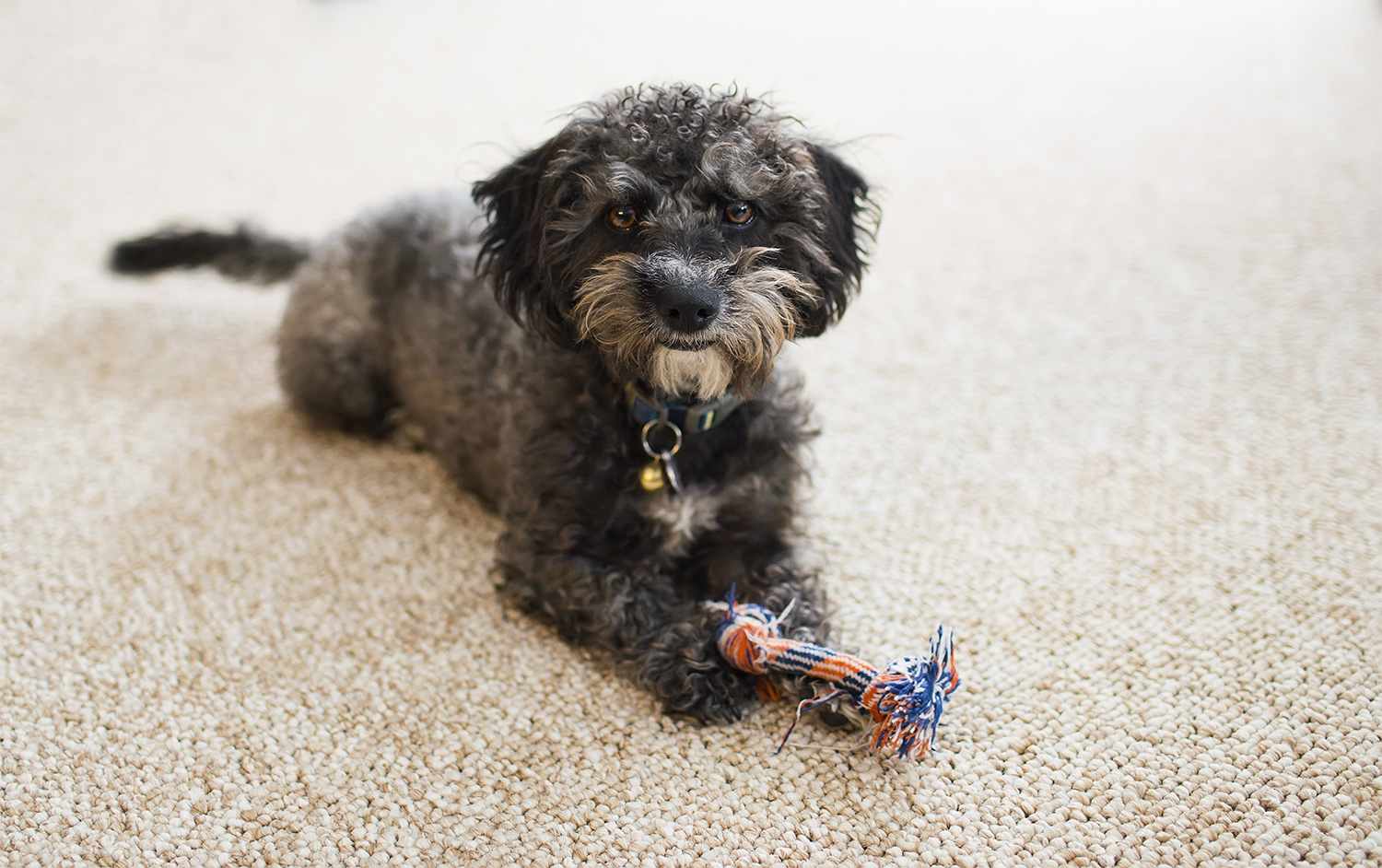
"Summer did a fantastic job. My carpet is 19 years old and had gone through a lot of puppy training over the years. Summer was really affordable and made my carpet look as good as when I moved in to this house 13 years ago. I highly recommend her, and check her website. She does so much more than just carpet cleaning."
I pride myself on my professionalism, as well as my ability to complete every job to the homeowner's total satisfaction. I never leave a job unfinished, or a homeowner not 100% satisfied with my level of service - Call today!
Welcome to Flooring Specialists! We are excited to exceed your expectations. As experts, we will handle your needs with the high-quality expertise that your home deserves. We offer competitive prices and customer satisfaction is our number one priority. Call us now!\n
We come in on time and finish the job. We are certified Armstrong, Congolum, Mannington, Shaw Commercial, Miliken Commercial. We provide Custom Pattern Flooring as well. I am a member of the National Tile Council and National Hardwood Association. Please come visit our showroom in Rapid City.\nInquire about mileage charges for Distances traveled more than 25 miles from Rapid City.
We pride our company on reliability, great communication, integrity, and quality work. We are experts in our trade and will do our best to keep you as educated as we can on your particular task or project. We look forward to earning your business! Book with us online or feel free to give us a call today!\n
We take great pride in our experience, expertise, quality, and customer service that we provide to meet the consumer's needs. It is our mission to provide excellent workmanship and complete customer satisfaction from start to completion of a project. In order to understand the needs and expectations of our customers, we take great care to work and communicate with every customer in a professional manner. Our reputation is based on service, safety, and quality, regardless of how large or small the job.\n
Let Top Notch Construction finish the odd jobs you haven't gotten around to. From mounting televisions, PC Tech. Networking to A/C and thermostat repair, 7 Brother Industrial Mechanical provides superb results. We have 10 years of experience offering comprehensive services at competitive rates and work hard to ensure complete satisfaction on each and every job. We strive to exceed your expectations by providing quality work, responsiveness, and competitive pricing. We look forward to serving you.
"Their work was very good, so good that I kept adding more work for them to do. They were kind and courteous and strived to achieve the best possible work. Their work ethic and price were exceptionaly honest and fair. If I have more work in the future I will definitely hire them again."
Carpet Installation questions, answered by experts
Many DIYers and pros start installing flooring in the middle of a room to ensure a balanced, symmetrical layout, especially when using tiles or planks. This process is particularly helpful in odd-shaped rooms because it allows you to create a centerline from which to work. Beginning in the center will enable you to work toward the edges so the final layout feels intentional and centered, even if the walls aren’t perfectly square.
It’s a good idea to install a rug pad under the carpet for your stairs. To make the pad fit, you’ll need to cut one section for each stair tread that’s about one inch narrower than the stair runner so that it won’t be visible once the carpet is installed on top.
The best underlayment for carpet on concrete is a sponge rubber underlayment. This type of carpet padding is durable enough to endure wear and tear on hard concrete yet soft enough to provide comfort underfoot. It also creates insulation from sound and temperature, providing warmth despite the concrete’s cold surface.
The complexity of installation depends on the type of flooring you choose and the level of expertise required to install it. While some materials, like vinyl or laminate, offer relatively straightforward installation processes suitable for DIY enthusiasts, others, such as natural stone or hardwood, often require professional assistance from a flooring company to ensure proper fitting and longevity.
A stair runner can be cheaper than a carpet and will definitely save money over the cost of refinishing hardwood floors and stairs. The price depends, however, on the fabric and quality of the runner. A wool stair runner can be more expensive than an inexpensive polyester carpet and vice versa. Keep an eye on your budget, knowing that the higher quality the carpet and the carpet pad, the better the carpet will wear over time.
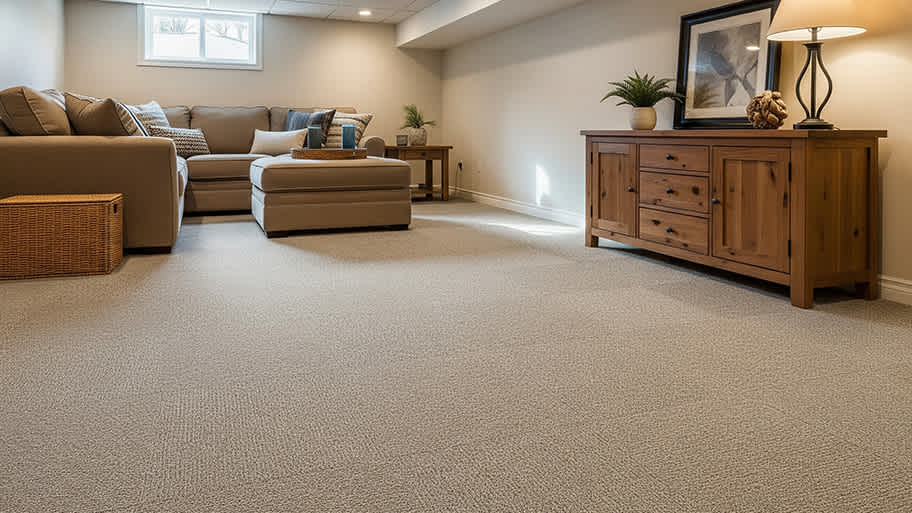
The Philip, SD homeowners’ guide to carpet installation
From average costs to expert advice, get all the answers you need to get your job done.
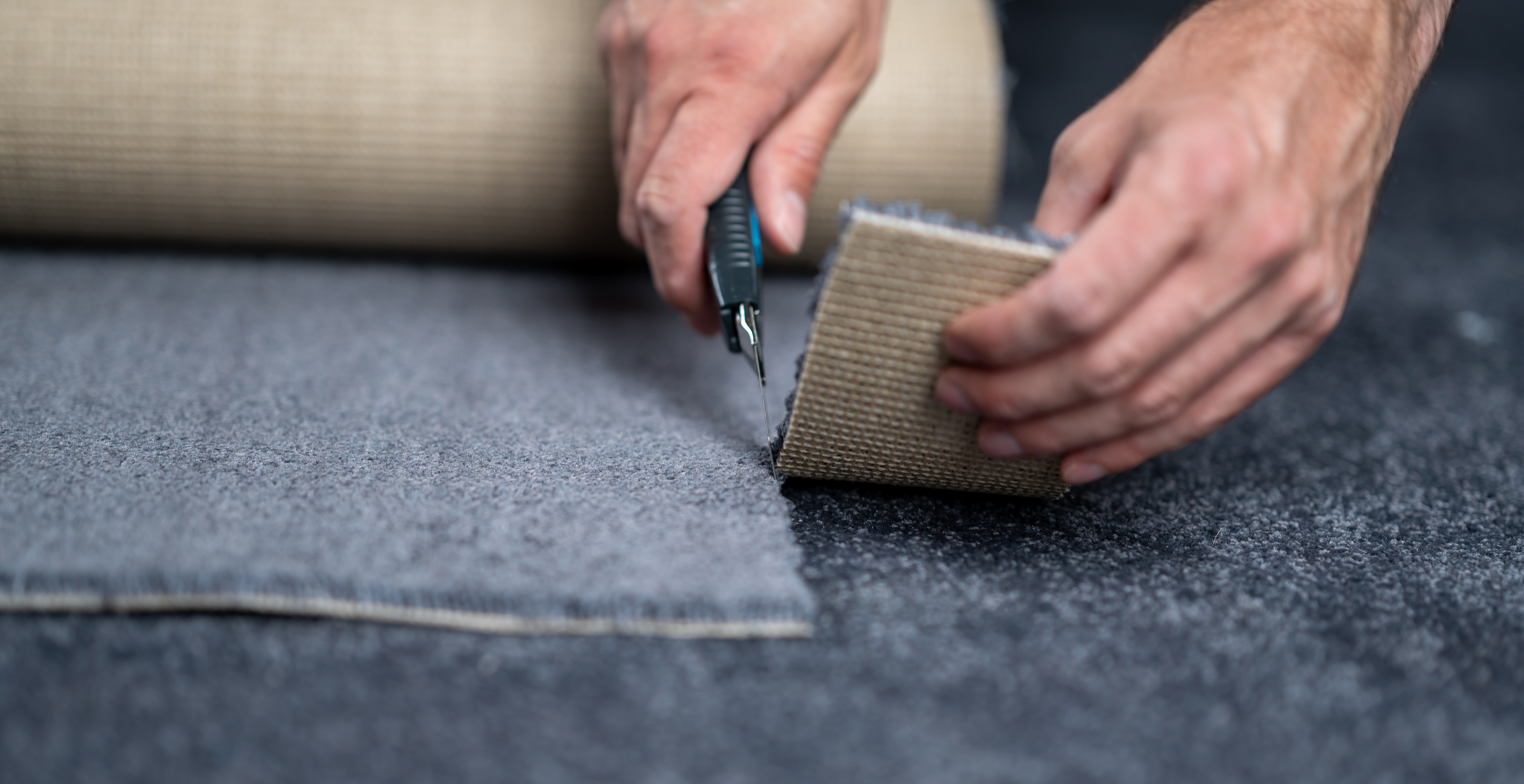
Not only are carpet tiles easier to install than carpet, but they’re often more affordable. So, how much does carpet tile installation cost? Let’s take a look.