








Top-rated bird control service pros.

Get matched with top bird control service pros in Montrose, SD

Enter your zip and get matched with up to 5 pros

Need a pro for your bird control service project in Montrose, SD?

Select your specific project to find the pro for you.

Find Bird control service pros in Montrose

Bird Control questions, answered by experts

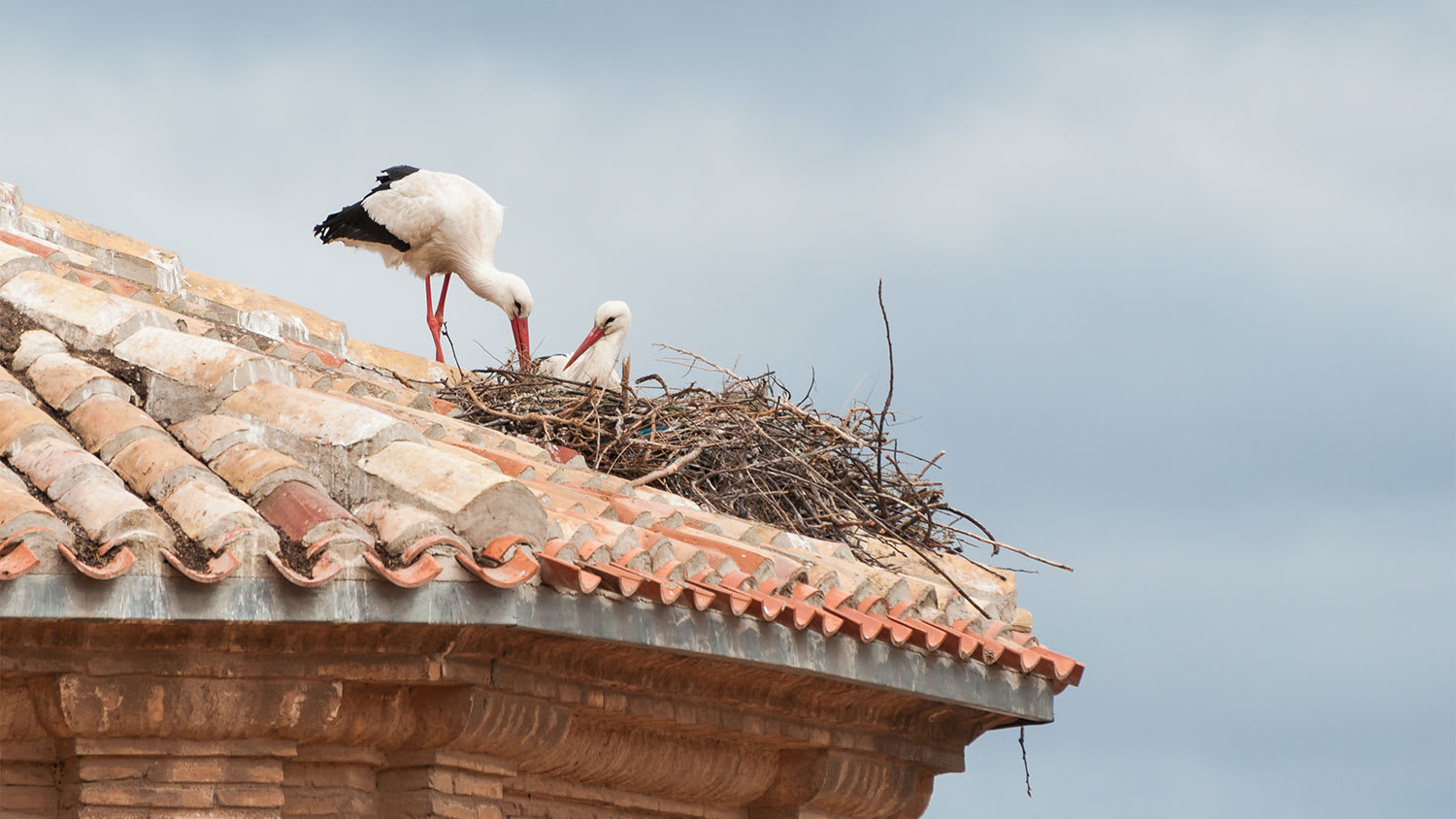
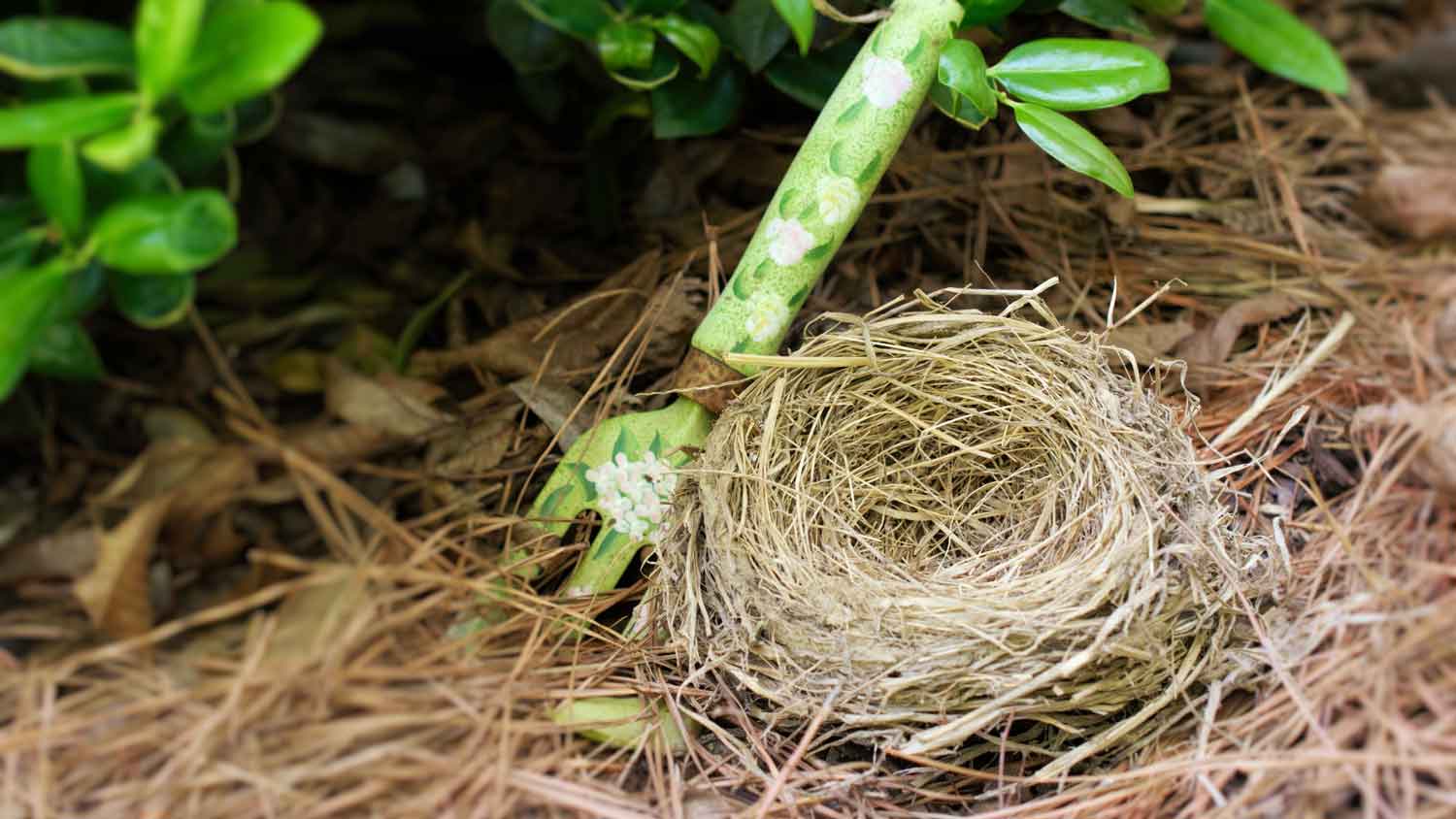
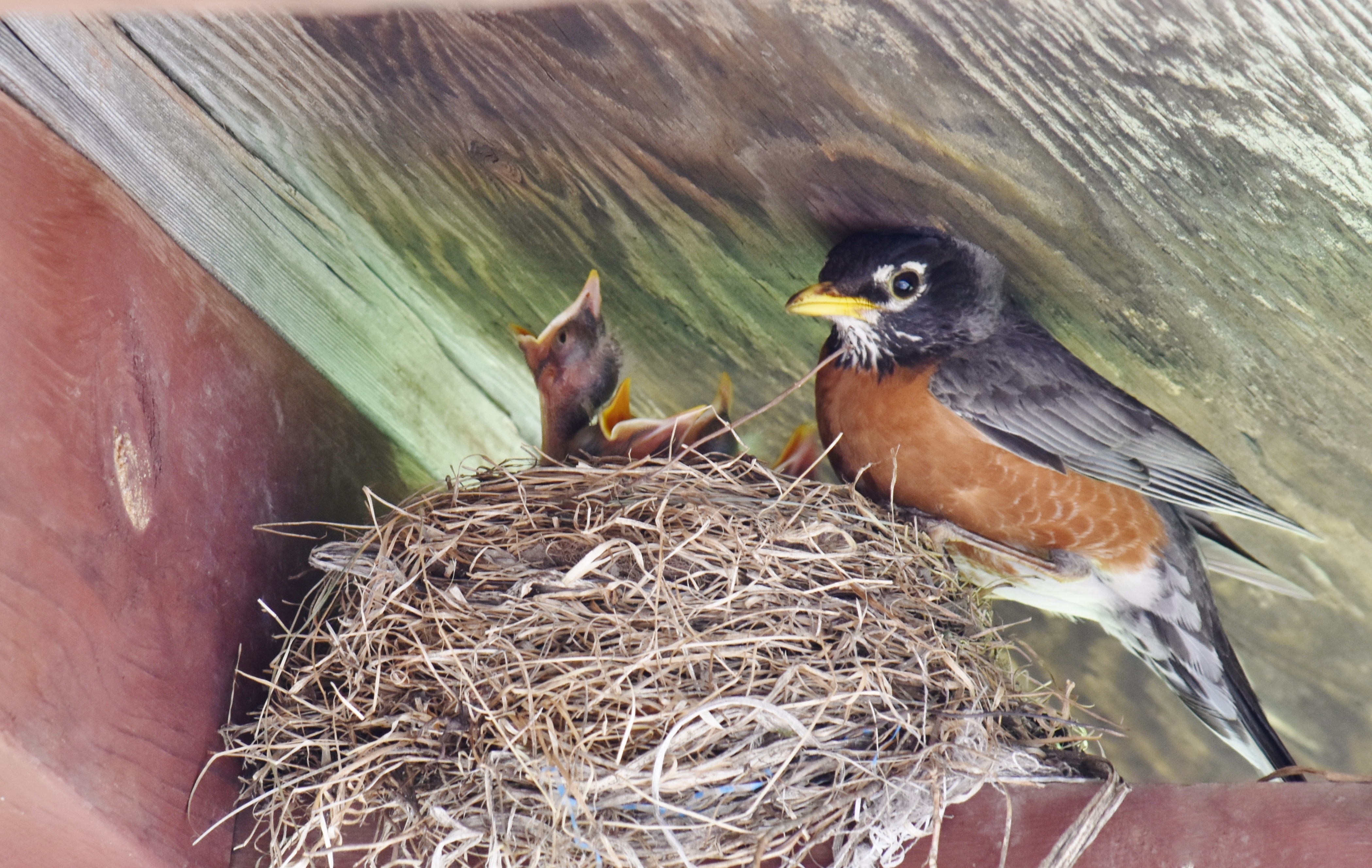
In most cases, a mother bird will return to a disturbed nest after the disturbance has passed. However, it can be hard for a mother bird to find a relocated nest. So, while it’s false that a mother bird will abandon her nest if it’s been disturbed, it’s not a good idea to relocate a nest with live babies or eggs in it.

The lifespan of a bird's nest depends on the species. The building process can take from two days to three weeks. Once built, the nesting period for baby birds can last from two to ten weeks before they leave the nest. While most young birds are ready in two to six weeks, some predatory species may need up to two and a half months. Some species nest four to five times per year, so a nest could remain in use for several months. For specific information about a particular nest's longevity, it is best to consult a wildlife professional.

A treatment from a pest control service can last anywhere from 3 to 6 months, depending on the type of treatment, what pest it’s treating, and what environment you live in. This is why pest control service companies often offer packages where they come out multiple times a year to apply treatment to the outside or inside of your home.

Birds are often averse to certain strong scents. For instance, the odor of predator urine, such as that from foxes or hawks, can deter them. Similarly, birds may dislike the pungent aromas of garlic, onions, and chili peppers. Essential oils like peppermint, eucalyptus, and citrus can also be effective in keeping birds away. However, it's important to note that individual bird species might react differently to these scents, so it might require some experimentation to find the most effective repellent for your specific situation.

An owl's worst enemy in the wild is often other raptors and environmental factors. Among the avian threats, larger owls or other birds of prey can pose a danger, engaging in territorial disputes or competing for food resources. Terrestrial predators like foxes, raccoons, and larger mammals may target owl nests or young fledglings. Environmental factors like severe weather conditions, habitat loss, and food availability changes can also significantly impact owl populations.

The Montrose, SD homeowners’ guide to bird control services

From average costs to expert advice, get all the answers you need to get your job done.