Underground downspouts refer to the sections of downspout extensions that lead away from your home and gutter system. While they cost more than traditional extensions, they can provide several benefits, such as less frequent damage and no need to move them for lawn care tasks. Whether they're worth it or not depends on your budget at installation time and how much convenience they'll add to your situation.
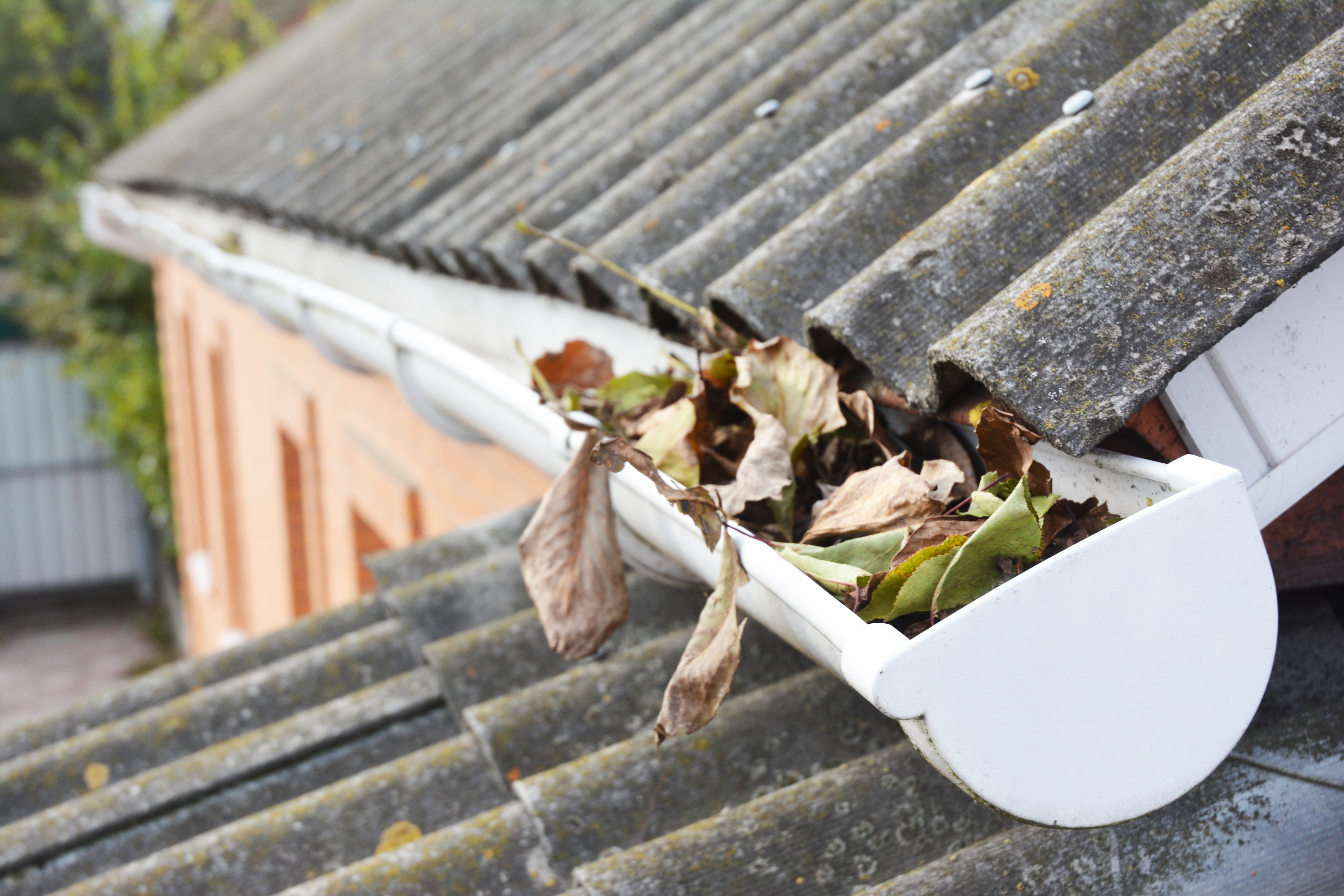
Frequently, when water flows over gutters, it indicates a potential clog, necessitating cleaning. For instance, if a twig becomes lodged in the downspout, it can lead to a traffic jam, causing more leaves and sticks to accumulate. Another potential issue is an incorrect pitch, as gutters should channel water toward the downspout. If you observe water overflowing the end cap or leaking through it, it suggests that your gutters are improperly tilted.
If you want to avoid burying your downspouts, several alternatives can help direct water away from your home's foundation. One option is to connect a rain barrel to your downspout. During a storm, the barrel collects water that you can later use for irrigating your lawn or garden. Another common solution is to install an above-ground downspout extension. This can be done in a couple of ways:
Splash Guards: Placing a splash guard, available at most hardware stores, under your downspout can act as a simple funnel to direct water away from the house.
Downspout Extensions: You can add an extension to the end of the downspout's elbow to carry water further into your yard. Some extensions are flexible, allowing you to maneuver them around landscaping.
These above-ground solutions are particularly useful if your home has a slab foundation that you cannot dig up. However, they have limitations. An extension may not move water as far from your home as an underground system. More importantly, if your yard slopes back toward your house, these methods will be ineffective, and burying your downspouts remains the best option to prevent potential flooding and water damage.
Regular cleaning, checking for leaks, and ensuring that downspouts direct water away from the foundation help prolong gutter life.
No—gutters should be designed and properly installed so they are ready to handle any level of rainflow from your roof. If you notice pooling water around your gutters or on the roof, it’s imperative that you contact a gutter repair pro near you—the slope of your gutters could be off and need adjusting.
The Leola, SD homeowners’ guide to gutter cleaning services
From average costs to expert advice, get all the answers you need to get your job done.
This guide to gutter cleaning costs provides estimates for cleaning different types of gutters, tips for saving money on gutter cleaning, and answers to how to clean gutters.

This guide on how to clean the outside of gutters offers tips for how to remove debris, grime, black spots, and streaks from gutters to get them to last as long as possible.
What is gutter cleaning, and why is it important? From benefits and cost to recommended cleaning frequency, we bring you essential gutter cleaning basics you need to know.