"I only use James when I need some work done to my house. He responds fast, gets the work done quicker than just about anyone else I've ever used and seems very concerned with leaving his customers happy."
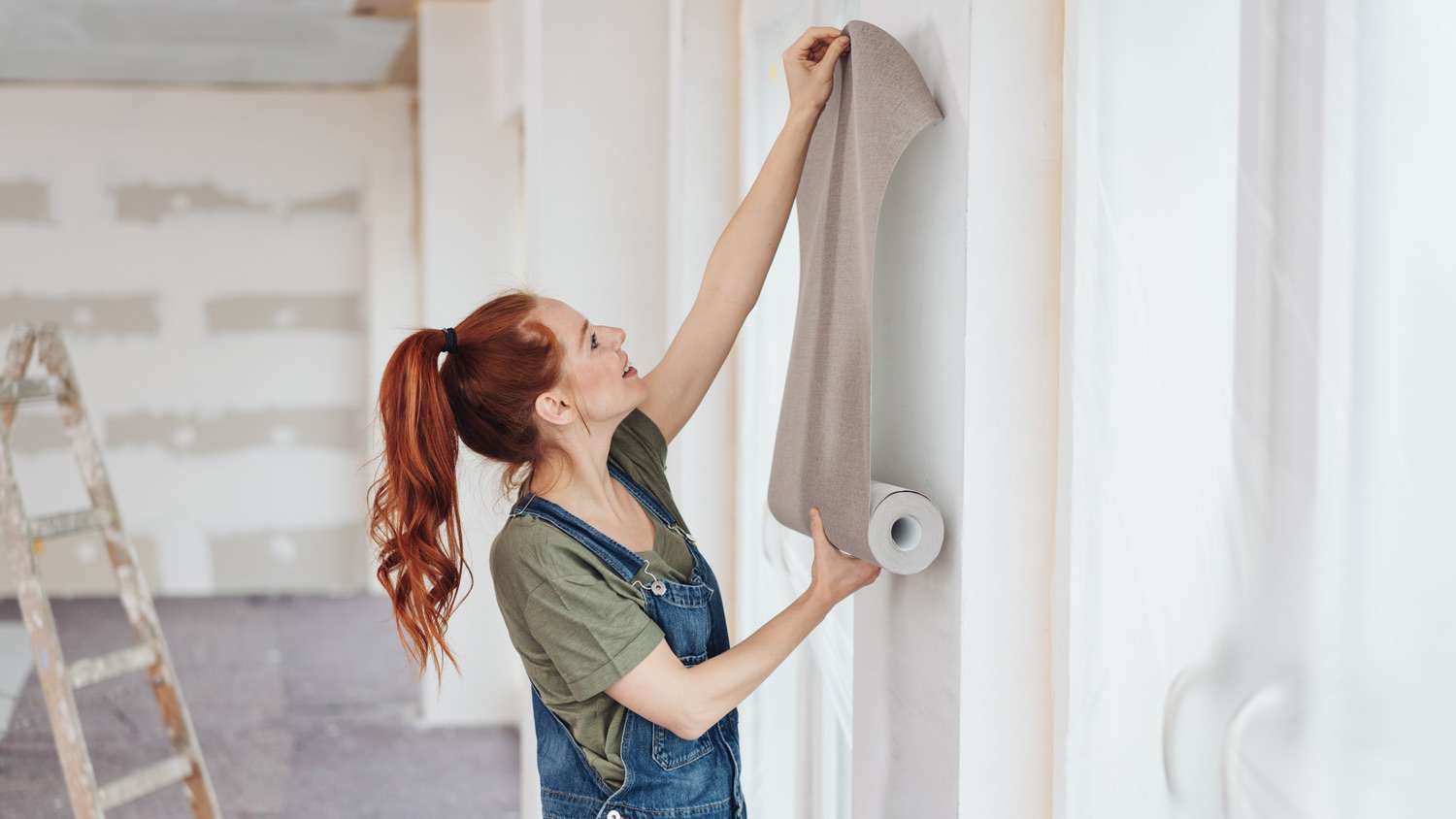
Hanging wallpaper may seem simple, but in practice it requires significant planning and finesse to make it look professional. To start, you need to get an even application of wallpaper paste across all of your wallpaper, which requires experience and large pasting tables to get right. You also need to plan out your design and match it exactly so that you don’t have imperfections in the finished product. It’s often better to hire a professional wallpaper hanger who can get the job done properly for a clean, smooth finish.
To layer wallpaper over wallpaper, inspect your existing wallpaper for problem areas. Damaged wallpaper should not be covered. If it’s okay to proceed, prep by turning off the electricity and removing any outlet and switch covers. Dust your walls and lightly rinse them to prevent the existing paper from peeling. Apply primer, then apply your new wallpaper.
No, you don’t always have to remove old wallpaper before applying a new layer. However, you should pull off the existing wallpaper if it’s cracked, peeling, or in poor condition. We’d also recommend against putting wallpaper over textured or dark-colored wallpaper because the old layer may be visible through the new one. In addition, if you try to hang new wallpaper over vinyl-coated wallpaper, the adhesive might not stick properly.
Yes, many installation and painting services include wall preparation, such as patching holes, smoothing surfaces, sanding, and priming. It is recommended to confirm the specific preparations included with your provider.
One of the biggest downsides to peel-and-stick wallpaper is that it doesn't last as long as traditional wallpaper. Its lifespan depends on several factors, including the quality of the paper, proper wall preparation and application, and the room's conditions. As a general rule, peel-and-stick wallpaper can last for at least five years, but this can vary significantly. Budget products may only last about 3 years, while higher-quality products can stay up for 7 years or more in ideal conditions. Factors that can shorten its lifespan include high humidity (such as in a bathroom), dirty walls, and low-quality paper. If used on flooring, expect it to last only 1 to 3 years unless sealed. However, the shorter lifespan can be seen as a positive, making it a great choice for people who enjoy switching up their interiors more frequently.
The Kadoka, SD homeowners’ guide to wallpaper services
From average costs to expert advice, get all the answers you need to get your job done.
Discover wallpaper installation cost. Learn about material, labor, and project factors to estimate your budget and make informed choices for your home.
Whether you can put wallpaper over wallpaper depends on the type of paper you’re using and the condition of the existing surface. Learn more with this guide.