If you’re not using a septic system, problems with your home’s plumbing won’t cause this—it’s a city problem. A large blockage in the municipal sewage lines may cause those lines to back up into your home. This is extremely unpleasant and can be a serious health risk due to bacteria and other contaminants. If this occurs, call a pro (or your city) immediately.
Costs depend on clog severity, pipe condition, equipment required, and labor.
Never pour used motor oil down the drain. Doing so can have serious environmental consequences, including contaminating groundwater, endangering animals, and killing vegetation. It can also clog your pipes, causing backups in your plumbing or the wastewater treatment plant. In most places, pouring motor oil down the drain is illegal, whether you do it in your home or a storm drain.
Sometimes, the drain is just too clogged—thanks, stubborn hair and soap scum. In this case, you’ll need a more powerful drain cleaner than you can DIY safely at home. But this doesn’t mean you have to choose a traditional drain cleaner.
You can find biodegradable drain cleaners at your local home improvement store or online for those drains that need a little more oomph.
While on the hunt for a formidable drain cleaner, the best options are non-chemical clog solutions that combine enzymes and bacteria.
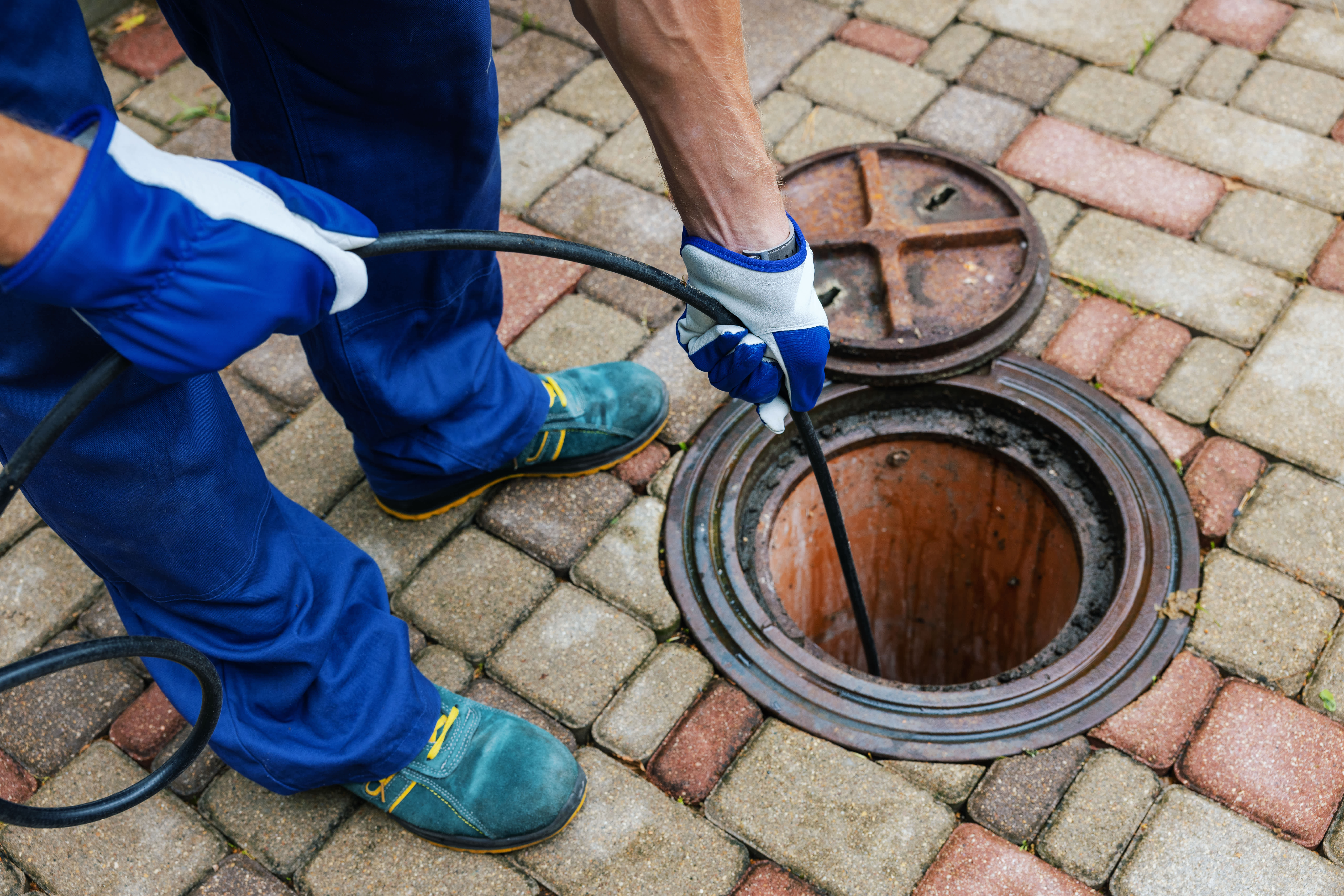
Professionals use augers, hydrojetting equipment, and cameras for precise clearing and inspection.
The Highmore, SD homeowners’ guide to sewer cleaning services
From average costs to expert advice, get all the answers you need to get your job done.
A clogged main sewer line can lead to gas or wastewater leaks. Find out what main sewer line clog repair costs by type of service, clog severity, and more.
The best way to keep your sewer line running smoothly is with some regular maintenance. But don’t worry—it doesn’t take much effort. Read on to learn how.