







Top-rated deck staining pros.

Get matched with top deck staining pros in Centerville, SD

Enter your zip and get matched with up to 5 pros

Need a pro for your deck staining project in Centerville, SD?

Select your specific project to find the pro for you.

Find Deck staining pros in Centerville

Avatar for Ray's Painting
Ray's Painting
5.0(
6
)
Exterior Home or Structure - Paint or StainExterior Home or Structure - Paint or Stain: LargeExterior Home or Structure - Paint or Stain: Medium

Serving Centerville, SD and surrounding areas

In business since 2013

Free estimates

Emergency services offered

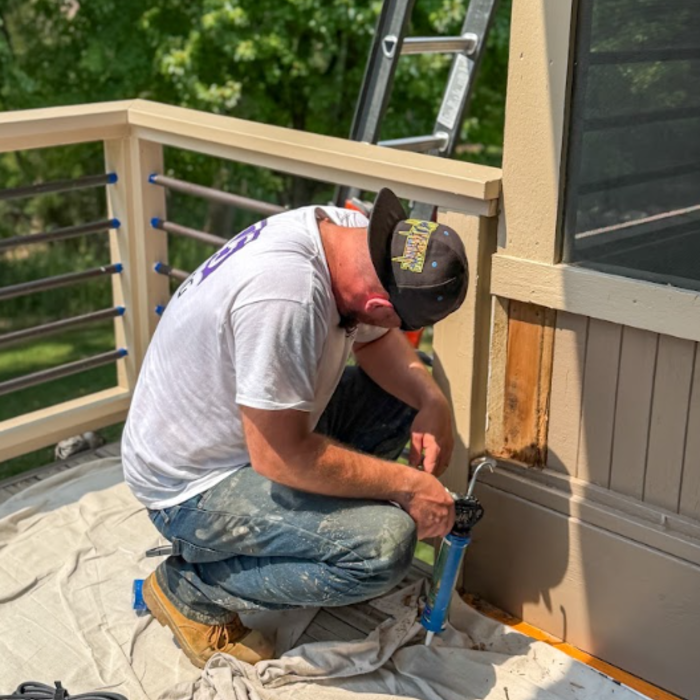
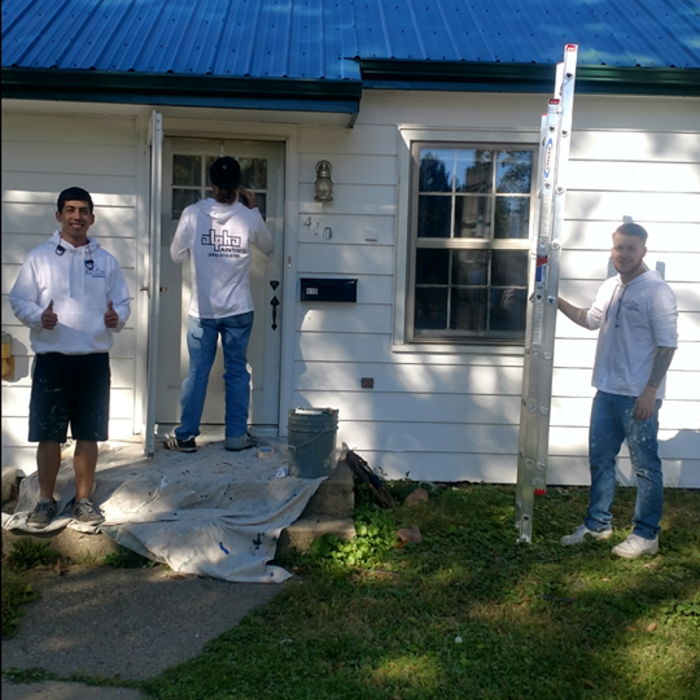
"Rays painting did an excellent job. They fixed loose boards and replaced bad siding before painting. Ray and his crew were prompt and courteous. They cleaned up after themelves and didn't leave a mess. Very happy with there work and have had numerous compliments from friends and family."
Tank painting
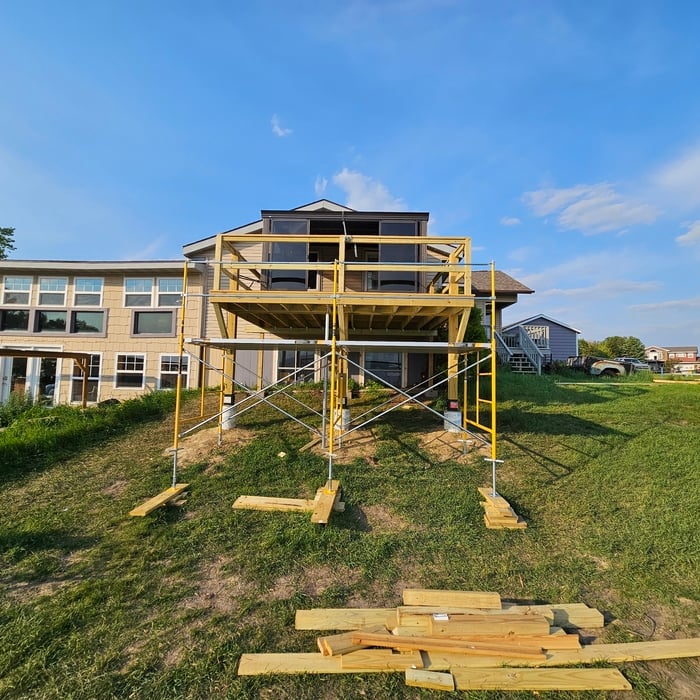
Additional Photos
Additional Photos
Additional Photos
Additional Photos

+8

Recommended by100%of homeowners
Showing 1-10 of 29
Deck Staining questions, answered by experts

It is not always necessary to remove old stain before restaining a deck. If the previous stain is in good condition and is compatible with the new stain, you may be able to apply a new coat after thorough cleaning. However, if the old stain is in bad condition, flaking, or peeling, it is best to remove it completely to ensure an even surface and proper adhesion for the new coat. Staining over a damaged layer can lead to an uneven finish and poor penetration. For best results, test a small area first and consult the stain manufacturer's guidelines.

Yes, you can and should paint or stain pressure-treated wood to help prevent the boards from cracking. However, you must wait for the wood to dry out completely before applying any finish. Freshly treated wood can take weeks or even months to dry; a common recommendation is to wait three to six months. To check if the wood is ready, perform a simple water test: drip some water onto the surface. If the water beads up, the wood is still too wet and needs more time to dry. If the wood absorbs the water, it is dry enough to be painted or stained. You can proceed with building your deck or fence while the wood is still wet, but you will need to wait to apply the paint or stain.

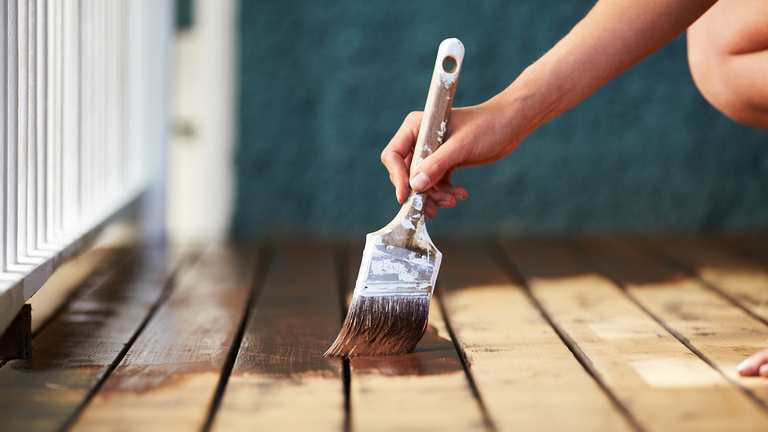
Staining a deck with a rag is typically a better option than using a brush, as it helps the stain penetrate deeper into the wood. However, both brushes and rags are best reserved for detailed work because using these tools on an entire deck can require tediously crawling around on your hands and knees. A pad applicator, sprayer, or roller are preferred alternatives to applying stain over the majority of a deck. Use a rag for railings and other detailed work, and let the wood soak up as much of the stain as possible before wiping away drips or pools.

It’s best to prime composite decking before painting. This promotes better paint adhesion, helps create a smooth finish, and can mean the paint job will last longer. Always follow the manufacturer’s instructions for application, allow ample primer drying time before painting (typically 24 to 48 hours), and thoroughly clean the deck boards to promote the best adhesion.

The best way to protect a deck is to prevent damage from UV light, water, mold, mildew, insects, and abrasive cleaning methods. Sweep regularly to prevent debris that hides bugs and traps moisture that can result in mold or mildew growth. Use a deck cleaner once a year to remove algae, mold, and mildew. Avoid using pressure washers on high, as they can damage the wood. Applying a deck sealant can protect the wood from UV and water damage, and adding shade can also reduce sunlight damage.

The Centerville, SD homeowners’ guide to deck staining services

From average costs to expert advice, get all the answers you need to get your job done.