"Jim is local. It went great. Jim Ferrell is a professional of the highest caliber. Responded quickly, took care of my problems, and advised me as to better means of protection than I had. He came back a second time to uninstall software that I purchased that did not provide adequate protections and installed free software that would do the job. He did the work through remote connection, but is available on site if necessary. For those people needing help on getting red of malware, viruses , etc. on your computer, Jim is local, better than all thse remote out of state location providers, is a mature, highly trained professional in this area. If you go to local computer stores you get very young people that can do a basic job, but are no where near the professional level of Jim. I highly recommend Jim to anyone that needs these type services. "

"AHS is ok. They cover repairs of most everything under the roof of your house. The companies that contract with them are not always the best. You call AHS with the issue, they send a fax to the repair company and give you the contact info. If they don't contact you within 24 hours, you call them. Sometimes they answer, sometimes they don't. When they arrive (usually three days or so later), they service the item. if it has issues within the 90 days, you call AHS again, they are sent out with no charge. If the serviceman decides the unit is unrepairable, AHS will allow you to choose a replacement from their listing (usually not as good as what you have) they will install and remove your old item, or give you wholesale amount to buy and install your own. Prices vary on what you want covered and what you want the copay to be, plus where you live. For me it is 49.99 per month with a 75.00 time of service order. You can have more than one item serviced at the same time under the same fee. If you have a SEAR product the repair guys are great. Not that wild about the other ones they send out. But it is a big savings compared to calling someone on your own. The cost of service is only the 75.00 copay."
A common HVAC rule is that for every 500 to 600 square feet of living space, you need 1 ton of heating or cooling capacity. Now that you know this common rule, you also need to know that it isn’t very accurate, and a dedicated pro wouldn’t use it for your home. If you talk to a pro who won’t or can’t perform a proper Manual J calculation, consider hiring someone more thorough.
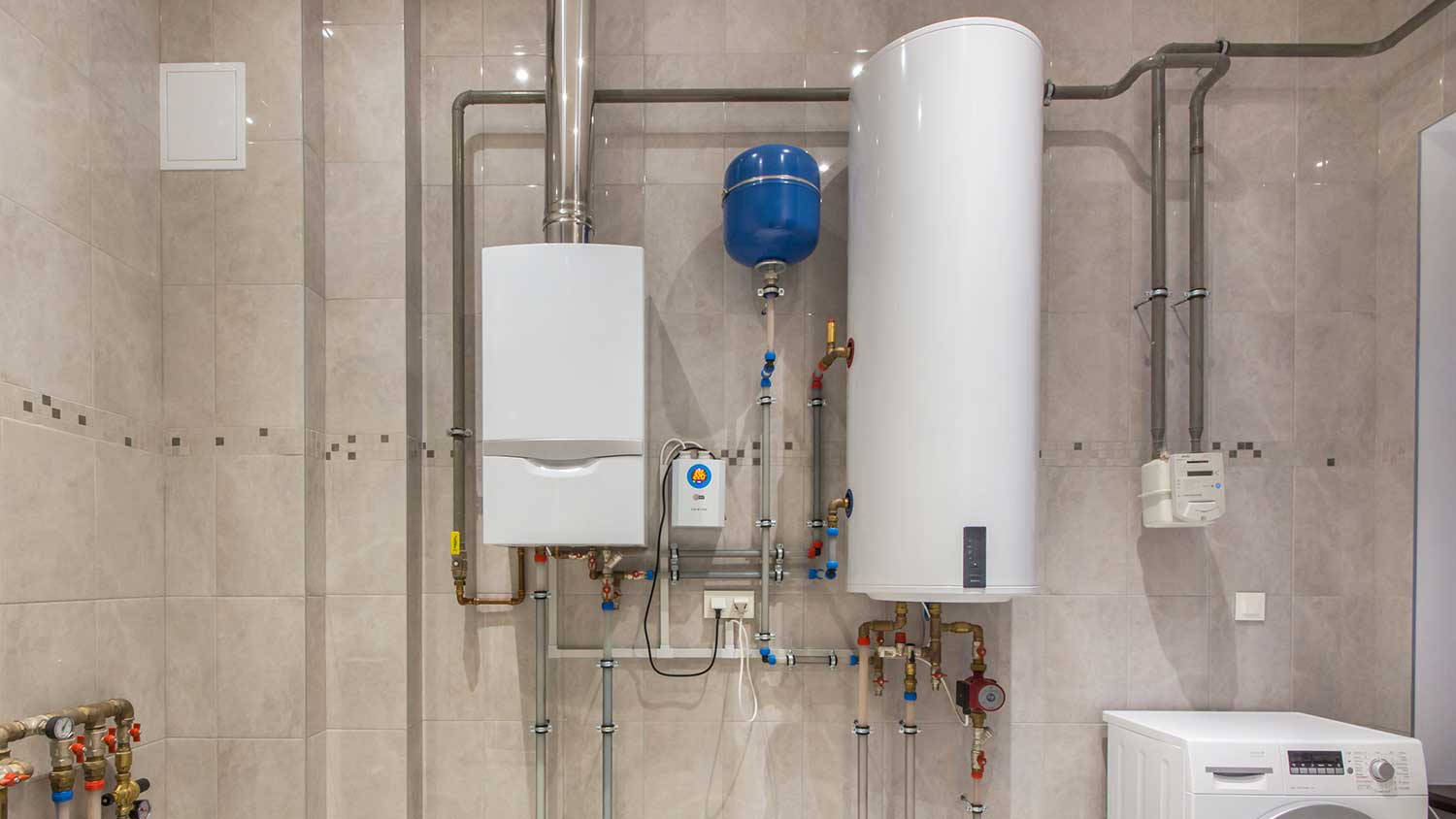
Heat pumps are significantly more efficient than boilers, typically providing three to four times the amount of heat for the electricity they consume. While boilers run on fossil fuels, heat pumps use only electricity. This efficiency can lead to long-term savings on operating and maintenance costs. However, heat pumps have a higher upfront installation price compared to boilers. Despite their lower efficiency, boilers remain a popular choice for many homeowners, with 8 million in the United States alone, due to their lower initial cost and less intensive installation process. Ultimately, the best choice depends on your home's infrastructure, your budget, and your personal heating priorities.
Some high-quality steam boilers come with 10-year warranties, but a well-installed, properly maintained model can last at least 20 to 25 years. Learning how to clean a boiler, getting an annual professional service, and keeping up with maintenance and repairs on your heating system are all important for getting the most out of your model.
Steam boilers require flushing at least every six to 12 months to keep them operating effectively for as long as possible. Depending on your water quality and frequency of use, you might need to do this more frequently. The flushing process helps to remove problematic buildup of sediments. While a boiler contractor near you can perform a thorough annual flush, learning how to drain the system yourself means you can do this monthly if you experience speedy mineral accumulation because of hard water.
If you go to turn it counterclockwise and it won’t turn anymore, it’s open. Like most other valves, you should be able to turn a radiator valve counterclockwise (to the left) to open it and clockwise (right) to close it. To close a radiator valve, turn it clockwise until you meet some resistance and can’t turn anymore, but do so carefully to avoid breaking the valve.
The Burke, SD homeowners’ guide to boiler installation services
From average costs to expert advice, get all the answers you need to get your job done.
Discover the average electric boiler installation cost, key price factors, and ways to save. Get transparent, expert-backed estimates for your project.